 Frederic Melton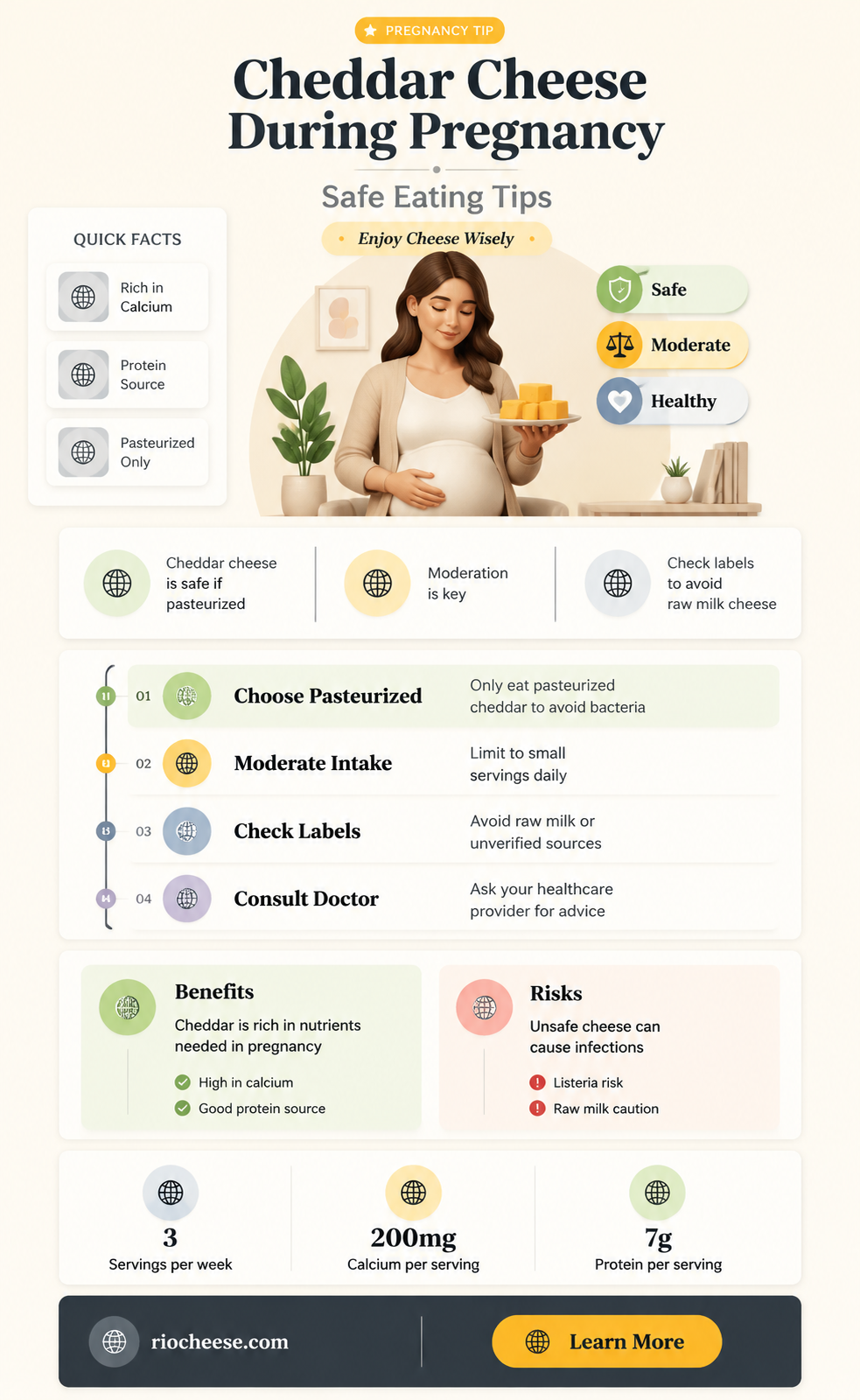
When it comes to pregnancy, expectant mothers often have numerous questions about what foods are safe to consume. One common query is whether cheddar cheese is okay to eat during pregnancy. The good news is that cheddar cheese can be a part of a healthy pregnancy diet, as long as it is consumed in moderation. Cheddar cheese is a good source of protein, calcium, and other essential nutrients that are important for both the mother and the developing fetus. However, it is important to note that some types of cheese can pose a risk of foodborne illness, so it is crucial to choose wisely and avoid certain varieties.
Explore related products


What You'll Learn
- Nutritional Benefits: Cheddar cheese provides essential nutrients like protein, calcium, and vitamins, which are beneficial during pregnancy
- Safety Concerns: Ensure cheddar cheese is pasteurized to avoid harmful bacteria like Listeria, which can cause foodborne illnesses
- Lactose Intolerance: Some pregnant women may experience increased lactose intolerance, making it difficult to digest cheddar cheese
- Fat Content: Cheddar cheese can be high in saturated fat, so moderation is key to maintaining a balanced pregnancy diet
- Allergies: Pregnant women with dairy allergies should avoid cheddar cheese to prevent allergic reactions

Nutritional Benefits: Cheddar cheese provides essential nutrients like protein, calcium, and vitamins, which are beneficial during pregnancy
Cheddar cheese is a rich source of protein, which is crucial for the growth and development of the fetus. During pregnancy, the body requires more protein than usual to support the formation of new tissues and organs in the developing baby. A 1-ounce serving of cheddar cheese provides approximately 7 grams of protein, making it an excellent choice for expectant mothers looking to meet their increased protein needs.
In addition to protein, cheddar cheese is also high in calcium. Calcium is essential for building strong bones and teeth, both for the mother and the baby. During pregnancy, the body's demand for calcium increases significantly, as the developing fetus requires calcium for its own bone growth. Cheddar cheese can help meet this demand, with a 1-ounce serving providing around 20% of the daily recommended intake of calcium for pregnant women.
Cheddar cheese also contains several important vitamins, including vitamin A, vitamin B12, and riboflavin. Vitamin A is vital for the development of the baby's vision, immune system, and skin. Vitamin B12 is essential for the formation of red blood cells and the proper functioning of the nervous system. Riboflavin plays a key role in energy production and the maintenance of healthy skin and mucous membranes. These vitamins are all important for supporting the health of both the mother and the developing fetus.
It's important to note that while cheddar cheese offers many nutritional benefits, it should be consumed in moderation as part of a balanced diet. Pregnant women should aim to include a variety of nutrient-dense foods in their meals to ensure they are getting all the essential nutrients needed for a healthy pregnancy. Additionally, it's always a good idea to consult with a healthcare provider or a registered dietitian to discuss specific dietary needs and recommendations during pregnancy.
Feline Nutrition: The Truth About Cheddar Cheese for Cats
You may want to see also
Explore related products



Safety Concerns: Ensure cheddar cheese is pasteurized to avoid harmful bacteria like Listeria, which can cause foodborne illnesses
During pregnancy, ensuring food safety is paramount to protect both the mother and the developing fetus. One common concern is the consumption of cheddar cheese and the potential risk of harmful bacteria. It is crucial to ensure that cheddar cheese is pasteurized to avoid the presence of bacteria like Listeria, which can cause severe foodborne illnesses.
Listeriosis, caused by the bacterium Listeria monocytogenes, can lead to serious health complications, including miscarriage, stillbirth, and severe illness in newborns. Pregnant women are at a higher risk of contracting listeriosis due to their weakened immune systems. Therefore, it is essential to take extra precautions when consuming foods that may harbor this bacterium.
To minimize the risk of listeriosis, pregnant women should opt for pasteurized cheddar cheese. Pasteurization is a process that involves heating the cheese to a specific temperature to kill harmful bacteria. This process not only eliminates the risk of listeriosis but also ensures that the cheese is safe for consumption during pregnancy.
When shopping for cheddar cheese, it is important to check the label to ensure that it is pasteurized. Some cheeses may be labeled as "pasteurized" or "made from pasteurized milk," which indicates that they are safe to eat. Additionally, it is advisable to avoid soft cheeses, such as Brie or Camembert, which are more likely to harbor harmful bacteria.
In conclusion, ensuring that cheddar cheese is pasteurized is a crucial safety measure for pregnant women. By choosing pasteurized cheese and avoiding soft cheeses, expectant mothers can enjoy their favorite dairy products while minimizing the risk of foodborne illnesses.
Navigating Lactose Intolerance: Can You Still Enjoy Cheddar Cheese?
You may want to see also
Explore related products


Lactose Intolerance: Some pregnant women may experience increased lactose intolerance, making it difficult to digest cheddar cheese
During pregnancy, hormonal changes can affect a woman's digestive system, leading to increased lactose intolerance. This condition makes it difficult for the body to digest lactose, a sugar found in milk and dairy products like cheddar cheese. As a result, consuming cheddar cheese may cause discomfort or digestive issues for some pregnant women.
Symptoms of lactose intolerance during pregnancy can include bloating, gas, abdominal pain, and diarrhea. These symptoms can be particularly bothersome for pregnant women, who may already be experiencing digestive changes due to their growing uterus and shifting hormones. If you suspect you may be lactose intolerant, it's important to consult with your healthcare provider for proper diagnosis and guidance.
To manage lactose intolerance during pregnancy, some women may need to limit or avoid dairy products altogether. However, this doesn't mean you have to give up on calcium entirely. There are plenty of non-dairy sources of calcium, such as leafy greens, fortified plant-based milks, and calcium supplements. Your healthcare provider can help you determine the best way to meet your calcium needs while managing lactose intolerance.
It's also worth noting that not all pregnant women will experience lactose intolerance. Some may be able to tolerate cheddar cheese and other dairy products without any issues. However, if you do experience symptoms of lactose intolerance, it's important to listen to your body and make adjustments to your diet accordingly.
In conclusion, while cheddar cheese can be a nutritious addition to a balanced diet, it may not be suitable for all pregnant women, particularly those who experience increased lactose intolerance. By being aware of the potential issues and consulting with your healthcare provider, you can make informed decisions about your diet and ensure you're getting the nutrients you need for a healthy pregnancy.
Navigating Dairy with Kidney Disease: Is Cheddar Cheese Safe?
You may want to see also
Explore related products


Fat Content: Cheddar cheese can be high in saturated fat, so moderation is key to maintaining a balanced pregnancy diet
Cheddar cheese, a popular dairy product, is often scrutinized for its fat content, particularly during pregnancy when dietary choices are critical. The high levels of saturated fat in cheddar cheese can be a concern for expectant mothers who are mindful of maintaining a balanced diet. Saturated fats, when consumed in excess, have been linked to increased levels of LDL cholesterol, which can contribute to cardiovascular diseases. During pregnancy, managing cholesterol levels is essential to support both maternal and fetal health.
Moderation is key when incorporating cheddar cheese into a pregnancy diet. While it is not necessary to completely eliminate cheddar cheese, it is advisable to consume it in limited quantities. The American Heart Association recommends that saturated fats should make up no more than 5-6% of total daily caloric intake. For a typical 2,000 calorie diet, this translates to about 11-13 grams of saturated fat per day. A single ounce of cheddar cheese contains approximately 6-7 grams of saturated fat, highlighting the importance of portion control.
Expectant mothers can still enjoy the rich flavor of cheddar cheese by opting for reduced-fat or low-fat varieties. These alternatives provide the same taste and nutritional benefits, such as protein and calcium, without the high saturated fat content. Additionally, incorporating other sources of healthy fats, like avocados, nuts, and olive oil, can help maintain a balanced diet while satisfying cravings for flavorful foods.
In summary, while cheddar cheese can be a part of a pregnancy diet, it is crucial to consume it in moderation due to its high saturated fat content. By being mindful of portion sizes and choosing reduced-fat options, expectant mothers can enjoy the benefits of cheddar cheese without compromising their health or the health of their unborn child.
Nutritional Guide: Is Cheddar Cheese Safe for Babies?
You may want to see also
Explore related products


Allergies: Pregnant women with dairy allergies should avoid cheddar cheese to prevent allergic reactions
Pregnant women with dairy allergies must be vigilant about their diet to avoid allergic reactions, and cheddar cheese is a common culprit. Cheddar cheese contains casein, a protein found in milk that can trigger allergic symptoms ranging from mild to severe. For those with a confirmed dairy allergy, eliminating cheddar cheese from their diet is crucial to prevent adverse reactions.
Symptoms of a dairy allergy can include hives, itching, swelling, stomach cramps, diarrhea, and even anaphylaxis in severe cases. Pregnant women are at a higher risk of experiencing these symptoms due to changes in their immune system and increased sensitivity to allergens. Therefore, it is essential for pregnant women with dairy allergies to strictly avoid cheddar cheese and other dairy products to ensure their safety and the safety of their unborn child.
If a pregnant woman with a dairy allergy accidentally consumes cheddar cheese, she should monitor her symptoms closely and seek medical attention if necessary. Antihistamines may be prescribed to alleviate mild symptoms, but in cases of anaphylaxis, immediate emergency medical care is required. It is also important for pregnant women with dairy allergies to inform their healthcare provider about their condition to ensure proper management and care throughout their pregnancy.
In addition to avoiding cheddar cheese, pregnant women with dairy allergies should be cautious about other potential sources of dairy in their diet. This includes checking food labels for ingredients like milk, whey, and casein, as well as being mindful of cross-contamination in food preparation. By taking these precautions, pregnant women with dairy allergies can minimize their risk of allergic reactions and enjoy a safe and healthy pregnancy.
Navigating IBS Dietary Restrictions: Is Cheddar Cheese a Safe Choice?
You may want to see also
Frequently asked questions
Yes, cheddar cheese is generally safe to eat during pregnancy as long as it is pasteurized. Pasteurization kills harmful bacteria like Listeria, which can be dangerous for pregnant women.
Cheddar cheese is a good source of protein, calcium, and vitamins A and B12, which are essential for the development of the baby's bones, teeth, and nervous system.
The main risk is if the cheese is not pasteurized, as it may contain harmful bacteria like Listeria. It's also important to consume cheese in moderation due to its high fat and calorie content.
Pregnant women should avoid soft cheeses like Brie and Camembert, as well as blue cheeses like Roquefort and Gorgonzola, due to the risk of Listeria contamination. Hard cheeses like cheddar are generally safe as long as they are pasteurized.

![Natural Reserve Cheddar Cheese , Extra sharp, strong, with a tangy bite and nutty undertone , smooth finish that pairs as well with wine and crackers as beer and tacos , made with milk from grass-fed cows not treated with rest or other growth hormones , and raised on Irish family dairy farms. This all milk is what makes their products so flavorful and creamy , [ 21.12 oz , 1.32 pound ]](https://m.media-amazon.com/images/I/61ltd26bj7L._AC_UL320_.jpg)


