Patrick Oconnell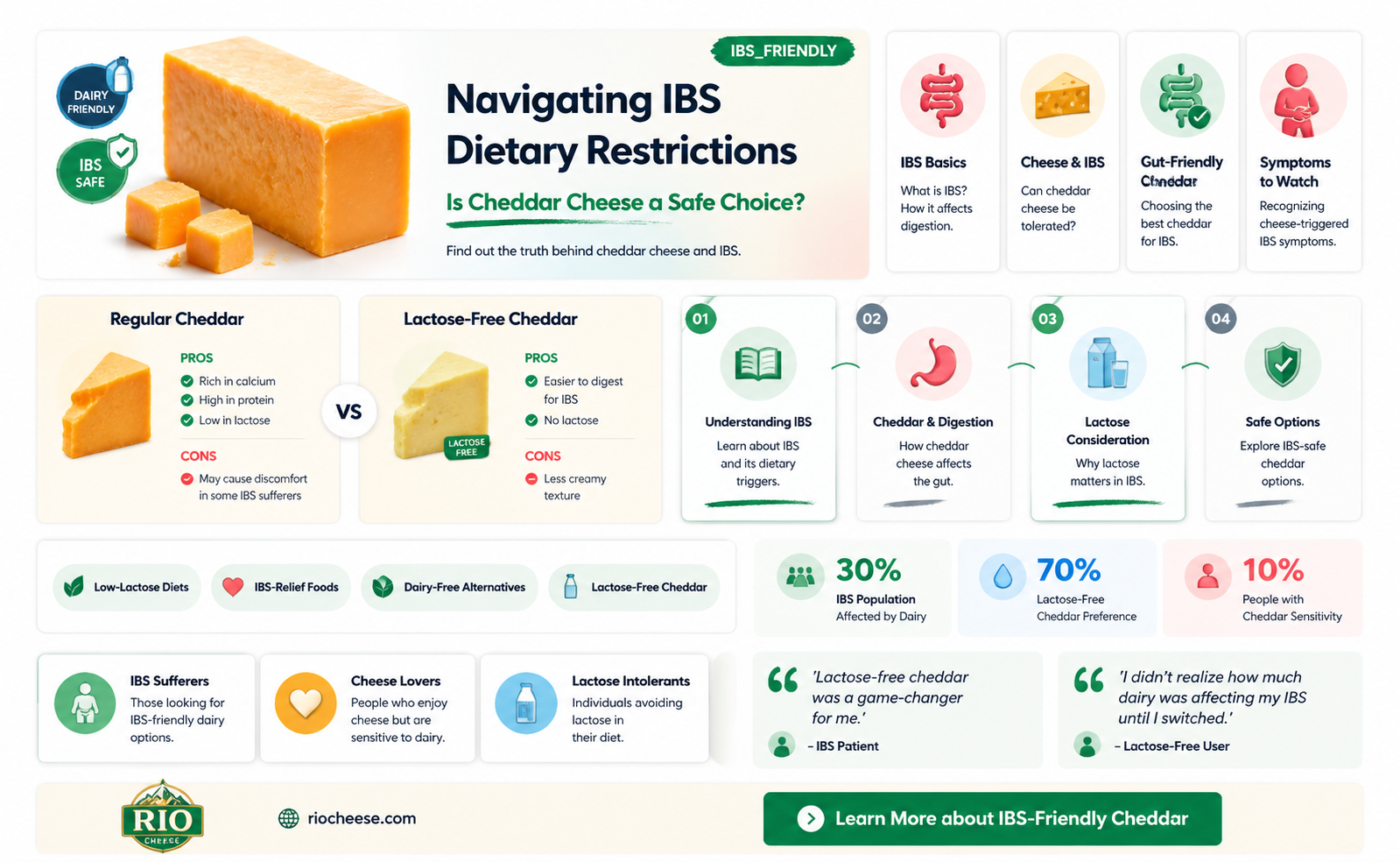
Irritable Bowel Syndrome (IBS) is a common digestive disorder that affects millions of people worldwide. Individuals with IBS often experience symptoms such as abdominal pain, bloating, and changes in bowel movements. Diet plays a significant role in managing IBS symptoms, and certain foods can trigger or exacerbate these symptoms. Cheddar cheese, being a dairy product, is a topic of interest for those with IBS due to its potential impact on digestion. Some people with IBS may tolerate cheddar cheese well, while others may find it to be a trigger food. Understanding the relationship between cheddar cheese and IBS can help individuals make informed dietary choices to better manage their condition.
Explore related products


What You'll Learn
- Cheddar Cheese and IBS: An Overview - Understand the relationship between cheddar cheese consumption and Irritable Bowel Syndrome symptoms
- Nutritional Content of Cheddar Cheese - Explore the nutritional profile of cheddar cheese, including fat, protein, and lactose content
- Lactose Intolerance and IBS - Examine the link between lactose intolerance and IBS, and how cheddar cheese fits into this context
- Symptom Management with Dietary Adjustments - Discuss how dietary changes, including the consumption of cheddar cheese, can help manage IBS symptoms
- Alternative Cheese Options for IBS Sufferers - Discover alternative cheese options that may be more suitable for individuals with IBS

Cheddar Cheese and IBS: An Overview - Understand the relationship between cheddar cheese consumption and Irritable Bowel Syndrome symptoms
Cheddar cheese, a popular dairy product, is often a topic of discussion for individuals with Irritable Bowel Syndrome (IBS). Understanding the relationship between cheddar cheese consumption and IBS symptoms is crucial for those managing this condition. While some people with IBS may tolerate cheddar cheese without issues, others may experience exacerbated symptoms such as abdominal pain, bloating, or diarrhea.
The lactose content in cheddar cheese is a significant factor to consider. Lactose is a sugar found in milk and dairy products, and individuals with IBS may have difficulty digesting it. This lactose intolerance can lead to gastrointestinal discomfort and other IBS symptoms. However, it's important to note that the lactose content in cheddar cheese can vary depending on the aging process. Generally, aged cheddar cheeses contain less lactose than milder, younger varieties.
Another aspect to consider is the fat content of cheddar cheese. High-fat foods can sometimes trigger IBS symptoms, particularly in individuals who have a sensitivity to dietary fat. Cheddar cheese comes in various fat content levels, including full-fat, reduced-fat, and low-fat options. Experimenting with different types may help individuals with IBS find a balance that works for them.
Additionally, some people with IBS may have a sensitivity to histamines, which are compounds found in aged foods like cheddar cheese. Histamine intolerance can cause symptoms such as headaches, itching, and digestive issues. In such cases, opting for lower-histamine cheeses or limiting the portion size may be beneficial.
Ultimately, the relationship between cheddar cheese and IBS is complex and highly individualized. It's essential for those with IBS to pay attention to their body's responses and work with a healthcare professional or registered dietitian to develop a personalized dietary plan that takes into account their specific triggers and tolerances.
Feline Nutrition: The Truth About Cheddar Cheese for Cats
You may want to see also
Nutritional Content of Cheddar Cheese - Explore the nutritional profile of cheddar cheese, including fat, protein, and lactose content
Cheddar cheese is a popular dairy product known for its rich flavor and versatility in cooking. However, for individuals with Irritable Bowel Syndrome (IBS), understanding the nutritional content of cheddar cheese is crucial in managing their symptoms. One of the primary concerns for people with IBS is the fat content in foods, as high-fat meals can exacerbate symptoms such as abdominal pain and diarrhea. Cheddar cheese, particularly full-fat varieties, can be high in saturated fats, which may trigger IBS symptoms in some individuals.
In addition to fat content, protein is another important nutritional component to consider. Cheddar cheese is a good source of protein, which can be beneficial for maintaining muscle mass and overall health. However, some individuals with IBS may find that high-protein foods contribute to their symptoms, particularly if they also contain high levels of fat. It is essential for people with IBS to monitor their protein intake and choose lean protein sources when possible.
Lactose content is another critical factor for individuals with IBS, as many people with this condition are lactose intolerant. Cheddar cheese, like other dairy products, contains lactose, a type of sugar found in milk. For those who are lactose intolerant, consuming cheddar cheese can lead to symptoms such as bloating, gas, and diarrhea. It is important for individuals with IBS to be aware of their lactose tolerance and choose lactose-free or low-lactose dairy options if necessary.
When considering the nutritional content of cheddar cheese in the context of IBS, it is also important to pay attention to portion sizes. Even if a food is generally well-tolerated, consuming large quantities can still trigger symptoms. People with IBS should aim to eat a balanced diet with a variety of nutrient-dense foods and avoid overeating any single food item.
In conclusion, while cheddar cheese can be a nutritious addition to a balanced diet, individuals with IBS need to be mindful of its fat, protein, and lactose content. By monitoring portion sizes and choosing appropriate varieties, people with IBS can enjoy cheddar cheese as part of their meal plan without exacerbating their symptoms.
Balancing Flavor and Health: Cheddar Cheese's Place in a High-Cholesterol Diet
You may want to see also
Lactose Intolerance and IBS - Examine the link between lactose intolerance and IBS, and how cheddar cheese fits into this context
Lactose intolerance and irritable bowel syndrome (IBS) are two distinct digestive conditions that can sometimes overlap in their symptoms and dietary implications. Lactose intolerance occurs when the body lacks the enzyme lactase, which is necessary to digest lactose, the primary sugar in dairy products. This can lead to symptoms such as bloating, gas, abdominal pain, and diarrhea when lactose-containing foods are consumed. IBS, on the other hand, is a chronic condition characterized by recurring abdominal pain and changes in bowel movements, which can include diarrhea, constipation, or a combination of both. While the exact cause of IBS is not fully understood, it is believed to involve a combination of factors, including abnormal muscle contractions in the intestines, heightened sensitivity to pain, and changes in the gut microbiome.
The link between lactose intolerance and IBS lies in the fact that many individuals with IBS also experience lactose intolerance. This can make it challenging for them to consume dairy products, including cheddar cheese, without experiencing uncomfortable symptoms. Cheddar cheese, while lower in lactose than some other dairy products, still contains enough lactose to potentially trigger symptoms in sensitive individuals. However, the severity of symptoms can vary widely from person to person, and some individuals with IBS may be able to tolerate small amounts of cheddar cheese without issue.
In the context of IBS, it is important for individuals to pay attention to their own tolerance levels and symptoms when consuming cheddar cheese or any other dairy product. Keeping a food diary can be helpful in identifying which foods trigger symptoms and which do not. Additionally, there are lactose-free or low-lactose versions of cheddar cheese available on the market, which may be a suitable alternative for those who are lactose intolerant or have IBS.
It is also worth noting that dietary management is just one aspect of treating IBS. Other strategies, such as stress management, regular exercise, and medication, may also be necessary to effectively manage symptoms. Consulting with a healthcare provider or a registered dietitian can provide personalized guidance on managing IBS and lactose intolerance, and help individuals make informed decisions about their diet.
In conclusion, while cheddar cheese may not be suitable for all individuals with IBS due to its lactose content, it can be a part of a balanced diet for those who are able to tolerate it. Understanding the link between lactose intolerance and IBS, and paying attention to individual symptoms and tolerance levels, is key to making informed dietary choices and effectively managing these conditions.
Managing Diabetes: The Surprising Truth About Cheddar Cheese
You may want to see also
Symptom Management with Dietary Adjustments - Discuss how dietary changes, including the consumption of cheddar cheese, can help manage IBS symptoms
Individuals with Irritable Bowel Syndrome (IBS) often find symptom management challenging, but dietary adjustments can play a crucial role in alleviating discomfort. Among various dietary considerations, the consumption of cheddar cheese is a topic of interest. Cheddar cheese, being a dairy product, contains lactose, which can be problematic for some IBS sufferers due to lactose intolerance. However, it also offers potential benefits that may help manage IBS symptoms.
One of the key aspects of managing IBS through diet is identifying and avoiding trigger foods. For those with lactose intolerance, dairy products like cheddar cheese can exacerbate symptoms such as bloating, gas, and abdominal pain. Therefore, it is essential for individuals to monitor their reaction to cheddar cheese and other dairy products to determine if they should be included in their diet.
On the other hand, cheddar cheese is rich in calcium, which can aid in maintaining strong bones and may help alleviate menstrual cramps, a common symptom in some IBS patients. Additionally, it contains protein and fat, which can contribute to a feeling of fullness and potentially reduce the frequency of bowel movements, providing relief from diarrhea-predominant IBS.
To effectively manage IBS symptoms through dietary adjustments, it is recommended to follow a balanced diet that includes a variety of nutrient-dense foods. Keeping a food diary can help identify trigger foods, including specific dairy products like cheddar cheese. Consulting with a healthcare professional or a registered dietitian can provide personalized guidance on incorporating cheddar cheese and other foods into an IBS-friendly diet.
In conclusion, while cheddar cheese may not be suitable for all IBS patients due to lactose content, it can offer benefits for some individuals. Careful monitoring and dietary planning are essential to determine if cheddar cheese can be a part of a symptom management strategy for IBS sufferers.
Unlocking the Nutritional Secrets of Cheddar Cheese: A Comprehensive Guide
You may want to see also
Alternative Cheese Options for IBS Sufferers - Discover alternative cheese options that may be more suitable for individuals with IBS
For individuals with Irritable Bowel Syndrome (IBS), finding suitable cheese options can be a challenge. While cheddar cheese is a popular choice, it may not be the best option for those with IBS due to its high fat content and potential to cause digestive discomfort. Fortunately, there are several alternative cheese options that may be more suitable for individuals with IBS.
One alternative cheese option for IBS sufferers is goat cheese. Goat cheese is lower in fat and lactose than cheddar cheese, making it easier to digest. Additionally, goat cheese contains probiotics, which can help support gut health and alleviate IBS symptoms. Another option is sheep cheese, which is also lower in lactose and fat than cheddar cheese. Sheep cheese is rich in nutrients and has a distinct flavor that can add variety to an IBS-friendly diet.
For those who prefer a dairy-free option, there are several plant-based cheese alternatives available. These include vegan cheese made from nuts, seeds, or soy. Plant-based cheese alternatives are typically lower in fat and lactose than traditional cheese, making them a suitable option for individuals with IBS. However, it is important to note that some plant-based cheese alternatives may contain additives or preservatives that can trigger IBS symptoms, so it is essential to read labels and choose options that are free from potential irritants.
When selecting alternative cheese options for IBS, it is important to consider portion sizes and overall dietary balance. While cheese can be a part of a healthy diet, it is essential to consume it in moderation and balance it with other nutrient-dense foods. Additionally, individuals with IBS should pay attention to their body's response to different cheese options and adjust their diet accordingly. By exploring alternative cheese options and being mindful of portion sizes and dietary balance, individuals with IBS can enjoy cheese as part of a healthy and satisfying diet.
Nutritional Guide: Is Cheddar Cheese Safe for Babies?
You may want to see also