Andy Montoya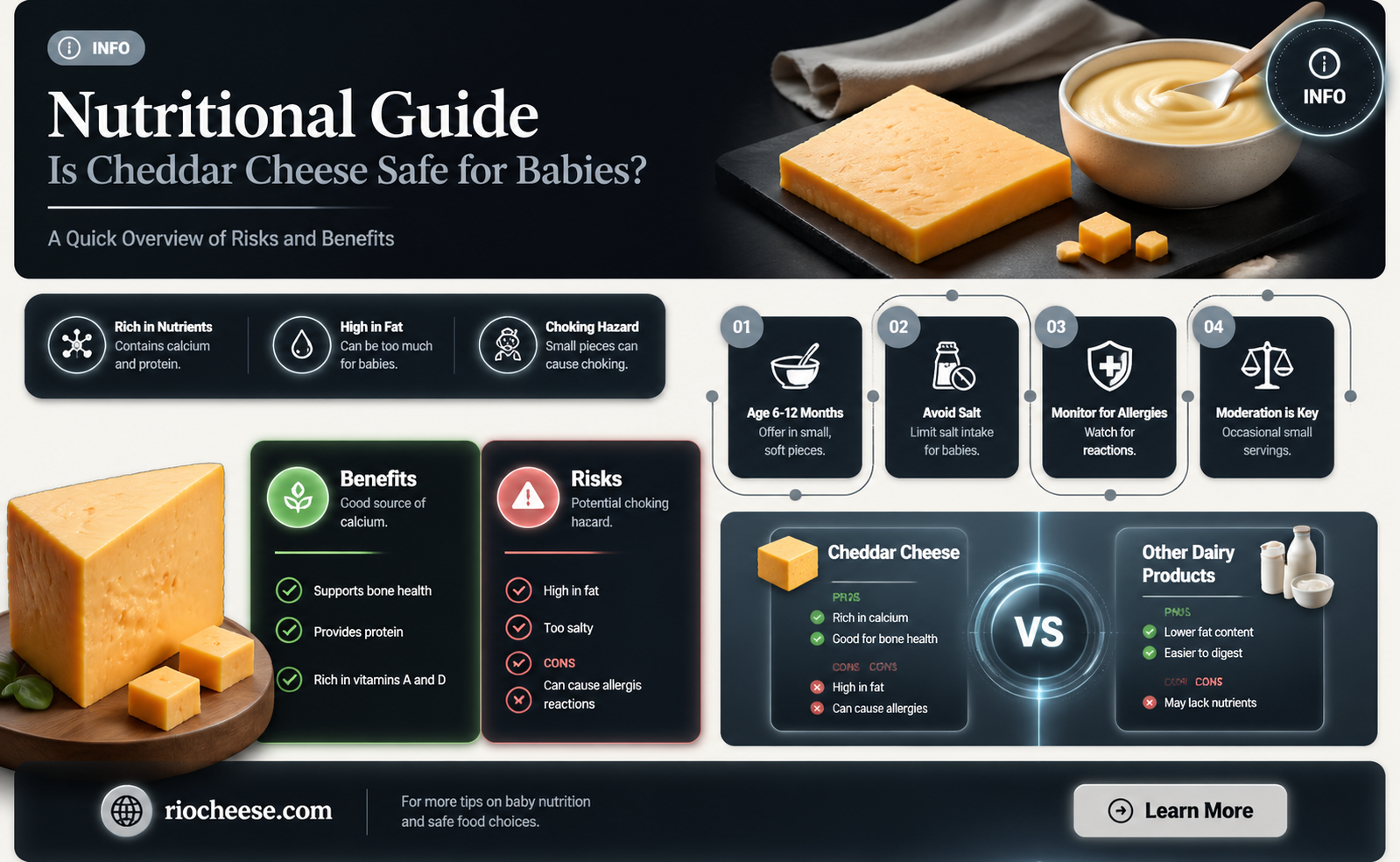
When introducing solid foods to a baby, parents often wonder about the suitability of various ingredients, including cheddar cheese. Cheddar cheese can be a nutritious addition to a baby's diet, but it's essential to consider a few factors. Firstly, the American Academy of Pediatrics recommends waiting until around 6 months of age before introducing solid foods, including cheese. Once a baby is ready for solids, cheddar cheese can be offered in small, manageable pieces or grated to reduce the risk of choking. It's crucial to monitor the baby for any signs of an allergic reaction, such as skin rashes or digestive issues, as dairy allergies are relatively common in infants. Additionally, opting for low-sodium cheddar cheese can help limit the baby's salt intake, which is important for their developing kidneys. As with any new food, it's best to introduce cheddar cheese gradually and in moderation, ensuring that it complements a balanced diet of fruits, vegetables, grains, and proteins.
| Characteristics | Values |
|---|---|
| Age Appropriateness | Generally suitable for babies over 6 months old |
| Nutritional Value | High in protein and calcium, but also high in fat and sodium |
| Texture | Firm and can be grated or sliced |
| Flavor Profile | Sharp, tangy taste that can vary in intensity |
| Allergens | Contains dairy, which is a common allergen |
| Choking Hazard | Can be a choking hazard if not cut into small, manageable pieces |
| Lactose Content | Contains lactose, which some babies may not tolerate well |
| Sodium Content | High sodium content, which should be limited in a baby's diet |
| Fat Content | High in saturated fat, which should be consumed in moderation |
| Preparation Methods | Can be served grated, sliced, or melted |
| Pairing Suggestions | Often paired with fruits, vegetables, or crackers |
| Storage Requirements | Should be stored in the refrigerator to maintain freshness |
| Shelf Life | Typically lasts for several weeks when properly stored |
| Cost | Can vary depending on the brand and quality, but generally affordable |
| Availability | Widely available in most grocery stores |
| Cultural Significance | Popular in many Western cuisines, especially in the United States and United Kingdom |
| Fun Fact | Cheddar cheese gets its name from the village of Cheddar in Somerset, England |
Explore related products


What You'll Learn
- Nutritional Benefits: Cheddar cheese is rich in calcium, protein, and vitamins, supporting baby's growth and development
- Age-Appropriate Introduction: Typically introduced around 8-10 months when babies can handle more solid foods
- Potential Allergies: Watch for signs of dairy allergies, such as rash, diarrhea, or vomiting, after introducing cheddar cheese
- Choking Hazards: Ensure the cheese is finely grated or cut into small, manageable pieces to prevent choking risks
- Moderation Key: While nutritious, cheddar cheese should be given in moderation due to its high fat and sodium content

Nutritional Benefits: Cheddar cheese is rich in calcium, protein, and vitamins, supporting baby's growth and development
Cheddar cheese, known for its sharp flavor and firm texture, is a nutritional powerhouse that can play a beneficial role in a baby's diet. One of the primary nutritional benefits of cheddar cheese is its high calcium content. Calcium is crucial for the development of strong bones and teeth in babies, and incorporating cheddar cheese into their meals can help meet their daily calcium requirements. Additionally, cheddar cheese is a good source of protein, which is essential for muscle growth and repair. As babies grow rapidly, their protein needs are significant, and cheddar cheese can contribute to meeting these needs.
Beyond calcium and protein, cheddar cheese is also rich in various vitamins, including vitamin A, vitamin B12, and vitamin K. Vitamin A is important for maintaining healthy vision and immune function, while vitamin B12 plays a key role in the production of red blood cells and the functioning of the nervous system. Vitamin K is necessary for blood clotting and bone health. These vitamins collectively support various aspects of a baby's growth and development.
When introducing cheddar cheese to a baby's diet, it's important to do so in moderation and in an age-appropriate manner. For infants who are just starting to eat solid foods, offering small, grated pieces of cheddar cheese can be a good way to introduce this new food. As babies become older and more accustomed to solid foods, they can be given slightly larger pieces. It's also important to monitor for any signs of lactose intolerance or allergies, as some babies may have difficulty digesting dairy products.
In conclusion, cheddar cheese can be a valuable addition to a baby's diet due to its rich nutritional profile. By providing essential nutrients like calcium, protein, and various vitamins, cheddar cheese can support a baby's growth and development. However, it's crucial to introduce it carefully and monitor for any adverse reactions to ensure that it is well-tolerated by the baby.
Unlocking the Nutritional Secrets of Cheddar Cheese: A Comprehensive Guide
You may want to see also
Explore related products

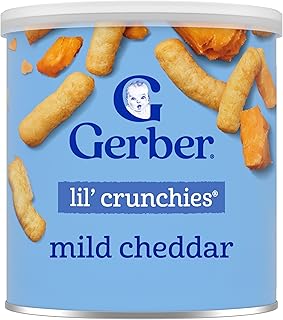
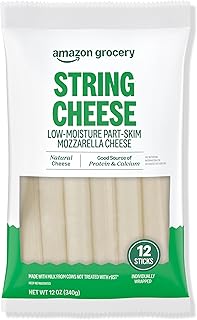


Age-Appropriate Introduction: Typically introduced around 8-10 months when babies can handle more solid foods
Introducing cheddar cheese to babies is a milestone in their dietary progression, typically occurring around 8 to 10 months of age. At this stage, babies have developed the ability to handle more solid foods, making it an appropriate time to introduce a variety of new textures and flavors. Cheddar cheese, with its distinct taste and firm texture, can be a beneficial addition to a baby's diet, providing essential nutrients like calcium, protein, and vitamins.
When introducing cheddar cheese to a baby, it's crucial to ensure that it is finely grated or thinly sliced to minimize the risk of choking. Start with small amounts, about a teaspoon or two, and gradually increase the quantity as the baby becomes accustomed to the taste and texture. It's also advisable to introduce cheddar cheese in combination with other familiar foods to make the transition smoother.
Monitoring the baby's reaction to cheddar cheese is essential, as some babies may have sensitivities or allergies to dairy products. Signs of an allergic reaction include skin rashes, digestive issues, or respiratory difficulties. If any of these symptoms occur, it's important to consult with a pediatrician immediately.
In terms of nutritional benefits, cheddar cheese is a good source of calcium, which is vital for the development of strong bones and teeth. It also contains protein, which supports muscle growth and repair, and vitamins like vitamin A, which is important for vision and immune function. However, it's important to note that cheddar cheese is also high in fat and sodium, so it should be introduced in moderation as part of a balanced diet.
Overall, introducing cheddar cheese to babies around 8 to 10 months of age can be a positive step in their dietary development, providing essential nutrients and expanding their palate. However, it's crucial to introduce it carefully, monitor for any adverse reactions, and ensure that it is part of a well-rounded diet.
Explore related products


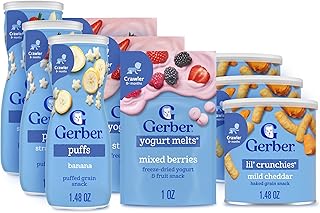

Potential Allergies: Watch for signs of dairy allergies, such as rash, diarrhea, or vomiting, after introducing cheddar cheese
Introducing cheddar cheese to a baby's diet can be a significant milestone, but it's crucial to be vigilant about potential dairy allergies. Allergic reactions to dairy products like cheddar cheese can manifest in various ways, and recognizing these signs early is key to ensuring your baby's health and safety.
One of the most common indicators of a dairy allergy is a skin rash. This may appear as red, itchy patches on your baby's face, neck, or other areas of the body. In some cases, the rash may be accompanied by swelling or hives. Another telltale sign is gastrointestinal distress, which can include symptoms like diarrhea, vomiting, or abdominal pain. These reactions typically occur within minutes to hours after consuming the allergen.
In more severe cases, a dairy allergy can lead to respiratory issues, such as wheezing, coughing, or difficulty breathing. Anaphylaxis, a life-threatening allergic reaction, is rare but can occur. Symptoms of anaphylaxis include rapid breathing, a drop in blood pressure, and swelling of the throat or tongue. If you suspect anaphylaxis, it's essential to seek immediate medical attention.
To minimize the risk of an allergic reaction, it's recommended to introduce cheddar cheese gradually and in small amounts. Start with a tiny piece, about the size of a pea, and monitor your baby closely for any signs of an adverse reaction. If no symptoms appear, you can slowly increase the amount over several days or weeks.
It's also important to note that some babies may have a lactose intolerance rather than a dairy allergy. Lactose intolerance occurs when the body doesn't produce enough lactase, an enzyme needed to digest lactose, the sugar found in milk and dairy products. Symptoms of lactose intolerance can include bloating, gas, and diarrhea, but they are typically less severe than those of a dairy allergy.
In conclusion, while cheddar cheese can be a nutritious addition to a baby's diet, it's crucial to watch for signs of dairy allergies or lactose intolerance. By introducing it gradually and monitoring your baby's response, you can help ensure a safe and healthy eating experience.
Explore related products


Choking Hazards: Ensure the cheese is finely grated or cut into small, manageable pieces to prevent choking risks
When introducing solid foods to infants, it's crucial to consider the texture and size of the food to minimize choking hazards. For cheese, especially harder varieties like cheddar, ensuring it's finely grated or cut into small, manageable pieces is essential. This precaution helps prevent large chunks from obstructing an infant's airway, which can be particularly dangerous given their underdeveloped swallowing and breathing mechanisms.
To properly prepare cheddar cheese for a baby, start by selecting a high-quality, full-fat cheddar cheese. Then, use a fine grater or a sharp knife to cut the cheese into very small pieces. The goal is to create pieces that are no larger than a grain of rice, as this size is less likely to pose a choking risk. Additionally, you can mix the grated cheese with other soft, easily digestible foods to further reduce the risk of choking and to introduce a variety of textures and flavors to your baby's diet.
It's also important to supervise your baby closely when they are eating foods that could potentially be a choking hazard. Sit with them during meal times, and be prepared to intervene if necessary. Teach your baby to chew food thoroughly before swallowing, and encourage them to take small bites. If your baby shows signs of choking, such as gagging, coughing, or difficulty breathing, seek medical attention immediately.
In summary, while cheddar cheese can be a nutritious addition to a baby's diet, it's essential to take precautions to prevent choking hazards. By finely grating or cutting the cheese into small pieces, supervising meal times, and teaching your baby safe eating habits, you can help ensure that they enjoy the benefits of cheese without the risks.
Explore related products


Moderation Key: While nutritious, cheddar cheese should be given in moderation due to its high fat and sodium content
Cheddar cheese, a popular dairy product, is often a topic of discussion when it comes to infant nutrition. While it is a good source of protein, calcium, and vitamins, its high fat and sodium content make it a food that should be introduced with caution. The American Academy of Pediatrics recommends that children under the age of 12 months should not consume cheese due to the risk of choking and the potential for an allergic reaction. However, for older infants and toddlers, cheddar cheese can be a nutritious addition to their diet when given in moderation.
When introducing cheddar cheese to an infant's diet, it is important to start with small amounts and monitor for any signs of an allergic reaction, such as rash, vomiting, or diarrhea. It is also crucial to choose a low-sodium variety of cheddar cheese to minimize the risk of excessive sodium intake. The high fat content of cheddar cheese can be beneficial for brain development, but it is important to balance this with other sources of healthy fats, such as avocado and nuts.
One practical tip for incorporating cheddar cheese into an infant's diet is to grate it finely and mix it with other foods, such as mashed potatoes or vegetables. This not only makes it easier for the infant to chew and swallow but also helps to distribute the fat and sodium content more evenly. It is also important to avoid giving infants large chunks of cheese, as this can pose a choking hazard.
In conclusion, while cheddar cheese can be a nutritious addition to an infant's diet, it is important to introduce it with caution and in moderation. By following these guidelines and monitoring for any signs of an allergic reaction or choking hazard, parents can safely incorporate cheddar cheese into their child's diet.
Frequently asked questions
Yes, cheddar cheese is generally safe for babies to consume, but it should be introduced gradually and in moderation. It's important to ensure that the cheese is pasteurized to minimize the risk of foodborne illnesses.
Babies can typically start eating cheddar cheese around 6 months of age, but it's recommended to consult with a pediatrician first. The cheese should be finely grated or thinly sliced to reduce the risk of choking.
Cheddar cheese is a good source of calcium, protein, and vitamins, which are essential for a baby's growth and development. It can also help introduce a variety of flavors and textures to a baby's diet, promoting healthy eating habits.