Frederic Melton
Cheddar cheese, a popular variety known for its sharp flavor and firm texture, is traditionally made using rennet, an enzyme complex derived from the stomach lining of ruminant mammals. Rennet is used to coagulate the milk, separating it into curds and whey. However, with the rise of vegetarian and vegan diets, there has been an increasing demand for rennet-free cheese alternatives. Some manufacturers now produce cheddar cheese using microbial or fungal rennet, which are suitable for vegetarians. It's important to check the label or contact the manufacturer to confirm whether a specific brand of cheddar cheese is rennet-free.
Explore related products

![Creamery Extra Sharp Naturally Aged Cheddar Cheese , Extra sharp cheddar , Lactose-free , Gluten-free , Owned by cooperative of farmers , Fresh pasteurized milk, cheese cultures, salt, and enzymes , [ 24 oz , 1.5 lb ]](https://m.media-amazon.com/images/I/61eUA5v-TBL._AC_UL320_.jpg)


What You'll Learn

What is rennet?
Rennet is a complex set of enzymes produced in the stomachs of ruminant mammals. It is used widely in the dairy industry for cheese-making as it causes milk to coagulate, separating into curds and whey. Rennet typically contains the enzyme chymosin, which is primarily responsible for this process. Traditionally, rennet was derived from the stomach lining of calves, but modern rennet can also be produced through microbial fermentation or genetically engineered processes, making it suitable for vegetarians.
In the context of cheddar cheese, rennet plays a crucial role in its production. Cheddar cheese is known for its firm texture and sharp flavor, which are achieved through the coagulation and subsequent processing of milk using rennet. The curds formed by rennet are then cut, stirred, and heated to create the characteristic texture of cheddar. Rennet-free alternatives to cheddar cheese do exist, often made using microbial or fungal coagulants instead of animal-derived rennet, catering to those who avoid animal products or follow specific dietary restrictions.
The use of rennet in cheddar cheese production raises questions about the suitability of this cheese for vegetarians and vegans. Traditional cheddar cheese made with animal-derived rennet is not considered vegetarian, let alone vegan. However, with the advent of microbial and genetically engineered rennet, it has become possible to produce vegetarian and vegan cheddar cheese alternatives that closely mimic the taste and texture of traditional cheddar.
For individuals looking to avoid rennet in their diet, it is essential to read labels carefully and look for certifications indicating that the cheese is rennet-free or suitable for vegetarians and vegans. Additionally, some artisanal cheese-makers may use traditional methods with animal-derived rennet, so it is crucial to inquire about the production process when purchasing cheese from local producers or specialty shops.
In summary, rennet is a vital component in the production of cheddar cheese, responsible for the coagulation of milk into curds and whey. While traditional cheddar cheese made with animal-derived rennet is not suitable for vegetarians or vegans, modern alternatives using microbial or genetically engineered rennet provide options for those following plant-based diets. Careful label reading and inquiry into production methods are necessary to ensure that the cheese consumed aligns with individual dietary preferences and restrictions.
Navigating IBS Dietary Restrictions: Is Cheddar Cheese a Safe Choice?
You may want to see also
Explore related products


Traditional cheddar cheese production
Once the curds have formed, they are cut into small pieces and stirred gently to release excess whey. The curds are then molded into blocks and pressed to expel any remaining whey. After pressing, the cheese is left to age in a controlled environment, where it develops its characteristic flavor and texture. The aging process can take anywhere from a few months to several years, depending on the desired level of maturity.
Throughout the production process, careful attention is paid to factors such as temperature, humidity, and pH levels to ensure the cheese develops properly. Traditional cheddar cheese production is a labor-intensive process that requires skilled artisans to monitor and adjust conditions as needed. The result is a rich, flavorful cheese that is prized for its quality and taste.
In the context of whether cheddar cheese is rennet-free, traditional production methods do utilize rennet. However, as mentioned earlier, modern alternatives are available for those who prefer vegetarian options. These alternatives do not affect the overall quality or taste of the cheese, making it possible to enjoy cheddar cheese without compromising dietary preferences.
Navigating Dairy with Kidney Disease: Is Cheddar Cheese Safe?
You may want to see also
Explore related products


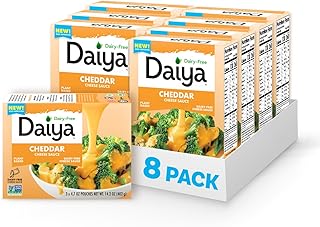
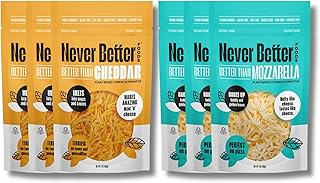
Vegetarian and vegan cheddar alternatives
For individuals seeking vegetarian and vegan cheddar alternatives, the market offers a variety of options that cater to different dietary preferences and restrictions. One popular choice is nutritional yeast, which provides a cheesy flavor and is often used as a topping for popcorn, pasta, and salads. Another option is vegan cheese made from plant-based ingredients such as soy, almonds, or cashews. These cheeses can be found in various forms, including slices, shreds, and blocks, and are suitable for melting or grating.
When exploring vegetarian and vegan cheddar alternatives, it's essential to consider the ingredients and production methods. Some vegan cheeses may contain additives or preservatives, so it's crucial to read labels carefully. Additionally, the taste and texture of these alternatives can vary significantly, so experimentation may be necessary to find the best option for individual preferences.
One unique angle to consider when discussing vegetarian and vegan cheddar alternatives is the impact on the environment. The production of plant-based cheeses generally has a lower carbon footprint compared to traditional dairy cheese, making it a more sustainable choice. Furthermore, the use of alternative ingredients can help reduce the demand for dairy products, which can contribute to the welfare of animals and the preservation of natural resources.
In conclusion, vegetarian and vegan cheddar alternatives provide a range of options for those looking to reduce their consumption of animal products or adopt a plant-based diet. By considering factors such as ingredients, production methods, and environmental impact, individuals can make informed choices that align with their values and preferences.
The Truth About Cheddar: Is It a Processed Food?
You may want to see also
Explore related products



![Horseradish NY State Cheddar Cheese, No artificial preservatives, colors or flavors, No fillers or extenders, Gluten free, Fully cooked [ 24 oz, 1.5 pound ]](https://m.media-amazon.com/images/I/51cl8rYhktL._AC_UL320_.jpg)

Checking labels for rennet-free options
To determine if cheddar cheese is rennet-free, one of the most reliable methods is to carefully examine the product labels. Rennet is an enzyme complex traditionally derived from the stomach lining of calves, used in the cheese-making process to coagulate milk. However, with the rise of vegetarian and vegan diets, many cheese manufacturers now offer rennet-free alternatives. When checking labels, look for explicit statements such as "rennet-free," "vegetarian," or "vegan." These labels indicate that the cheese has been made using alternative coagulating agents, such as microbial or fungal rennet, which are suitable for those avoiding animal products.
It's important to note that some cheeses may not explicitly state "rennet-free" but could still be suitable for vegetarians or vegans. In such cases, it's advisable to contact the manufacturer directly to inquire about their production methods. Additionally, certain certifications, such as the "Vegetarian Society Approved" mark, can provide assurance that the cheese meets specific standards for vegetarian consumption.
When shopping for rennet-free cheddar cheese, it's also helpful to familiarize yourself with common brands that offer these options. Many grocery stores now carry a variety of vegetarian and vegan cheeses, including cheddar alternatives. By researching and making a list of trusted brands, you can streamline the process of finding rennet-free options.
In summary, checking labels for rennet-free options involves a combination of careful reading, understanding labeling conventions, and potentially reaching out to manufacturers for clarification. By doing so, consumers can make informed choices that align with their dietary preferences and restrictions.
Unveiling the Nutritional Truth: Is Cheddar Cheese Powder Healthy?
You may want to see also
Explore related products




![Cheddar Slices, deliver that craveable cheesy experience but without any dairy, lactose, gluten, soy, nuts, preservatives. So go wild - your sandwich options know no limits. 1 pk ( 20 slices ) , [ 14 .1 oz , 0.88 lb ]](https://m.media-amazon.com/images/I/41nqcP6Qs3L._AC_UL320_.jpg)
Health implications of rennet consumption
Rennet, a complex set of enzymes derived from the stomach lining of ruminant mammals, is traditionally used in cheese-making to coagulate milk. While it plays a crucial role in the production of many cheeses, including cheddar, its consumption has raised health concerns among certain populations. One of the primary implications of rennet consumption is its potential impact on individuals with lactose intolerance or dairy allergies. Since rennet is derived from animal sources, it may contain traces of lactose, which can exacerbate symptoms in lactose-intolerant individuals. Moreover, some people may have specific allergies to the proteins found in rennet, leading to adverse reactions upon consumption.
Another health consideration related to rennet consumption is its association with certain dietary restrictions. Vegetarians and vegans often avoid rennet-containing cheeses due to their animal origins. Additionally, individuals following a kosher or halal diet may have concerns about the source and processing of rennet, as it must adhere to specific religious dietary laws. In recent years, the development of microbial and fungal rennet alternatives has provided options for those with dietary restrictions, allowing them to enjoy cheese without compromising their beliefs or health.
Furthermore, the use of rennet in cheese production has implications for public health, particularly in the context of food safety and regulation. Traditional rennet, if not properly sourced and processed, can potentially harbor pathogens or contaminants that may pose risks to consumers. As a result, regulatory bodies in many countries have implemented strict guidelines for the production and use of rennet to ensure food safety. Modern cheese-making practices often involve the use of pasteurized milk and rennet, as well as adherence to Good Manufacturing Practices (GMPs), to minimize the risk of foodborne illnesses.
In conclusion, while rennet is an essential component in the production of many cheeses, its consumption is not without health implications. Individuals with lactose intolerance, dairy allergies, or specific dietary restrictions should be aware of the potential risks associated with rennet-containing cheeses. The development of alternative rennet sources has provided more inclusive options for cheese enthusiasts, while regulatory measures help ensure the safety of rennet-based products for all consumers.
Cheddar Cheese Consumption During Pregnancy: What You Need to Know
You may want to see also
Frequently asked questions
Traditional cheddar cheese is not rennet-free. Rennet, an enzyme complex derived from the stomach lining of ruminant mammals, is commonly used in the cheese-making process to coagulate milk. However, there are vegetarian and vegan alternatives available that use microbial or fungal rennet substitutes.
There are several alternatives to traditional animal-derived rennet that can be used to make cheddar cheese. These include microbial rennet, which is produced by bacteria, and fungal rennet, derived from certain types of fungi. Both of these alternatives are suitable for vegetarians and vegans.
To identify if a cheddar cheese is rennet-free, you should look for labels or packaging that explicitly state "rennet-free," "vegetarian," or "vegan." Additionally, you can contact the manufacturer directly to inquire about the rennet used in their cheese-making process.