Bushra Griffith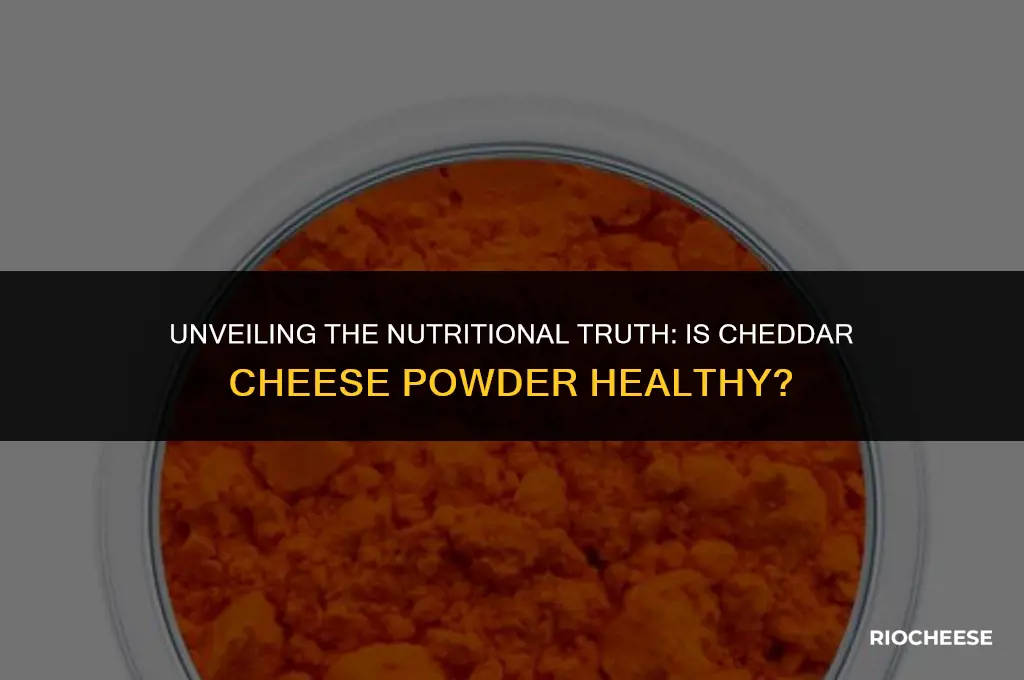
Cheddar cheese powder, a popular ingredient in various culinary applications, has sparked curiosity regarding its health implications. This finely ground, dehydrated form of cheddar cheese is often used to enhance the flavor of dishes, snacks, and sauces. However, its nutritional profile and potential health effects are subjects of ongoing debate. Some proponents argue that it retains the beneficial nutrients found in whole cheddar cheese, such as protein, calcium, and vitamins, while others express concerns about its high sodium content, potential additives, and the impact of processing on its nutritional value. As we delve into the topic, we will explore the complex relationship between cheddar cheese powder and health, examining both its potential benefits and drawbacks.
Explore related products


What You'll Learn
- Nutritional Content: Cheddar cheese powder is rich in protein, calcium, and vitamins A and B12
- Fat and Calorie Content: It is high in saturated fat and calories, which can contribute to weight gain if consumed excessively
- Sodium Levels: Cheddar cheese powder often contains high levels of sodium, which may be a concern for those with high blood pressure
- Additives and Preservatives: Some brands may contain artificial additives and preservatives, which can be harmful to health
- Comparison to Whole Cheese: While it offers some nutritional benefits, whole cheese is generally considered a healthier option due to its lower processing level

Nutritional Content: Cheddar cheese powder is rich in protein, calcium, and vitamins A and B12
Cheddar cheese powder boasts a nutritional profile that can contribute positively to a balanced diet. It is an excellent source of protein, which is essential for muscle repair and growth. Additionally, it is rich in calcium, a mineral crucial for maintaining strong bones and teeth. Vitamins A and B12 are also present in significant amounts, supporting immune function and nerve health, respectively.
One of the key benefits of cheddar cheese powder is its versatility in culinary applications. It can be easily incorporated into a variety of dishes, from sauces and soups to casseroles and baked goods, enhancing both flavor and nutritional value. This makes it a convenient option for individuals looking to increase their intake of essential nutrients without compromising on taste.
However, it is important to note that moderation is key when consuming cheddar cheese powder. While it does offer several health benefits, it is also high in calories and fat. Overconsumption can lead to weight gain and other health issues. Therefore, it is recommended to use it as a seasoning or ingredient in moderation, rather than as a primary food source.
In conclusion, cheddar cheese powder can be a healthy addition to one's diet when consumed in moderation. Its rich nutritional content, including protein, calcium, and vitamins A and B12, makes it a valuable ingredient for those looking to enhance their meals both in terms of flavor and nutritional value. By incorporating it thoughtfully into a balanced diet, individuals can reap the health benefits it offers while minimizing potential drawbacks.
Cheddar Cheese on Carnivore Diet: A Nutritional Analysis
You may want to see also
Explore related products


Fat and Calorie Content: It is high in saturated fat and calories, which can contribute to weight gain if consumed excessively
Cheddar cheese powder, while a convenient and flavorful addition to many dishes, is notably high in saturated fat and calories. This nutritional profile can contribute to weight gain if consumed excessively. It's essential to understand the implications of these nutritional facts to make informed dietary choices.
Saturated fat, a type of fat found in many animal products, including cheese, has been linked to increased levels of LDL cholesterol, often referred to as "bad" cholesterol. High LDL levels can contribute to the buildup of plaque in arteries, potentially leading to heart disease and stroke. The American Heart Association recommends limiting saturated fat intake to less than 6% of total daily calories.
In terms of calorie content, cheddar cheese powder is dense, meaning a small amount can add a significant number of calories to a meal. For individuals watching their calorie intake, this can be a concern, especially if they are trying to maintain or lose weight. It's crucial to be mindful of portion sizes and to balance high-calorie foods with lower-calorie options to maintain a healthy diet.
Moreover, the convenience of cheddar cheese powder can lead to overconsumption. It's easy to sprinkle extra powder on dishes without realizing the added fat and calories. To mitigate this, it's helpful to measure out portions and to use the powder sparingly, reserving it for dishes where its flavor is essential.
In summary, while cheddar cheese powder can be a tasty addition to meals, its high saturated fat and calorie content necessitate moderation. Being aware of portion sizes and balancing it with other nutritious, lower-calorie foods can help individuals enjoy its flavor without compromising their health goals.
Cheddar Cheese Consumption During Pregnancy: What You Need to Know
You may want to see also
Explore related products


Sodium Levels: Cheddar cheese powder often contains high levels of sodium, which may be a concern for those with high blood pressure
Cheddar cheese powder, a popular ingredient in many processed foods and a staple in some households, has been under scrutiny for its high sodium content. Sodium is an essential mineral for the body, but excessive intake can lead to high blood pressure, a condition that affects millions of people worldwide. For those managing hypertension, monitoring sodium intake is crucial, and cheddar cheese powder may be a significant contributor to their daily sodium consumption.
The sodium content in cheddar cheese powder can vary depending on the brand and the production process. However, it is generally high due to the nature of cheese powder, which is often made by dehydrating cheese and then adding salt to enhance flavor and preserve the product. This process can result in a concentrated source of sodium, making it a potential concern for those with high blood pressure.
Individuals with hypertension should be aware of the sodium content in the foods they consume, including cheddar cheese powder. Reading food labels and choosing products with lower sodium content can be an effective way to manage sodium intake. Additionally, incorporating more whole foods and fresh ingredients into one's diet can help reduce the reliance on processed foods that often contain high levels of sodium.
It is also important to note that the impact of sodium on blood pressure can vary among individuals. Some people may be more sensitive to the effects of sodium, while others may be able to tolerate higher levels without experiencing significant changes in their blood pressure. Consulting with a healthcare professional can provide personalized guidance on managing sodium intake and maintaining a healthy blood pressure.
In conclusion, while cheddar cheese powder can be a flavorful addition to many dishes, its high sodium content may be a concern for those with high blood pressure. Being mindful of sodium intake and making informed food choices can help individuals manage their condition and maintain overall health.
Cheddar Cheese Conundrum: Safe to Leave Out or Not?
You may want to see also
Explore related products




Additives and Preservatives: Some brands may contain artificial additives and preservatives, which can be harmful to health
Artificial additives and preservatives are often used in processed foods, including some brands of cheddar cheese powder, to enhance flavor, texture, and shelf life. However, these substances can have negative effects on health when consumed in excess. For example, artificial colors and flavors have been linked to hyperactivity and behavioral problems in children, while preservatives such as sodium nitrate and sodium nitrite have been associated with an increased risk of cancer.
To minimize the potential health risks associated with additives and preservatives in cheddar cheese powder, it is important to choose brands that use natural ingredients whenever possible. Look for products that are labeled as "organic" or "non-GMO," as these are more likely to be free from artificial additives. Additionally, consider making your own cheddar cheese powder at home using fresh, high-quality ingredients. This will allow you to control the ingredients and avoid any potentially harmful additives.
When shopping for cheddar cheese powder, be sure to read the ingredient label carefully. Avoid products that contain artificial colors, flavors, or preservatives. Instead, opt for brands that use natural ingredients such as annatto for color and natural flavorings. Additionally, consider choosing products that are low in sodium and fat, as these can also have negative effects on health when consumed in excess.
In conclusion, while cheddar cheese powder can be a convenient and tasty addition to many dishes, it is important to be aware of the potential health risks associated with artificial additives and preservatives. By choosing brands that use natural ingredients and making your own cheddar cheese powder at home, you can enjoy this delicious ingredient while minimizing the potential negative effects on your health.
Navigating IBS Dietary Restrictions: Is Cheddar Cheese a Safe Choice?
You may want to see also
Explore related products


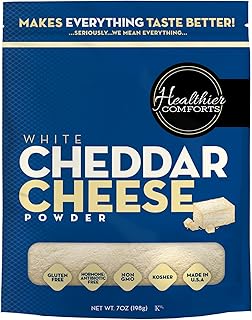
Comparison to Whole Cheese: While it offers some nutritional benefits, whole cheese is generally considered a healthier option due to its lower processing level
Whole cheese, in its various forms such as cheddar, mozzarella, or Swiss, is often regarded as a healthier alternative to its powdered counterpart. This perception is primarily due to the minimal processing involved in the production of whole cheese compared to cheese powder. The process of making cheese powder involves several steps, including drying and grinding, which can lead to a loss of some nutrients and the addition of preservatives or additives. In contrast, whole cheese retains more of its natural nutrients and typically contains fewer artificial ingredients.
One of the key nutritional benefits of whole cheese is its higher content of beneficial fats, proteins, and vitamins. For instance, whole cheese is a good source of conjugated linoleic acid (CLA), a type of fat that has been linked to various health benefits, including improved heart health and reduced inflammation. Additionally, whole cheese provides a more complete protein profile compared to cheese powder, which can be beneficial for muscle repair and growth.
Another advantage of whole cheese is its lower sodium content. Cheese powder often contains added salt to enhance flavor and preserve the product, which can contribute to higher sodium intake. Excessive sodium consumption is associated with an increased risk of hypertension and cardiovascular disease. By choosing whole cheese, individuals can enjoy the rich flavor of cheese while minimizing their sodium intake.
Furthermore, whole cheese is more satiating than cheese powder, which can aid in weight management. The combination of protein, fat, and fiber in whole cheese helps to keep individuals feeling fuller for longer periods, reducing the likelihood of overeating or snacking on unhealthy options. In contrast, cheese powder is often used as a flavor enhancer or topping, which can lead to increased calorie consumption without providing the same level of satiety.
In conclusion, while cheese powder can be a convenient and flavorful addition to various dishes, whole cheese is generally considered a healthier option due to its lower processing level, higher nutrient content, and potential health benefits. When making dietary choices, it is important to consider the nutritional value and processing methods of food products to make informed decisions that support overall health and well-being.
Navigating Nutrition: Is Cheddar Cheese a Fatty Liver Friend or Foe?
You may want to see also
Frequently asked questions
Cheddar cheese powder can be a flavorful addition to snacks, but its healthiness depends on the ingredients and portion sizes. It's often high in sodium and saturated fats, so moderation is key. Look for brands with fewer additives and lower sodium content for a healthier choice.
Cheddar cheese powder does offer some nutritional benefits. It's a good source of protein and calcium, which are essential for muscle and bone health. However, it's also high in calories, fat, and sodium, so it should be consumed in moderation as part of a balanced diet.
Compared to other cheese options, cheddar cheese powder tends to be higher in sodium and saturated fats due to the dehydration process. However, it can be a more convenient and shelf-stable option. For a healthier choice, consider opting for reduced-fat or low-sodium varieties, or using small amounts of freshly grated cheddar cheese.
Yes, cheddar cheese powder can be used in cooking to add flavor, but it's important to be mindful of the amount used. A little goes a long way, and using too much can significantly increase the sodium and fat content of a dish. Consider using it as a seasoning rather than a main ingredient to keep the nutritional balance in check.
There are several healthier alternatives to cheddar cheese powder. One option is to use nutritional yeast, which has a cheesy flavor and is low in fat and sodium. Another alternative is to make your own cheese powder using reduced-fat cheddar cheese and a food processor. This allows you to control the ingredients and portion sizes, making it a healthier option.