Andy Montoya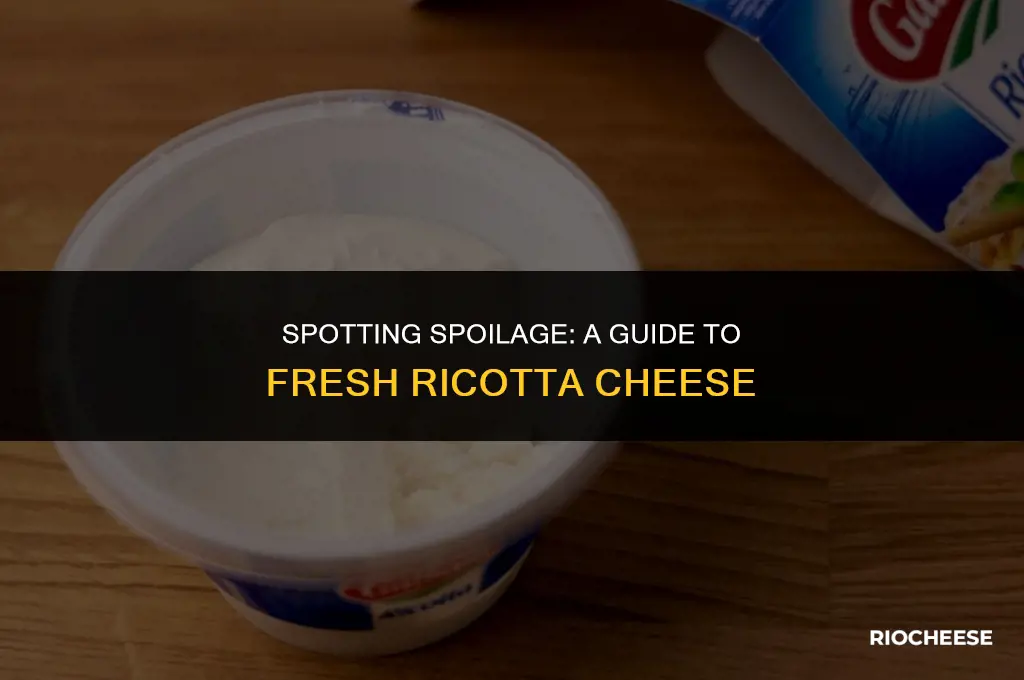
Ricotta cheese, known for its creamy texture and mild flavor, is a versatile ingredient used in various culinary applications, from pasta dishes to desserts. However, like all dairy products, ricotta cheese can spoil over time, making it crucial to recognize the signs of spoilage to ensure food safety and maintain the quality of your recipes. In this guide, we'll explore the key indicators that ricotta cheese has gone bad, helping you make informed decisions about when to discard or consume this beloved cheese.
Explore related products




What You'll Learn
- Expiration Date Check: Look at the expiration date on the package. If it's past, the cheese is likely bad
- Mold and Discoloration: Inspect the cheese for any mold or unusual discoloration. These are signs of spoilage
- Texture Changes: Feel the cheese's texture. If it's grainy, slimy, or has separated, it's probably spoiled
- Odor Test: Smell the cheese. A strong, unpleasant odor indicates that it has gone bad
- Taste Test: If unsure, taste a small amount. Bad ricotta will have an off flavor or be sour

Expiration Date Check: Look at the expiration date on the package. If it's past, the cheese is likely bad
The expiration date on a package of ricotta cheese serves as a critical indicator of its freshness and safety. Manufacturers assign this date based on the expected shelf life of the product, considering factors such as the production process, packaging, and storage conditions. When evaluating whether ricotta cheese is still good to consume, checking the expiration date should be the first step. If the date has passed, it is generally advisable to discard the cheese, as it may have begun to spoil, potentially leading to foodborne illness.
However, it is essential to note that the expiration date is not an absolute measure of the cheese's quality. In some cases, ricotta cheese may still be safe to eat for a short period after the expiration date if it has been stored properly. Proper storage involves keeping the cheese refrigerated at a consistent temperature below 40°F (4°C) and ensuring that the package remains sealed to prevent contamination. If the cheese has been stored under these conditions and the expiration date has only recently passed, it may still be acceptable to use it, provided there are no other signs of spoilage.
To determine if the ricotta cheese is bad, it is crucial to examine it for any visible or olfactory signs of spoilage. Look for mold, discoloration, or an off smell, which are clear indicators that the cheese should be discarded. Additionally, if the cheese has become overly dry or crumbly, it may have passed its prime and should not be consumed.
In summary, while the expiration date is a valuable tool for assessing the freshness of ricotta cheese, it should not be the sole determining factor. Proper storage and careful examination for signs of spoilage are also essential steps in ensuring that the cheese is safe and enjoyable to eat. By following these guidelines, consumers can make informed decisions about the quality of their ricotta cheese and minimize the risk of foodborne illness.
Unraveling the Cheese Conundrum: PCOS and Dairy Dilemma
You may want to see also
Explore related products


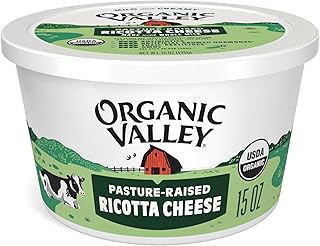


Mold and Discoloration: Inspect the cheese for any mold or unusual discoloration. These are signs of spoilage
Mold and discoloration are critical indicators that ricotta cheese has spoiled. Upon inspecting the cheese, look for any visible mold growth, which can appear as fuzzy patches or spots of various colors, including green, white, or black. These molds can produce harmful mycotoxins, making the cheese unsafe to consume. In addition to mold, any unusual discoloration of the cheese, such as yellowing or browning, can also signal spoilage. This discoloration may be due to the breakdown of the cheese's proteins and fats, or it could be a result of bacterial contamination.
To properly inspect the cheese, ensure that you are in a well-lit area and use a clean, sharp knife to cut into the cheese if necessary, to check for any internal discoloration or mold. It is important to note that some types of cheese, like aged varieties, may naturally have a stronger color or more pronounced veins, so it is crucial to be familiar with the typical appearance of fresh ricotta cheese. If you notice any off-odors accompanying the discoloration or mold, this is another strong indicator that the cheese has gone bad.
When dealing with moldy or discolored cheese, it is best to err on the side of caution and discard the product. Consuming spoiled cheese can lead to foodborne illnesses, which can range from mild to severe, depending on the type and amount of bacteria or mold ingested. To prevent spoilage, it is essential to store ricotta cheese properly, keeping it refrigerated at a consistent temperature and consuming it within a reasonable timeframe after purchase.
In summary, mold and discoloration are clear signs that ricotta cheese has spoiled and should not be consumed. Regular inspection of the cheese, proper storage, and awareness of the typical appearance of fresh ricotta can help prevent the consumption of spoiled products and reduce the risk of foodborne illnesses.
The Shelf Life of Parmigiano Reggiano: Does It Go Bad?
You may want to see also
Explore related products


Texture Changes: Feel the cheese's texture. If it's grainy, slimy, or has separated, it's probably spoiled
The texture of ricotta cheese is a critical indicator of its freshness and quality. When assessing whether ricotta cheese has gone bad, it's essential to pay close attention to any changes in its texture. Fresh ricotta cheese should have a smooth, creamy consistency that is neither too firm nor too runny. If you notice any deviations from this ideal texture, it may be a sign that the cheese has spoiled.
One common texture change in spoiled ricotta cheese is graininess. This can occur when the cheese has been left out at room temperature for too long or has been improperly stored. The graininess may be accompanied by a slight discoloration or an off-odor, which are also indicators of spoilage. In such cases, it's best to discard the cheese to avoid any potential health risks.
Another texture change to watch out for is sliminess. This can happen when the cheese has been contaminated with bacteria or mold, causing it to break down and become overly moist. Slimy ricotta cheese may also have a strong, unpleasant odor and should be thrown away immediately.
Separation is another sign of spoilage in ricotta cheese. When the cheese has separated, you may notice that the liquid has pooled at the bottom of the container, leaving a dry, crumbly solid behind. This separation can occur due to improper storage or handling, and it's a clear indication that the cheese is no longer safe to consume.
To prevent these texture changes and ensure that your ricotta cheese remains fresh, it's important to store it properly. Keep the cheese refrigerated at a temperature of 40°F (4°C) or below, and consume it within 1-2 weeks of purchase. If you notice any signs of spoilage, such as graininess, sliminess, or separation, discard the cheese immediately to avoid any potential health risks.
The Shelf Life of Ricotta: Does It Really Go Bad?
You may want to see also
Explore related products


Odor Test: Smell the cheese. A strong, unpleasant odor indicates that it has gone bad
The odor test is a crucial method for determining whether ricotta cheese has spoiled. When ricotta cheese begins to deteriorate, it emits a strong, unpleasant odor that is distinctly different from its fresh, mild scent. This change in smell is a clear indicator that the cheese has gone bad and should not be consumed.
To perform the odor test, start by removing the ricotta cheese from its container and bringing it to room temperature. This will allow the aroma to become more pronounced, making it easier to detect any off-odors. Next, take a deep breath and smell the cheese directly. Fresh ricotta cheese should have a slightly sweet, creamy aroma. If the cheese emits a sour, ammonia-like, or moldy smell, it is a sign that the cheese has spoiled.
It is important to note that the odor test is not foolproof. In some cases, ricotta cheese may still have a pleasant aroma even if it has begun to spoil. Therefore, it is always recommended to combine the odor test with other methods, such as the visual inspection and texture test, to ensure that the cheese is safe to eat.
When storing ricotta cheese, it is essential to keep it in a tightly sealed container in the refrigerator. This will help to prevent the growth of bacteria and mold, which can cause the cheese to spoil more quickly. Additionally, it is important to consume ricotta cheese within a few days of opening, as it can deteriorate rapidly once exposed to air.
In conclusion, the odor test is a simple yet effective way to determine whether ricotta cheese has gone bad. By smelling the cheese and looking for any strong, unpleasant odors, you can quickly identify spoiled cheese and avoid consuming it. Remember to always combine the odor test with other methods for the most accurate results, and to store your ricotta cheese properly to extend its shelf life.
The Truth About Brie: Does This Creamy Cheese Really Smell Bad?
You may want to see also
Explore related products


Taste Test: If unsure, taste a small amount. Bad ricotta will have an off flavor or be sour
The taste test is a crucial step in determining the freshness of ricotta cheese. When in doubt, a small taste can reveal whether the cheese has gone bad. Bad ricotta will typically have an off flavor, which can range from a slight tanginess to a strong, unpleasant sourness. This off flavor is often accompanied by a change in texture, where the cheese may become grainy or develop an unappetizing sliminess.
To conduct a taste test, start by taking a small spoonful of the ricotta cheese. Allow it to sit on your tongue for a moment, and then swallow. Fresh ricotta should have a mild, creamy flavor with a smooth texture. If you detect any unusual or strong flavors, it's a sign that the cheese may be past its prime. Additionally, if the cheese feels gritty or slimy in your mouth, it's likely that it has started to spoil.
It's important to note that the taste test should only be used as a last resort when other methods of checking for spoilage have been inconclusive. Always prioritize visual and olfactory cues, such as mold growth or an off smell, as these can be more reliable indicators of spoilage. However, in cases where these cues are absent or ambiguous, a taste test can provide a definitive answer.
When performing a taste test, it's crucial to use a clean spoon and to avoid cross-contamination with other foods. Additionally, be sure to discard any cheese that you suspect may be bad, even if the taste test is inconclusive. It's always better to err on the side of caution when it comes to food safety.
In summary, the taste test is a useful tool for determining the freshness of ricotta cheese. By following these simple steps and using your senses to evaluate the cheese's flavor and texture, you can quickly and easily identify whether it's safe to consume. Remember to always prioritize food safety and to discard any cheese that you suspect may be spoiled.
The Shelf Life Saga: Does Babybel Cheese Go Bad?
You may want to see also
Frequently asked questions
Ricotta cheese can spoil quickly, so it's important to check for signs of spoilage before consuming it. Here are some ways to tell if ricotta cheese is bad:
Spoiled ricotta cheese may exhibit the following signs:
Ricotta cheese typically lasts for about 2 to 3 weeks when stored properly in the refrigerator. However, this can vary depending on the specific brand and production date.
Yes, you can freeze ricotta cheese to extend its shelf life. However, the texture may change slightly upon thawing, becoming slightly grainy or crumbly. To freeze ricotta cheese, transfer it to an airtight container or freezer bag, label it with the date, and store it in the freezer for up to 3 months. Thaw it in the refrigerator overnight before using.