Andy Montoya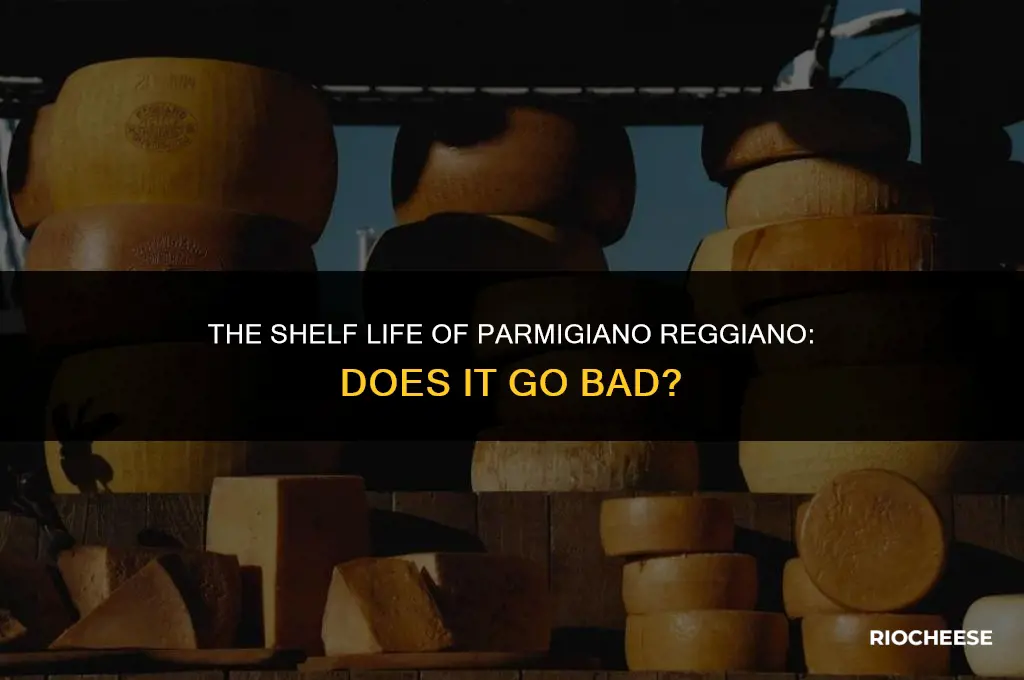
Parmigiano Reggiano, a renowned Italian hard cheese, is celebrated for its rich flavor and versatility in culinary applications. However, like all food products, it does have a shelf life. Understanding whether and how Parmigiano Reggiano cheese goes bad is essential for consumers who wish to enjoy its quality and avoid food waste. This cheese is typically aged for a minimum of 12 months, which contributes to its distinctive taste and texture. Proper storage is crucial to maintaining its quality after purchase.
Explore related products



What You'll Learn
- Shelf Life: Understanding the typical shelf life of Parmigiano Reggiano cheese and factors affecting it
- Storage Conditions: Optimal storage methods to preserve the quality and longevity of Parmigiano Reggiano cheese
- Signs of Spoilage: Recognizing visual, olfactory, and textural indicators that Parmigiano Reggiano cheese has gone bad
- Health Risks: Potential health risks associated with consuming spoiled Parmigiano Reggiano cheese
- Usage Tips: Creative ways to use Parmigiano Reggiano cheese before it spoils, including recipes and culinary suggestions

Shelf Life: Understanding the typical shelf life of Parmigiano Reggiano cheese and factors affecting it
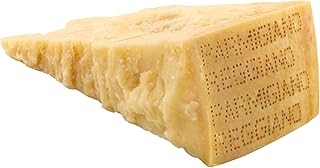
Parmigiano Reggiano cheese, renowned for its rich flavor and versatility in culinary applications, has a typical shelf life that can vary based on several factors. Understanding these factors is crucial for both consumers and retailers to ensure the cheese is enjoyed at its best quality and to minimize waste.
The shelf life of Parmigiano Reggiano primarily depends on its age at the time of purchase and the storage conditions thereafter. Younger cheeses, typically less than 12 months old, have a shorter shelf life compared to older, more aged varieties. The aging process not only enhances the flavor but also increases the cheese's longevity. Proper storage is essential to maintain the cheese's quality; it should be kept in a cool, dry place, ideally in a cheese cellar or a specialized cheese storage container in the refrigerator. Exposure to high temperatures, humidity, and direct sunlight can accelerate the deterioration process.
Another critical factor affecting the shelf life is the cheese's exposure to air. Once opened, Parmigiano Reggiano should be wrapped tightly in plastic wrap or aluminum foil to prevent air from reaching the cheese, which can lead to mold growth and spoilage. For optimal freshness, it's recommended to consume the cheese within a few weeks of opening. However, if stored properly, unopened Parmigiano Reggiano can last for several months past its sell-by date.
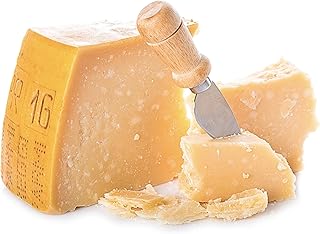
It's also important to note that the appearance and smell of the cheese can provide clues about its freshness. Fresh Parmigiano Reggiano should have a firm texture, a slightly granular surface, and a rich, nutty aroma. If the cheese develops a strong, unpleasant odor, mold, or a slimy texture, it's a sign that it has gone bad and should not be consumed.
In summary, the shelf life of Parmigiano Reggiano cheese is influenced by its age, storage conditions, and exposure to air. By understanding these factors and following proper storage guidelines, one can extend the cheese's shelf life and enjoy its superior taste for a longer period.
The Pungent Truth: Unraveling the Mystery of Limburger Cheese's Odor
You may want to see also
Explore related products



Storage Conditions: Optimal storage methods to preserve the quality and longevity of Parmigiano Reggiano cheese
Parmigiano Reggiano cheese, renowned for its rich flavor and granular texture, requires specific storage conditions to maintain its quality over time. Unlike softer cheeses, Parmigiano Reggiano is a hard cheese with a low moisture content, which makes it more resistant to spoilage but still susceptible to quality degradation if not stored properly.
The optimal storage method for Parmigiano Reggiano involves keeping it in a cool, dry place with a consistent temperature between 50°F and 60°F (10°C and 15°C). Fluctuations in temperature can cause the cheese to expand and contract, leading to cracks and a loss of flavor. It's essential to protect the cheese from direct sunlight and sources of heat, as these can accelerate the aging process and cause the cheese to become overly dry or develop an off-flavor.
Humidity control is also crucial for preserving Parmigiano Reggiano. The ideal humidity level is around 50%, which helps to prevent the cheese from drying out while also inhibiting the growth of mold and bacteria. If the humidity is too low, the cheese may become brittle and lose its characteristic texture. Conversely, if the humidity is too high, it can lead to mold growth and spoilage.
When storing Parmigiano Reggiano, it's best to wrap it in a breathable material like cheese paper or a loosely woven cloth. This allows air to circulate around the cheese, preventing moisture buildup and the development of mold. It's also advisable to store the cheese in a separate compartment or drawer in the refrigerator to avoid cross-contamination with other foods.
In summary, to preserve the quality and longevity of Parmigiano Reggiano cheese, it's essential to store it in a cool, dry place with consistent temperature and humidity levels. Proper wrapping and storage techniques can help to prevent spoilage and ensure that the cheese retains its distinctive flavor and texture for as long as possible.
The Shelf Life of Cheese Sticks: A Comprehensive Guide
You may want to see also
Explore related products



Signs of Spoilage: Recognizing visual, olfactory, and textural indicators that Parmigiano Reggiano cheese has gone bad
Parmigiano Reggiano cheese, renowned for its rich flavor and long shelf life, can indeed spoil if not stored properly. Recognizing the signs of spoilage is crucial to ensure food safety and maintain the quality of this premium cheese. Visual indicators of spoilage may include mold growth, which can appear as green, white, or black spots on the cheese's surface. Olfactory cues are also important; a spoiled Parmigiano Reggiano may emit a strong, unpleasant odor that differs from its typical nutty and savory aroma. Texturally, the cheese may become slimy or develop a soft, mushy consistency, which is a clear sign that it has gone bad.
To prevent spoilage, it's essential to store Parmigiano Reggiano in a cool, dry place, ideally in a cheese cave or a refrigerator's crisper drawer. The cheese should be wrapped in wax paper or aluminum foil to protect it from moisture and other contaminants. It's also advisable to consume the cheese within a reasonable timeframe after purchase, as its quality may decline over time even if it doesn't spoil.
In summary, recognizing the signs of spoilage in Parmigiano Reggiano cheese involves observing visual changes such as mold growth, noting olfactory cues like an off smell, and checking for textural alterations like sliminess or softness. Proper storage and timely consumption are key to preventing spoilage and enjoying the cheese at its best.
The Surprising Truth About Macaroni and Cheese's Health Impact
You may want to see also
Explore related products


Health Risks: Potential health risks associated with consuming spoiled Parmigiano Reggiano cheese
Consuming spoiled Parmigiano Reggiano cheese can pose several health risks. One of the primary concerns is the presence of harmful bacteria such as Salmonella, E. coli, and Listeria, which can grow on the cheese if it is not stored properly. These bacteria can cause foodborne illnesses, leading to symptoms like nausea, vomiting, diarrhea, and abdominal cramps. In severe cases, foodborne illnesses can result in hospitalization and even death, particularly in vulnerable populations such as the elderly, young children, and individuals with weakened immune systems.
Another health risk associated with consuming spoiled cheese is the potential for mold growth. While some molds are harmless, others can produce mycotoxins, which are toxic compounds that can cause a range of health problems, including allergic reactions, respiratory issues, and even cancer. It is important to note that mold can sometimes be visible on the surface of the cheese, but it can also grow internally, making it difficult to detect.
In addition to bacterial and mold contamination, spoiled cheese can also develop off-flavors and odors, which can be unpleasant and potentially harmful if ingested. These off-flavors and odors are often caused by the breakdown of the cheese's proteins and fats, which can release volatile compounds that are not only unappetizing but can also cause gastrointestinal distress.
To minimize the health risks associated with consuming spoiled Parmigiano Reggiano cheese, it is essential to store the cheese properly and to check it regularly for signs of spoilage. The cheese should be stored in a cool, dry place, preferably in the refrigerator, and should be wrapped tightly to prevent exposure to air and moisture. It is also important to consume the cheese within a reasonable timeframe, as even properly stored cheese will eventually spoil.
If you suspect that your Parmigiano Reggiano cheese has spoiled, it is best to err on the side of caution and discard it. While it may be tempting to try to salvage the cheese by cutting off any visible mold or off-flavored areas, this is not recommended, as the bacteria and mold can spread throughout the cheese, making it unsafe to eat.
In conclusion, consuming spoiled Parmigiano Reggiano cheese can pose significant health risks, including foodborne illnesses, allergic reactions, and gastrointestinal distress. To protect yourself and your loved ones, it is crucial to store the cheese properly, check it regularly for signs of spoilage, and discard it if you suspect that it has gone bad.
The Shelf Life of Mozzarella: Does It Really Go Bad?
You may want to see also
Explore related products


Usage Tips: Creative ways to use Parmigiano Reggiano cheese before it spoils, including recipes and culinary suggestions
Parmigiano Reggiano, a hard Italian cheese, is known for its long shelf life, but even this robust cheese can eventually spoil if not stored properly. To make the most of this expensive ingredient before it goes bad, consider these creative usage tips and recipes.
One innovative way to use Parmigiano Reggiano is to make a savory cheese crisp. Simply grate the cheese finely, spread it thinly on a baking sheet lined with parchment paper, and bake at 350°F (175°C) for about 10-15 minutes, or until golden brown and crispy. These cheese crisps can be used as a garnish for salads, soups, or cocktails, adding a crunchy texture and rich umami flavor.
Another delicious option is to incorporate Parmigiano Reggiano into a homemade pesto. Blend the grated cheese with fresh basil, garlic, pine nuts, and olive oil to create a flavorful sauce that can be used on pasta, as a spread on sandwiches, or as a dip for vegetables. The cheese adds a salty, nutty taste that complements the other ingredients perfectly.
For a more indulgent treat, try making Parmigiano Reggiano cheese straws. Cut puff pastry into thin strips, sprinkle with grated cheese, and twist each strip before baking at 400°F (200°C) for about 15-20 minutes, or until golden and flaky. These cheese straws make a great snack or appetizer and can be served with a side of marinara sauce for dipping.
If you're looking for a simpler way to use up your Parmigiano Reggiano, consider grating it over roasted vegetables or baked potatoes. The cheese melts slightly and adds a rich, savory flavor that enhances the natural sweetness of the vegetables. You can also sprinkle grated Parmigiano Reggiano over a green salad for a salty, umami boost.
To extend the shelf life of your Parmigiano Reggiano, store it in a cool, dry place, wrapped tightly in plastic wrap or aluminum foil. If you notice any mold or an off smell, it's best to discard the cheese to avoid foodborne illness. By using these creative tips and recipes, you can enjoy your Parmigiano Reggiano to the fullest and minimize waste.
The Shelf Life of Individually Wrapped String Cheese: Facts and Myths
You may want to see also
Frequently asked questions
Like all cheeses, Parmigiano Reggiano can go bad if not stored properly. However, due to its hard texture and low moisture content, it has a longer shelf life compared to softer cheeses.
Signs that Parmigiano Reggiano cheese has gone bad include mold growth, an off smell, or a change in texture. If you notice any of these signs, it's best to discard the cheese.
To keep Parmigiano Reggiano cheese fresh, store it in a cool, dry place, ideally in a cheese drawer or a wrapped container in the refrigerator. Avoid storing it in plastic wrap, as this can trap moisture and lead to mold growth.
Yes, you can freeze Parmigiano Reggiano cheese. Wrap it tightly in plastic wrap or aluminum foil, then place it in a freezer bag. When you're ready to use it, thaw it in the refrigerator overnight.
Properly stored, Parmigiano Reggiano cheese can last for several months. However, the exact shelf life will depend on factors such as the age of the cheese, storage conditions, and how frequently it's used.