Kamil Perry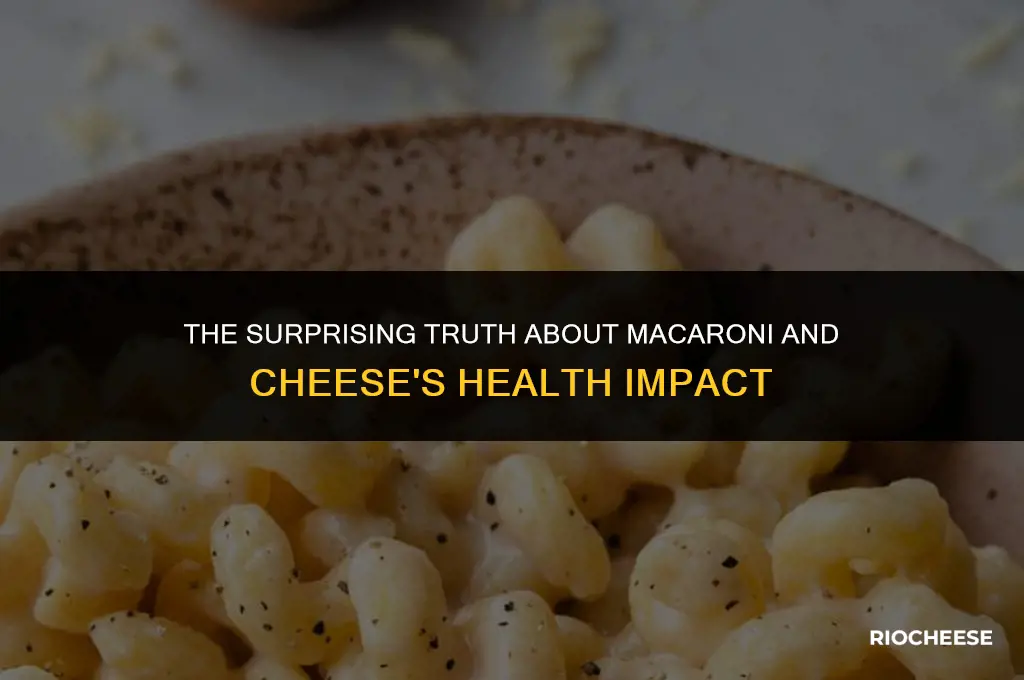
Macaroni and cheese, a beloved comfort food for many, is often scrutinized for its nutritional value. This creamy, cheesy dish is typically high in calories, saturated fat, and sodium, which can contribute to health issues if consumed excessively. However, it also provides some essential nutrients like protein, calcium, and vitamins from the cheese and pasta. The impact of macaroni and cheese on one's health largely depends on portion size, frequency of consumption, and the specific ingredients used in its preparation.
Explore related products


What You'll Learn
- Calorie Content: Macaroni and cheese is high in calories, which can contribute to weight gain if consumed excessively
- Nutrient Profile: It lacks essential nutrients like fiber, vitamins, and minerals, making it a less-balanced meal option
- Sodium Levels: The dish is often high in sodium, which can be a concern for those monitoring their salt intake
- Fat Content: Macaroni and cheese contains significant amounts of saturated fat, potentially impacting heart health
- Glycemic Index: The refined carbohydrates in pasta can cause blood sugar spikes, affecting insulin levels and energy

Calorie Content: Macaroni and cheese is high in calories, which can contribute to weight gain if consumed excessively
Macaroni and cheese, a beloved comfort food, packs a significant caloric punch. A single serving of homemade macaroni and cheese can range from 300 to 500 calories, depending on the recipe and portion size. This high calorie content is primarily due to the combination of pasta, cheese, and often, a creamy sauce. Consuming such calorie-dense foods regularly can lead to an energy surplus, which the body stores as fat, potentially contributing to weight gain.
The caloric impact of macaroni and cheese can be particularly concerning when considering portion sizes. Restaurant servings are often much larger than what is recommended for a balanced diet, potentially doubling or tripling the calorie intake from a single meal. Additionally, the ease with which macaroni and cheese can be prepared and its long shelf life make it a convenient option for frequent consumption, further increasing the risk of excessive calorie intake.
To mitigate the caloric impact of macaroni and cheese, one could consider portion control, opting for smaller servings, or sharing a dish with others. Another strategy is to incorporate more vegetables into the meal, which can add volume and nutrients while reducing the overall calorie density. Choosing whole-grain pasta and lower-fat cheese options can also help reduce the calorie content without sacrificing flavor.
It's important to note that while macaroni and cheese can be high in calories, it is not inherently "bad" for you. Like any food, it can be part of a balanced diet when consumed in moderation. The key is to be mindful of portion sizes and to balance high-calorie foods with nutrient-dense options to maintain a healthy overall diet.
The Shelf Life of Shredded Parmesan: Does It Go Bad?
You may want to see also
Explore related products


![Goodles Cheddy Mac Creamy Cheddar and Macaroni Pasta - Nutrient Packed with Real Cheese, Fiber, Protein, Prebiotics, Plants, & Vegetables | Non-GMO, Organic Ingredients [Cheddy Mac, 6 oz. 1 Pack]](https://m.media-amazon.com/images/I/71WpxmocD7L._AC_UL320_.jpg)


Nutrient Profile: It lacks essential nutrients like fiber, vitamins, and minerals, making it a less-balanced meal option
Macaroni and cheese, a beloved comfort food, often falls short in terms of nutritional value. One of the primary concerns is its lack of essential nutrients. Unlike whole foods such as fruits, vegetables, and whole grains, macaroni and cheese is typically low in fiber. Fiber is crucial for maintaining digestive health, regulating blood sugar levels, and promoting satiety. Without adequate fiber, individuals may experience digestive issues and struggle with weight management.
In addition to fiber, macaroni and cheese often lacks a variety of vitamins and minerals. While it may contain some B vitamins and iron, it is generally not a rich source of vitamins A, C, and K, which are essential for immune function, skin health, and blood clotting, respectively. Moreover, it tends to be low in minerals like calcium, magnesium, and potassium, which are vital for bone health, muscle function, and maintaining healthy blood pressure.
The absence of these nutrients can have long-term health implications. A diet consistently lacking in fiber, vitamins, and minerals may contribute to the development of chronic diseases such as heart disease, diabetes, and certain types of cancer. Furthermore, the reliance on macaroni and cheese as a staple meal can lead to nutrient deficiencies, particularly in children and adolescents who require a balanced diet for proper growth and development.
To mitigate these nutritional shortcomings, it is advisable to consume macaroni and cheese in moderation and balance it with nutrient-dense foods. Incorporating more fruits, vegetables, whole grains, and lean proteins into one's diet can help offset the deficiencies associated with macaroni and cheese. Additionally, opting for healthier versions of macaroni and cheese, such as those made with whole wheat pasta and reduced-fat cheese, can provide a more balanced meal option.
In conclusion, while macaroni and cheese can be a tasty and satisfying dish, its nutrient profile is a cause for concern. By being mindful of portion sizes and incorporating a variety of nutrient-rich foods into one's diet, individuals can enjoy macaroni and cheese as an occasional treat without compromising their overall health.
The Shelf Life of Cheese Sticks: A Comprehensive Guide
You may want to see also
Explore related products


Sodium Levels: The dish is often high in sodium, which can be a concern for those monitoring their salt intake
Macaroni and cheese, a beloved comfort food, often harbors a hidden health concern: high sodium content. For individuals monitoring their salt intake, this can be particularly problematic. A single serving of boxed macaroni and cheese can contain upwards of 700 milligrams of sodium, which is nearly a third of the recommended daily limit for most adults.
The high sodium content in macaroni and cheese primarily comes from the cheese sauce and, in some cases, added salt during cooking. Processed cheese products, which are commonly used in macaroni and cheese recipes, tend to be high in sodium as a preservative. Additionally, the pasta itself may contain some sodium, although this is typically minimal compared to the cheese sauce.
For those looking to reduce their sodium intake, there are several strategies to consider when it comes to macaroni and cheese. One option is to choose a lower-sodium cheese or to use a homemade cheese sauce made with fresh, low-sodium ingredients. Another approach is to rinse the pasta thoroughly after cooking to remove any excess salt. Some recipes also call for using unsalted butter or reducing the amount of salt added during the cooking process.
It's important to note that while macaroni and cheese can be high in sodium, it is not inherently unhealthy. When consumed in moderation and as part of a balanced diet, it can still be enjoyed as an occasional treat. However, for those with specific health concerns related to sodium intake, such as hypertension or heart disease, it may be necessary to limit consumption or to seek out lower-sodium alternatives.
In conclusion, while macaroni and cheese can be a delicious and comforting meal, its high sodium content is a consideration for those monitoring their salt intake. By being mindful of portion sizes and exploring lower-sodium options, it is possible to enjoy this classic dish while still maintaining a healthy diet.
Unraveling the Cheese Conundrum: PCOS and Dairy Dilemma
You may want to see also
Explore related products


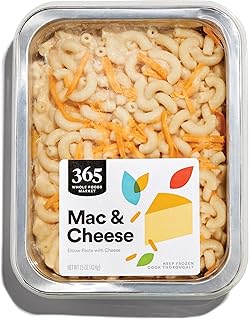


Fat Content: Macaroni and cheese contains significant amounts of saturated fat, potentially impacting heart health
Macaroni and cheese, a beloved comfort food, has a hidden drawback: its high saturated fat content. Saturated fats are known to raise LDL (bad) cholesterol levels, which can increase the risk of heart disease and stroke. A single serving of traditional macaroni and cheese can contain upwards of 10 grams of saturated fat, primarily from the cheese and butter used in its preparation.
The type of cheese used in macaroni and cheese is often high in saturated fat. For example, cheddar cheese, a common choice, contains about 7 grams of saturated fat per ounce. When combined with other high-fat ingredients like butter and cream, the saturated fat content of the dish can quickly add up. Additionally, many boxed macaroni and cheese products contain partially hydrogenated oils, which are a source of trans fats. Trans fats are even more harmful than saturated fats, as they can raise LDL cholesterol levels and lower HDL (good) cholesterol levels, further increasing the risk of heart disease.
It's important to note that not all macaroni and cheese recipes are created equal. Some recipes use lower-fat cheeses, such as part-skim mozzarella or reduced-fat cheddar, which can help reduce the saturated fat content. Others may use healthier fats, like olive oil, instead of butter. However, even with these modifications, macaroni and cheese is still likely to be a relatively high-fat dish due to its cheese content.
To put the fat content of macaroni and cheese into perspective, consider the American Heart Association's recommendation to limit saturated fat intake to no more than 13 grams per day for a 2,000-calorie diet. A single serving of traditional macaroni and cheese could easily exceed this limit, making it a less-than-ideal choice for those looking to maintain a heart-healthy diet.
In conclusion, while macaroni and cheese can be a delicious and comforting meal, its high saturated fat content is a concern for heart health. By choosing healthier ingredients and watching portion sizes, it's possible to enjoy this dish in moderation as part of a balanced diet. However, for those with high cholesterol or heart disease, it may be best to limit consumption or opt for lower-fat alternatives.
The Shelf Life of American Cheese: Does It Go Bad?
You may want to see also
Explore related products


Glycemic Index: The refined carbohydrates in pasta can cause blood sugar spikes, affecting insulin levels and energy
The glycemic index (GI) is a measure of how quickly foods raise blood sugar levels. Foods with a high GI, like refined carbohydrates found in many types of pasta, can cause rapid spikes in blood sugar, followed by a quick drop. This rollercoaster effect can lead to feelings of fatigue, irritability, and hunger shortly after eating. Over time, frequent blood sugar spikes can contribute to insulin resistance, increasing the risk of type 2 diabetes and other health issues.
Macaroni and cheese, being a dish primarily made of pasta, can have a significant impact on blood sugar levels due to its high glycemic index. The refined flour used in pasta production removes the bran and germ, which are rich in fiber and nutrients. This refining process results in a product that is quickly digested and absorbed by the body, leading to the aforementioned blood sugar spikes.
However, it's important to note that not all pasta is created equal. Whole grain pasta, which includes the bran and germ, has a lower glycemic index and provides more fiber and nutrients. This can help to mitigate the blood sugar spikes and provide a more sustained release of energy. Additionally, the cheese in macaroni and cheese can help to slow down the absorption of carbohydrates, potentially reducing the glycemic impact of the dish.
To make macaroni and cheese a healthier option, consider using whole grain pasta and incorporating more vegetables into the dish. This can help to increase the fiber content and reduce the overall glycemic index. Additionally, using a moderate amount of cheese and opting for lower-fat varieties can help to reduce the calorie and saturated fat content of the dish.
In conclusion, while macaroni and cheese can have a significant impact on blood sugar levels due to its high glycemic index, there are ways to make it a healthier option. By choosing whole grain pasta, incorporating more vegetables, and using cheese in moderation, you can enjoy this classic comfort food while minimizing its potential negative effects on blood sugar and overall health.
The Truth About Easy Cheese: Is It Really Bad for You?
You may want to see also
Frequently asked questions
Macaroni and cheese can be high in calories, saturated fat, and sodium, which can contribute to health issues if consumed excessively. However, it can be part of a balanced diet if eaten in moderation and paired with healthier foods like vegetables.
Healthier alternatives include using whole-grain pasta, reducing the amount of cheese, incorporating vegetables like broccoli or spinach, and using low-fat milk or Greek yogurt in the sauce.
Yes, macaroni and cheese can be a good source of carbohydrates, protein, and calcium. Whole-grain pasta can also provide fiber, and adding vegetables can increase the nutrient content.
To make macaroni and cheese healthier without sacrificing taste, you can use a combination of low-fat cheese and Greek yogurt for the sauce, add vegetables for extra nutrients, and use whole-grain pasta for more fiber.
It's possible to include macaroni and cheese in a weight loss diet if consumed in moderation and balanced with other nutritious foods. Portion control and making healthier modifications to the recipe can help.