Randy Chandler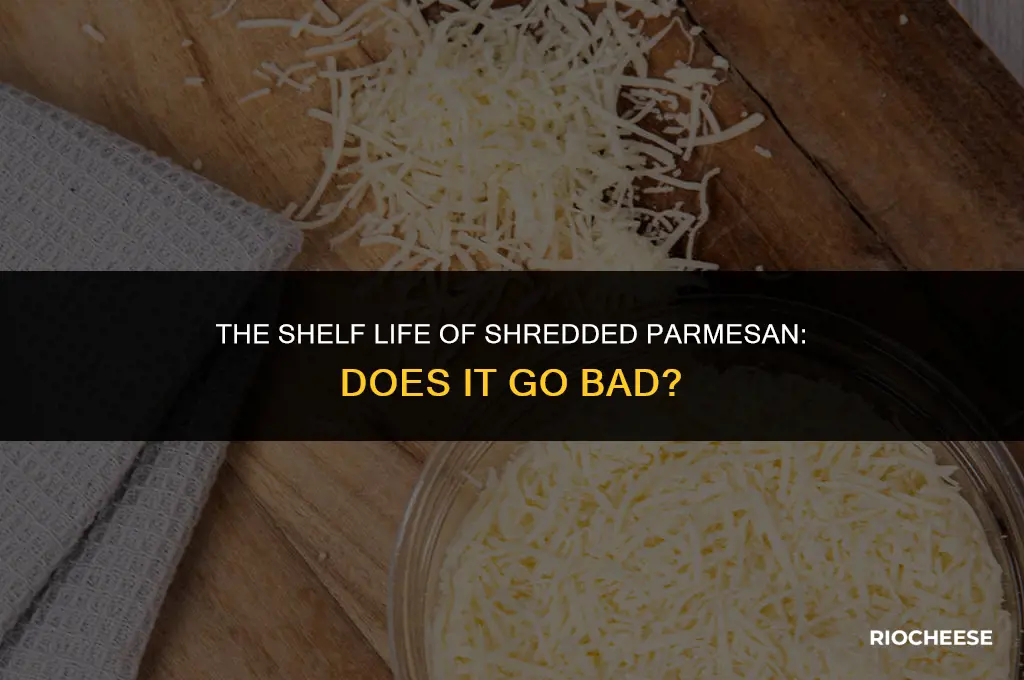
Shredded Parmesan cheese, a popular ingredient in many culinary dishes, is known for its long shelf life due to its low moisture content and high salt concentration. However, like all food products, it does have a finite lifespan and can eventually go bad. The quality and safety of shredded Parmesan cheese can be affected by factors such as storage conditions, packaging, and handling. Properly stored in a cool, dry place and kept in an airtight container, shredded Parmesan cheese can last for several months past its sell-by date. However, if it's exposed to moisture, heat, or contamination, it can spoil more quickly. Signs of spoilage may include mold growth, an off odor, or a change in texture. It's important to check the cheese regularly and discard it if any of these signs are present to ensure food safety and maintain the quality of your dishes.
| Characteristics | Values |
|---|---|
| Product Type | Shredded Parmesan Cheese |
| Shelf Life (Unopened) | 6-12 months |
| Shelf Life (Opened) | 1-2 months |
| Storage Conditions | Refrigerate after opening |
| Signs of Spoilage | Mold, strong odor, discoloration |
| Texture | Fine, powdery |
| Color | Light yellow to white |
| Flavor Profile | Nutty, savory |
| Usage | Sprinkle on pasta, salads, soups |
| Packaging | Typically in a plastic or paper container |
| Brand Examples | Kraft, Sargento, BelGioioso |
| Nutritional Content | High in protein and calcium |
| Allergen Information | Contains dairy |
| Country of Origin | Italy (traditional), USA (common) |
| Production Process | Grated from aged Parmesan blocks |
| Culinary Uses | Garnish, flavor enhancer |
| Substitutes | Grated Pecorino Romano, nutritional yeast |
Explore related products




What You'll Learn
- Shelf Life: How long does shredded Parmesan cheese last before going bad
- Storage Tips: Best practices for storing shredded Parmesan to extend its freshness
- Signs of Spoilage: How to identify if shredded Parmesan cheese has gone bad
- Health Risks: Potential health risks associated with consuming spoiled shredded Parmesan cheese
- Usage Ideas: Creative ways to use shredded Parmesan cheese before it goes bad

Shelf Life: How long does shredded Parmesan cheese last before going bad?
Shredded Parmesan cheese, a staple in many kitchens, does indeed have a shelf life that must be considered to ensure food safety and quality. The duration of its freshness depends on several factors, including the type of Parmesan, storage conditions, and whether it's freshly shredded or pre-shredded.
Freshly shredded Parmesan cheese typically lasts longer than pre-shredded varieties. When stored properly in an airtight container in the refrigerator, freshly shredded Parmesan can last up to 2 weeks. However, if it's not used within this timeframe, it's best to freeze it to extend its shelf life. In the freezer, shredded Parmesan can be stored for up to 3 months without significant loss of quality.
Pre-shredded Parmesan cheese, on the other hand, often comes with a shorter shelf life due to the potential for increased exposure to air and moisture during the shredding process. Check the packaging for specific storage instructions and expiration dates, as these can vary by brand. Generally, pre-shredded Parmesan should be used within a week of opening and can be stored in the freezer for up to 2 months.
It's important to note that the appearance and smell of shredded Parmesan can indicate its freshness. If the cheese develops an off odor, mold, or discoloration, it should be discarded immediately. Additionally, if the cheese has been left at room temperature for more than 2 hours, it's best to err on the side of caution and not consume it.
In summary, the shelf life of shredded Parmesan cheese can be maximized by proper storage and handling. Freshly shredded cheese lasts longer than pre-shredded, and both types can be frozen to extend their usability. Always check for signs of spoilage before consuming and follow storage guidelines to ensure the cheese remains safe and enjoyable to eat.
The Shelf Life of Swiss Cheese: Does It Really Go Bad?
You may want to see also
Explore related products


Storage Tips: Best practices for storing shredded Parmesan to extend its freshness
Storing shredded Parmesan cheese properly is crucial to maintaining its quality and preventing spoilage. The key to extending its freshness lies in controlling moisture and temperature. Here are some best practices to follow:
First, ensure that the shredded Parmesan is completely dry before storing it. Any residual moisture can lead to mold growth and spoilage. If you've freshly grated the cheese, spread it out on a clean kitchen towel or paper towels to absorb any excess moisture. Once dry, transfer the cheese to an airtight container.
Choose a storage container that is both airtight and moisture-proof. Glass jars with tight-fitting lids or resealable plastic bags with a zip-lock mechanism are ideal options. Avoid using containers that are too large, as this can trap air and moisture, leading to faster spoilage. Instead, opt for a container that is just the right size to hold the cheese without leaving too much empty space.
Label the container with the date of storage, so you can easily keep track of how long the cheese has been stored. Store the container in a cool, dry place, such as a pantry or cupboard. Avoid storing the cheese in the refrigerator, as the cold temperature can cause the cheese to become too hard and lose its flavor. However, if you live in a particularly warm or humid climate, you may want to consider storing the cheese in the refrigerator to prevent spoilage.
To further extend the freshness of shredded Parmesan, consider adding a small amount of cornstarch or flour to the cheese before storing it. This will help to absorb any excess moisture and prevent the cheese from clumping together. Use about 1 tablespoon of cornstarch or flour for every 1 cup of shredded cheese.
Finally, be mindful of how often you open the container and expose the cheese to air. Each time the container is opened, a small amount of moisture can enter, which can lead to spoilage over time. Try to minimize the number of times you open the container and use the cheese within a reasonable timeframe.
By following these storage tips, you can help to extend the freshness of shredded Parmesan cheese and ensure that it remains a delicious and safe addition to your meals.
Is Your String Cheese Spoiled? Here's How to Tell
You may want to see also
Explore related products




Signs of Spoilage: How to identify if shredded Parmesan cheese has gone bad
Shredded Parmesan cheese, like all dairy products, has a limited shelf life and can spoil if not stored properly. The key to identifying spoilage lies in paying attention to changes in its appearance, texture, and smell. Here are some definitive signs that your shredded Parmesan has gone bad:
First, inspect the cheese for any discoloration. Fresh Parmesan should have a consistent, pale yellow color. If you notice any dark spots, greenish hues, or significant browning, it’s a strong indicator of mold growth or oxidation, both of which mean the cheese is no longer safe to eat.
Next, check the texture. Good quality shredded Parmesan should have a dry, crumbly texture. If the cheese appears clumped together, moist, or slimy, it’s likely that bacteria have begun to break down the fats and proteins, leading to spoilage.
Smell is another crucial factor. Fresh Parmesan has a sharp, nutty aroma. If the cheese emits an off odor—such as a sour, ammonia-like, or yeasty smell—it’s a clear sign that it has gone bad. Trust your nose; if the smell is unpleasant or unfamiliar, it’s best to discard the cheese.
Lastly, consider the storage conditions. Parmesan cheese should be stored in a cool, dry place, ideally in the refrigerator. If the cheese has been left at room temperature for an extended period or exposed to moisture, it’s more susceptible to spoilage.
In summary, to determine if shredded Parmesan cheese has gone bad, look for discoloration, changes in texture, off odors, and consider how it has been stored. If you notice any of these signs of spoilage, it’s best to err on the side of caution and discard the cheese to avoid potential foodborne illness.
The Surprising Truth About Cheese Puffs: Are They Really Bad for You?
You may want to see also
Explore related products


Health Risks: Potential health risks associated with consuming spoiled shredded Parmesan cheese
Consuming spoiled shredded Parmesan cheese can pose several health risks. One of the primary concerns is the growth of harmful bacteria such as Salmonella, E. coli, and Listeria monocytogenes. These bacteria can multiply rapidly in the cheese if it is not stored properly or if it is past its expiration date. Ingesting these bacteria can lead to foodborne illnesses, which may manifest as symptoms like nausea, vomiting, diarrhea, abdominal cramps, and fever. In severe cases, foodborne illnesses can result in hospitalization and even death, particularly in vulnerable populations such as the elderly, young children, pregnant women, and individuals with weakened immune systems.
In addition to bacterial contamination, spoiled cheese can also develop harmful molds. Some molds produce mycotoxins, which are toxic compounds that can cause a range of health problems if ingested. Mycotoxin exposure can lead to acute symptoms like allergic reactions, respiratory issues, and gastrointestinal distress. Long-term exposure to mycotoxins has been linked to more serious health concerns, including liver damage, kidney failure, and certain types of cancer.
Another potential health risk associated with consuming spoiled shredded Parmesan cheese is the presence of aflatoxins. Aflatoxins are a type of mycotoxin produced by certain molds that can grow on cheese if it is stored in warm, humid conditions. Aflatoxin exposure can cause liver damage and increase the risk of liver cancer. It is particularly dangerous for individuals with chronic liver conditions or those who consume large amounts of cheese regularly.
To minimize the risk of consuming spoiled shredded Parmesan cheese, it is essential to store the cheese properly and pay close attention to its expiration date. Cheese should be stored in a cool, dry place, preferably in the refrigerator. Once opened, shredded Parmesan cheese should be used within a few weeks to prevent the growth of harmful bacteria and molds. If the cheese develops an off odor, discoloration, or visible mold, it should be discarded immediately to avoid potential health risks.
In conclusion, consuming spoiled shredded Parmesan cheese can lead to various health problems, ranging from mild foodborne illnesses to severe long-term health concerns. Proper storage and timely consumption are crucial to minimizing these risks and ensuring the safety and quality of the cheese.
The Great Cheese Debate: Overnight Survival Guide
You may want to see also
Explore related products

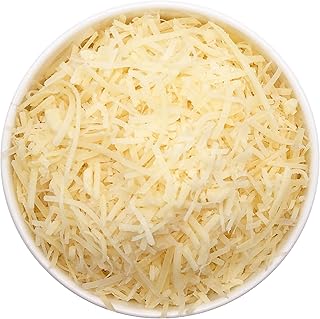


Usage Ideas: Creative ways to use shredded Parmesan cheese before it goes bad
Shredded Parmesan cheese, with its rich flavor and versatile texture, can be a delightful addition to various dishes. However, it's essential to use it before it goes bad to avoid any unpleasant culinary experiences. Here are some creative ways to utilize shredded Parmesan cheese before it spoils:
- Parmesan Crisps: Create delicious Parmesan crisps by spreading a thin layer of shredded cheese on a baking sheet lined with parchment paper. Bake in a preheated oven at 400°F (200°C) for about 10-12 minutes or until the cheese is melted and slightly browned. These crisps can be used as a garnish for salads, soups, or even as a crunchy snack on their own.
- Cheesy Garlic Bread: Upgrade your garlic bread by sprinkling shredded Parmesan cheese on top of the bread slices before baking. The cheese will melt and create a gooey, flavorful topping that complements the garlic perfectly.
- Parmesan-Crusted Chicken: Use shredded Parmesan cheese to create a crispy, flavorful crust for chicken breasts. Simply dredge the chicken in flour, dip in beaten eggs, and coat with a mixture of shredded Parmesan cheese and breadcrumbs. Bake in the oven until the chicken is cooked through and the crust is golden brown.
- Cheesy Omelette: Add shredded Parmesan cheese to your omelette for an extra burst of flavor. Sprinkle the cheese over the eggs while they're still cooking, and watch as it melts into a creamy, cheesy filling.
- Parmesan-Infused Oil: Make a flavorful Parmesan-infused oil by combining shredded Parmesan cheese with olive oil in a saucepan. Heat the mixture over low heat, stirring occasionally, until the cheese is melted and the oil is fragrant. Strain the oil through a fine-mesh sieve and use it as a dressing for salads or as a dipping oil for bread.
- Cheesy Popcorn: For a unique snack, sprinkle shredded Parmesan cheese over freshly popped popcorn. The cheese will melt slightly from the heat of the popcorn, creating a savory, cheesy treat.
By incorporating shredded Parmesan cheese into these creative recipes, you can not only prevent food waste but also elevate your dishes with its distinct flavor and texture.
The Shelf Life Saga: Does Kraft Cheese Go Bad?
You may want to see also
Frequently asked questions
Yes, shredded Parmesan cheese can go bad. While it has a longer shelf life than many other cheeses due to its low moisture content, it can still spoil if not stored properly.
Signs that shredded Parmesan cheese has gone bad include an off or unpleasant odor, discoloration, mold growth, or a change in texture. If the cheese appears clumped or has lost its crispness, it may be past its prime.
To prevent shredded Parmesan cheese from going bad, store it in an airtight container in the refrigerator. It's best to consume it within 3 to 6 months of opening for optimal freshness and flavor.
It's not recommended to use shredded Parmesan cheese that has gone bad, as it may pose health risks. Spoiled cheese can contain harmful bacteria that can cause foodborne illnesses. It's best to discard any cheese that shows signs of spoilage.