Bushra Griffith
Serving bread and cheese is an art that elevates a simple snack into a delightful culinary experience. Whether you're hosting a sophisticated gathering or enjoying a cozy evening at home, the right combination of bread and cheese can impress guests and satisfy your palate. From selecting the perfect types of cheese to complementing them with the right bread varieties, there's a world of flavors and textures to explore. In this guide, we'll delve into the essentials of serving bread and cheese, covering everything from pairing suggestions to presentation tips, ensuring that your next bread and cheese platter is both visually appealing and irresistibly delicious.
Explore related products


What You'll Learn
- Selecting Bread and Cheese: Choose a variety of bread types and cheeses to cater to different tastes and preferences
- Arranging the Platter: Artfully arrange the bread and cheese on a platter, considering color and texture contrasts
- Adding Accompaniments: Include complementary items like crackers, nuts, fruits, and spreads to enhance the flavor experience
- Temperature and Storage: Serve cheeses at the optimal temperature and store them properly to maintain freshness and flavor
- Pairing Suggestions: Offer pairing recommendations, such as wine or beer, to complement the bread and cheese selection

Selecting Bread and Cheese: Choose a variety of bread types and cheeses to cater to different tastes and preferences
When selecting bread and cheese for a gathering, it's essential to consider the diverse tastes and preferences of your guests. Offering a variety of bread types and cheeses ensures that everyone can find something they enjoy. Start by choosing at least three different types of bread, such as a crusty baguette, a soft ciabatta, and a hearty whole grain loaf. This will provide a range of textures and flavors to complement the cheeses.
Next, select a mix of cheeses that vary in taste, texture, and origin. Include a soft cheese like brie or camembert, a hard cheese like cheddar or gouda, and a blue cheese like stilton or gorgonzola. This combination will cater to different palates and allow guests to experiment with various pairings.
Consider the dietary restrictions and preferences of your guests as well. Offer gluten-free bread options for those with gluten sensitivities and include vegan cheese alternatives for plant-based diets. This thoughtful selection will make all guests feel included and accommodated.
To enhance the experience, provide small cards or labels next to each bread and cheese, indicating their names and origins. This not only helps guests identify their choices but also adds an educational element to the tasting. Additionally, offer a variety of accompaniments such as fresh fruits, nuts, and honey to further elevate the flavors and textures.
Remember to serve the bread and cheese at the appropriate temperature. Most cheeses are best enjoyed at room temperature, while bread can be served warm or at room temperature depending on personal preference. By following these guidelines, you'll create a delightful and inclusive bread and cheese spread that caters to a wide range of tastes and preferences.
Elevate Your Cheese Platter: A Guide to Serving Prosciutto
You may want to see also
Explore related products


Arranging the Platter: Artfully arrange the bread and cheese on a platter, considering color and texture contrasts
Begin by selecting a platter that complements the bread and cheese you plan to serve. A wooden board with a rich, dark grain can enhance the rustic appeal of artisanal breads and aged cheeses, while a sleek, white ceramic platter can provide a modern backdrop that makes the colors of the food pop. Consider the size of the platter as well; it should be large enough to accommodate all the items without looking crowded, yet small enough to be easily carried and set on the table.
Next, think about the arrangement of the bread and cheese. Start by placing the largest items, such as a round loaf of bread or a wedge of cheese, towards the center or one side of the platter. This will create a focal point and give you a starting point for arranging the other items. Then, add smaller items like sliced baguettes or cheese cubes around the larger items, varying the shapes and sizes to create visual interest.
Color and texture contrasts are key to an artfully arranged platter. Pair a dark, crusty bread with a soft, creamy cheese, or a light, airy bread with a bold, tangy cheese. Consider adding garnishes like fresh herbs, olives, or dried fruits to introduce additional colors and textures. These elements not only enhance the visual appeal but can also provide complementary flavors that elevate the overall tasting experience.
When arranging the items, be mindful of the flow of the platter. You want to create a natural progression that guides the eye and the palate from one item to the next. This can be achieved by grouping similar items together or by creating a pattern that moves from one side of the platter to the other. For example, you could start with a soft cheese on one end, move to a firmer cheese in the middle, and end with a hard cheese on the other end.
Finally, consider the practical aspects of serving. Make sure that the items are easily accessible and that there are serving utensils available for those that need them. You may also want to include small plates or napkins for guests to use when sampling the bread and cheese. By paying attention to these details, you can create a platter that is not only visually stunning but also functional and enjoyable for your guests.
Delight Your Guests: The Art of Serving Fresh Mozzarella Cheese
You may want to see also
Explore related products



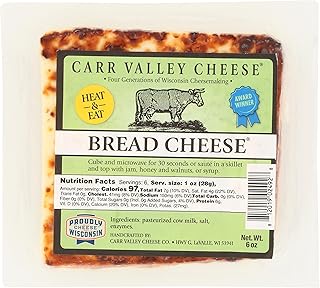


Adding Accompaniments: Include complementary items like crackers, nuts, fruits, and spreads to enhance the flavor experience
Pairing bread and cheese with complementary accompaniments can elevate the entire tasting experience. Consider adding a variety of textures and flavors to create a well-rounded platter. For instance, crunchy crackers can provide a satisfying contrast to the softness of the bread, while nuts offer a rich, earthy flavor that complements the creaminess of the cheese. Fresh fruits, such as grapes or sliced apples, can add a refreshing sweetness that balances the savory notes of the cheese. Spreads, like honey or fruit preserves, can introduce a touch of sweetness and complexity to the flavor profile.
When selecting accompaniments, it's essential to consider the specific types of bread and cheese being served. For example, a bold, blue cheese might pair well with sweet accompaniments like figs or a drizzle of honey, while a milder cheese like Brie could be enhanced by the nutty flavor of almonds or walnuts. Similarly, a crusty baguette might be better suited to crunchy accompaniments like crackers or nuts, while a softer bread like ciabatta could be complemented by spreads or fruits.
To create a visually appealing and balanced platter, arrange the accompaniments thoughtfully around the bread and cheese. Consider using small bowls or dishes to separate the different items, and use garnishes like fresh herbs or edible flowers to add color and visual interest. When serving, encourage guests to experiment with different combinations of bread, cheese, and accompaniments to find their perfect pairing.
Remember, the key to a successful bread and cheese platter is variety and balance. By including a range of accompaniments, you can cater to different tastes and preferences, and create a memorable tasting experience for your guests.
Delicious Pairings: What to Serve with Boursin Cheese
You may want to see also
Explore related products

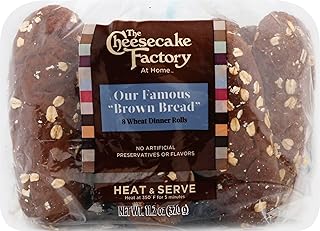

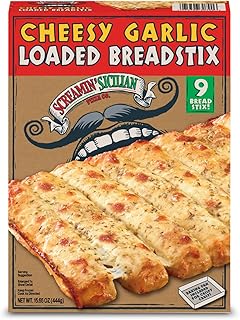


Temperature and Storage: Serve cheeses at the optimal temperature and store them properly to maintain freshness and flavor
Cheese enthusiasts often overlook the critical role that temperature and storage play in preserving the quality and enhancing the flavor of their favorite dairy products. Serving cheese at the optimal temperature can significantly elevate the tasting experience, allowing the complex flavors and textures to fully develop. For most cheeses, the ideal serving temperature is between 65°F and 70°F (18°C and 21°C). This range allows the cheese to soften slightly, releasing its aromatic compounds and achieving a creamy consistency that complements the bread.
Proper storage is equally essential to maintain the freshness and flavor of cheese. Cheeses should be stored in the refrigerator, ideally in the crisper drawer, which provides the necessary humidity to prevent drying out. It's crucial to wrap cheese tightly in plastic wrap or aluminum foil to protect it from absorbing odors from other foods and to prevent air from reaching the surface, which can lead to mold growth. For longer storage, some cheeses can be frozen, but it's important to note that freezing can alter the texture and flavor profile. When freezing cheese, it's best to grate or slice it first, then store it in an airtight container or freezer bag.
A common mistake is to store cheese at too low a temperature, which can cause it to become dry and crumbly. Another error is to leave cheese out at room temperature for extended periods, which can lead to spoilage and the growth of harmful bacteria. To ensure optimal freshness and flavor, it's best to remove cheese from the refrigerator about 30 minutes before serving, allowing it to come to room temperature gradually.
In addition to temperature and storage, the way cheese is cut and served can also impact its flavor and texture. Using a sharp knife or cheese cutter is essential to prevent crushing the cheese and to create clean, even slices. For softer cheeses, a cheese spreader or spatula may be more appropriate. When serving cheese with bread, it's important to consider the flavor profiles of both the cheese and the bread to create a harmonious pairing. For example, a strong, pungent cheese like blue cheese pairs well with a mild, crusty bread, while a creamy, mild cheese like brie is complemented by a richer, more flavorful bread.
By paying attention to temperature, storage, and serving techniques, cheese lovers can ensure that they are getting the most out of their bread and cheese experience. Proper care and handling of cheese not only preserve its quality but also enhance its flavors, making each bite a delightful sensory experience.
Delicious Meat Pairings for Broccoli Cheese Soup: A Guide
You may want to see also
Explore related products


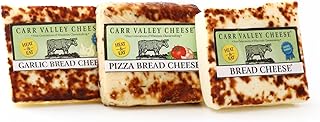


Pairing Suggestions: Offer pairing recommendations, such as wine or beer, to complement the bread and cheese selection
When serving bread and cheese, the right pairing can elevate the entire experience. For a classic combination, consider pairing a rich, full-bodied red wine like Cabernet Sauvignon or Merlot with a strong, aged cheese such as Cheddar or Gouda. The tannins in the wine will complement the sharpness of the cheese, creating a harmonious balance of flavors.
For a more adventurous pairing, try a crisp, acidic white wine like Sauvignon Blanc or Pinot Grigio with a soft, creamy cheese like Brie or Camembert. The acidity in the wine will cut through the richness of the cheese, providing a refreshing contrast that will cleanse your palate.
If you prefer beer, a hoppy IPA or a malty Amber Ale can pair well with a variety of cheeses. The bitterness of the IPA can balance the saltiness of a hard cheese like Parmesan, while the sweetness of the Amber Ale can enhance the nuttiness of a semi-hard cheese like Gruyère.
When pairing, consider the intensity of both the cheese and the beverage. Strong cheeses pair well with bold wines or beers, while milder cheeses are better suited to lighter, more delicate pairings. Experiment with different combinations to find your perfect match, and don't be afraid to try something new. Remember, the key to a successful pairing is to find a balance between the flavors, textures, and aromas of both the cheese and the beverage.
Pairing Perfection: A Guide to Cheese and Wine Harmony
You may want to see also
Frequently asked questions
The best types of bread for serving with cheese are those that have a firm texture and can hold up to the weight and moisture of the cheese. Sourdough, baguette, ciabatta, and whole grain breads are excellent choices. They provide a nice contrast in texture and flavor to the cheese, enhancing the overall tasting experience.
When arranging bread and cheese on a platter, it's important to create an aesthetically pleasing and functional display. Start by placing the cheese in the center of the platter, then arrange the bread around it in a circular pattern. You can also add some variety by including different types of bread and cheese, as well as some accompaniments like nuts, olives, or fruit. Make sure to leave enough space between the items so that guests can easily pick up what they want.
When serving bread and cheese at a party, there are a few things to keep in mind. First, make sure to have a variety of cheeses and breads to cater to different tastes and dietary restrictions. Second, consider adding some accompaniments like crackers, nuts, or fruit to complement the flavors of the cheese. Third, keep the bread and cheese at room temperature for at least an hour before serving to allow the flavors to fully develop. Finally, provide small plates and utensils for guests to use when serving themselves.