Frederic Melton
Serving chevre cheese, also known as goat cheese, can elevate any dining experience with its distinct tangy flavor and creamy texture. Whether you're preparing a sophisticated appetizer or a casual snack, chevre cheese offers versatility in its presentation. From pairing it with fresh fruits and nuts to incorporating it into savory dishes, understanding how to serve chevre cheese can enhance its taste and complement other ingredients. In this guide, we'll explore various ways to present and enjoy chevre cheese, ensuring that each bite is a delightful culinary adventure.
Explore related products


What You'll Learn
- Pairing with Fruits: Chevre cheese pairs well with fresh fruits like strawberries, grapes, and apples
- Crackers and Bread: Serve chevre on a variety of crackers or artisanal breads for a delightful contrast
- Wine Pairings: Complement chevre with a crisp white wine or a light rosé for an elegant experience
- Salads and Vegetables: Add chevre to salads for a creamy texture or serve with raw vegetables for dipping
- Desserts: Incorporate chevre into desserts like cheesecakes or fruit tarts for a unique flavor twist

Pairing with Fruits: Chevre cheese pairs well with fresh fruits like strawberries, grapes, and apples
Chevre cheese, with its creamy texture and tangy flavor, is a versatile ingredient that can be paired with a variety of fresh fruits to create delightful and refreshing dishes. When considering how to serve chevre cheese, pairing it with fruits like strawberries, grapes, and apples can elevate the dining experience by combining complementary flavors and textures.
To start, let's explore the pairing of chevre cheese with strawberries. This combination is particularly popular due to the sweet and slightly tart flavor of strawberries, which balances the richness of the cheese. One way to serve this pairing is to slice fresh strawberries and arrange them on a platter with dollops of chevre cheese. For an extra touch of elegance, you can drizzle a balsamic glaze over the top, which adds a sweet and tangy element that enhances both the cheese and the strawberries.
Next, consider pairing chevre cheese with grapes. The juicy and sweet nature of grapes complements the creamy and slightly acidic taste of the cheese. To create a simple yet sophisticated appetizer, you can skewer alternating pieces of chevre cheese and grapes on toothpicks. This not only makes for an easy-to-eat snack but also adds a visually appealing element to your serving platter.
Apples are another excellent fruit to pair with chevre cheese. The crisp texture and sweet-tart flavor of apples provide a refreshing contrast to the smooth and rich cheese. One creative way to serve this pairing is to core and slice apples, then spread a layer of chevre cheese on each slice. You can further enhance this by sprinkling a bit of cinnamon or nutmeg on top, which adds a warm and inviting spice note that complements both the cheese and the apples.
In conclusion, when looking for ways to serve chevre cheese, pairing it with fresh fruits like strawberries, grapes, and apples offers a delightful combination of flavors and textures. By incorporating these pairings into your menu, you can create a memorable and enjoyable dining experience for your guests.
Delicious Pairings: What to Serve with Ricotta Cheese Spread
You may want to see also
Explore related products



Crackers and Bread: Serve chevre on a variety of crackers or artisanal breads for a delightful contrast
Chevre cheese, with its creamy texture and tangy flavor, pairs wonderfully with a variety of crackers and artisanal breads. This combination not only offers a delightful contrast in textures but also enhances the overall tasting experience. When selecting crackers or breads, it's essential to consider the flavor profile and texture to ensure a harmonious pairing.
For a classic pairing, choose crisp, lightly salted crackers that provide a neutral base, allowing the chevre to shine. Water crackers or thin, buttery crackers are excellent choices. If you prefer a more rustic option, artisanal breads such as baguette slices or whole grain bread can add a hearty, earthy element to the dish. Toasted bread can also provide a satisfying crunch and warmth that complements the cool, creamy cheese.
When serving chevre on crackers or bread, consider adding accompaniments to elevate the flavors. Fresh herbs like thyme or rosemary, a drizzle of honey or balsamic glaze, or a sprinkle of red pepper flakes can add depth and complexity to the dish. For a more indulgent option, top the chevre with a dollop of fig jam or a slice of fresh fruit, such as apple or pear, for a sweet and savory contrast.
To create an impressive cheese board, arrange a variety of crackers and breads alongside the chevre, allowing guests to mix and match to their liking. Include a small bowl of olive oil and a sprinkle of coarse sea salt for dipping, and consider adding other complementary cheeses, such as a rich brie or a sharp cheddar, to provide a range of flavors and textures. With these tips, you can create a delicious and visually appealing spread that showcases the versatility of chevre cheese.
A Guide to Perfectly Serving Stilton Cheese
You may want to see also
Explore related products


Wine Pairings: Complement chevre with a crisp white wine or a light rosé for an elegant experience
Pairing chevre with the right wine can elevate the entire dining experience, transforming a simple cheese course into a sophisticated affair. A crisp white wine, such as a Sauvignon Blanc or a dry Riesling, complements the tangy and creamy flavors of chevre beautifully. These wines cut through the richness of the cheese, cleansing the palate and enhancing the overall taste. For those who prefer rosé, a light and dry option from regions like Provence or the Loire Valley can also work wonders. The subtle fruit notes in these rosés harmonize with the cheese's acidity, creating a balanced and refreshing combination.
When selecting a wine to pair with chevre, it's essential to consider the specific type and flavor profile of the cheese. For instance, a milder chevre with herbal notes might pair better with a white wine that has similar herbal undertones, such as a Viognier. On the other hand, a stronger, more pungent chevre could be better matched with a white wine that has higher acidity, like a Chenin Blanc, to counterbalance the intensity of the cheese.
The serving temperature of both the wine and the cheese is also crucial for an optimal pairing. Chevre is best served at room temperature, allowing its flavors to fully develop. White wines should be chilled but not ice-cold, ideally served between 45°F and 55°F (7°C and 13°C). Rosés can be served slightly colder, between 40°F and 50°F (4°C and 10°C). Properly storing the wine before serving ensures that it retains its intended flavor profile and complements the chevre as intended.
In terms of presentation, consider arranging the chevre on a slate or wooden board alongside a few complementary accompaniments, such as fresh figs, honey, or toasted baguette slices. This not only enhances the visual appeal but also provides a variety of textures and flavors that can further accentuate the wine pairing. When pouring the wine, aim for about a third of the glass to allow for proper aeration, which can help release the wine's aromas and improve the overall tasting experience.
Ultimately, the key to a successful wine and chevre pairing lies in experimentation and personal preference. Don't be afraid to try different combinations and discover unique flavor profiles that suit your taste. Whether you're hosting a dinner party or enjoying a quiet evening at home, the right wine pairing can turn a simple cheese course into an unforgettable culinary journey.
Delicious Bread and Cheese Platter Ideas for Your Next Gathering
You may want to see also
Explore related products



Salads and Vegetables: Add chevre to salads for a creamy texture or serve with raw vegetables for dipping
Chevre cheese, with its creamy texture and tangy flavor, is a versatile ingredient that can elevate a simple salad or complement raw vegetables. To add chevre to salads, start by selecting a mix of fresh greens such as arugula, spinach, or mixed baby greens. Then, crumble the chevre cheese over the top of the salad, allowing the creamy texture to meld with the crisp greens. For an extra burst of flavor, consider adding other ingredients like sliced apples, candied nuts, or dried cranberries.
When serving chevre cheese with raw vegetables, it's essential to choose vegetables that pair well with the cheese's tangy flavor. Some excellent options include sliced cucumbers, cherry tomatoes, bell peppers, and carrot sticks. Arrange the vegetables on a platter and place a small bowl of chevre cheese in the center for dipping. For a more sophisticated presentation, consider garnishing the platter with fresh herbs like parsley or thyme.
One of the benefits of using chevre cheese in salads and with vegetables is its ability to add a creamy texture without overpowering the other ingredients. This makes it an excellent choice for those looking to add a touch of richness to their dishes without sacrificing freshness. Additionally, chevre cheese is a good source of protein and calcium, making it a nutritious addition to any meal.
When selecting chevre cheese for your salads and vegetables, it's essential to choose a high-quality product. Look for cheese that is made from fresh goat's milk and has a smooth, creamy texture. Avoid cheeses that are too dry or crumbly, as they will not provide the desired creamy effect. Store the chevre cheese in the refrigerator until ready to use, and allow it to come to room temperature before serving to ensure the best flavor and texture.
In conclusion, adding chevre cheese to salads and serving it with raw vegetables is a simple yet effective way to enhance the flavor and texture of your dishes. With its creamy texture, tangy flavor, and nutritional benefits, chevre cheese is a versatile ingredient that can elevate any meal.
Deliciously Decadent: The Perfect Serving Size for Cheese-Stuffed Pretzel Bites
You may want to see also
Explore related products


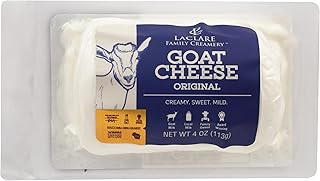
Desserts: Incorporate chevre into desserts like cheesecakes or fruit tarts for a unique flavor twist
Chevre cheese, with its tangy and creamy profile, is a versatile ingredient that can elevate a variety of desserts. One popular way to incorporate chevre into desserts is by using it as a key component in cheesecakes. Unlike traditional cream cheese-based cheesecakes, chevre cheesecakes offer a lighter, fresher taste with a delightful tang. To make a chevre cheesecake, start by preparing a graham cracker crust and pressing it into a springform pan. In a large bowl, mix softened chevre with sugar until smooth, then add eggs one at a time, mixing well after each addition. Pour the mixture over the crust and bake in a preheated oven at 325°F (160°C) for about 45 minutes, or until the edges are set but the center is still slightly jiggly. Allow the cheesecake to cool completely, then refrigerate for at least 4 hours or overnight before serving.
Another delicious way to use chevre in desserts is by incorporating it into fruit tarts. The tangy flavor of chevre pairs beautifully with sweet, juicy fruits like strawberries, blueberries, or peaches. To make a chevre fruit tart, start by preparing a pastry crust and pressing it into a tart pan. In a small bowl, mix softened chevre with honey and vanilla extract until smooth. Spread the mixture evenly over the crust, then arrange your choice of fresh fruit on top. Bake the tart in a preheated oven at 375°F (190°C) for about 20-25 minutes, or until the crust is golden brown and the fruit is tender. Allow the tart to cool completely before serving.
Chevre can also be used to make a variety of other desserts, such as chevre ice cream, chevre mousse, or chevre panna cotta. When using chevre in desserts, it's important to balance its tangy flavor with other ingredients to create a harmonious taste. Sweet ingredients like honey, maple syrup, or fruit can help to mellow the tanginess of chevre, while spices like cinnamon, nutmeg, or cardamom can add warmth and depth to the flavor profile.
When serving chevre desserts, consider pairing them with complementary beverages like sweet dessert wines, sparkling water with a splash of fruit juice, or a strong, black coffee. The key to successfully incorporating chevre into desserts is to experiment with different flavor combinations and find the perfect balance that suits your taste preferences. With its unique flavor and creamy texture, chevre is a delicious and versatile ingredient that can take your desserts to the next level.
Delicious Pimento Cheese Appetizer Ideas for Your Next Gathering
You may want to see also
Frequently asked questions
Chevre cheese is best served at room temperature, around 65-70°F (18-21°C), to fully appreciate its creamy texture and tangy flavor.
Store chevre cheese in the refrigerator, wrapped in its original packaging or in a sealed container, until ready to serve. Allow it to come to room temperature for about 30 minutes before serving.
Chevre cheese pairs well with a variety of accompaniments, such as crackers, bread, fresh fruits (like grapes or figs), nuts, honey, and preserves. It can also be used in salads, sandwiches, or as a spread.
While chevre cheese can be frozen, it is not recommended as the texture may become grainy or crumbly upon thawing. If you must freeze it, wrap it tightly in plastic wrap or aluminum foil and store it in an airtight container. Thaw it in the refrigerator overnight before serving.