Frederic Melton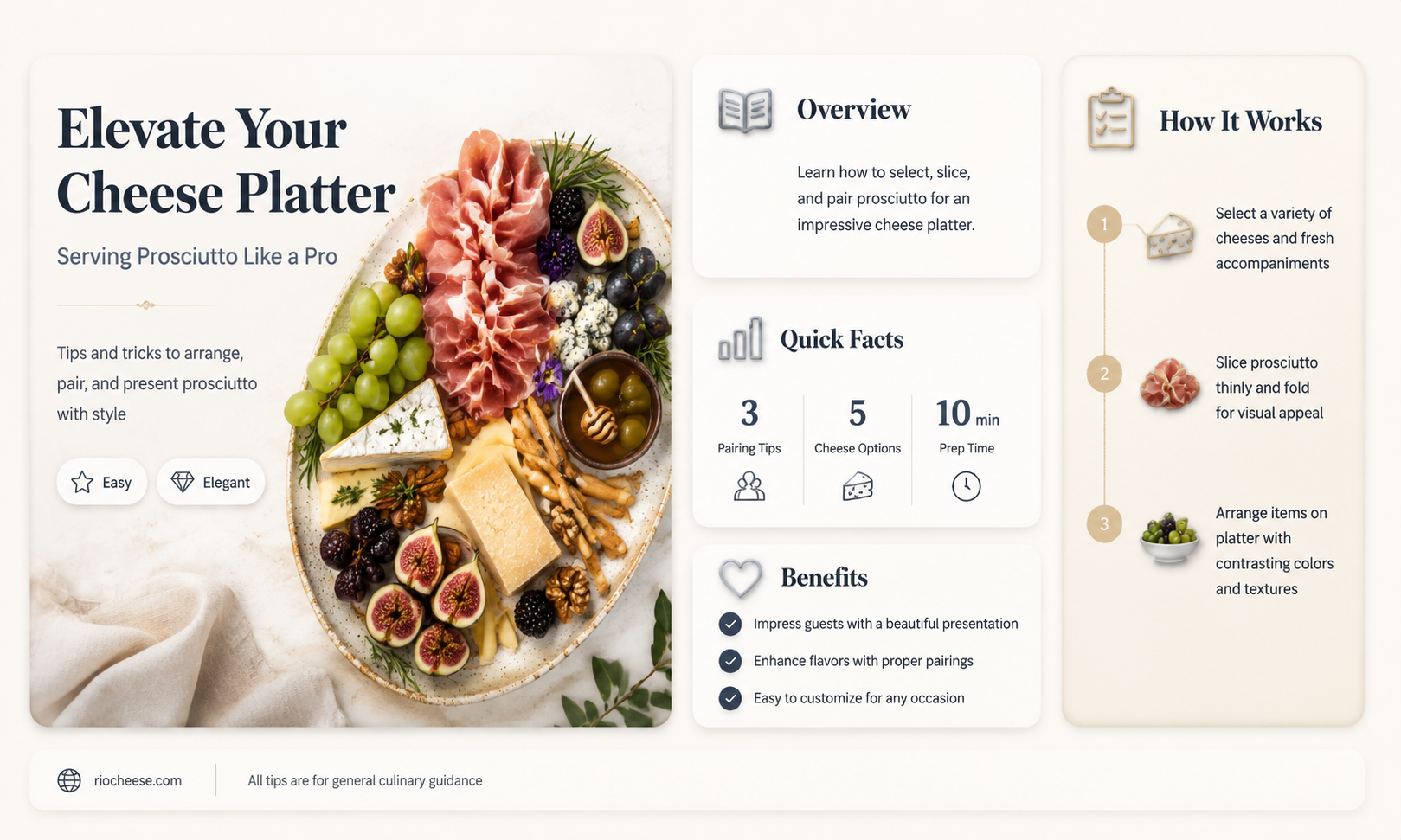
Serving prosciutto on a cheese platter is an art that combines simplicity with sophistication. Start by selecting a few high-quality, complementary cheeses such as Parmigiano-Reggiano, Brie, and Gorgonzola. Arrange these cheeses thoughtfully on a rustic wooden board or elegant ceramic platter. Next, add a few slices of prosciutto, allowing them to drape naturally over the cheeses. This not only adds visual appeal but also allows the flavors to meld together. To elevate the presentation, consider adding fresh fruits like sliced apples or grapes, and a handful of nuts such as almonds or walnuts. A drizzle of honey or balsamic glaze can add a touch of sweetness or tanginess, enhancing the overall flavor profile. Finally, garnish with a sprig of fresh rosemary or thyme for a pop of color and a hint of herbal aroma. This carefully curated platter is perfect for entertaining guests or enjoying as a sophisticated snack.
Explore related products




What You'll Learn
- Selecting Prosciutto: Choose high-quality, thinly sliced prosciutto for the best flavor and texture
- Pairing Cheeses: Combine prosciutto with a variety of cheeses, such as brie, cheddar, and gouda, for a balanced platter
- Adding Accompaniments: Include complementary items like crackers, olives, and fresh fruit to enhance the overall taste experience
- Arranging the Platter: Artfully arrange the prosciutto, cheeses, and accompaniments for an appealing and accessible presentation
- Serving Suggestions: Offer serving utensils and small plates to make it easy for guests to assemble their own cheese and prosciutto combinations

Selecting Prosciutto: Choose high-quality, thinly sliced prosciutto for the best flavor and texture
When selecting prosciutto for a cheese platter, the quality and thickness of the slices are paramount. High-quality prosciutto, such as Prosciutto di Parma or Prosciutto San Daniele, is made from pigs that are raised on a specific diet and aged for a minimum period, resulting in a more tender and flavorful meat. Thinness is also crucial; ideally, the slices should be almost translucent, allowing the delicate flavors to shine through without overpowering the cheese.
To ensure you're getting the best prosciutto, look for brands that specify the origin and aging process on the packaging. Avoid pre-sliced prosciutto if possible, as it can dry out and lose flavor. Instead, purchase whole legs or large chunks and slice them to order. When slicing, use a sharp, non-serrated knife and aim for slices that are about 1/16 inch thick. This will allow the prosciutto to melt in your mouth and complement the textures of the cheese.
If you're serving prosciutto on a cheese platter, it's important to balance the flavors and textures. Pair the prosciutto with a variety of cheeses, including both soft and hard varieties, as well as some fruit and nuts. The saltiness of the prosciutto pairs well with sweet and tangy flavors, so consider adding items like figs, grapes, or a drizzle of balsamic glaze.
When arranging the platter, place the prosciutto slices in a single layer, allowing them to drape over the edge of the plate or board. This not only looks appealing but also prevents the slices from sticking together. You can also roll the prosciutto into small cylinders or fold it into quarters for a more elegant presentation.
Remember, the key to serving prosciutto on a cheese platter is to highlight its quality and flavor. By choosing high-quality, thinly sliced prosciutto and pairing it with complementary items, you can create a delicious and visually appealing spread that will impress your guests.
Delicious Meat Pairings for Broccoli Cheese Soup: A Guide
You may want to see also
Explore related products


Pairing Cheeses: Combine prosciutto with a variety of cheeses, such as brie, cheddar, and gouda, for a balanced platter
To create a balanced cheese platter featuring prosciutto, it's essential to consider the flavor profiles and textures of the cheeses you select. Brie, with its creamy texture and mild flavor, pairs beautifully with the salty, savory notes of prosciutto. Cheddar, on the other hand, offers a sharper taste that contrasts nicely with the richness of the cured meat. For a more nuanced pairing, gouda's smooth, slightly nutty flavor complements prosciutto's umami qualities without overpowering them.
When arranging your platter, consider the visual appeal as well. Place the prosciutto in a central location, allowing it to be the star of the show. Surround it with wedges or slices of the chosen cheeses, creating a harmonious and inviting display. To enhance the overall experience, add accompaniments such as fresh fruit, nuts, and crackers that will complement both the prosciutto and the cheeses.
One key tip for serving prosciutto on a cheese platter is to ensure that the meat is at room temperature. This allows its flavors to fully develop and prevents it from becoming too tough or chewy. Additionally, consider providing small serving utensils for each cheese to prevent flavors from mingling and to maintain the integrity of each variety.
In terms of portion sizes, aim for a balance between the amount of prosciutto and cheese. A general guideline is to offer about 2-3 ounces of cheese per person, along with a few slices of prosciutto. This will allow guests to enjoy the pairing without feeling overwhelmed by the richness of the ingredients.
Finally, don't be afraid to experiment with different cheese varieties to find your perfect pairing. While brie, cheddar, and gouda are classic choices, there are many other cheeses that can complement prosciutto beautifully. By exploring various combinations, you can create a cheese platter that is both delicious and visually stunning.
Southern Comfort: Perfect Pairings for Creamy Cheese Grits
You may want to see also
Explore related products

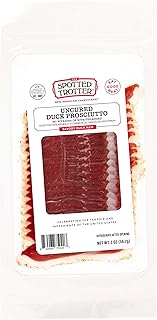


Adding Accompaniments: Include complementary items like crackers, olives, and fresh fruit to enhance the overall taste experience
To elevate your prosciutto and cheese platter, consider the art of adding accompaniments. These complementary items not only enhance the visual appeal but also provide a variety of textures and flavors that can transform the tasting experience. Start by selecting a few key accompaniments that will pair well with the salty, savory notes of the prosciutto and the rich, creamy characteristics of the cheese.
Crackers are a classic choice, offering a crunchy contrast to the soft cheese and delicate prosciutto. Opt for a variety of crackers, such as whole grain, herb-infused, or even gluten-free options, to cater to different tastes and dietary preferences. When arranging the crackers, consider placing them in a small basket or bowl to keep them crisp and easily accessible.
Olives add a briny, tangy element that complements the saltiness of the prosciutto. Choose from a range of olives, such as Kalamata, green olives, or stuffed olives, to provide a diverse flavor profile. To enhance the presentation, you can skewer the olives with toothpicks or arrange them in a decorative pattern on the platter.
Fresh fruit brings a refreshing, sweet component to the platter, balancing the savory flavors of the prosciutto and cheese. Seasonal fruits like grapes, figs, or sliced apples work particularly well. When incorporating fruit, consider the color and texture to create an aesthetically pleasing arrangement. For example, you can alternate slices of red and green apples or cluster grapes in small bunches.
When arranging the accompaniments, think about creating a harmonious balance of flavors, textures, and colors. Place the items strategically around the platter, ensuring that each component is easily accessible and visually appealing. By carefully selecting and arranging these complementary items, you can create a prosciutto and cheese platter that is not only delicious but also visually stunning and memorable.
Delicious Pairings: What to Serve with Raclette Cheese
You may want to see also
Explore related products


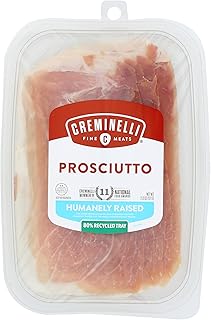


Arranging the Platter: Artfully arrange the prosciutto, cheeses, and accompaniments for an appealing and accessible presentation
Begin by selecting a platter that complements the colors and textures of your prosciutto and cheeses. A large, round wooden board or a sleek, square slate platter can serve as an elegant canvas for your arrangement. Lay out the prosciutto slices in a slightly overlapping fashion, creating a visually appealing pattern that also makes it easy for guests to pick up a slice.
Next, arrange the cheeses in a way that balances the platter both visually and in terms of flavor. Place stronger-flavored cheeses like blue cheese or aged cheddar towards the center, where they can stand out, and milder cheeses like brie or mozzarella around the edges. This not only creates a pleasing aesthetic but also allows guests to sample a variety of flavors without overwhelming their palate.
Consider adding accompaniments that enhance the flavors of the prosciutto and cheese. Fresh fruits like grapes, apples, or figs can provide a sweet contrast, while nuts such as almonds, walnuts, or pistachios offer a crunchy texture. You can also include spreads like honey, jam, or mustard to add depth and complexity to the flavors.
When arranging the accompaniments, think about both visual appeal and practicality. Place items that are likely to be used together near each other, such as pairing a particular cheese with a specific fruit or nut. This makes it easier for guests to create their own combinations and enjoy the platter to its fullest.
Finally, garnish the platter with fresh herbs like rosemary, thyme, or basil to add a pop of color and a hint of fragrance. This not only enhances the visual presentation but also provides an additional layer of flavor that can elevate the entire experience. Remember, the key to artfully arranging a prosciutto and cheese platter is to balance flavors, textures, and colors while also considering the practical aspects of serving and enjoying the dish.
Delicious Pimento Cheese: Understanding the Perfect Serving Size
You may want to see also
Explore related products


Serving Suggestions: Offer serving utensils and small plates to make it easy for guests to assemble their own cheese and prosciutto combinations
To elevate your cheese and prosciutto platter, consider the importance of serving utensils and small plates. These elements not only enhance the visual appeal but also provide practicality for your guests. By offering a variety of serving utensils, such as cheese knives, tongs, and small forks, you allow guests to easily serve themselves and customize their combinations. Small plates or crackers serve as the perfect base for assembling these personalized bites, preventing any potential mess and making it convenient for guests to enjoy their selections.
When selecting serving utensils, opt for a mix of materials and designs to add visual interest to the platter. For example, combining stainless steel, wood, and ceramic utensils can create a sophisticated and eclectic look. Additionally, consider the size and shape of the utensils to ensure they are suitable for the types of cheese and prosciutto being served. For instance, a cheese knife with a thin, sharp blade is ideal for slicing through soft cheeses, while tongs are perfect for picking up delicate slices of prosciutto.
Small plates or crackers play a crucial role in the overall presentation and functionality of the platter. Choose plates that complement the colors and textures of the cheese and prosciutto, such as rustic wooden boards, elegant marble slabs, or artisanal ceramic plates. Crackers, on the other hand, offer a crunchy base for the cheese and prosciutto, and come in a variety of flavors and textures to suit different tastes. Consider offering a selection of both plates and crackers to cater to your guests' preferences.
To further enhance the serving experience, consider adding small bowls or ramekins for accompaniments such as olives, nuts, or fruit preserves. These additions not only provide extra flavor options but also contribute to the overall aesthetic of the platter. By thoughtfully arranging the serving utensils, small plates, and accompaniments, you create an inviting and interactive experience for your guests, allowing them to fully enjoy the art of assembling their own cheese and prosciutto combinations.
Delicious Burrata Cheese Appetizer Ideas for Your Next Gathering
You may want to see also
Frequently asked questions
Prosciutto is best served thinly sliced, allowing its delicate texture and rich flavor to be fully appreciated. Use a sharp knife and slice against the grain for the most tender bites.
Hard cheeses like Parmesan or Pecorino Romano complement the salty, savory flavor of prosciutto. Soft cheeses such as Brie or Camembert also pair nicely, offering a creamy contrast.
Include a variety of accompaniments such as fresh fruits (grapes, apples), nuts (almonds, walnuts), olives, and crackers or bread. These additions provide a balance of flavors and textures.
Store prosciutto in the refrigerator, wrapped in its original paper or in wax paper to maintain moisture. Bring it to room temperature before serving to enhance its flavor and texture.