Bushra Griffith
Serving fresh mozzarella cheese is an art that elevates any culinary experience. To begin, it's essential to select high-quality, fresh mozzarella, ideally made from buffalo milk for the most authentic flavor. Once you have your mozzarella, the key is to keep it at room temperature for at least 30 minutes before serving to allow its full flavor and creamy texture to shine through. For an elegant presentation, slice the mozzarella into even rounds or tear it into bite-sized pieces, arranging them on a platter. Drizzle with a high-quality extra virgin olive oil and a sprinkle of sea salt to enhance its natural taste. You can also add a few fresh basil leaves for a pop of color and a complementary flavor. For a more rustic approach, serve the mozzarella on a wooden board alongside a loaf of crusty bread and a selection of cured meats and olives. Remember, the simplicity of the presentation allows the quality of the mozzarella to take center stage, making it the star of your dish.
Explore related products


What You'll Learn
- Selecting Fresh Mozzarella: Choose firm, white mozzarella with a slightly glossy surface and a fresh, milky aroma
- Storing Mozzarella: Keep in a cool, dry place. Once opened, store in an airtight container with a bit of olive oil
- Preparing Mozzarella: Rinse under cold water and pat dry. For a softer texture, let it sit at room temperature for 30 minutes
- Serving Suggestions: Slice thinly for sandwiches or salads. Cube for skewers or stuff with herbs for a flavorful appetizer
- Pairing with Foods: Complement fresh mozzarella with ripe tomatoes, basil, and balsamic glaze for a classic Caprese salad

Selecting Fresh Mozzarella: Choose firm, white mozzarella with a slightly glossy surface and a fresh, milky aroma
To select the freshest mozzarella, begin by examining the cheese's firmness. A good mozzarella should feel firm yet yield slightly to pressure, indicating its moisture content is well-balanced. Next, inspect the color; it should be a pristine white, as any discoloration can suggest aging or poor quality. The surface should have a slight sheen, reflecting light in a way that suggests a smooth, elastic texture. This glossiness is often a sign of the cheese's freshness and proper hydration.
In addition to visual cues, the aroma of fresh mozzarella is a critical indicator of its quality. A fresh, milky scent is ideal, as it suggests the cheese has been recently made and has not begun to sour or develop off-flavors. If the cheese has a strong, pungent smell, it may be past its prime. Similarly, if it has no scent at all, it could be a sign of poor quality or improper storage.
When selecting mozzarella, it's also important to consider the type of mozzarella you're purchasing. There are several varieties, such as low-moisture, high-moisture, and buffalo mozzarella, each with its own characteristics and best uses. For example, low-moisture mozzarella is often preferred for cooking, as it melts well and doesn't release too much liquid, while high-moisture mozzarella is ideal for fresh applications, like salads or sandwiches, due to its softer texture and richer flavor.
Finally, pay attention to the packaging and storage conditions. Fresh mozzarella should be stored in a cool, dry place, and the packaging should be tightly sealed to prevent air from entering and spoiling the cheese. If you're purchasing mozzarella from a deli or specialty cheese shop, ask the staff about the cheese's origin, production date, and recommended uses. This information can help you make an informed decision and ensure you're selecting the best mozzarella for your needs.
Delicious Pairings: What to Serve with Ricotta Cheese Spread
You may want to see also
Explore related products

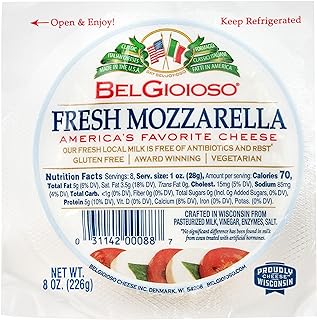




Storing Mozzarella: Keep in a cool, dry place. Once opened, store in an airtight container with a bit of olive oil
Fresh mozzarella cheese is a delicate product that requires careful storage to maintain its quality and flavor. The ideal storage conditions for fresh mozzarella involve keeping it in a cool, dry place, away from direct sunlight and heat sources. This helps to prevent the cheese from melting or becoming too soft, which can affect its texture and taste.
Once the mozzarella package has been opened, it is essential to store the cheese in an airtight container to prevent it from drying out or absorbing odors from other foods in the refrigerator. Adding a small amount of olive oil to the container can help to keep the cheese moist and enhance its flavor. It is important to use a high-quality, extra virgin olive oil for this purpose, as lower quality oils can impart an unpleasant taste to the cheese.
When storing fresh mozzarella, it is also important to consider the type of container used. A glass or ceramic container with a tight-fitting lid is ideal, as these materials do not react with the cheese or the olive oil. Plastic containers should be avoided, as they can absorb odors and flavors from the cheese, which can then be transferred to other foods stored in the same container.
In terms of timeframe, fresh mozzarella should be consumed within a few days of purchase for the best quality. If stored properly, it can last for up to a week in the refrigerator. However, it is important to note that the quality of the cheese will begin to decline after a few days, so it is best to use it as soon as possible.
One common mistake when storing fresh mozzarella is to wrap it tightly in plastic wrap or aluminum foil. This can actually cause the cheese to become too moist and lead to the growth of mold or bacteria. Instead, it is best to store the cheese in an airtight container with a bit of olive oil, as mentioned earlier.
In conclusion, proper storage of fresh mozzarella cheese is essential to maintain its quality, flavor, and texture. By keeping it in a cool, dry place and storing it in an airtight container with a bit of olive oil, you can enjoy fresh mozzarella for up to a week after purchase. Remember to use a high-quality container and avoid wrapping the cheese tightly in plastic or foil to prevent moisture buildup and spoilage.
Elevate Your Dinner Party: The Art of Serving a Cheese Course
You may want to see also
Explore related products


Preparing Mozzarella: Rinse under cold water and pat dry. For a softer texture, let it sit at room temperature for 30 minutes
Fresh mozzarella cheese is a delicate and versatile ingredient that requires careful preparation to ensure its optimal texture and flavor. The first step in preparing mozzarella is to rinse it under cold water. This process helps to remove any excess salt or whey that may be present on the surface of the cheese. It's important to use cold water, as hot water can cause the cheese to melt slightly and lose its shape.
After rinsing, the mozzarella should be gently patted dry with a clean towel or paper towels. This step is crucial to remove any remaining moisture, which can prevent the cheese from achieving the desired texture when served. Patting the cheese dry also helps to prevent it from becoming too soft or soggy, especially if it's going to be used in a dish where it will be exposed to other liquids or sauces.
For a softer texture, it's recommended to let the mozzarella sit at room temperature for about 30 minutes before serving. This allows the cheese to come to a more comfortable temperature for consumption and can enhance its creaminess and overall mouthfeel. However, it's important to note that leaving the cheese at room temperature for too long can lead to spoilage, so it's best to serve it shortly after this resting period.
When preparing mozzarella, it's also important to consider the type of dish it will be used in. For example, if the cheese is going to be melted, such as in a pizza or a grilled cheese sandwich, it may not be necessary to rinse and pat it dry. In these cases, the heat from cooking will help to remove any excess moisture and the cheese will achieve a desirable texture without the need for additional preparation.
In conclusion, preparing mozzarella cheese involves a few simple steps that can greatly enhance its texture and flavor when served. By rinsing the cheese under cold water, patting it dry, and allowing it to rest at room temperature, you can ensure that your mozzarella is at its best for any dish you choose to create.
Delicious Pimento Cheese Appetizer Ideas for Your Next Gathering
You may want to see also
Explore related products


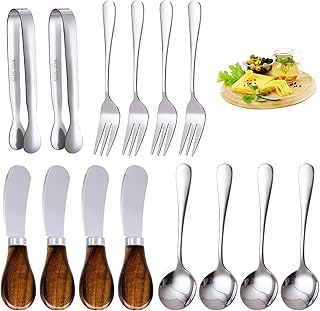



Serving Suggestions: Slice thinly for sandwiches or salads. Cube for skewers or stuff with herbs for a flavorful appetizer
Fresh mozzarella cheese is a versatile ingredient that can elevate a variety of dishes. When it comes to serving suggestions, the key is to highlight the cheese's creamy texture and mild flavor. One popular option is to slice it thinly and use it in sandwiches or salads. This allows the cheese to meld seamlessly with other ingredients while still providing a rich, satisfying taste.
For a more substantial appetizer, cubing the mozzarella and threading it onto skewers is an excellent choice. This presentation not only looks appealing but also makes it easy for guests to enjoy. To take it up a notch, consider stuffing the cubes with fresh herbs such as basil or oregano. This simple addition will infuse the cheese with a burst of flavor that is sure to impress.
When serving fresh mozzarella, it's important to keep the cheese at room temperature to fully appreciate its texture and taste. Avoid refrigerating it for extended periods, as this can cause it to become rubbery and lose its delicate flavor. Instead, store it in a cool, dry place and serve it promptly for the best results.
In terms of pairings, fresh mozzarella goes well with a variety of ingredients. For a classic combination, pair it with ripe tomatoes, fresh basil, and a drizzle of olive oil. For something more adventurous, try it with grilled peaches, arugula, and a balsamic glaze. The possibilities are endless, and the key is to experiment with different flavors and textures to find your perfect match.
Overall, serving fresh mozzarella cheese is all about showcasing its natural beauty and versatility. Whether you choose to slice it, cube it, or stuff it with herbs, the important thing is to enjoy it in its freshest form and to pair it with ingredients that complement its unique flavor profile.
Deliciously Decadent: The Perfect Serving Size for Cheese-Stuffed Pretzel Bites
You may want to see also
Explore related products




Pairing with Foods: Complement fresh mozzarella with ripe tomatoes, basil, and balsamic glaze for a classic Caprese salad
Fresh mozzarella cheese is a versatile ingredient that pairs beautifully with a variety of foods. One classic combination is with ripe tomatoes, basil, and balsamic glaze, which together create a delicious Caprese salad. To prepare this dish, start by slicing the fresh mozzarella into even rounds. Then, slice ripe tomatoes into similar-sized rounds. Arrange the tomato and mozzarella slices on a plate, alternating between the two. Sprinkle fresh basil leaves over the top, and drizzle with a high-quality balsamic glaze. Season with salt and pepper to taste, and serve immediately.
The key to a great Caprese salad is using high-quality, fresh ingredients. Look for tomatoes that are firm and vibrant, with a deep red color. The basil should be bright green and fragrant, and the balsamic glaze should be thick and glossy. When it comes to the mozzarella, choose a fresh variety that is soft and creamy. Avoid using low-moisture mozzarella, as it will not provide the same level of flavor and texture.
In addition to the classic Caprese salad, fresh mozzarella can be paired with a variety of other foods. For example, it can be sliced and added to sandwiches or wraps, or it can be melted and used as a topping for pizzas or pasta dishes. Fresh mozzarella can also be used in salads, such as a Greek salad or a garden salad. When pairing fresh mozzarella with other foods, consider the flavor and texture of the dish, and choose complementary ingredients that will enhance the overall taste.
When serving fresh mozzarella cheese, it is important to consider the presentation. A beautifully arranged plate of food can make a big difference in the overall dining experience. For a Caprese salad, consider arranging the tomato and mozzarella slices in a circular pattern, with the basil leaves and balsamic glaze drizzled over the top. This will create an attractive and appetizing presentation that is sure to impress.
In conclusion, fresh mozzarella cheese is a delicious and versatile ingredient that can be paired with a variety of foods. By choosing high-quality ingredients and considering the presentation, you can create a memorable dining experience that is sure to delight. Whether you are serving a classic Caprese salad or experimenting with new flavor combinations, fresh mozzarella is a great choice for any meal.
Delicious Pairings: Elevate Your Cheese and Spinach Ravioli Game
You may want to see also
Frequently asked questions
Fresh mozzarella cheese should be stored in the refrigerator, ideally in a container with a tight-fitting lid to prevent it from drying out. It's best consumed within a few days of purchase for optimal freshness and flavor.
To prepare fresh mozzarella cheese for serving, simply remove it from the refrigerator and let it come to room temperature for about 30 minutes. This allows the cheese to soften and enhances its flavor. You can then slice or tear it into pieces as desired.
Fresh mozzarella cheese is a versatile ingredient that can be used in a variety of dishes. Some popular options include Caprese salad (with tomatoes and basil), mozzarella sticks (breaded and fried), and Margherita pizza (with tomato sauce and basil). It's also delicious in sandwiches, pasta dishes, and as a topping for bruschetta.
While it's possible to freeze fresh mozzarella cheese, it's not recommended as it can affect the texture and flavor. Freezing can cause the cheese to become grainy or rubbery when thawed. If you do need to freeze it, wrap it tightly in plastic wrap or aluminum foil and use it within a few months for best results.
Fresh mozzarella and buffalo mozzarella are both types of mozzarella cheese, but they differ in their ingredients and production methods. Fresh mozzarella is typically made from cow's milk, while buffalo mozzarella is made from the milk of water buffalo. Buffalo mozzarella has a richer, creamier flavor and a softer texture compared to fresh mozzarella. It's often more expensive and is commonly used in gourmet dishes.