Andy Montoya
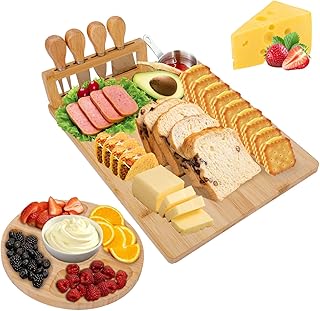
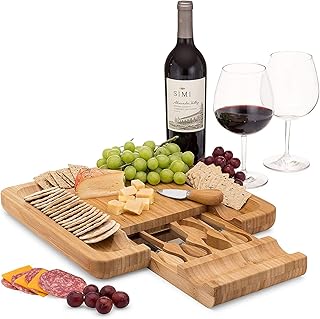
Serving a cheese course can be a delightful way to conclude a meal or entertain guests at a gathering. A well-curated cheese board not only showcases a variety of flavors and textures but also encourages social interaction as people discuss and savor their favorites. To create an impressive cheese course, start by selecting a diverse assortment of cheeses, including soft, hard, blue, and aged varieties. Pair these with complementary accompaniments such as crackers, bread, fruits, nuts, and honey. Consider adding charcuterie like prosciutto or salami for a more substantial offering. When arranging the board, place stronger-flavored cheeses strategically to avoid overpowering more delicate options. Finally, provide appropriate serving utensils and small plates to ensure a seamless and enjoyable experience for your guests.
| Characteristics | Values |
|---|---|
| Course Type | Cheese course |
| Serving Temperature | Room temperature (65-70°F or 18-21°C) |
| Cheese Selection | Variety of textures and flavors (soft, hard, blue, aged) |
| Serving Order | From mild to strong flavors |
| Accompaniments | Crackers, bread, nuts, dried fruits, honey |
| Presentation | Attractive platter or board arrangement |
| Portion Size | Small, tasting-sized pieces |
| Serving Utensils | Cheese knives, spreaders, and forks |
| Beverage Pairing | Wine, beer, or non-alcoholic beverages |
| Timing | Before dessert or as a standalone course |
| Ambiance | Relaxed and social dining atmosphere |
| Conversation Topics | Cheese origins, flavor profiles, and pairing suggestions |
| Etiquette | Use utensils provided, avoid double-dipping |
| Allergen Considerations | Be aware of lactose intolerance and allergies |
| Cheese Storage | Keep refrigerated until serving time |
| Leftovers | Store in airtight container, consume within 3-5 days |
Explore related products


What You'll Learn
- Cheese Selection: Choose a variety of cheeses with different textures and flavors for a balanced course
- Accompaniments: Pair cheeses with complementary items like crackers, fruits, nuts, and honey for enhanced taste
- Temperature: Serve cheeses at the optimal temperature to bring out their best flavors and textures
- Presentation: Arrange the cheese course attractively on a platter or board for visual appeal
- Etiquette: Follow proper etiquette when serving and eating cheese, such as using separate knives for each type

Cheese Selection: Choose a variety of cheeses with different textures and flavors for a balanced course
Selecting a variety of cheeses for a balanced course is an art that requires attention to texture and flavor. A well-curated cheese board should offer a sensory journey, with each cheese providing a distinct experience. Start by choosing a mix of soft and hard cheeses, as well as a range of flavors from mild to strong. For example, a creamy Brie or Camembert can be paired with a sharp Cheddar or a tangy goat cheese. Consider the aging process of the cheeses as well; aged cheeses like Parmesan or Gouda offer a more intense flavor compared to their younger counterparts.
Texture plays a crucial role in cheese selection. A balanced course should include cheeses with varying textures, such as the smoothness of a mozzarella, the crumbly nature of a feta, and the gooeyness of a melted Gruyère. This variety ensures that each bite is a unique experience, engaging different taste buds and keeping the palate interested. When arranging the cheeses, place them in a way that allows guests to easily distinguish between the different textures and flavors, perhaps by using small labels or by grouping similar cheeses together.
Flavor profiles are equally important. A cheese course should offer a range of flavors, from the nutty and earthy notes of a blue cheese to the sweet and buttery taste of a triple cream cheese. Consider the accompaniments that will be served with the cheese, such as fruits, nuts, and crackers, as these can enhance or complement the flavors of the cheese. For instance, a sweet fig jam pairs beautifully with a salty blue cheese, while a crisp apple can cut through the richness of a creamy Brie.
When selecting cheeses, it's also important to consider the dietary restrictions and preferences of your guests. Offer a mix of cow's milk, goat's milk, and sheep's milk cheeses to cater to different tastes and potential allergies. Additionally, consider including a vegan cheese option for those who do not consume dairy. By taking these factors into account, you can create a cheese course that is both diverse and inclusive.
In conclusion, a well-selected cheese course is a harmonious blend of textures and flavors, carefully curated to provide a delightful sensory experience. By paying attention to the variety of cheeses, their textures, flavors, and the dietary needs of your guests, you can create a cheese course that is both memorable and enjoyable.
Delicious Pairings: What to Serve with Beer Cheese Soup
You may want to see also
Explore related products




Accompaniments: Pair cheeses with complementary items like crackers, fruits, nuts, and honey for enhanced taste
Pairing cheese with complementary accompaniments is an art that can elevate the entire tasting experience. When selecting items to accompany your cheese course, consider the flavor profiles and textures that will best enhance each type of cheese. For example, a sharp cheddar pairs beautifully with sweet, crisp apple slices, while a creamy brie is complemented by the earthy crunch of walnuts.
Crackers are a classic choice for cheese accompaniments, providing a neutral base that allows the flavors of the cheese to shine. However, not all crackers are created equal. Opt for crackers with a subtle flavor and a satisfying crunch, such as water crackers or artisanal whole grain crackers. Avoid crackers with strong flavors or excessive salt, as these can overpower the delicate taste of the cheese.
Fruits and nuts offer a delightful contrast to the richness of cheese. Fresh fruits like grapes, figs, and berries add a burst of sweetness and acidity, cutting through the creaminess of soft cheeses. Dried fruits, such as apricots and cranberries, provide a chewy texture and concentrated flavor that pairs well with aged cheeses. Nuts, on the other hand, offer a satisfying crunch and a range of flavors from earthy to slightly sweet. Almonds, pecans, and hazelnuts are all excellent choices for cheese pairings.
Honey is another versatile accompaniment that can enhance the flavor of cheese. A drizzle of high-quality honey can add a touch of sweetness and a hint of floral notes, complementing both soft and hard cheeses. When selecting honey for cheese pairings, look for varieties with a mild flavor, such as clover or wildflower honey, to avoid overpowering the cheese.
To create a well-rounded cheese course, consider offering a variety of accompaniments that cater to different tastes and preferences. Arrange the accompaniments artfully on a cheese board or platter, ensuring that each item is easily accessible and visually appealing. By thoughtfully pairing cheeses with complementary accompaniments, you can create a memorable and delicious cheese course that will delight your guests.
Delicious Pairings: What to Serve with Boursin Cheese
You may want to see also
Explore related products


Temperature: Serve cheeses at the optimal temperature to bring out their best flavors and textures
Cheese, like wine, has an optimal serving temperature that can significantly enhance its flavor and texture. Serving cheese at the right temperature is crucial because it affects the cheese's consistency, aroma, and taste. For instance, a soft cheese like Brie or Camembert is best served at room temperature, around 65-70°F (18-21°C), to ensure it's creamy and spreadable. On the other hand, harder cheeses such as Cheddar or Gouda are better served slightly cooler, around 50-55°F (10-13°C), to maintain their firmness and allow their flavors to develop fully.
To determine the ideal serving temperature for a specific cheese, consider its type and aging process. Generally, younger, fresher cheeses like Mozzarella or Feta are best served chilled, around 40-45°F (4-7°C), to preserve their delicate flavors and textures. As cheeses age, they develop more complex flavors and a firmer texture, which can be best appreciated at warmer temperatures. Aged hard cheeses like Parmesan or Pecorino Romano can be served at room temperature or even slightly warmer, around 70-75°F (21-24°C), to bring out their rich, nutty flavors.
When serving a cheese course, it's essential to allow the cheese to come to the optimal temperature before presenting it. If the cheese has been refrigerated, take it out about 30 minutes to an hour before serving to let it warm up gradually. Avoid exposing cheese to direct heat or sunlight, as this can cause it to melt or become too soft. If you're serving a variety of cheeses, consider arranging them on a cheese board and placing them in a cool, dark place until ready to serve.
In addition to temperature, the environment in which cheese is served can also impact its flavor and texture. High humidity can cause cheese to become too soft or even spoil, while low humidity can dry it out. Ideally, cheese should be served in a room with moderate humidity, around 50-60%. If you're serving cheese in a dry environment, you can help maintain its moisture by covering it loosely with a damp cloth or placing a small bowl of water nearby.
By paying attention to the temperature and environmental conditions when serving cheese, you can ensure that each variety is presented at its best, allowing your guests to fully appreciate the nuances of flavor and texture that make cheese such a delightful culinary experience.
Delicious Pimento Cheese: Understanding the Perfect Serving Size
You may want to see also
Explore related products


Presentation: Arrange the cheese course attractively on a platter or board for visual appeal
An attractive presentation is key to an enjoyable cheese course. Start by selecting a platter or board that complements the cheeses you'll be serving. For a rustic look, use a wooden board; for a more elegant presentation, opt for a marble or slate platter. Arrange the cheeses in a visually appealing manner, considering color, shape, and size. Place the strongest-flavored cheeses at the center and milder ones around the edges to create a balanced tasting experience.
Add garnishes such as fresh herbs, edible flowers, or a drizzle of honey to enhance the visual appeal and add flavor notes. Consider the placement of each cheese in relation to the others, ensuring that there's enough space between them to avoid mixing flavors. Use small bowls or ramekins for accompaniments like nuts, olives, or fruit preserves, and place them strategically around the platter to create a harmonious composition.
When arranging the cheese course, think about the flow of the meal and the progression of flavors. Start with lighter, fresher cheeses and move towards richer, more aged varieties. This will help build the palate and create a memorable tasting experience. Don't forget to include a variety of textures, from creamy brie to crumbly blue cheese, to keep the course interesting and engaging.
Finally, consider the lighting and setting when presenting the cheese course. Soft, warm lighting can enhance the colors and textures of the cheeses, making them look even more appetizing. Set the platter on a table with a simple tablecloth or runner to create a focal point and draw attention to the carefully arranged cheeses. With these tips in mind, you'll be able to create a visually stunning and delicious cheese course that will impress your guests.
Savor the Flavor: Perfect Sides for Your Cheese Steak Feast
You may want to see also
Explore related products


Etiquette: Follow proper etiquette when serving and eating cheese, such as using separate knives for each type
When serving a cheese course, it's essential to follow proper etiquette to ensure a delightful experience for all guests. One key aspect of cheese etiquette is using separate knives for each type of cheese. This practice not only prevents the mixing of flavors but also maintains the integrity of each cheese's texture and aroma. For instance, a soft cheese like Brie requires a different knife than a hard cheese like Cheddar, as the former could easily be damaged or smeared by the latter's firmer texture.
In addition to using separate knives, it's important to consider the order in which cheeses are served. Typically, cheeses should be arranged from mildest to strongest, allowing guests to appreciate the subtle flavors of the milder cheeses before moving on to the more robust varieties. This progression also helps to cleanse the palate between tastings. When presenting the cheeses, it's advisable to include a small card or label indicating the type of cheese, its origin, and any special characteristics, such as whether it's organic or made from sheep's milk.
Another aspect of cheese etiquette involves the temperature at which the cheeses are served. Most cheeses are best enjoyed at room temperature, as this allows their flavors and textures to fully develop. However, some cheeses, like blue cheeses or very soft cheeses, may be served slightly chilled to maintain their structure and prevent them from becoming too runny. It's also important to ensure that the cheese board or platter is clean and free of any strong odors that could interfere with the cheese tasting experience.
When it comes to eating cheese, guests should use the provided knives to cut small, manageable pieces. It's considered impolite to cut large chunks or to use one's fingers to pick up cheese, as this can be seen as unhygienic. Additionally, guests should avoid mixing different types of cheese on their plates, as this can create an unpleasant combination of flavors and textures. Instead, they should sample each cheese individually, taking a moment to savor its unique characteristics before moving on to the next variety.
In conclusion, following proper cheese etiquette is crucial for creating an enjoyable and sophisticated cheese course experience. By using separate knives for each type of cheese, arranging the cheeses in a thoughtful order, serving them at the appropriate temperature, and encouraging guests to sample them individually, hosts can ensure that their cheese course is both delicious and memorable.
Southern Comfort: Perfect Pairings for Creamy Cheese Grits
You may want to see also
Frequently asked questions
A well-rounded cheese course typically includes a variety of cheeses with different textures and flavors. Consider including a soft cheese like Brie or Camembert, a hard cheese like Cheddar or Gouda, a blue cheese like Roquefort or Gorgonzola, and a semi-soft cheese like Fontina or Edam.
Arrange the cheeses in a visually appealing manner, grouping them by type and flavor profile. Place the strongest-flavored cheeses, like blue cheeses, at the end of the platter to avoid overpowering the other cheeses. Include accompaniments like crackers, bread, and fruit in separate sections.
The beverages you choose to pair with your cheese course depend on the types of cheese you're serving. Generally, red wines like Cabernet Sauvignon or Merlot pair well with hard and aged cheeses, while white wines like Chardonnay or Sauvignon Blanc complement softer cheeses. For a non-alcoholic option, consider serving sparkling water or a fruit-infused beverage.