Randy Chandler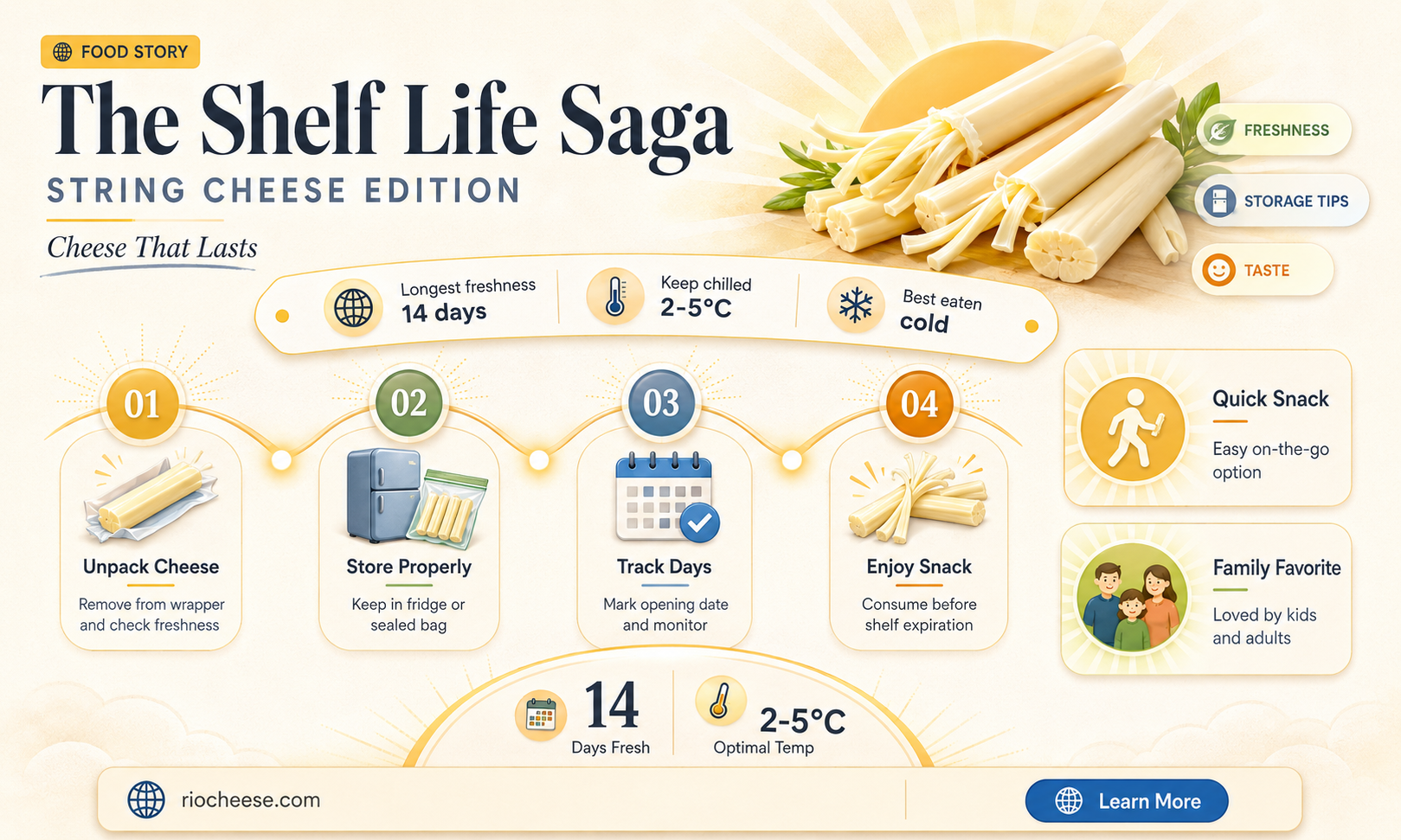
String cheese, a popular snack known for its stretchy texture and mild flavor, often leaves consumers wondering about its shelf life, especially after the expiration date has passed. While the expiration date is a guideline for optimal freshness and safety, it's not always a strict deadline. Various factors, including storage conditions, packaging integrity, and the specific type of string cheese, can influence how long it remains safe to eat past its expiration date. Generally, if stored properly in a refrigerator at a consistent temperature below 40°F (4°C), unopened string cheese can last up to two weeks beyond its expiration date. However, once opened, it's best consumed within a week to ensure quality and safety. Always check for signs of spoilage, such as an off smell, slimy texture, or mold, before consuming any dairy product past its expiration date.
Explore related products


What You'll Learn
- Storage Conditions: Proper refrigeration and packaging can extend string cheese's shelf life beyond the expiration date
- Signs of Spoilage: Look for mold, slimy texture, or off-odors to determine if string cheese has gone bad
- Freezing String Cheese: Freezing can prolong the cheese's freshness, but it may alter its texture and taste
- Health Risks: Consuming expired string cheese can lead to foodborne illnesses; always check for spoilage signs
- Best Practices: Use the first in, first out rule and store string cheese in the coldest part of the refrigerator

Storage Conditions: Proper refrigeration and packaging can extend string cheese's shelf life beyond the expiration date
Proper refrigeration is crucial for extending the shelf life of string cheese. The ideal temperature range for storing string cheese is between 35°F and 40°F (1.6°C and 4.4°C). This temperature range slows down the growth of bacteria and mold, which are the primary causes of spoilage. It's important to note that string cheese should never be frozen, as freezing can alter the texture and flavor of the cheese.
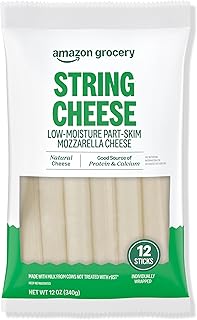
In addition to proper refrigeration, packaging plays a significant role in extending the shelf life of string cheese. String cheese should be stored in its original packaging, which is designed to provide a barrier against moisture and air. If the original packaging is damaged or compromised, it's best to transfer the string cheese to an airtight container or resealable plastic bag. This will help to prevent the cheese from drying out or absorbing odors from other foods in the refrigerator.
Another factor to consider is the type of string cheese. Some varieties, such as those with added flavors or spices, may have a shorter shelf life than plain string cheese. It's always best to check the expiration date on the packaging and consume the cheese before that date for the best quality and safety.
It's also important to handle string cheese properly to avoid contamination. Always wash your hands before handling the cheese, and use clean utensils to cut or serve it. If you notice any signs of spoilage, such as mold, sliminess, or an off odor, it's best to discard the cheese immediately.
By following these storage guidelines, you can help to extend the shelf life of your string cheese and enjoy it for a longer period of time. Remember, proper refrigeration and packaging are key to keeping your string cheese fresh and safe to eat.
The Shelf Life of Asiago Cheese: A Comprehensive Guide
You may want to see also
Explore related products




Signs of Spoilage: Look for mold, slimy texture, or off-odors to determine if string cheese has gone bad
String cheese, a popular snack among both children and adults, can be a convenient and tasty treat. However, like all dairy products, it has a limited shelf life and can spoil if not consumed within a certain timeframe. To determine if string cheese has gone bad, it's essential to look for specific signs of spoilage.
One of the most obvious indicators of spoiled string cheese is the presence of mold. Mold can appear as small, fuzzy spots or patches on the surface of the cheese, and it can range in color from white to green to black. If you notice any mold on your string cheese, it's best to discard it immediately, as consuming moldy dairy products can lead to foodborne illness.
Another sign of spoilage to watch out for is a slimy texture. Fresh string cheese should have a smooth, slightly firm texture that allows it to be easily pulled apart. If the cheese feels slimy or overly soft, it may be a sign that it has started to break down and spoil. This sliminess can be caused by the growth of bacteria or the natural enzymes in the cheese that begin to digest the proteins and fats over time.
Off-odors are another key indicator that your string cheese may have gone bad. Fresh string cheese should have a mild, slightly tangy smell. If the cheese emits a strong, unpleasant odor, such as a sour or ammonia-like smell, it's likely that it has spoiled. This off-odor can be caused by the same bacteria that lead to sliminess and mold growth.
In addition to these visual and olfactory cues, it's also important to pay attention to the expiration date on the packaging. While string cheese can sometimes last a few days past its expiration date if stored properly, it's generally best to consume it before the indicated date to ensure freshness and safety.
To extend the shelf life of your string cheese, it's crucial to store it in the refrigerator at a temperature of 40°F (4°C) or below. Avoid exposing the cheese to air for extended periods, as this can promote the growth of bacteria and mold. If you notice any signs of spoilage, such as mold, sliminess, or off-odors, it's best to err on the side of caution and discard the cheese to avoid any potential health risks.
The Shelf Life of Cheese Sticks: A Comprehensive Guide
You may want to see also
Explore related products





Freezing String Cheese: Freezing can prolong the cheese's freshness, but it may alter its texture and taste
Freezing string cheese can be an effective method to extend its shelf life beyond the expiration date. However, it's important to note that while freezing can preserve the cheese's freshness, it may also lead to changes in its texture and taste. The freezing process causes the moisture in the cheese to form ice crystals, which can disrupt the cheese's smooth texture and result in a slightly grainy or crumbly consistency when thawed. Additionally, the flavor of the cheese may become less pronounced or slightly different due to the freezing and thawing process.
To freeze string cheese, it's best to wrap it tightly in plastic wrap or aluminum foil to prevent freezer burn and to maintain its moisture content. It's also recommended to freeze the cheese in small portions, as this will make it easier to thaw and use as needed. When thawing frozen string cheese, it's important to do so slowly in the refrigerator to prevent the growth of harmful bacteria. Once thawed, the cheese should be consumed within a few days for optimal taste and texture.
While freezing can be a useful technique for prolonging the freshness of string cheese, it's important to consider the potential changes in texture and taste before deciding to freeze it. If the cheese is only slightly past its expiration date and still has a good texture and flavor, it may be better to consume it soon rather than freezing it and risking a change in its quality. On the other hand, if the cheese is significantly past its expiration date or has already begun to spoil, freezing may not be an effective method for preserving it.
In conclusion, freezing string cheese can be a helpful way to extend its shelf life, but it's important to be aware of the potential changes in texture and taste that may result from the freezing process. By following proper freezing and thawing techniques, it's possible to maintain the cheese's quality and enjoy it for a longer period of time. However, it's also important to consider the cheese's current state and whether freezing is the best option for preserving its quality.
The Shelf Life of Unopened Velveeta Cheese: A Comprehensive Guide
You may want to see also
Explore related products


Health Risks: Consuming expired string cheese can lead to foodborne illnesses; always check for spoilage signs
Consuming expired string cheese poses significant health risks, primarily due to the potential presence of harmful bacteria that can cause foodborne illnesses. These bacteria, such as Salmonella, E. coli, and Listeria, can multiply rapidly in the favorable environment of expired dairy products. The risk of contamination increases as the cheese ages past its expiration date, making it crucial to adhere to proper storage guidelines and consume the product within the recommended timeframe.
One of the most effective ways to mitigate these health risks is to diligently check for signs of spoilage before consuming string cheese. Spoilage signs may include an off or sour odor, discoloration, mold growth, or a slimy texture. If any of these signs are present, it is essential to discard the cheese immediately to avoid potential illness. Additionally, it is important to store string cheese properly in the refrigerator at a temperature below 40°F (4°C) to slow the growth of bacteria and extend its shelf life.
In the event of consuming expired string cheese, individuals may experience symptoms of foodborne illness, which can range from mild to severe. Common symptoms include nausea, vomiting, diarrhea, abdominal cramps, and fever. If these symptoms occur, it is advisable to seek medical attention promptly, as some cases may require hospitalization or specific treatments to manage complications.
To further reduce the risk of foodborne illnesses, it is recommended to follow safe food handling practices, such as washing hands thoroughly before and after handling food, using separate cutting boards for raw and cooked foods, and cooking foods to the appropriate internal temperature. By taking these precautions and being vigilant about the expiration dates and spoilage signs of string cheese, individuals can enjoy this popular snack safely while minimizing the risk of adverse health effects.
Maximizing Freshness: A Guide to Pepper Jack Cheese Storage
You may want to see also
Explore related products


Best Practices: Use the first in, first out rule and store string cheese in the coldest part of the refrigerator
String cheese, a popular snack among both children and adults, can last longer than its expiration date if stored properly. One of the best practices to extend its shelf life is to follow the first in, first out (FIFO) rule. This means that you should consume the oldest string cheese in your refrigerator before reaching for the newer ones. By doing so, you can ensure that you're using the product before it has a chance to spoil, reducing food waste and saving money.
In addition to following the FIFO rule, it's crucial to store string cheese in the coldest part of your refrigerator. This is typically the bottom shelf, away from the door. The temperature in this area is more consistent and lower than other parts of the fridge, which helps to slow down the growth of bacteria and mold. When storing string cheese, make sure it's in its original packaging or a tightly sealed container to prevent air from getting in and accelerating the spoilage process.
If you're unsure about the freshness of your string cheese, there are a few signs to look out for. Check for any discoloration, such as green or black spots, which indicate mold growth. Also, pay attention to the texture; if it's slimy or has a strong odor, it's likely past its prime. In general, unopened string cheese can last up to two weeks past its expiration date when stored properly, while opened string cheese should be consumed within a week.
To further extend the life of your string cheese, consider freezing it. Frozen string cheese can last up to three months, making it a convenient option for meal prep or snacking. When you're ready to use it, simply thaw it in the refrigerator overnight. Avoid freezing opened string cheese, as the texture may become grainy and unappetizing.
In conclusion, by following the FIFO rule, storing string cheese in the coldest part of your refrigerator, and being mindful of its freshness, you can enjoy this tasty snack for a longer period and reduce food waste. Remember, proper storage is key to extending the shelf life of many food items, including string cheese.
The Shelf Life of Unopened Boursin Cheese: A Comprehensive Guide
You may want to see also
Frequently asked questions
String cheese can last up to 2 weeks past its expiration date if stored in the refrigerator at a temperature below 40°F (4°C).
Signs that string cheese has gone bad include an off smell, slimy texture, mold growth, or any discoloration. If you notice any of these signs, it's best to discard the cheese.
Yes, string cheese can be frozen to extend its shelf life. When stored in the freezer at 0°F (-18°C) or below, it can last up to 6 months. Thaw it in the refrigerator before consuming.
To maintain its freshness, string cheese should be stored in the refrigerator in its original packaging or in an airtight container. It's important to keep it away from strong-smelling foods as it can absorb odors.
If string cheese has been left out at room temperature for more than 2 hours, it's not safe to eat. Bacteria can grow rapidly at temperatures between 40°F (4°C) and 140°F (60°C), which can lead to foodborne illness.


![Low Moisture Part-Skim Mozzarella String Cheese , Each individually wrapped stick offers a delicious, convenient way to get your daily dose of dairy, made from part-skim milk for a satisfying and wholesome treat. Ideal for lunchboxes, on-the-go snacking, or a protein-packed addition to your favorite meals [ 32 oz , 2 lb ]](https://m.media-amazon.com/images/I/51CnFOHJspL._AC_UL320_.jpg)