Kamil Perry
Mozzarella cheese, a staple in many culinary traditions, particularly Italian, is known for its soft texture and mild flavor. It's commonly used in a variety of dishes, from pizzas and pastas to salads and sandwiches. However, like many dairy products, mozzarella cheese requires proper storage to maintain its freshness and prevent spoilage. The question of how long mozzarella cheese can remain unrefrigerated is an important one for food safety and quality. Generally, mozzarella cheese should be refrigerated to keep it fresh, but there are some exceptions depending on the type and packaging.
Explore related products

$19.99 $23.99


$13.99


What You'll Learn
- Room Temperature Storage: Mozzarella can be left unrefrigerated for up to 2 hours at room temperature
- Optimal Refrigeration: For best quality, refrigerate mozzarella in a sealed container within 2 hours of opening
- Signs of Spoilage: Check for mold, sliminess, or a sour smell to determine if mozzarella has spoiled
- Freezing Instructions: Mozzarella can be frozen for up to 3 months. Thaw in the refrigerator overnight
- Health Risks: Leaving mozzarella unrefrigerated for too long can lead to bacterial growth, posing health risks

Room Temperature Storage: Mozzarella can be left unrefrigerated for up to 2 hours at room temperature
Mozzarella cheese, a staple in many culinary traditions, is often used in a variety of dishes ranging from pizzas to salads. One common question among consumers is regarding the safety and quality of mozzarella when left at room temperature. According to food safety guidelines, mozzarella can be safely left unrefrigerated for up to 2 hours at room temperature. This timeframe is based on the assumption that the cheese is fresh and has been properly stored prior to being left out.
It is important to note that this 2-hour window is a general guideline and can vary depending on several factors. The ambient temperature of the room, the humidity level, and the presence of other foods that may affect the cheese's temperature are all considerations. In warmer climates or during the summer months, it may be advisable to reduce this time to ensure the cheese remains safe to consume.
When mozzarella is left at room temperature for an extended period, it can begin to spoil, leading to changes in texture, flavor, and appearance. The cheese may become softer and more prone to mold growth, which can be harmful if ingested. Therefore, it is crucial to monitor the time mozzarella spends at room temperature and to refrigerate it promptly after use to maintain its quality and safety.
In summary, while mozzarella can be left unrefrigerated for up to 2 hours at room temperature, it is essential to consider environmental factors and to use the cheese within this timeframe to ensure it remains safe and enjoyable to eat. Proper storage and handling practices are key to preserving the quality and safety of mozzarella cheese.
Signs Your Mozzarella Cheese Has Gone Bad: A Guide
You may want to see also
Explore related products




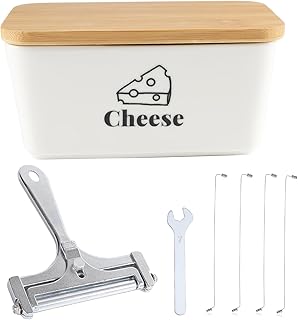

Optimal Refrigeration: For best quality, refrigerate mozzarella in a sealed container within 2 hours of opening
Mozzarella cheese, known for its creamy texture and mild flavor, is a staple in many households. However, its freshness and quality can quickly deteriorate if not stored properly. To maintain the best quality, it is crucial to refrigerate mozzarella in a sealed container within 2 hours of opening. This practice not only preserves the cheese's taste and texture but also ensures food safety by preventing the growth of harmful bacteria.
When mozzarella is left unrefrigerated for extended periods, it becomes susceptible to spoilage. The ideal temperature for storing mozzarella is between 35°F and 40°F (1.6°C and 4.4°C). If the cheese is exposed to temperatures above this range, it can start to melt, become slimy, and develop an off-flavor. Moreover, leaving mozzarella out for too long can lead to the growth of bacteria such as Listeria monocytogenes, which can cause serious foodborne illnesses.
To properly store mozzarella, it should be placed in an airtight container or wrapped tightly in plastic wrap or aluminum foil before being refrigerated. This helps to prevent the cheese from drying out and absorbing odors from other foods in the refrigerator. It is also important to consume mozzarella within a reasonable timeframe. Typically, fresh mozzarella can be stored in the refrigerator for up to 5 days, while shredded or sliced mozzarella can last up to 7 days.
In summary, refrigerating mozzarella in a sealed container within 2 hours of opening is essential for maintaining its quality and ensuring food safety. By following this guideline, you can enjoy the best taste and texture of your mozzarella cheese while minimizing the risk of spoilage and foodborne illnesses.
Parmesan vs. Mozzarella: A Cheesy Substitute Showdown
You may want to see also
Explore related products


Signs of Spoilage: Check for mold, sliminess, or a sour smell to determine if mozzarella has spoiled
Mozzarella cheese, like many dairy products, is susceptible to spoilage if not stored properly. While it's generally recommended to refrigerate mozzarella to maintain its freshness and prevent bacterial growth, there are certain signs you can look out for to determine if the cheese has spoiled, even if it's been left unrefrigerated for a short period.
One of the most obvious signs of spoilage in mozzarella is the presence of mold. Mold can appear as small, white, fuzzy patches on the surface of the cheese, and it may also have a greenish or bluish tint. If you notice any mold on your mozzarella, it's best to discard it immediately, as consuming moldy cheese can pose health risks.
Another indicator of spoilage is sliminess. Fresh mozzarella should have a slightly moist texture, but if it becomes excessively slimy or begins to liquefy, it's likely that bacteria have started to break down the cheese. This sliminess can also be accompanied by a strong, unpleasant odor, which is another sign that the cheese has gone bad.
In addition to mold and sliminess, a sour smell is a common sign of spoilage in mozzarella. Fresh mozzarella should have a mild, slightly salty aroma, but if it develops a sharp, tangy smell, it's likely that the cheese has been contaminated with bacteria. This sour smell can also be accompanied by a change in the cheese's color, which may become more yellowish or brownish.
To prevent spoilage and ensure the safety of your mozzarella, it's important to store it properly. If you plan to consume the cheese within a day or two, it can be stored at room temperature in a cool, dry place. However, if you need to store it for a longer period, it should be refrigerated in a sealed container or wrapped tightly in plastic wrap or aluminum foil. When in doubt, it's always better to err on the side of caution and discard any cheese that shows signs of spoilage.
The Surprising Truth About Waxing Mozzarella Cheese
You may want to see also
Explore related products


Freezing Instructions: Mozzarella can be frozen for up to 3 months. Thaw in the refrigerator overnight
Mozzarella cheese, a staple in many kitchens, requires proper storage to maintain its quality and safety. While refrigeration is the standard method for preserving mozzarella, there are occasions when freezing might be necessary. For instance, if you've purchased mozzarella in bulk or are preparing for an extended period without access to fresh dairy products, freezing can be a practical solution.
When freezing mozzarella, it's essential to follow specific guidelines to ensure the cheese retains its texture and flavor. Mozzarella can be frozen for up to 3 months, but it's crucial to thaw it properly to prevent any adverse changes in its consistency. The recommended thawing method is to place the frozen mozzarella in the refrigerator overnight, allowing it to slowly return to its optimal temperature and texture.
It's important to note that while freezing can extend the shelf life of mozzarella, it may not be suitable for all types of mozzarella cheese. Fresh mozzarella, which is typically softer and has a higher moisture content, may not freeze as well as the firmer, lower-moisture varieties. Additionally, freezing can alter the texture of the cheese, making it slightly grainier or crumbly upon thawing.
To minimize these changes, it's advisable to use frozen mozzarella in dishes where the texture is less critical, such as in sauces, soups, or casseroles. When using frozen mozzarella in recipes that require melting, such as pizzas or grilled cheese sandwiches, the slightly altered texture may not be as noticeable.
In summary, while freezing mozzarella can be a convenient storage method, it's essential to follow proper freezing and thawing techniques to maintain the cheese's quality. By understanding the limitations and potential changes that occur when freezing mozzarella, you can make informed decisions about its use in various culinary applications.
Mozzarella Magic: A Delicious Twist on Classic Poutine
You may want to see also
Explore related products



Health Risks: Leaving mozzarella unrefrigerated for too long can lead to bacterial growth, posing health risks
Mozzarella cheese, a staple in many cuisines, is particularly susceptible to bacterial growth when left unrefrigerated. The primary concern is the proliferation of harmful bacteria such as Listeria monocytogenes, which can cause severe foodborne illnesses. These bacteria thrive in the moist environment of mozzarella, especially when it is not properly stored.
The risk of bacterial contamination increases significantly after mozzarella has been left at room temperature for more than two hours. This timeframe is critical, as it allows bacteria to multiply rapidly, reaching dangerous levels. Symptoms of foodborne illness from contaminated mozzarella can include nausea, vomiting, diarrhea, and fever, and can be particularly severe in vulnerable populations such as the elderly, pregnant women, and individuals with weakened immune systems.
To mitigate these risks, it is essential to store mozzarella cheese properly. Ideally, mozzarella should be kept in the refrigerator at a temperature of 40°F (4°C) or below. If mozzarella is to be consumed within a short period, it can be left out for up to two hours, but it should be discarded if left out any longer. Additionally, it is important to handle mozzarella with clean hands and utensils to prevent cross-contamination.
In summary, the health risks associated with leaving mozzarella unrefrigerated for too long are significant and can lead to serious foodborne illnesses. Proper storage and handling are crucial to ensuring the safety and quality of mozzarella cheese.
From Pasteurized Milk to Mozzarella: A Cheese Lover's Guide
You may want to see also
Frequently asked questions
Mozzarella cheese can typically be left unrefrigerated for up to 2 hours. However, this time frame can vary depending on the specific type of mozzarella and the ambient temperature.
If mozzarella cheese is left out for too long, it can become unsafe to eat due to the growth of harmful bacteria. The cheese may also start to spoil, developing an off odor and slimy texture.
Yes, you can often tell if mozzarella cheese has gone bad by checking for signs of spoilage such as an off odor, slimy texture, or mold growth. If the cheese has been left unrefrigerated for more than 2 hours, it's best to discard it to avoid foodborne illness.
No, it is not safe to eat mozzarella cheese that has been left unrefrigerated overnight. Bacteria can grow rapidly at room temperature, making the cheese unsafe to consume after such a long period without refrigeration.