Frederic Melton
Mozzarella cheese, a staple in many culinary traditions, particularly Italian, is known for its versatility and delicious taste. However, like all perishable foods, it has a limited shelf life. Understanding how long mozzarella cheese can last is crucial for both food safety and quality assurance. Factors such as storage conditions, packaging, and the specific type of mozzarella (fresh, low-moisture, or processed) significantly influence its longevity. Proper storage can help extend its shelf life, ensuring that it remains safe and enjoyable to consume for as long as possible.
Explore related products


What You'll Learn
- Storage Conditions: Proper storage is crucial for extending the shelf life of mozzarella cheese
- Opened vs. Unopened: The longevity of mozzarella differs significantly depending on whether it's opened or unopened
- Refrigeration: Keeping mozzarella refrigerated helps slow down bacterial growth, preserving its freshness
- Freezing: Freezing mozzarella can extend its life further, but it may affect its texture and flavor
- Expiration Date: Always check the expiration date on the packaging to ensure food safety and quality

Storage Conditions: Proper storage is crucial for extending the shelf life of mozzarella cheese
Mozzarella cheese, like many dairy products, is sensitive to temperature and humidity, making proper storage essential for maintaining its quality and extending its shelf life. The ideal storage condition for mozzarella cheese is in the refrigerator at a consistent temperature between 35°F and 40°F (1.6°C and 4.4°C). This temperature range helps to slow down the growth of bacteria and mold, which can cause the cheese to spoil.
In addition to temperature, humidity also plays a crucial role in the storage of mozzarella cheese. High humidity can lead to the growth of mold, while low humidity can cause the cheese to dry out and become rubbery. The optimal humidity level for storing mozzarella cheese is between 80% and 85%. To maintain this level of humidity, you can store the cheese in a sealed container or wrap it tightly in plastic wrap or aluminum foil.
It's also important to store mozzarella cheese away from strong-smelling foods, as it can absorb odors easily. This is because cheese is a porous food and can pick up the scents of other items in the refrigerator. To prevent this, store the cheese in a separate compartment or drawer, or use a cheese storage container that is designed to keep odors out.
When it comes to the shelf life of mozzarella cheese, proper storage can make a significant difference. If stored correctly, mozzarella cheese can last for up to two weeks in the refrigerator. However, if the cheese is not stored properly, it can spoil much more quickly. For example, if the cheese is left at room temperature for more than a few hours, it can become unsafe to eat.
In conclusion, proper storage is crucial for extending the shelf life of mozzarella cheese. By maintaining the correct temperature, humidity, and storage environment, you can help to ensure that your mozzarella cheese stays fresh and delicious for as long as possible.
Delicious Mozzarella Cheese Dip: A Simple Recipe for Any Occasion
You may want to see also
Explore related products


Opened vs. Unopened: The longevity of mozzarella differs significantly depending on whether it's opened or unopened
Once opened, mozzarella cheese is exposed to air, which accelerates the oxidation process and leads to a faster deterioration of its quality. The cheese begins to dry out, and its texture becomes less creamy and more crumbly. Additionally, the risk of bacterial contamination increases once the cheese is opened, further reducing its shelf life. It is generally recommended to consume opened mozzarella within 3 to 5 days to ensure optimal taste and safety.
In contrast, unopened mozzarella cheese has a much longer shelf life. When stored properly in the refrigerator, unopened mozzarella can last for up to 2 weeks. The sealed packaging protects the cheese from air exposure and bacterial contamination, preserving its freshness and quality. However, it is essential to check the expiration date on the packaging and consume the cheese before that date to ensure its safety and taste.
The difference in shelf life between opened and unopened mozzarella highlights the importance of proper storage and handling. To maximize the longevity of mozzarella, it is crucial to store it in the refrigerator at a temperature between 35°F and 40°F (1.6°C and 4.4°C). Once opened, the cheese should be wrapped tightly in plastic wrap or aluminum foil to minimize air exposure and stored in the refrigerator. It is also advisable to consume opened mozzarella within a few days to enjoy its best quality.
In summary, the longevity of mozzarella cheese is significantly affected by whether it is opened or unopened. Opened mozzarella has a shorter shelf life of 3 to 5 days, while unopened mozzarella can last for up to 2 weeks when stored properly. Proper storage and handling are essential to maximize the shelf life of mozzarella and ensure its freshness and safety.
Exploring Tamale Fillings: Mozzarella Cheese as a Tasty Twist
You may want to see also
Explore related products


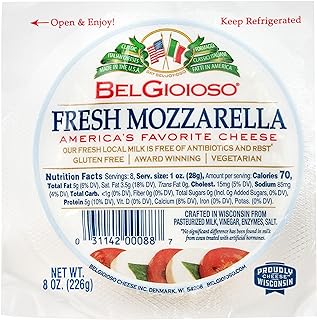


Refrigeration: Keeping mozzarella refrigerated helps slow down bacterial growth, preserving its freshness
Refrigeration plays a crucial role in extending the shelf life of mozzarella cheese by inhibiting bacterial growth. When stored at the optimal temperature of 35°F to 40°F, mozzarella can retain its freshness for up to two weeks. This temperature range slows down the metabolic activity of bacteria, preventing them from multiplying rapidly and spoiling the cheese. It's essential to store mozzarella in the refrigerator as soon as possible after purchase to maximize its longevity.
Proper storage is also vital to maintain the cheese's quality. Mozzarella should be kept in an airtight container or wrapped tightly in plastic wrap to prevent exposure to air, which can accelerate drying and spoilage. Additionally, it's important to avoid cross-contamination by storing mozzarella separately from other foods, especially those with strong odors or high moisture content. By following these guidelines, you can ensure that your mozzarella remains fresh and safe to consume for an extended period.
It's worth noting that while refrigeration helps preserve mozzarella's freshness, it can also affect its texture and flavor. Over time, refrigerated mozzarella may become slightly drier and less flavorful. To mitigate this, you can store it in the refrigerator for up to a week and then transfer it to room temperature for a few hours before serving to allow it to soften and regain some of its original flavor. This technique is particularly useful for mozzarella that will be used in dishes where texture and taste are crucial, such as in a Caprese salad or on a pizza.
In summary, refrigeration is a key factor in prolonging the shelf life of mozzarella cheese. By storing it at the correct temperature and following proper storage techniques, you can enjoy fresh, high-quality mozzarella for up to two weeks. However, it's important to be aware of the potential impact of refrigeration on the cheese's texture and flavor and to take steps to mitigate these effects when necessary.
Mozzarella Cheese Storage: How Long Can It Stay Out?
You may want to see also
Explore related products


Freezing: Freezing mozzarella can extend its life further, but it may affect its texture and flavor
Freezing mozzarella cheese is a practical method to extend its shelf life beyond the typical 2-3 weeks when refrigerated. However, it's important to note that freezing can alter the cheese's texture and flavor. When mozzarella is frozen, the water content within the cheese forms ice crystals, which can disrupt the smooth, stretchy texture that fresh mozzarella is known for. Upon thawing, the cheese may become grainy or crumbly, and its ability to melt evenly can be compromised.
To freeze mozzarella effectively, it's recommended to wrap it tightly in plastic wrap or aluminum foil to prevent freezer burn and absorbency of other odors. It's also advisable to freeze mozzarella in small portions, as this allows for more controlled thawing and reduces the risk of texture degradation. When you're ready to use the frozen mozzarella, thaw it slowly in the refrigerator for several hours or overnight. Avoid thawing mozzarella at room temperature or in warm water, as this can further affect its texture and potentially lead to bacterial growth.
Despite the potential changes in texture and flavor, freezing mozzarella can be a useful technique for preserving surplus cheese or for those who prefer to buy in bulk. The key is to manage expectations regarding the cheese's quality post-freezing and to use it in dishes where the altered texture is less noticeable, such as in baked casseroles or as a topping for pizzas where the cheese will be melted and mixed with other ingredients.
The Surprising Truth About Waxing Mozzarella Cheese
You may want to see also
Explore related products
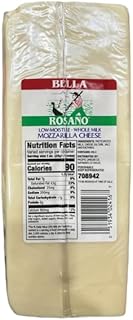

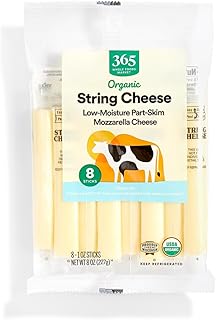


Expiration Date: Always check the expiration date on the packaging to ensure food safety and quality
Checking the expiration date on mozzarella cheese packaging is crucial for ensuring both food safety and quality. The expiration date indicates the last day the manufacturer guarantees the cheese will maintain its optimal taste, texture, and nutritional value. Consuming mozzarella past its expiration date can lead to a decline in quality, affecting the flavor and potentially posing health risks.
Manufacturers determine the expiration date based on various factors, including the cheese's production method, ingredients, and packaging. For instance, mozzarella made with pasteurized milk and processed using modern techniques may have a longer shelf life compared to artisanal varieties made with raw milk. Additionally, the type of packaging, such as vacuum-sealed or wrapped in plastic, can influence how long the cheese remains fresh.
To ensure you're getting the best quality mozzarella, always check the expiration date before purchasing. If you're unsure about the date's meaning or can't find it on the package, don't hesitate to ask the store staff for assistance. Once you've purchased the cheese, store it properly in the refrigerator to maintain its freshness until the expiration date.
It's also important to note that the "sell by" date, which is sometimes used interchangeably with the expiration date, is not a strict deadline for consumption. Rather, it indicates the date by which the store should sell the product to ensure maximum quality. If you purchase mozzarella close to its "sell by" date, it's best to consume it within a day or two to enjoy its peak flavor and texture.
In summary, always checking the expiration date on mozzarella cheese packaging is a simple yet effective way to ensure you're consuming safe, high-quality cheese. By understanding the factors that influence the expiration date and storing the cheese properly, you can enjoy delicious mozzarella while minimizing the risk of foodborne illness or unpleasant taste experiences.
Mozzarella Twist: Elevating Buffalo Chicken Dip with Creamy Goodness
You may want to see also
Frequently asked questions
When properly stored in the refrigerator, mozzarella cheese can last for about 1 to 2 weeks. It's important to keep it in an airtight container or wrap it tightly in plastic wrap to prevent it from drying out or absorbing odors from other foods.
Mozzarella cheese has gone bad if it has a strong, unpleasant odor, a slimy or moldy appearance, or if it has become very hard and dry. If you notice any of these signs, it's best to discard the cheese.
Yes, mozzarella cheese can be frozen, but it's important to note that the texture may change upon thawing. To freeze mozzarella, wrap it tightly in plastic wrap or aluminum foil and place it in a freezer-safe bag. It can be stored in the freezer for up to 3 months.
After opening, mozzarella cheese should be stored in the refrigerator in an airtight container or wrapped tightly in plastic wrap. It's best to consume it within a week for optimal freshness and flavor.