Patrick Oconnell
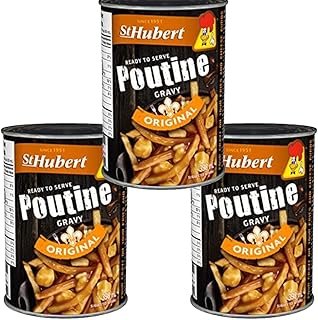
Poutine, a quintessential Canadian dish, traditionally consists of crispy french fries topped with rich, savory gravy and squeaky cheese curds. While mozzarella cheese is not the conventional choice for poutine, its mild flavor and excellent melting properties make it a viable alternative. In this culinary exploration, we delve into the possibility of using mozzarella cheese for poutine, examining how its texture and taste might complement or alter the classic dish. We'll also consider the cultural implications of modifying a beloved national recipe and the potential for mozzarella to offer a unique twist on this comfort food favorite.
Explore related products



What You'll Learn
- Mozzarella vs. Traditional Cheese Curds: Comparing the meltability and flavor profiles of mozzarella and cheese curds for poutine
- Texture and Stretch: Analyzing how mozzarella's texture and stretchiness affect the overall poutine eating experience
- Flavor Impact: Discussing how mozzarella's mild flavor influences the taste of poutine compared to sharper cheese curds
- Melting Characteristics: Exploring how mozzarella melts differently than cheese curds and its effect on poutine's gravy absorption
- Culinary Authenticity: Debating whether using mozzarella cheese aligns with traditional poutine recipes and cultural authenticity

Mozzarella vs. Traditional Cheese Curds: Comparing the meltability and flavor profiles of mozzarella and cheese curds for poutine
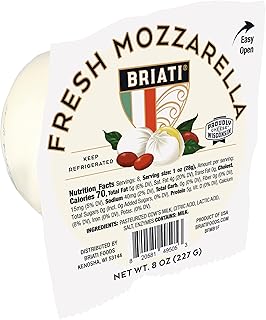
Mozzarella cheese, known for its excellent meltability and mild flavor, has become a popular alternative to traditional cheese curds in poutine. One of the primary advantages of using mozzarella is its ability to create a smooth, stretchy texture when melted, which can enhance the overall eating experience of poutine. Additionally, mozzarella's mild flavor allows it to complement the rich, savory taste of the gravy and the crispy texture of the fries without overpowering them.
On the other hand, traditional cheese curds offer a distinct squeaky texture and a slightly sharper flavor that many poutine enthusiasts appreciate. The curds' ability to retain their shape and provide a bit of resistance when bitten into adds a unique element to the dish. However, they may not melt as smoothly as mozzarella, which can result in a less cohesive texture throughout the poutine.
When comparing the two options, it ultimately comes down to personal preference and the desired texture and flavor profile for the poutine. Mozzarella may be a better choice for those who prefer a milder taste and a smoother, stretchier texture, while traditional cheese curds may be more appealing to those who enjoy a sharper flavor and a squeaky texture.
In terms of preparation, both mozzarella and cheese curds can be used in a similar manner for poutine. Simply shred or chop the cheese into small pieces and sprinkle it over the fries before pouring the hot gravy on top. The heat from the gravy will cause both types of cheese to melt, creating a delicious and satisfying poutine.
In conclusion, while mozzarella cheese can be a suitable substitute for traditional cheese curds in poutine, each option offers its own unique characteristics that cater to different taste preferences. Experimenting with both types of cheese can help determine which one best suits an individual's poutine preferences.
Mozzarella Magic: Elevating Fries to a Cheesy Delight
You may want to see also
Explore related products


Texture and Stretch: Analyzing how mozzarella's texture and stretchiness affect the overall poutine eating experience
The texture and stretchiness of mozzarella cheese play a crucial role in the poutine eating experience. When melted, mozzarella's smooth, elastic texture creates a luxurious, velvety blanket over the fries and gravy, enhancing the dish's overall mouthfeel. The cheese's ability to stretch and pull apart without breaking adds a playful, interactive element to eating poutine, making it a more engaging and enjoyable experience.
One of the key factors contributing to mozzarella's desirable texture and stretchiness is its moisture content. Fresh mozzarella, with its high moisture content, melts more smoothly and stretches more easily than lower-moisture varieties. This is because the water in the cheese helps to break down the protein bonds, allowing the cheese to flow and stretch more readily. As a result, fresh mozzarella is often preferred for poutine, as it provides the ideal combination of meltability and stretchiness.
Another important aspect of mozzarella's texture is its fat content. Whole milk mozzarella, with its higher fat content, tends to melt more smoothly and stretch more easily than part-skim or skim milk varieties. This is because the fat in the cheese helps to lubricate the protein bonds, allowing them to slide past each other more easily. As a result, whole milk mozzarella is often considered the best choice for poutine, as it provides a rich, creamy texture and excellent stretchiness.
The way in which the mozzarella is melted also affects its texture and stretchiness. When melted slowly and gently, the cheese has more time to break down its protein bonds, resulting in a smoother, more stretchy texture. In contrast, when melted quickly or at too high a temperature, the cheese can become tough and rubbery, losing its desirable stretchiness. To achieve the perfect texture and stretchiness for poutine, it's important to melt the mozzarella slowly and carefully, allowing it to reach a smooth, velvety consistency.
In conclusion, the texture and stretchiness of mozzarella cheese are essential components of the poutine eating experience. By choosing the right type of mozzarella, melting it properly, and understanding the role of moisture and fat content, you can create a poutine that is not only delicious but also a joy to eat.
From Homogenized Milk to Mozzarella: A Cheese Lover's Guide
You may want to see also
Explore related products




Flavor Impact: Discussing how mozzarella's mild flavor influences the taste of poutine compared to sharper cheese curds
Mozzarella's mild flavor profile significantly impacts the taste of poutine, offering a subtle, creamy complement to the dish's other bold components. Unlike sharper cheese curds, which provide a tangy, assertive taste that cuts through the richness of the gravy and fries, mozzarella's gentle flavor melds seamlessly with the other ingredients, creating a more harmonious and mellow overall taste.
One of the key advantages of using mozzarella in poutine is its ability to balance the dish's flavors without overpowering them. The mildness of mozzarella allows the natural flavors of the fries and gravy to shine through, while its creamy texture adds a luxurious mouthfeel that enhances the overall eating experience. This makes mozzarella an excellent choice for those who prefer a less intense cheese flavor in their poutine.
However, it's important to note that the choice of mozzarella over traditional cheese curds can also affect the dish's authenticity. Poutine purists may argue that the sharp, squeaky texture of cheese curds is an essential component of the classic poutine experience. In this case, using mozzarella would result in a dish that, while still delicious, may not fully capture the essence of traditional poutine.
When considering the flavor impact of mozzarella in poutine, it's also worth exploring the various types of mozzarella available. Fresh mozzarella, with its soft, delicate texture and mild flavor, would provide a different taste experience than aged mozzarella, which has a slightly sharper flavor and firmer texture. Additionally, the use of buffalo mozzarella, known for its rich, buttery flavor, could add a unique twist to the dish.
Ultimately, the decision to use mozzarella in poutine comes down to personal preference and the desired flavor profile. For those seeking a milder, creamier cheese option that complements the other ingredients without overpowering them, mozzarella can be an excellent choice. However, for those who crave the sharp, tangy flavor of traditional cheese curds, mozzarella may not fully satisfy their poutine cravings.
Mozzarella Magic: Can This Cheese Elevate Your Popovers?
You may want to see also
Explore related products


Melting Characteristics: Exploring how mozzarella melts differently than cheese curds and its effect on poutine's gravy absorption
Mozzarella cheese and cheese curds have distinct melting characteristics that significantly impact their performance in poutine. Mozzarella, known for its smooth and stretchy melt, owes this quality to its high moisture content and the way its proteins align during heating. When melted, mozzarella forms a cohesive, elastic network that can stretch and pull apart, creating those iconic cheese strings beloved in many dishes.
In contrast, cheese curds have a lower moisture content and a different protein structure. When heated, curds melt into a thicker, more granular substance that doesn't stretch as smoothly as mozzarella. This difference in texture is crucial in poutine, as the curds' ability to hold their shape and resist melting completely allows them to maintain a distinct squeaky texture that is a hallmark of traditional poutine.
The melting behavior of these cheeses also affects how they interact with the gravy in poutine. Mozzarella's smooth, stretchy melt can create a more uniform layer of cheese that may absorb less gravy, potentially leaving more of the sauce to pool around the fries. Cheese curds, on the other hand, retain more of their shape and create pockets that can trap the gravy, resulting in a more integrated and flavorful bite.
When considering using mozzarella for poutine, it's essential to understand these melting differences. While mozzarella can provide a delicious, gooey texture, it may not offer the same squeaky contrast that cheese curds provide. Experimenting with different ratios of mozzarella to curds or using a blend of cheeses can help achieve a balance of textures and flavors that suits individual preferences.
In summary, the unique melting characteristics of mozzarella and cheese curds play a significant role in the overall experience of poutine. Understanding these differences can help in crafting the perfect dish, whether one prefers a stretchy, gooey cheese or a squeaky, textured curd.
Mozzarella Magic: Transforming Fresh Cheese into Irresistible Sticks
You may want to see also
Explore related products



Culinary Authenticity: Debating whether using mozzarella cheese aligns with traditional poutine recipes and cultural authenticity
The debate surrounding the use of mozzarella cheese in poutine is deeply rooted in discussions of culinary authenticity. Traditional poutine, a beloved Canadian dish, is made with fries, gravy, and cheese curds. The specific type of cheese used is integral to the dish's identity, with cheese curds providing a unique texture and flavor that distinguishes poutine from other similar dishes.
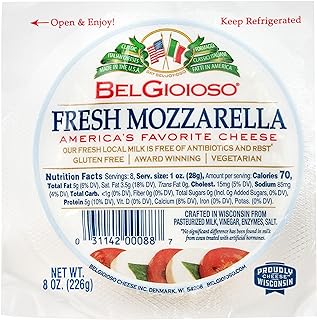
Mozzarella cheese, while popular and widely available, differs significantly from cheese curds. Cheese curds are fresh, moist pieces of curdled milk that are typically squeaky when bitten into. Mozzarella, on the other hand, is a processed cheese that has been stretched and kneaded to achieve its characteristic smooth, elastic texture. When melted, mozzarella becomes gooey and stretchy, which is a stark contrast to the way cheese curds melt into a creamy, slightly grainy consistency.
The use of mozzarella in poutine is often seen as a deviation from the traditional recipe, leading to debates about whether it can still be considered authentic poutine. Some argue that the substitution of mozzarella for cheese curds is acceptable due to its similar melting properties and mild flavor. However, purists contend that the unique texture and taste of cheese curds are essential to the dish's authenticity, and that using mozzarella is akin to making a different dish altogether.
In recent years, the popularity of poutine has led to numerous variations and creative interpretations of the classic recipe. While some of these adaptations are embraced as innovative and delicious, others are met with resistance from those who believe that certain ingredients are non-negotiable. The mozzarella cheese debate is a prime example of this tension between tradition and innovation in the culinary world.
Ultimately, the question of whether mozzarella cheese can be used for poutine comes down to personal preference and cultural context. For some, the convenience and familiarity of mozzarella make it a suitable substitute for cheese curds. For others, the use of mozzarella is a departure from the dish's roots and a compromise of its authenticity. As with many culinary debates, there is no one-size-fits-all answer, and the choice of cheese in poutine will likely continue to be a topic of discussion and contention.
Exploring Mozzarella's Role in Authentic Alfredo Sauce Recipes
You may want to see also
Frequently asked questions
While traditional poutine uses cheese curds, mozzarella cheese can be used as a substitute. However, it's important to note that mozzarella will not provide the same squeaky texture and distinct flavor that cheese curds offer.
Cheese curds are fresh, moist pieces of curdled milk that are often associated with their squeaky texture when bitten into. Mozzarella cheese, on the other hand, is a type of Italian cheese made from cow's milk or buffalo milk and is known for its smooth, stretchy texture and mild flavor.
Using mozzarella cheese in place of cheese curds will result in a different taste and texture for your poutine. Mozzarella will melt more smoothly and evenly, but it won't provide the characteristic squeak of cheese curds. The flavor will also be milder, which may alter the overall taste profile of the dish.