Frederic Melton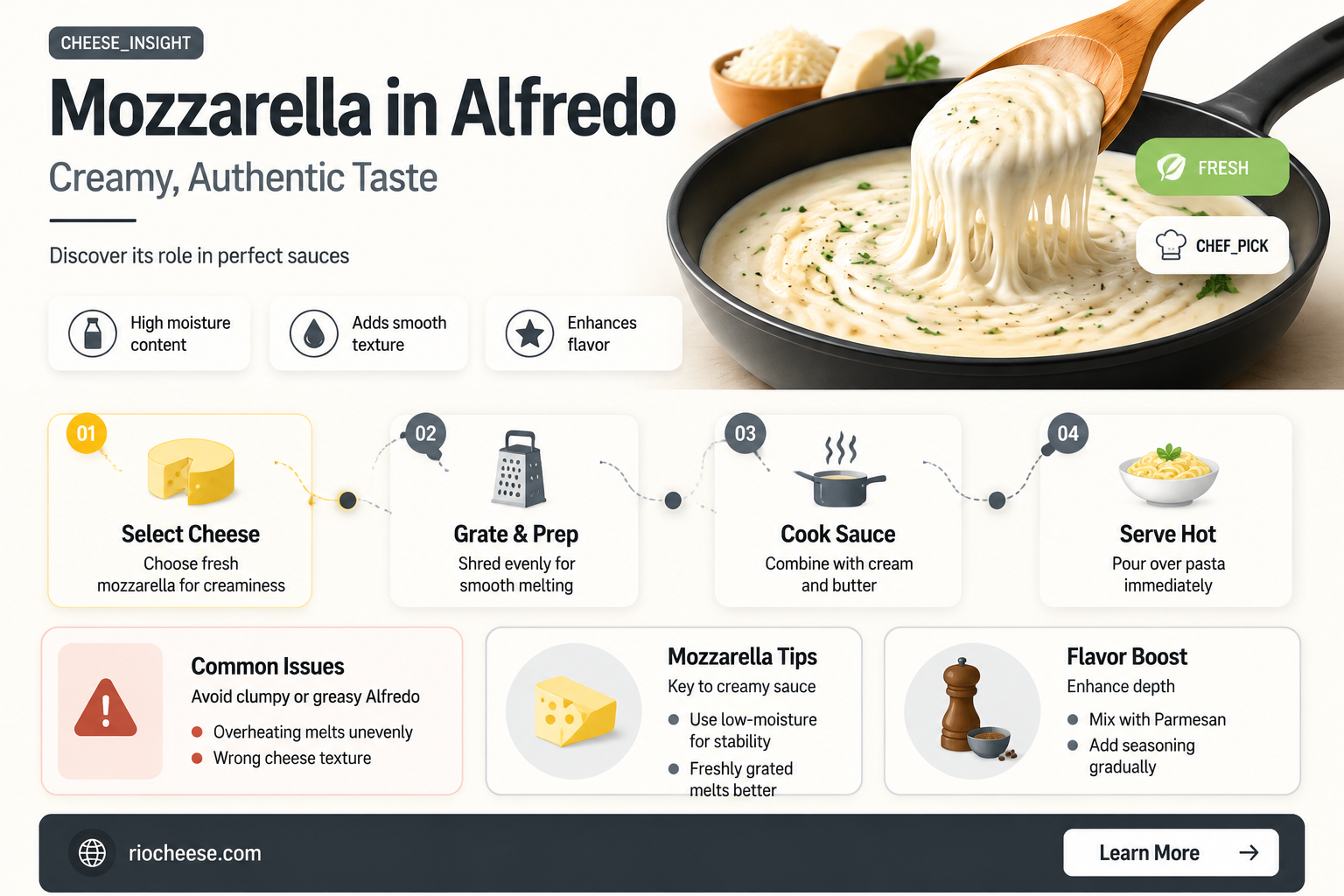
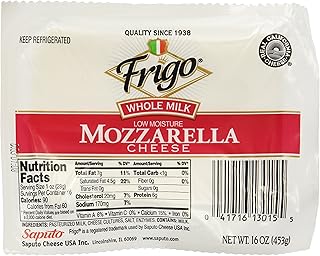
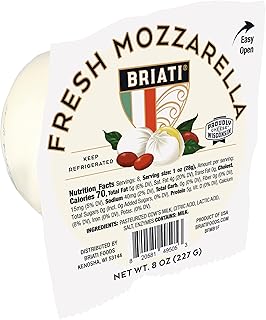
When it comes to crafting a delicious Alfredo sauce, the choice of cheese can make all the difference. While traditional recipes often call for Parmesan, many home cooks wonder if mozzarella cheese can be a suitable substitute. The answer is yes, you can use mozzarella cheese for Alfredo sauce, but it will result in a different flavor and texture profile. Mozzarella has a milder taste and a stretchier consistency compared to Parmesan, which is known for its sharp, nutty flavor and hard texture. Using mozzarella will create a creamier, more delicate Alfredo sauce that pairs well with lighter pasta dishes. However, if you're looking for the classic, robust flavor of traditional Alfredo, Parmesan is still the way to go.
Explore related products




What You'll Learn
- Mozzarella vs. Parmesan: Understanding the differences in flavor and texture between these two popular Italian cheeses
- Traditional Alfredo Recipe: Exploring the classic ingredients and preparation methods for authentic Alfredo sauce
- Cheese Substitutions: Discussing the pros and cons of substituting mozzarella for Parmesan in various recipes
- Nutritional Comparison: Comparing the nutritional values of mozzarella and Parmesan to make informed dietary choices
- Culinary Creativity: Encouraging experimentation with different cheese combinations to create unique and delicious pasta dishes

Mozzarella vs. Parmesan: Understanding the differences in flavor and texture between these two popular Italian cheeses
Mozzarella and Parmesan are two quintessential Italian cheeses, each with its own distinct flavor profile and culinary applications. Mozzarella, known for its mild taste and stretchy texture, is a staple in pizza-making and is often used in dishes where a soft, meltable cheese is desired. On the other hand, Parmesan boasts a sharp, nutty flavor and a hard, granular texture, making it ideal for grating over pasta dishes or using in recipes that require a more robust cheese presence.
One of the key differences between Mozzarella and Parmesan lies in their production processes. Mozzarella is typically made from cow's milk and is coagulated using rennet, resulting in its characteristic soft and elastic curds. Parmesan, also made from cow's milk, undergoes a longer aging process, which contributes to its firmer texture and more pronounced flavor. This aging process involves salting and pressing the curds, followed by maturation in temperature and humidity-controlled environments for several months to years.
In terms of flavor, Mozzarella is relatively mild and buttery, with a subtle tanginess that complements a wide range of ingredients without overpowering them. Parmesan, in contrast, has a bold, savory taste with hints of umami and a slightly salty finish. This intense flavor makes Parmesan a popular choice for enhancing the taste of various dishes, particularly those with rich sauces or hearty ingredients.
When it comes to texture, Mozzarella is prized for its meltability and stretchiness, qualities that make it perfect for creating gooey, stringy cheese pulls on pizzas and in other baked dishes. Parmesan's hard, crumbly texture, on the other hand, is better suited for grating or shaving over food, adding a satisfying crunch and a burst of flavor to each bite.
In the context of Alfredo sauce, while Mozzarella is not traditionally used due to its mild flavor and tendency to become too greasy when melted, it can still be incorporated in certain recipes to add a creamy, stretchy element to the dish. Parmesan, with its sharp taste and ability to hold its shape when grated, is a more common choice for Alfredo sauce, as it provides a rich, savory depth that complements the butter and cream base of the sauce.
In conclusion, understanding the differences between Mozzarella and Parmesan is essential for selecting the right cheese for your culinary needs. Whether you're looking for a mild, meltable cheese for pizza or a bold, crumbly cheese for grating over pasta, knowing the unique characteristics of each cheese will help you make informed decisions in the kitchen.
From Homogenized Milk to Mozzarella: A Cheese Lover's Guide
You may want to see also
Explore related products


Traditional Alfredo Recipe: Exploring the classic ingredients and preparation methods for authentic Alfredo sauce
The traditional Alfredo recipe is a testament to the simplicity and richness of Italian cuisine. At its core, authentic Alfredo sauce is made with just a few high-quality ingredients: butter, heavy cream, and freshly grated Parmesan cheese. The sauce's velvety texture and decadent flavor come from the careful balance and preparation of these components. To make a classic Alfredo sauce, start by melting butter in a saucepan over medium heat. Once the butter has melted and begins to foam, slowly whisk in heavy cream, allowing the mixture to simmer gently until it thickens slightly. Then, gradually add freshly grated Parmesan cheese, stirring constantly to ensure it melts smoothly and incorporates into the sauce. Season with salt and freshly ground black pepper to taste.
While the traditional Alfredo recipe calls for Parmesan cheese, many people wonder if mozzarella can be used as a substitute. Mozzarella cheese has a milder flavor and a higher moisture content than Parmesan, which can affect the sauce's texture and taste. However, if you prefer a milder cheese or have mozzarella on hand, you can experiment with using it in your Alfredo sauce. Keep in mind that the sauce may be less thick and have a slightly different flavor profile. To use mozzarella, follow the same preparation method as with Parmesan, but be cautious not to overheat the sauce, as mozzarella can become stringy or separate when heated too quickly.
When preparing Alfredo sauce, it's essential to use high-quality ingredients and pay attention to the cooking process. Using unsalted butter will allow you to control the saltiness of the sauce, and freshly grated Parmesan cheese will provide a more intense flavor than pre-shredded cheese. Additionally, be sure to cook the sauce over medium heat to prevent it from burning or separating. Stirring constantly and allowing the sauce to simmer gently will help achieve the desired creamy consistency.
In conclusion, while the traditional Alfredo recipe calls for Parmesan cheese, mozzarella can be used as a substitute if desired. However, it's important to note that using mozzarella will result in a different flavor and texture profile. To make an authentic Alfredo sauce, stick to the classic ingredients and preparation methods, and don't be afraid to experiment with variations to suit your taste preferences.
Elevate Your Lasagna: The Fresh Mozzarella Cheese Twist
You may want to see also
Explore related products


Cheese Substitutions: Discussing the pros and cons of substituting mozzarella for Parmesan in various recipes
In the realm of culinary substitutions, the debate over using mozzarella in place of Parmesan is a contentious one. While both cheeses share an Italian heritage, their flavor profiles, textures, and melting properties are distinct, which can significantly impact the outcome of a dish. Mozzarella, known for its mild flavor and stretchy melt, is a staple in pizzas and caprese salads. Parmesan, on the other hand, boasts a sharp, nutty taste and a granular texture that lends itself well to grating over pasta dishes and salads.
Substituting mozzarella for Parmesan in recipes like alfredo sauce can lead to a milder, creamier sauce, but it may lack the depth and umami that Parmesan provides. The melting properties of mozzarella can also result in a sauce that is more stringy and less smooth. However, for those who prefer a less intense cheese flavor or are looking for a vegetarian alternative to Parmesan (which is often aged with animal rennet), mozzarella can be a suitable substitute.
When considering cheese substitutions, it's essential to think about the overall flavor balance of the dish. If a recipe calls for Parmesan as a garnish, mozzarella may not provide the same salty kick. In baked dishes, the moisture content of mozzarella can affect the final texture, potentially making the dish soggier. It's also worth noting that the fat content of mozzarella is generally higher than that of Parmesan, which can influence the richness of the dish.
In conclusion, while mozzarella can be used as a substitute for Parmesan in certain recipes, it's crucial to consider the specific qualities each cheese brings to the table. Experimentation may be necessary to find the perfect balance, and in some cases, a blend of cheeses might be the best solution to achieve the desired flavor and texture.
Mozzarella Magic: Elevating Fries to a Cheesy Delight
You may want to see also
Explore related products




Nutritional Comparison: Comparing the nutritional values of mozzarella and Parmesan to make informed dietary choices
Mozzarella and Parmesan cheeses, both staples in Italian cuisine, offer distinct nutritional profiles that can influence dietary choices. Mozzarella, known for its mild flavor and stretchy texture, is lower in fat and calories compared to Parmesan. A 1-ounce serving of mozzarella contains approximately 70-80 calories and 5-6 grams of fat, making it a lighter option for those monitoring their caloric intake.
In contrast, Parmesan cheese is more calorie-dense, with a 1-ounce serving providing around 100-110 calories and 7-8 grams of fat. However, Parmesan is also richer in protein and calcium, offering about 7-8 grams of protein and 300-350 mg of calcium per ounce. This makes it a more nutritious choice for individuals seeking to boost their protein and calcium intake, such as older adults or those with specific dietary needs.
When considering the use of mozzarella in Alfredo sauce, its lower fat content can be beneficial for creating a lighter version of the traditionally rich and creamy dish. However, mozzarella's milder flavor may not provide the same depth of taste as Parmesan, which is often used in Alfredo recipes for its strong, nutty flavor. A combination of both cheeses could offer a balanced approach, incorporating the desirable qualities of each.
Ultimately, the choice between mozzarella and Parmesan depends on individual dietary goals and preferences. For those looking to reduce calorie and fat intake while still enjoying a flavorful dish, mozzarella may be the better option. Conversely, individuals seeking to increase their protein and calcium consumption might prefer Parmesan, despite its higher calorie content. By understanding the nutritional differences between these two cheeses, one can make informed decisions when preparing dishes like Alfredo sauce.
Mozzarella Magic: Versatile Uses Beyond Pizza
You may want to see also
Explore related products


Culinary Creativity: Encouraging experimentation with different cheese combinations to create unique and delicious pasta dishes
While mozzarella is traditionally associated with pizza and caprese salads, its mild flavor and creamy texture make it a surprisingly versatile ingredient for pasta dishes, including Alfredo. The key to successfully incorporating mozzarella into an Alfredo sauce lies in understanding how to balance its delicate taste with other, more robust flavors. One approach is to combine mozzarella with a blend of other cheeses, such as Parmesan and Pecorino Romano, which are staples in classic Alfredo recipes. This combination allows the mozzarella to add a smooth, velvety consistency to the sauce without overpowering the other flavors.
To experiment with different cheese combinations, start by selecting a variety of cheeses with complementary flavors and textures. For example, you might pair mozzarella with sharp cheddar for a tangy kick, or with fontina for a nutty, slightly sweet undertone. When combining cheeses, it's important to consider the melting points and fat content of each variety, as these factors will affect the overall consistency and richness of the sauce. For a lighter sauce, opt for cheeses with lower fat content, such as part-skim mozzarella and reduced-fat cheddar. For a more indulgent dish, choose full-fat varieties and add a splash of heavy cream to enhance the sauce's richness.
Once you've selected your cheese combination, the next step is to experiment with different cooking techniques to achieve the desired texture and flavor. One method is to melt the cheeses together in a double boiler, stirring constantly until smooth and creamy. Another approach is to blend the cheeses with cooked pasta and a small amount of pasta water to create a sauce that clings to each noodle. For a more rustic texture, you can also try grating the cheeses over the pasta and allowing them to melt slightly from the residual heat.
When it comes to seasoning, don't be afraid to get creative. While traditional Alfredo sauce relies on garlic, salt, and pepper, you can add a unique twist by incorporating other herbs and spices. For example, a sprinkle of dried oregano or basil can add depth to the sauce, while a pinch of red pepper flakes can provide a subtle heat. You can also experiment with different types of pasta to find the perfect match for your cheese combination. For instance, a hearty rigatoni or penne can hold up well to a chunky, cheese-laden sauce, while a delicate fettuccine or linguine can be complemented by a lighter, more refined sauce.
In conclusion, mozzarella cheese can be a delicious and innovative addition to Alfredo sauce, especially when paired with other cheeses and flavors. By experimenting with different cheese combinations, cooking techniques, and seasonings, you can create a unique and satisfying pasta dish that puts a creative spin on this classic recipe.
Mozzarella Magic: Transforming Fresh Cheese into Irresistible Sticks
You may want to see also
Frequently asked questions
While mozzarella cheese can be used in Alfredo sauce, it's not the traditional choice. Classic Alfredo sauce is typically made with Parmesan cheese, which has a sharper, more distinct flavor that complements the rich, creamy sauce. Mozzarella, on the other hand, has a milder taste and a higher moisture content, which can make the sauce less thick and slightly watery. However, if you prefer a milder cheese flavor or don't have Parmesan on hand, mozzarella can be a suitable substitute.
Using mozzarella cheese in Alfredo sauce can result in a slightly different texture compared to using Parmesan. Mozzarella has a higher moisture content, which can make the sauce a bit thinner and more fluid. Additionally, mozzarella doesn't melt as smoothly as Parmesan, so the sauce may have a slightly grainier texture. However, if you're looking for a creamier, more velvety sauce, you can try blending the mozzarella with the other ingredients to achieve a smoother consistency.
In addition to mozzarella and Parmesan, there are several other cheeses that can be used in Alfredo sauce to add unique flavors and textures. Some popular options include:
- Pecorino Romano: A salty, tangy cheese that adds a bold flavor to the sauce.
- Fontina: A semi-soft cheese with a nutty, slightly sweet taste that melts well and creates a creamy texture.
- Gruyère: A Swiss cheese with a mild, slightly sweet flavor that adds a smooth, velvety texture to the sauce.
- Asiago: A hard cheese with a sharp, nutty flavor that can be grated over the sauce for added depth.
While traditional Alfredo sauce is made with heavy cream and cheese, it is possible to make a dairy-free version using mozzarella cheese. To do this, you can substitute the heavy cream with a dairy-free alternative like coconut milk, almond milk, or cashew cream. Additionally, you can use a dairy-free mozzarella cheese or omit the cheese altogether and rely on nutritional yeast or other seasonings to add flavor. Keep in mind that the texture and taste of the sauce may be different from the traditional version, but it can still be a delicious and satisfying option for those with dairy restrictions.