Bushra Griffith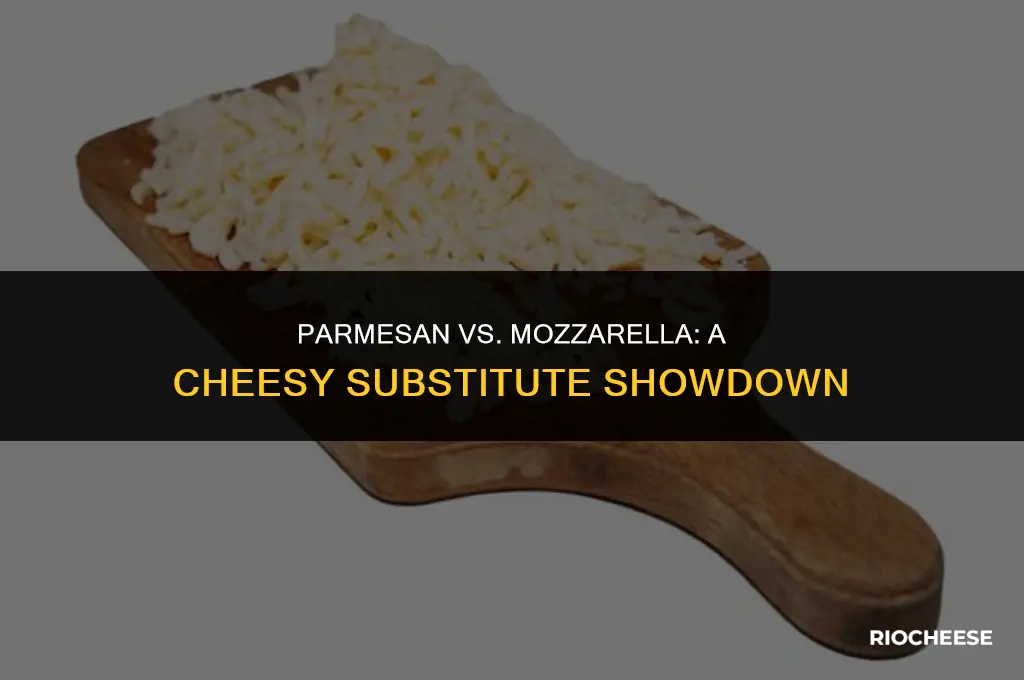
When it comes to cheese substitutions in recipes, one common question is whether Parmesan can be used in place of mozzarella. Parmesan cheese, known for its sharp, nutty flavor and hard texture, is often used as a topping or garnish, while mozzarella, with its mild taste and excellent melting properties, is a staple in many dishes like pizzas, lasagnas, and casseroles. Although they have different flavor profiles and textures, Parmesan can sometimes be used as a substitute for mozzarella, depending on the dish and the desired outcome. For instance, in some recipes where a stronger cheese flavor is preferred, or when mozzarella is not readily available, Parmesan can be a suitable alternative. However, it's important to consider how the distinct taste and melting characteristics of Parmesan will affect the final dish.
Explore related products


What You'll Learn
- Flavor Comparison: Parmesan's sharp, nutty taste vs. Mozzarella's mild, creamy flavor in dishes
- Texture Differences: Parmesan's hard, crumbly texture vs. Mozzarella's soft, stretchy consistency
- Melting Properties: Mozzarella melts well, creating a gooey texture, while Parmesan doesn't melt smoothly
- Culinary Uses: Parmesan is often used as a topping or garnish, whereas Mozzarella is used in melts and bakes
- Nutritional Content: Comparing the fat, protein, and calorie content of Parmesan and Mozzarella cheeses

Flavor Comparison: Parmesan's sharp, nutty taste vs. Mozzarella's mild, creamy flavor in dishes
Parmesan cheese, known for its sharp, nutty flavor, offers a distinct taste profile compared to mozzarella's mild, creamy character. This difference is most pronounced when used in dishes where cheese is a primary flavor component. For instance, in a classic Caesar salad, Parmesan's robust flavor stands out, adding depth and complexity to the dish. Its granular texture also provides a pleasant contrast to the crisp lettuce and crunchy croutons.
On the other hand, mozzarella's mild flavor makes it an excellent choice for dishes where a subtle cheese presence is desired. In a Margherita pizza, mozzarella melts beautifully, creating a smooth, creamy layer that complements the fresh tomatoes and basil without overpowering them. Its mildness also makes it a versatile ingredient in various pasta dishes, where it can blend seamlessly with other flavors.
When considering substituting Parmesan for mozzarella, it's essential to think about the dish's overall flavor balance. In recipes where a delicate cheese flavor is crucial, mozzarella's mildness is preferable. However, if a dish calls for a more pronounced cheese taste, Parmesan can be an excellent alternative. For example, in a baked ziti, Parmesan's sharp flavor can cut through the richness of the meat sauce, adding a welcome contrast.
Another factor to consider is the texture. Parmesan's granular texture works well in dishes where it's grated or shaved, such as over pasta or salads. Mozzarella, with its smooth, stretchy texture, is ideal for melting applications, like pizzas, casseroles, and grilled sandwiches.
In conclusion, while both Parmesan and mozzarella have their unique qualities, the choice between them depends on the specific requirements of the dish. Parmesan's sharp, nutty flavor is perfect for adding depth and complexity, while mozzarella's mild, creamy character is ideal for dishes where a subtle cheese presence is desired. By understanding these flavor profiles and textures, cooks can make informed decisions when selecting the right cheese for their culinary creations.
Delicious Mozzarella Cheese Dip: A Simple Recipe for Any Occasion
You may want to see also
Explore related products




Texture Differences: Parmesan's hard, crumbly texture vs. Mozzarella's soft, stretchy consistency
The texture of Parmesan cheese is markedly different from that of mozzarella. Parmesan is known for its hard, crumbly texture, which is a result of the aging process. This cheese is typically aged for at least 12 months, during which time the moisture content decreases, leading to a firmer, more brittle structure. When grated, Parmesan forms fine, powdery particles that are perfect for sprinkling over dishes or incorporating into sauces.
On the other hand, mozzarella is characterized by its soft, stretchy consistency. This is due to the high moisture content and the specific way in which the cheese is made. Mozzarella is typically made from cow's milk or buffalo milk and is stretched and kneaded during the production process, which gives it its signature elasticity. When melted, mozzarella becomes gooey and stringy, making it ideal for pizzas, casseroles, and other dishes where a smooth, melted texture is desired.
The difference in texture between Parmesan and mozzarella is not just a matter of personal preference; it also has practical implications in cooking. Parmesan's hard texture makes it difficult to melt evenly, which is why it's often used as a topping or mixed into dishes where it can add flavor without needing to melt completely. Mozzarella, with its soft texture, melts beautifully and can create a creamy, stretchy layer in dishes.
In terms of substitution, the texture difference means that Parmesan cannot always be used in place of mozzarella. For example, if a recipe calls for melted mozzarella, using Parmesan instead would result in a very different texture and potentially an unsatisfactory outcome. However, in some cases, such as when a hard, crumbly cheese is needed for grating over a dish, Parmesan can be a suitable substitute for mozzarella.
Understanding the texture differences between these two cheeses can help you make informed decisions when choosing which cheese to use in your cooking. While both Parmesan and mozzarella have their own unique qualities and uses, their contrasting textures mean that they are not always interchangeable.
Mozzarella Twist: Reinventing the Classic Philly Cheesesteak
You may want to see also
Explore related products


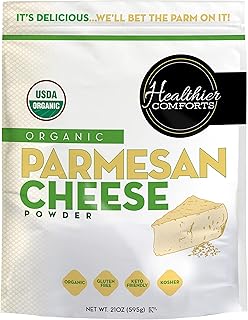

Melting Properties: Mozzarella melts well, creating a gooey texture, while Parmesan doesn't melt smoothly
Mozzarella cheese is renowned for its excellent melting properties, which make it a staple in many dishes that require a gooey, stretchy texture. When heated, mozzarella undergoes a smooth transition from solid to liquid, creating a uniform and desirable consistency that is perfect for pizzas, casseroles, and grilled sandwiches. This is due to its high moisture content and the way its proteins break down and re-form when exposed to heat.
On the other hand, Parmesan cheese, while highly flavorful, does not melt as smoothly as mozzarella. When heated, Parmesan tends to become grainy and separate, rather than forming a cohesive, melted mass. This is because Parmesan has a lower moisture content and a different protein structure compared to mozzarella. The proteins in Parmesan do not break down and re-form as easily, leading to a less desirable texture when melted.
Despite its poor melting properties, Parmesan can still be used in dishes where a strong, nutty flavor is desired. It is often grated over pasta dishes, salads, and soups to add a burst of flavor. However, when it comes to dishes that require a smooth, melted cheese, mozzarella is generally the better choice.
In some cases, a combination of mozzarella and Parmesan can be used to achieve a balance of flavor and texture. For example, in a baked pasta dish, mozzarella can be used to create a creamy, melted base, while Parmesan can be sprinkled on top for added flavor. This combination allows for the best of both worlds, providing a rich, gooey texture along with a savory, nutty taste.
When substituting Parmesan for mozzarella in a recipe, it is important to consider the impact on the dish's texture and flavor. If a smooth, melted cheese is essential, mozzarella is the better option. However, if a strong, distinct flavor is more important, Parmesan can be a suitable alternative, especially when used in moderation.
Mozzarella Magic: A Cheesy Twist on Classic Enchiladas
You may want to see also
Explore related products


Culinary Uses: Parmesan is often used as a topping or garnish, whereas Mozzarella is used in melts and bakes
Parmesan cheese, with its sharp, nutty flavor and granular texture, is a versatile ingredient in the culinary world. It's often used as a topping or garnish to add a burst of flavor to dishes like pasta, salads, and soups. Its hard texture makes it ideal for grating over dishes just before serving, providing a fresh, aromatic element that enhances the overall taste profile.
On the other hand, Mozzarella cheese is known for its mild flavor and excellent melting properties. It's a staple in Italian cuisine, particularly in dishes like pizza, lasagna, and caprese salad. Mozzarella's high moisture content and soft texture make it perfect for melting, creating a creamy, stretchy consistency that's highly desirable in many baked and grilled dishes.
While both cheeses have their unique qualities and uses, they can sometimes be substituted for each other, depending on the dish and the desired outcome. For instance, if you're looking to add a bit of sharpness to a melted cheese dish, you could mix in some grated Parmesan. Conversely, if you want a milder, creamier topping for a pasta dish, you could use shredded Mozzarella instead of Parmesan.
However, it's important to note that substituting one cheese for another can significantly alter the flavor and texture of a dish. Parmesan's strong flavor and hard texture won't melt into a creamy consistency like Mozzarella, and Mozzarella's mild flavor won't provide the same depth of taste as Parmesan. Therefore, when considering a substitution, it's crucial to think about how the change will affect the overall balance and harmony of the dish.
In conclusion, while Parmesan and Mozzarella have distinct culinary uses, they can be used interchangeably in certain situations to achieve different flavor and texture profiles. Understanding the unique characteristics of each cheese and how they interact with other ingredients is key to successful substitution and culinary creativity.
Mozzarella Magic: Versatile Uses Beyond Pizza
You may want to see also
Explore related products


Nutritional Content: Comparing the fat, protein, and calorie content of Parmesan and Mozzarella cheeses
Parmesan cheese, known for its sharp flavor and granular texture, is often used as a topping or garnish in various dishes. Mozzarella, on the other hand, is a softer, milder cheese commonly used in pizzas, salads, and sandwiches. When comparing the nutritional content of these two cheeses, it's important to consider their fat, protein, and calorie content.
In terms of fat content, Parmesan cheese typically contains around 32 grams of fat per 100 grams, while Mozzarella contains approximately 28 grams of fat per 100 grams. This means that Parmesan cheese is slightly higher in fat than Mozzarella. However, it's worth noting that both cheeses are relatively high in fat, and individuals who are watching their fat intake should consume them in moderation.
When it comes to protein content, Parmesan cheese is the clear winner. It contains around 35 grams of protein per 100 grams, while Mozzarella contains approximately 28 grams of protein per 100 grams. This makes Parmesan cheese a good source of protein, especially for individuals who are looking to increase their protein intake.
In terms of calorie content, Parmesan cheese contains around 431 calories per 100 grams, while Mozzarella contains approximately 371 calories per 100 grams. This means that Parmesan cheese is slightly higher in calories than Mozzarella. However, it's important to remember that both cheeses are relatively high in calories, and individuals who are watching their calorie intake should consume them in moderation.
Overall, when comparing the nutritional content of Parmesan and Mozzarella cheeses, it's clear that Parmesan cheese is higher in fat, protein, and calories than Mozzarella. However, both cheeses can be part of a healthy diet when consumed in moderation. It's important to consider your individual nutritional needs and goals when deciding which cheese to use in your dishes.
Mozzarella Magic: A Cheesy Twist on Classic Cheesecake
You may want to see also
Frequently asked questions
While Parmesan can be a delicious addition to many dishes, it's not always a suitable substitute for mozzarella. Mozzarella has a mild flavor and melts well, making it ideal for dishes like pizza and lasagna. Parmesan, on the other hand, has a stronger, nuttier flavor and doesn't melt as smoothly. It's best used as a topping or mixed with other cheeses rather than as a direct replacement for mozzarella.
Parmesan cheese can be used in place of mozzarella in dishes where a stronger, more pronounced cheese flavor is desired. Some examples include:
- Pasta dishes with a Parmesan-based sauce
- Risotto
- Cheese platters
- Salads
- Soups
- Casseroles
Parmesan cheese has a harder, more granular texture compared to mozzarella's soft, smooth, and stretchy texture. This difference in texture affects how the cheeses melt and interact with other ingredients in a dish. Parmesan is better suited for grating or shaving over dishes, while mozzarella is ideal for melting and creating a gooey, stretchy consistency.
Absolutely! Combining Parmesan and mozzarella cheeses can create a delicious blend of flavors and textures. The mild, melty mozzarella can help balance out the strong, nutty flavor of Parmesan, while the Parmesan adds depth and complexity to the dish. This combination is often used in Italian recipes, such as in the filling for stuffed shells or as a topping for baked dishes.