 Bushra Griffith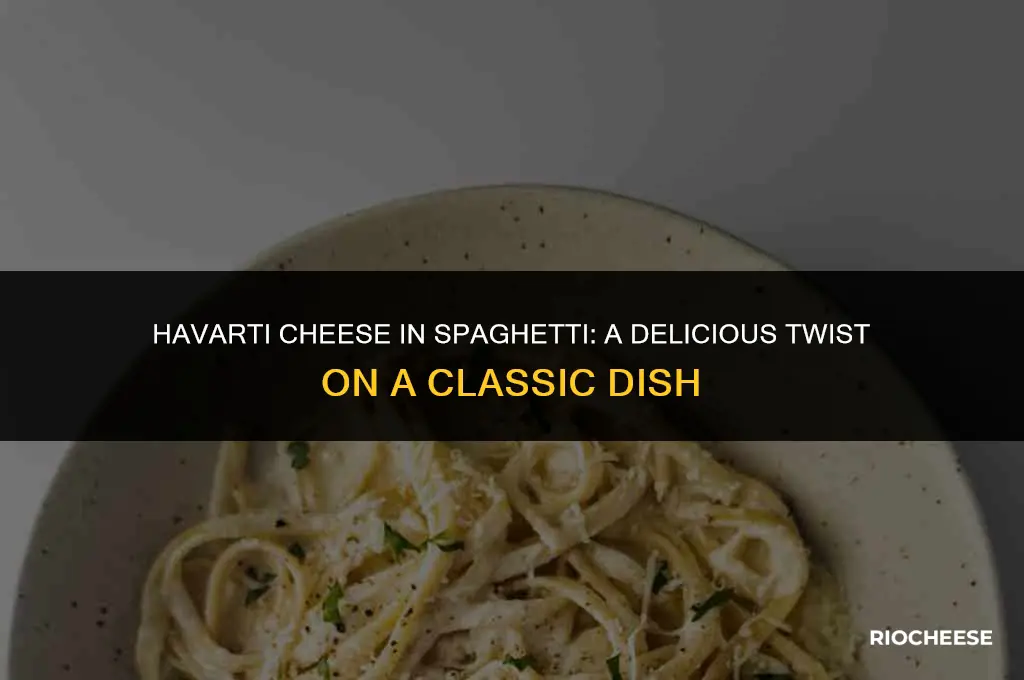
Havarti cheese, known for its creamy texture and mild flavor, is a versatile ingredient that can enhance a variety of dishes. When it comes to spaghetti, incorporating Havarti cheese can add a rich, velvety element to the classic pasta dish. Whether melted into a creamy sauce or grated as a topping, Havarti cheese can complement the flavors of traditional spaghetti ingredients like tomato sauce and herbs. In this exploration, we'll delve into the culinary possibilities of using Havarti cheese in spaghetti, discussing its compatibility with different sauces and seasonings, as well as providing tips for achieving the perfect blend of flavors and textures.
Explore related products


What You'll Learn
- Substitution: Havarti as a substitute for traditional spaghetti cheeses like Parmesan or Pecorino Romano
- Flavor Profile: How Havarti's creamy and mild flavor complements the tomato-based spaghetti sauce
- Melting Properties: Havarti's excellent melting qualities and how they enhance the spaghetti's texture
- Nutritional Comparison: Comparing the nutritional values of Havarti with other commonly used spaghetti cheeses
- Culinary Pairings: Suggesting other ingredients that pair well with Havarti in a spaghetti dish

Substitution: Havarti as a substitute for traditional spaghetti cheeses like Parmesan or Pecorino Romano
Havarti cheese, with its creamy texture and mild flavor, offers a unique alternative to the sharp, salty profiles of traditional spaghetti cheeses like Parmesan or Pecorino Romano. This substitution can transform a classic pasta dish into a richer, more indulgent experience. When using Havarti in spaghetti, it's essential to consider its melting properties and how it will complement the other ingredients in the dish.
To substitute Havarti for Parmesan or Pecorino Romano, begin by grating the Havarti finely. This will allow it to melt more evenly and integrate better with the pasta. Since Havarti is less salty than Parmesan or Pecorino Romano, you may need to adjust the seasoning of your dish accordingly. Add a pinch of salt to taste, keeping in mind that the cheese itself will contribute some saltiness.
One of the benefits of using Havarti is its versatility. It pairs well with a variety of sauces, from creamy Alfredo to light, olive oil-based dressings. When combining Havarti with a tomato-based sauce, consider adding a touch of acidity, such as a splash of lemon juice or a sprinkle of red wine vinegar, to balance the richness of the cheese.
In terms of quantity, use Havarti sparingly at first and adjust as needed. Its mild flavor can be easily overwhelmed by stronger ingredients, so it's best to let it enhance the dish without overpowering it. Start with about half the amount you would typically use for Parmesan or Pecorino Romano and add more if desired.
When serving, garnish the dish with a sprinkle of fresh herbs, such as parsley or basil, to add a pop of color and a hint of freshness. This will not only enhance the visual appeal of the dish but also provide a nice contrast to the creamy Havarti.
In conclusion, substituting Havarti for traditional spaghetti cheeses can result in a deliciously unique pasta dish. By considering its melting properties, seasoning, and pairing with other ingredients, you can create a meal that is both comforting and sophisticated. Remember to use Havarti sparingly and adjust the seasoning and acidity to taste, ensuring that the cheese complements the dish without overpowering it.
Gorgonzola vs Blue Cheese: A Delicious Substitute in Recipes
You may want to see also
Explore related products


Flavor Profile: How Havarti's creamy and mild flavor complements the tomato-based spaghetti sauce
Havarti cheese, with its creamy and mild flavor profile, offers a unique complement to the rich, tangy taste of tomato-based spaghetti sauce. This Danish cheese, known for its smooth texture and subtle sharpness, can enhance the overall flavor experience of a classic spaghetti dish without overpowering the other ingredients.
The mildness of Havarti allows it to blend seamlessly with the acidity of the tomatoes, creating a balanced and harmonious taste. Its creamy texture, when melted, adds a luxurious mouthfeel to the sauce, making each bite more indulgent. This combination is particularly appealing to those who enjoy a milder cheese that doesn't dominate the dish but rather enhances its existing flavors.
In terms of culinary application, Havarti can be grated over the top of the spaghetti just before serving, allowing it to melt slightly from the heat of the sauce. Alternatively, it can be incorporated into the sauce itself during the cooking process, where it will melt completely and infuse the sauce with its creamy goodness. This versatility makes Havarti a practical choice for both quick weeknight meals and more elaborate dinner preparations.
When using Havarti in spaghetti, it's important to consider the other ingredients in the dish to ensure a cohesive flavor profile. For example, pairing Havarti with fresh herbs like basil or parsley can elevate the dish, while using it in conjunction with more robust cheeses like Parmesan can create a more complex flavor experience. Experimenting with different combinations can help find the perfect balance for individual taste preferences.
In conclusion, Havarti cheese's creamy and mild flavor profile makes it an excellent addition to tomato-based spaghetti sauce, offering a unique and delicious twist on a classic dish. Its versatility in both melting and grating applications, along with its ability to complement other ingredients, makes it a valuable ingredient for any pasta lover looking to enhance their culinary creations.
Feta vs. Ricotta: A Cheesy Debate in Lasagna Land
You may want to see also
Explore related products



Melting Properties: Havarti's excellent melting qualities and how they enhance the spaghetti's texture
Havarti cheese is renowned for its exceptional melting properties, which make it an ideal choice for enhancing the texture of spaghetti dishes. When heated, Havarti transforms into a smooth, creamy consistency that coats pasta perfectly, creating a luxurious and velvety mouthfeel. This melting quality is due to the cheese's high moisture content and the presence of specific proteins that break down and release liquid when exposed to heat. As a result, Havarti melts evenly and quickly, ensuring that the spaghetti is thoroughly coated without becoming clumpy or greasy.
The excellent melting qualities of Havarti cheese not only improve the texture of spaghetti but also contribute to the overall flavor profile of the dish. As the cheese melts, it releases a subtle, nutty aroma that complements the savory taste of the pasta sauce. Additionally, Havarti's mild flavor allows it to blend seamlessly with other ingredients, such as herbs, spices, and vegetables, without overpowering them. This versatility makes Havarti a popular choice for a wide range of spaghetti recipes, from classic tomato-based sauces to more adventurous combinations.
Incorporating Havarti cheese into spaghetti dishes is a simple process that can elevate the meal to new heights. To achieve the best results, it is recommended to grate the cheese finely before adding it to the hot pasta. This ensures that the cheese melts quickly and evenly, creating a smooth and consistent texture throughout the dish. Alternatively, Havarti can be sliced thinly and placed on top of the spaghetti, allowing it to melt gently under the residual heat of the pasta. Regardless of the method, the key is to use high-quality Havarti cheese, as this will significantly impact the melting properties and overall taste of the dish.
In conclusion, Havarti cheese's excellent melting qualities make it a superior choice for enhancing the texture and flavor of spaghetti dishes. Its ability to melt evenly and quickly, combined with its mild flavor and versatility, sets it apart from other cheeses and makes it a valuable addition to any pasta recipe. By incorporating Havarti into their spaghetti dishes, home cooks can create a gourmet dining experience that is both delicious and satisfying.
Goat Cheese in Lasagna: A Delicious Twist on a Classic Dish
You may want to see also
Explore related products


![Goodles Shella Good Aged White Cheddar and Shells Pasta - Nutrient Packed with Real Cheese, Fiber, Protein, Prebiotics, Plants, & Vegetables | Non-GMO, Organic Ingredients [Shella Good, 6 oz. 1 Pack]](https://m.media-amazon.com/images/I/71VMu-NnBHL._AC_UL320_.jpg)


Nutritional Comparison: Comparing the nutritional values of Havarti with other commonly used spaghetti cheeses
Havarti cheese, known for its creamy texture and mild flavor, is a versatile ingredient that can be used in a variety of dishes, including spaghetti. When comparing the nutritional values of Havarti with other commonly used spaghetti cheeses, such as Parmesan, mozzarella, and ricotta, it's important to consider factors like calorie content, fat, protein, and calcium levels. Havarti cheese is relatively high in calories and fat compared to some other cheeses, but it also provides a good amount of protein and calcium, making it a nutritious choice for those looking to add flavor and richness to their spaghetti dishes.
One of the key benefits of using Havarti cheese in spaghetti is its excellent melting properties. Unlike some other cheeses that may become rubbery or separate when heated, Havarti melts smoothly and evenly, creating a creamy, indulgent sauce that coats the pasta perfectly. This makes it an ideal choice for baked spaghetti dishes or for adding a rich, cheesy element to a simple pasta dinner.
In terms of flavor, Havarti cheese has a subtle, buttery taste that complements the flavors of tomato sauce and other ingredients commonly used in spaghetti dishes. Its mild flavor profile allows it to blend well with a variety of herbs and spices, making it a versatile choice for creating different types of spaghetti sauces.
When using Havarti cheese in spaghetti, it's important to consider portion sizes and overall dietary balance. While cheese can be a delicious and nutritious addition to pasta dishes, it's also high in calories and fat, so it's best to use it in moderation. Pairing Havarti cheese with whole-grain pasta and plenty of vegetables can help create a more balanced and nutritious meal.
In conclusion, Havarti cheese is a delicious and versatile option for use in spaghetti dishes. Its creamy texture, mild flavor, and good nutritional profile make it a great choice for those looking to add a rich, cheesy element to their pasta dinners. When using Havarti cheese in spaghetti, it's important to consider portion sizes and overall dietary balance to ensure a nutritious and satisfying meal.
Creamy Havarti Twist: Reinventing Classic Macaroni and Cheese
You may want to see also
Explore related products



Culinary Pairings: Suggesting other ingredients that pair well with Havarti in a spaghetti dish
Havarti cheese, with its creamy texture and mild flavor, is an excellent addition to a spaghetti dish. To elevate your culinary creation, consider pairing it with ingredients that complement its subtle taste and smooth consistency. One such pairing is with fresh herbs like basil or parsley, which add a burst of freshness and color to the dish. Another option is to incorporate sun-dried tomatoes, which provide a tangy and slightly sweet contrast to the richness of the Havarti.
For a more indulgent twist, try adding sautéed mushrooms to your spaghetti with Havarti. The earthy flavor of the mushrooms pairs beautifully with the cheese, creating a harmonious blend of tastes. If you're looking to add some heat to your dish, consider incorporating red pepper flakes or a drizzle of chili oil. This will not only enhance the flavor profile but also add a touch of spiciness that complements the mildness of the Havarti.
When it comes to choosing the right type of pasta, opt for a shape that holds the sauce well, such as fettuccine or tagliatelle. This will ensure that each bite is coated with the delicious Havarti cheese sauce and the accompanying ingredients. To take your dish to the next level, consider using high-quality, artisanal pasta made from durum wheat semolina. This type of pasta has a superior texture and flavor that will elevate the overall dining experience.
In terms of preparation, start by cooking your pasta according to the package instructions until al dente. While the pasta is cooking, melt some butter in a saucepan and add a splash of white wine. Simmer the wine until it has reduced slightly, then add grated Havarti cheese and stir until melted and smooth. Once the pasta is cooked, drain it and toss it with the cheese sauce. Add your chosen pairings, such as the fresh herbs, sun-dried tomatoes, sautéed mushrooms, or red pepper flakes, and mix well.
To finish off your dish, garnish it with a sprinkle of freshly grated Parmesan cheese and a drizzle of extra virgin olive oil. This will not only enhance the flavor but also add a touch of elegance to your presentation. Serve your Havarti spaghetti hot and enjoy the delightful combination of flavors and textures that this culinary pairing has to offer.
Delicious Broccoli Cheese Soup: Frozen Broccoli Edition
You may want to see also
Frequently asked questions
Yes, Havarti cheese can be a delicious addition to spaghetti. Its creamy texture and mild flavor complement the pasta well, especially when paired with a light sauce or olive oil.
Havarti cheese has a milder and creamier flavor compared to the sharp, nutty taste of Parmesan. While Parmesan is often used as a topping for spaghetti, Havarti can provide a smoother, more subtle cheese experience.
Some other cheeses that could be used in place of Havarti for spaghetti include mozzarella, provolone, or even a blend of Italian cheeses. Each of these options offers a different flavor profile and texture that can enhance the dish.
Yes, Havarti cheese is commonly found in many grocery stores, especially in the deli or specialty cheese section. It's a popular choice for sandwiches, salads, and various recipes, making it widely accessible to consumers.


