 Randy Chandler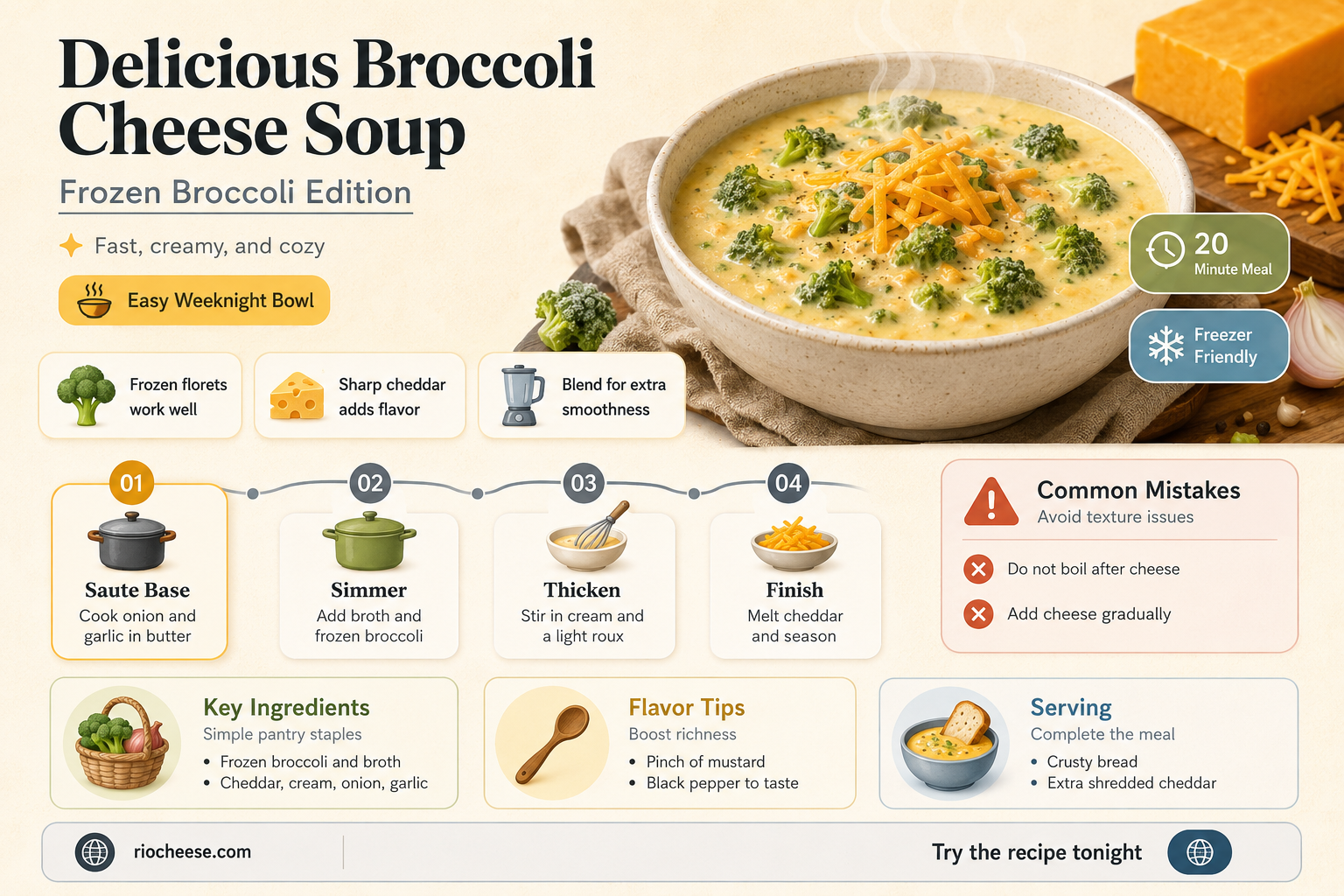
When it comes to making broccoli cheese soup, one common question is whether frozen broccoli can be used instead of fresh. The answer is yes, you can definitely use frozen broccoli in broccoli cheese soup. In fact, using frozen broccoli can be a convenient and time-saving option, especially during seasons when fresh broccoli is not readily available or when you're short on time. Frozen broccoli is typically blanched and flash-frozen, which helps preserve its nutrients and flavor. This makes it a suitable substitute for fresh broccoli in many recipes, including soups. However, it's important to note that the texture of frozen broccoli may be slightly softer than fresh, so it's best to add it towards the end of the cooking process to avoid overcooking. Additionally, you may want to rinse the frozen broccoli under cold water before adding it to the soup to remove any excess ice or freezer burn. Overall, using frozen broccoli in broccoli cheese soup is a practical and delicious way to enjoy this comforting dish year-round.
Explore related products


What You'll Learn
- Thawing Methods: Safely thawing frozen broccoli to maintain texture and nutrients for the soup
- Cooking Techniques: Best practices for cooking frozen broccoli to achieve optimal tenderness and flavor
- Nutritional Comparison: Evaluating the nutritional differences between fresh and frozen broccoli in soup
- Flavor Impact: How freezing affects the taste of broccoli and tips for enhancing flavor in soup
- Recipe Adjustments: Modifying broccoli cheese soup recipes to accommodate frozen broccoli effectively

Thawing Methods: Safely thawing frozen broccoli to maintain texture and nutrients for the soup
To safely thaw frozen broccoli while preserving its texture and nutrients for use in broccoli cheese soup, it's essential to avoid high-temperature methods that can degrade its quality. One effective approach is to thaw the broccoli in the refrigerator overnight. This slow thawing process helps maintain the vegetable's cell structure, ensuring it retains its firm texture and vibrant green color. If time is limited, you can also thaw the broccoli in cold water, changing the water every 30 minutes to prevent bacterial growth. However, this method may result in a slightly softer texture compared to refrigerator thawing.
Another method to consider is thawing the broccoli in the microwave, but this should be done with caution. Use the defrost setting and check the broccoli frequently to avoid overheating, which can cause it to become mushy and lose nutrients. It's also important to cook the thawed broccoli immediately after microwaving to prevent the growth of harmful bacteria. Regardless of the thawing method chosen, it's crucial to cook the broccoli thoroughly before adding it to the soup to ensure food safety and enhance its flavor.
When preparing the broccoli cheese soup, consider adding the thawed broccoli towards the end of the cooking process to minimize its exposure to high heat, which can further break down its texture and nutrients. By following these thawing and cooking guidelines, you can enjoy a delicious and nutritious broccoli cheese soup made with frozen broccoli that retains its quality and taste.
Feta vs. Ricotta: A Cheesy Substitute Showdown
You may want to see also
Explore related products


Cooking Techniques: Best practices for cooking frozen broccoli to achieve optimal tenderness and flavor
To achieve optimal tenderness and flavor when cooking frozen broccoli, it's essential to understand the unique characteristics of this vegetable. Frozen broccoli has already undergone a blanching process, which means it has been briefly cooked and then frozen to preserve its texture and nutrients. This pre-cooking step affects how you should approach cooking it further.
One of the best practices for cooking frozen broccoli is to avoid overcooking it. Since it's already been blanched, extended cooking times can lead to a mushy texture and diminished flavor. Instead, aim for a cooking method that gently heats the broccoli just enough to make it tender while retaining its vibrant green color and crisp-tender texture. Steaming is an excellent choice for this purpose. Simply place the frozen broccoli florets in a steamer basket over boiling water, cover, and steam for 3-5 minutes or until they reach your desired level of tenderness.
Another effective method is to sauté the frozen broccoli. This technique not only cooks the broccoli quickly but also allows you to add flavors through the use of oils, garlic, or other seasonings. To sauté, heat a small amount of oil in a pan over medium heat, add the frozen broccoli florets, and cook for 5-7 minutes, stirring occasionally, until they are tender and lightly browned.
It's important to note that you should not thaw frozen broccoli before cooking it. Thawing can lead to a loss of texture and nutrients, and it's not necessary for most cooking methods. Instead, cook the broccoli directly from the freezer, adjusting the cooking time slightly to account for its frozen state.
When incorporating frozen broccoli into dishes like broccoli cheese soup, it's crucial to add it at the right time in the cooking process. Since the broccoli is already partially cooked, it should be added towards the end of the simmering time to prevent it from becoming too soft. This will ensure that the broccoli retains its shape and texture, contributing to a more enjoyable eating experience.
In summary, the key to cooking frozen broccoli successfully is to use gentle cooking methods like steaming or sautéing, avoid overcooking, and incorporate it into dishes at the appropriate time. By following these best practices, you can achieve optimal tenderness and flavor, making frozen broccoli a delicious and convenient addition to your meals.
Fontina's Saganaki Potential: A Cheesy Greek Delight?
You may want to see also
Explore related products


Nutritional Comparison: Evaluating the nutritional differences between fresh and frozen broccoli in soup
Fresh broccoli is often considered the gold standard for nutritional value, but frozen broccoli can be a convenient and cost-effective alternative. When evaluating the nutritional differences between fresh and frozen broccoli in soup, it's essential to consider the nutrient retention during the freezing process. Freezing can lead to a slight loss of water-soluble vitamins, such as vitamin C and B vitamins, but fat-soluble vitamins like vitamin A and K are generally well-preserved. Additionally, frozen broccoli may have a slightly lower fiber content compared to fresh broccoli due to the ice crystal formation during freezing.
However, frozen broccoli can still provide a significant amount of essential nutrients. It is a good source of antioxidants, minerals like potassium and calcium, and dietary fiber. Moreover, frozen broccoli is often picked at peak ripeness and frozen shortly after, which can help retain its nutritional value. In contrast, fresh broccoli may have been stored for a longer period, potentially leading to a decrease in nutrient content.
When incorporating broccoli into soup, the cooking method can also impact its nutritional value. Overcooking can lead to a loss of nutrients, so it's best to cook the broccoli just until it's tender-crisp. This helps retain the maximum amount of vitamins and minerals. Additionally, using a broth-based soup instead of a cream-based one can help reduce the overall calorie and fat content while still providing a flavorful and nutritious meal.
In conclusion, while fresh broccoli may have a slight nutritional edge over frozen broccoli, both options can provide a healthy and delicious addition to broccoli cheese soup. The key is to choose the best quality frozen broccoli and to cook it properly to retain its nutritional value. By doing so, you can enjoy a comforting and nutritious meal without compromising on taste or health benefits.
Fontina Cheese in Lasagna: A Delicious Twist on a Classic Dish
You may want to see also
Explore related products


Flavor Impact: How freezing affects the taste of broccoli and tips for enhancing flavor in soup
Freezing broccoli can significantly impact its taste and texture, often resulting in a softer, less vibrant vegetable. This is because the freezing process causes the cell walls to break down, leading to a loss of crispness. However, this doesn't mean you can't use frozen broccoli in your soup. In fact, frozen broccoli can be a convenient and cost-effective option, especially during off-seasons when fresh broccoli may be less available or more expensive.
To enhance the flavor of your broccoli cheese soup when using frozen broccoli, consider the following tips:
- Thawing Technique: Thaw the broccoli in the refrigerator overnight or under cold running water. Avoid using hot water or a microwave, as these methods can further soften the broccoli and diminish its flavor.
- Blanching: Before adding the thawed broccoli to your soup, blanch it in boiling water for 1-2 minutes. This process helps to brighten the color and improve the texture, making the broccoli taste fresher.
- Seasoning: Add extra seasoning to your soup to compensate for any flavor loss due to freezing. Consider using additional herbs like thyme or rosemary, or spices such as garlic powder or onion powder to boost the overall taste.
- Cheese Selection: Choose a high-quality cheese that melts well and has a strong flavor. Cheddar, Gruyère, or a blend of cheeses can add depth and richness to your soup, balancing out the milder taste of frozen broccoli.
- Stock Base: Use a flavorful stock as the base of your soup. Chicken or vegetable stock can provide a savory foundation that complements the broccoli and cheese. You can also add a splash of white wine or cream to enhance the flavor profile.
By following these tips, you can create a delicious and satisfying broccoli cheese soup using frozen broccoli, ensuring that the final dish is both flavorful and comforting.
Feta Fiesta: A Greek Twist on Mexican Corn Delight
You may want to see also
Explore related products


Recipe Adjustments: Modifying broccoli cheese soup recipes to accommodate frozen broccoli effectively
Frozen broccoli can be a convenient and nutritious alternative to fresh broccoli in cheese soup, but it requires some recipe adjustments to ensure the best flavor and texture. One key consideration is the water content of frozen broccoli, which can dilute the soup if not properly managed. To mitigate this, it's essential to thaw the broccoli before adding it to the soup. This can be done quickly by placing the frozen broccoli in a bowl of hot water for a few minutes or by using the defrost function on your microwave.
Once thawed, the broccoli should be patted dry with paper towels to remove excess moisture. This step is crucial as it helps maintain the soup's consistency and prevents it from becoming too watery. Additionally, since frozen broccoli is often blanched before freezing, it may have a slightly softer texture than fresh broccoli. To account for this, you might want to reduce the cooking time of the broccoli in the soup to prevent it from becoming mushy.
Another important adjustment is the seasoning. Frozen broccoli can sometimes have a milder flavor compared to its fresh counterpart, so you may need to increase the amount of salt, pepper, and other seasonings to enhance the taste. It's also a good idea to add some fresh herbs, such as parsley or thyme, to provide a burst of flavor.
When it comes to the cheese, it's best to use a high-quality, full-fat cheese that melts well, such as cheddar or Gruyère. This will help create a rich and creamy soup that complements the broccoli. To achieve the perfect cheese blend, start by making a roux with butter and flour, then gradually whisk in milk until it thickens. Once the mixture is smooth, add the grated cheese and stir until it's fully melted and incorporated.
Finally, to ensure the soup has the right consistency, you can use an immersion blender to puree some of the broccoli and soup mixture. This will create a thicker, more velvety texture without making the soup too smooth. Remember to taste and adjust the seasoning as needed before serving.
By following these recipe adjustments, you can create a delicious and satisfying broccoli cheese soup using frozen broccoli that's just as good as the fresh version.
Feta vs. Ricotta: A Cheesy Debate in Lasagna Land
You may want to see also
Frequently asked questions
Yes, you can use frozen broccoli in broccoli cheese soup. Frozen broccoli is a convenient and nutritious option that works well in this type of recipe.
To prepare frozen broccoli for broccoli cheese soup, simply thaw it in the refrigerator overnight or steam it for a few minutes until it's tender. Then, you can chop it into smaller florets and add it to your soup.
Using frozen broccoli in broccoli cheese soup offers several benefits. It's often more affordable than fresh broccoli, it's available year-round, and it's already cleaned and prepped, saving you time in the kitchen. Additionally, frozen broccoli retains much of its nutritional value, making it a healthy choice for your soup.
Using frozen broccoli in broccoli cheese soup generally does not significantly affect the taste or texture. However, some people may notice a slight difference in texture, as frozen broccoli can sometimes be a bit softer than fresh broccoli. Overall, the impact on taste and texture is minimal, and the convenience of using frozen broccoli often outweighs any small differences.
Yes, you can substitute frozen broccoli for fresh broccoli in many recipes. Just be sure to thaw and drain the frozen broccoli before using it. Keep in mind that the texture may be slightly different, but the flavor and nutritional value will be similar. Frozen broccoli is a versatile ingredient that can be used in a variety of dishes, from soups and casseroles to stir-fries and salads.


