Patrick Oconnell
Goat cheese, with its tangy and creamy flavor profile, offers a unique alternative to traditional ricotta in lasagna recipes. Its distinct taste can add a delightful complexity to the dish, complementing the rich tomato sauce and savory meats often found in lasagna. Goat cheese also has a slightly lower fat content compared to ricotta, making it a lighter option for those looking to reduce their calorie intake without sacrificing flavor. When used in lasagna, goat cheese can be crumbled or blended smooth, depending on the desired texture and consistency. Its versatility allows it to be incorporated into various lasagna variations, from classic recipes to more adventurous creations featuring vegetables, herbs, or exotic spices.
Explore related products



What You'll Learn
- Goat Cheese Benefits: Highlights nutritional advantages and unique flavor profile of goat cheese in lasagna
- Substitution Tips: Provides guidance on substituting goat cheese for traditional cheeses in lasagna recipes
- Flavor Pairings: Suggests complementary ingredients and seasonings to enhance the taste of goat cheese lasagna
- Cooking Techniques: Offers advice on how to properly incorporate goat cheese into lasagna layers for optimal texture
- Dietary Considerations: Discusses suitability of goat cheese lasagna for various dietary needs, such as lactose intolerance

Goat Cheese Benefits: Highlights nutritional advantages and unique flavor profile of goat cheese in lasagna
Goat cheese, with its distinct tangy flavor and creamy texture, offers a unique twist to traditional lasagna. Nutritionally, it stands out due to its lower calorie and fat content compared to other cheeses like mozzarella or ricotta. This makes it an excellent choice for those looking to enjoy a rich, flavorful dish without the added calories. Additionally, goat cheese is a good source of protein, calcium, and essential vitamins like B12, which are vital for maintaining strong bones and a healthy immune system.
One of the key benefits of using goat cheese in lasagna is its ability to add a complex flavor profile without overpowering the other ingredients. Its tangy and slightly salty taste complements the sweetness of the tomato sauce and the earthiness of the pasta, creating a harmonious blend of flavors. This unique taste can elevate a simple lasagna into a gourmet dish, appealing to both the casual diner and the culinary enthusiast.
From a culinary perspective, goat cheese can be used in various ways in lasagna. It can be crumbled on top as a garnish, mixed into the ricotta layer for added flavor, or even used as a standalone cheese layer. Its versatility allows for creative experimentation, catering to different tastes and preferences. For instance, combining goat cheese with herbs like basil or oregano can enhance its flavor, while pairing it with sun-dried tomatoes or olives can add a Mediterranean touch to the dish.
In terms of preparation, using goat cheese in lasagna is relatively straightforward. It can be easily crumbled or spread, and it melts well when baked, creating a creamy, gooey texture that is characteristic of a well-made lasagna. However, it's important to note that goat cheese can be quite tangy, so it's advisable to taste it first and adjust the amount used accordingly to ensure it complements rather than dominates the dish.
Overall, incorporating goat cheese into lasagna not only offers nutritional benefits but also introduces a unique and delightful flavor that can transform this classic dish into a memorable culinary experience. Whether used as a garnish, a layer, or mixed into the ricotta, goat cheese adds a creative and flavorful twist that is sure to impress.
Feta vs. Parmesan: A Cheesy Substitute Showdown
You may want to see also
Explore related products



Substitution Tips: Provides guidance on substituting goat cheese for traditional cheeses in lasagna recipes
Goat cheese can be a delightful alternative to traditional cheeses in lasagna, offering a tangy and creamy flavor profile that complements the rich tomato sauce and hearty pasta layers. When substituting goat cheese, it's essential to consider its distinct taste and texture to ensure a harmonious blend with the other ingredients. Here are some tips to help you make the perfect goat cheese lasagna:
- Choose the Right Goat Cheese: Opt for a soft, spreadable goat cheese with a mild to moderate tang. Avoid using overly strong or pungent varieties, as they may overpower the other flavors in the dish.
- Mix with Other Cheeses: To balance the tanginess of goat cheese, consider mixing it with milder cheeses like mozzarella or ricotta. This combination will provide a creamy texture and a more rounded flavor profile.
- Adjust Seasoning: Goat cheese has a natural saltiness, so be mindful when adding additional salt to the dish. Taste the cheese mixture before seasoning the lasagna to avoid over-salting.
- Layering Technique: When assembling the lasagna, spread the goat cheese mixture evenly between the pasta layers. This will ensure that the cheese melts uniformly and creates a cohesive, creamy filling.
- Baking Considerations: Goat cheese can brown more quickly than other cheeses, so keep an eye on the lasagna while it's baking. If the top layer starts to brown too quickly, cover it with foil to prevent burning.
By following these substitution tips, you can create a delicious goat cheese lasagna that will impress even the most traditional lasagna lovers. Experiment with different goat cheese varieties and combinations to find your perfect flavor balance.
From Freezer to Farmhouse: Crafting Cheese with Frozen Milk
You may want to see also
Explore related products


Flavor Pairings: Suggests complementary ingredients and seasonings to enhance the taste of goat cheese lasagna
Goat cheese lasagna offers a delightful twist on the classic Italian dish, and with the right flavor pairings, it can be elevated to a gourmet experience. One key ingredient to consider is the type of goat cheese used. A tangy, full-fat goat cheese will provide a rich, creamy texture and a bold flavor that stands up well to the robust tomato sauce and other ingredients.
When it comes to complementary ingredients, fresh herbs like basil, oregano, and thyme are excellent choices. These herbs not only add aromatic complexity but also help to balance the tanginess of the goat cheese. Additionally, incorporating sun-dried tomatoes or roasted red peppers can introduce a sweet and smoky element that pairs beautifully with the cheese.
For seasonings, a pinch of red pepper flakes can add a subtle heat that enhances the overall flavor profile without overpowering the dish. A drizzle of high-quality extra virgin olive oil or a sprinkle of toasted pine nuts can also add depth and richness to the lasagna.
One unique pairing to consider is the addition of caramelized onions. The sweetness of the onions complements the tang of the goat cheese, while their soft texture adds a pleasant contrast to the layers of pasta and sauce. Another option is to incorporate a small amount of truffle oil or truffle salt, which can impart an earthy, luxurious flavor to the dish.
When assembling the lasagna, it's important to layer the ingredients thoughtfully. Start with a generous layer of tomato sauce, followed by a layer of cooked lasagna noodles. Then, spread a layer of goat cheese mixed with fresh herbs and seasonings. Repeat this process, finishing with a layer of sauce and a sprinkle of grated Parmesan cheese. Bake the lasagna in a preheated oven at 375°F (190°C) for 25-30 minutes, or until the cheese is melted and bubbly.
By carefully selecting complementary ingredients and seasonings, you can create a goat cheese lasagna that is both flavorful and satisfying. Experiment with different combinations to find your perfect pairing and enjoy a delicious, gourmet twist on this classic dish.
From Freezer to Farmhouse: The Surprising Truth About Using Frozen Goat Milk for Cheese
You may want to see also
Explore related products



Cooking Techniques: Offers advice on how to properly incorporate goat cheese into lasagna layers for optimal texture
To achieve the perfect texture when incorporating goat cheese into lasagna layers, it's essential to understand the unique properties of this cheese. Goat cheese is softer and more spreadable than traditional ricotta, which can lead to a lasagna that's too moist or even soggy if not handled correctly. The key is to balance the creaminess of the goat cheese with the right amount of liquid and other ingredients.
One effective technique is to mix the goat cheese with a small amount of beaten egg, which acts as a binder and helps the cheese hold its shape during baking. Additionally, you can add a sprinkle of grated Parmesan or another hard cheese to the goat cheese mixture, which will provide structure and a contrasting texture. When layering the lasagna, be sure to spread the goat cheese mixture evenly and avoid overloading the layers, as this can cause the lasagna to become too dense and heavy.
Another important consideration is the cooking time and temperature. Since goat cheese is more delicate than ricotta, it's best to bake the lasagna at a slightly lower temperature, around 375°F (190°C), to prevent the cheese from becoming too dry or crumbly. Covering the lasagna with foil for the first 30 minutes of baking can also help to retain moisture and ensure even cooking.
Finally, allowing the lasagna to rest for a few minutes after baking is crucial, as this gives the goat cheese time to set and the flavors to meld together. This resting period will result in a lasagna with a perfectly creamy texture and a delicious, tangy flavor profile that's sure to impress.
Delicious Broccoli Cheese Soup: Frozen Broccoli Edition
You may want to see also
Explore related products


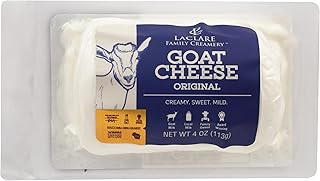

Dietary Considerations: Discusses suitability of goat cheese lasagna for various dietary needs, such as lactose intolerance
For individuals with lactose intolerance, traditional lasagna can be a challenge due to the high lactose content in ricotta and mozzarella cheeses. Goat cheese, however, is a viable alternative as it contains significantly less lactose. This makes goat cheese lasagna a suitable option for those who are lactose intolerant but still wish to enjoy this classic Italian dish.
In addition to being lower in lactose, goat cheese also has a distinct flavor profile that can enhance the taste of lasagna. Its tangy and slightly salty taste can add depth to the dish, making it a unique and delicious variation on the traditional recipe. Furthermore, goat cheese is often easier to digest than cow's milk cheese, which can be an additional benefit for those with sensitive stomachs.
When preparing goat cheese lasagna, it's important to choose a high-quality goat cheese that is firm enough to hold its shape when baked. Soft goat cheese can become too runny and may not provide the desired texture. Additionally, it's recommended to use a combination of goat cheese and other low-lactose cheeses, such as Parmesan, to achieve a well-rounded flavor and texture.
For those following a vegetarian or vegan diet, goat cheese lasagna may not be suitable. However, there are plant-based alternatives available that can mimic the taste and texture of goat cheese. These alternatives are typically made from nuts or soy and can be used in a similar manner to goat cheese in lasagna recipes.
In conclusion, goat cheese lasagna can be a delicious and suitable option for individuals with lactose intolerance or those looking for a unique twist on the traditional recipe. By choosing the right type of goat cheese and combining it with other low-lactose cheeses, it's possible to create a dish that is both flavorful and easy to digest.
Feta Fusion: Elevating Cheese Sauce with a Tangy Twist
You may want to see also
Frequently asked questions
Yes, you can use goat cheese in lasagna. It adds a tangy and creamy flavor that complements the other ingredients well.
Goat cheese is lower in calories and fat compared to ricotta cheese, and it also contains more protein. Additionally, its tangy flavor can enhance the overall taste of the lasagna.
You can use goat cheese in place of ricotta cheese in your lasagna recipe. Simply spread it on the lasagna noodles, layer with your other ingredients, and bake as usual. You can also mix it with other cheeses, such as mozzarella or Parmesan, for a unique flavor combination.