Frederic Melton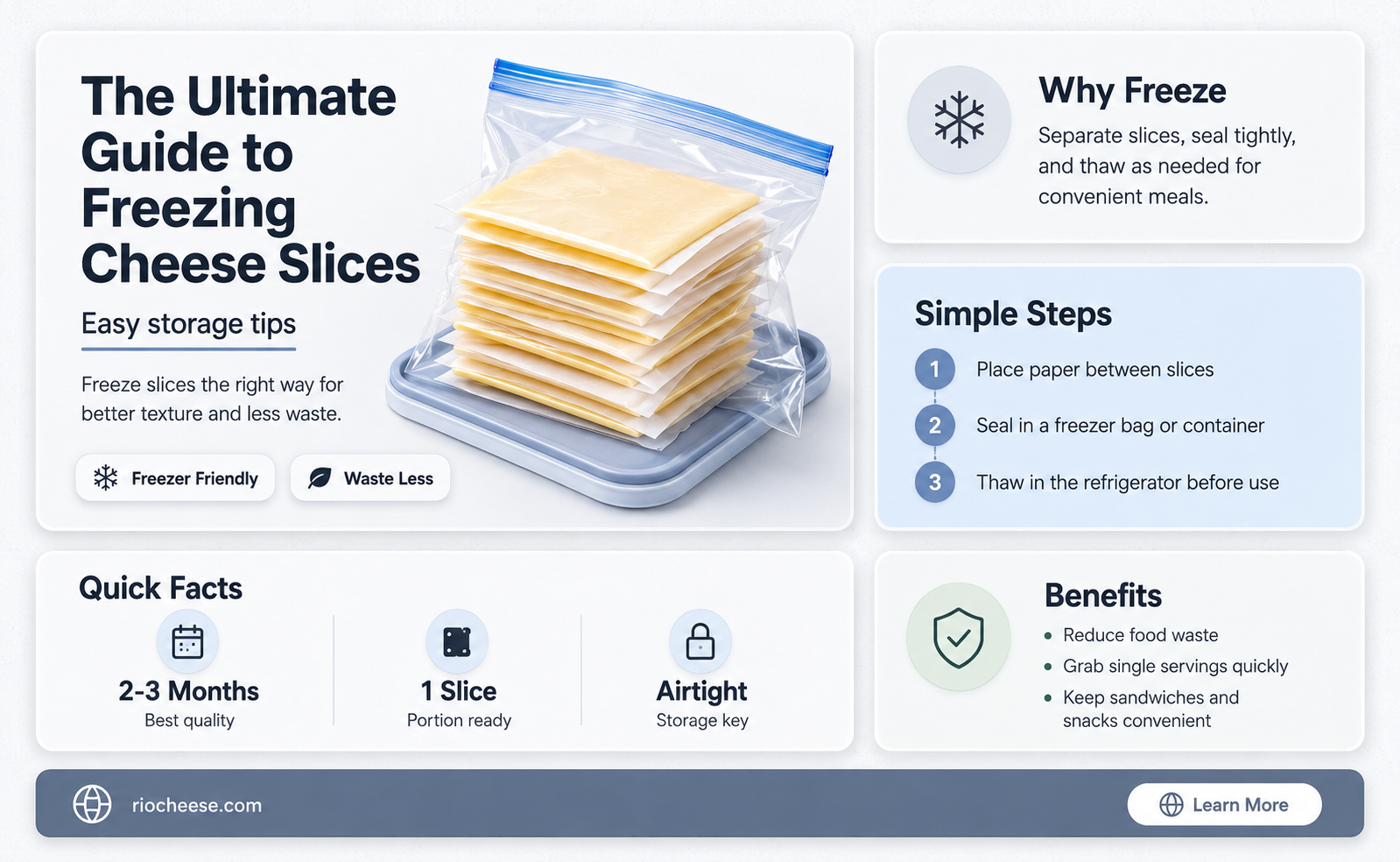
Freezing cheese slices is a practical method for extending their shelf life and preserving their quality. When done correctly, it can help prevent spoilage and maintain the cheese's texture and flavor. However, it's important to note that not all types of cheese freeze equally well, and some may experience changes in texture or taste. In this guide, we'll explore the best practices for freezing cheese slices, including the types of cheese that freeze well, the proper storage methods, and tips for thawing and using frozen cheese. By following these guidelines, you can enjoy your favorite cheeses for an extended period while minimizing waste.
Explore related products


What You'll Learn
- Freezing Methods: Techniques for freezing cheese slices to maintain quality and prevent spoilage
- Thawing Procedures: Best practices for thawing frozen cheese slices to ensure optimal texture and taste
- Storage Recommendations: Guidelines for storing frozen cheese slices to prolong shelf life and preserve flavor
- Cheese Type Considerations: How different types of cheese respond to freezing and thawing processes
- Common Uses: Popular dishes and recipes that utilize frozen cheese slices for convenience and flavor

Freezing Methods: Techniques for freezing cheese slices to maintain quality and prevent spoilage
To effectively freeze cheese slices and maintain their quality, it's crucial to follow specific techniques that prevent spoilage and preserve taste. One method is to individually wrap each slice in plastic wrap or aluminum foil before placing them in a freezer-safe bag or container. This prevents the slices from sticking together and allows for easier portion control when thawing.
Another technique is to use a vacuum sealer to remove air from the packaging, which helps prevent freezer burn and extends the shelf life of the cheese. If you don't have a vacuum sealer, you can also use the displacement method by submerging the wrapped cheese slices in water to remove air bubbles before freezing.
When freezing cheese slices, it's important to consider the type of cheese, as some varieties are more prone to texture changes when frozen. For example, soft cheeses like brie or camembert may become too soft and lose their shape, while hard cheeses like cheddar or parmesan can withstand freezing better.
To thaw frozen cheese slices, it's best to do so slowly in the refrigerator to prevent moisture buildup and maintain the cheese's texture. If you need to thaw cheese quickly, you can place the wrapped slices in a bowl of cold water, changing the water every 30 minutes until the cheese is thawed.
In terms of storage, it's recommended to consume frozen cheese slices within 6-8 months for optimal quality. After this time, the cheese may start to develop off-flavors or textures. Proper labeling and dating of the frozen cheese slices can help ensure you use them within the recommended timeframe.
By following these freezing methods and techniques, you can effectively preserve the quality and taste of cheese slices, making them a convenient and long-lasting addition to your kitchen.
The Surprising Truth About Freezing Cheese: A Complete Guide
You may want to see also
Explore related products


Thawing Procedures: Best practices for thawing frozen cheese slices to ensure optimal texture and taste
To ensure optimal texture and taste when thawing frozen cheese slices, it's crucial to follow best practices. One effective method is to thaw the cheese in the refrigerator overnight. This slow thawing process allows the cheese to regain its natural moisture and texture gradually. If you're short on time, you can also thaw the cheese at room temperature for a few hours, but be cautious not to leave it out for too long to avoid bacterial growth.
Another important aspect to consider is the packaging of the cheese. If the cheese is wrapped in plastic, it's best to remove the wrapping before thawing to prevent the formation of condensation, which can lead to a soggy texture. Instead, place the cheese on a paper towel or a clean cloth to absorb any excess moisture.
When it comes to the actual thawing process, it's essential to be patient and avoid using heat sources like microwaves or stovetops, as these can cause the cheese to melt unevenly and lose its flavor. Instead, let the cheese thaw naturally at a consistent temperature.
Once the cheese is thawed, it's important to use it promptly to ensure the best taste and texture. If you need to store the thawed cheese for a longer period, wrap it tightly in plastic wrap or aluminum foil and refrigerate it. However, keep in mind that the texture and flavor may not be as optimal as when the cheese is used immediately after thawing.
In summary, the key to thawing frozen cheese slices is to be patient and use a gentle, consistent thawing method. By following these best practices, you can ensure that your cheese retains its natural texture and taste, making it a delicious addition to your meals.
Cheesy Delights: A Guide to Safely Feeding Cheese to Your Kittens
You may want to see also
Explore related products


Storage Recommendations: Guidelines for storing frozen cheese slices to prolong shelf life and preserve flavor
To ensure that frozen cheese slices maintain their quality, it's crucial to follow proper storage guidelines. The first step is to choose the right container. Opt for airtight containers or resealable plastic bags to prevent freezer burn and moisture from affecting the cheese. Before storing, it's advisable to portion the cheese slices into smaller quantities, as this allows for easier access and reduces the risk of contamination when thawing.
When it comes to labeling, be sure to include the date of freezing and the type of cheese. This helps in keeping track of the storage duration and ensures that you consume the cheese within the recommended timeframe. Typically, frozen cheese slices can be stored for up to 6 months, but it's essential to check for any signs of spoilage before consumption.
The freezer temperature plays a significant role in preserving the flavor and texture of the cheese. Maintain a consistent temperature of 0°F (-18°C) or below to prevent the growth of bacteria and the development of off-flavors. Avoid placing the cheese slices near the freezer door, as this area experiences more temperature fluctuations.
Thawing frozen cheese slices requires careful attention. The best method is to thaw them in the refrigerator overnight, allowing for a gradual and safe defrosting process. If time is of the essence, you can use the defrost function on your microwave, but be cautious not to overheat the cheese, as this can lead to a loss of flavor and texture.
In summary, proper storage of frozen cheese slices involves using airtight containers, portioning the cheese, labeling with the freezing date and cheese type, maintaining a consistent freezer temperature, and thawing carefully. By following these guidelines, you can prolong the shelf life of your frozen cheese slices and preserve their delicious flavor.
The Ultimate Guide to Freezing Cheese and Salami: Tips and Tricks
You may want to see also
Explore related products



Cheese Type Considerations: How different types of cheese respond to freezing and thawing processes
Hard cheeses, such as cheddar and Parmesan, generally freeze well due to their low moisture content. When freezing these types of cheese, it's important to wrap them tightly in plastic wrap or aluminum foil to prevent freezer burn. Upon thawing, hard cheeses may become slightly crumbly, but their flavor and texture will remain largely intact.
Soft cheeses, like Brie and Camembert, have a higher moisture content and are more prone to texture changes when frozen. These cheeses can become watery and lose their creamy consistency upon thawing. To minimize these effects, it's recommended to freeze soft cheeses for shorter periods and to consume them soon after thawing.
Blue cheeses, such as Roquefort and Gorgonzola, can also be frozen, but their strong flavors may become more pronounced after the freezing process. These cheeses are best used in cooking or baking after freezing, as their altered texture may not be desirable for eating on their own.
Fresh cheeses, like mozzarella and feta, have a high moisture content and are not ideal for freezing. Freezing these cheeses can result in a rubbery texture and a loss of flavor. If freezing is necessary, it's best to use them in cooked dishes after thawing, where their texture will be less noticeable.
When freezing any type of cheese, it's important to consider the intended use after thawing. For best results, freeze cheese in small quantities and use it within a few months. Always label and date the cheese before freezing to ensure you use it within the recommended timeframe.
Can You Feed Parmesan Cheese to a Dog? A Complete Guide
You may want to see also
Explore related products




Common Uses: Popular dishes and recipes that utilize frozen cheese slices for convenience and flavor
Frozen cheese slices are a versatile ingredient that can be used in a variety of popular dishes and recipes. One common use is in making grilled cheese sandwiches. Simply place the frozen cheese slices between two slices of bread and grill until the cheese is melted and the bread is toasted. This method is particularly convenient for busy weeknights or quick lunches.
Another popular dish that utilizes frozen cheese slices is pizza. Whether you're making homemade pizza from scratch or using a pre-made crust, frozen cheese slices can be easily added on top of the sauce and other toppings. They melt evenly in the oven, providing a delicious and gooey cheese layer.
Frozen cheese slices can also be used in casseroles and baked dishes. For example, you can add them to a chicken and broccoli casserole or a lasagna for an extra burst of flavor. They can be layered or sprinkled on top of the dish before baking, and they'll melt beautifully, adding a creamy texture.
In addition to these dishes, frozen cheese slices can be used in wraps, sandwiches, and even as a topping for baked potatoes. They're a convenient and flavorful way to add cheese to your meals without the hassle of grating or slicing fresh cheese.
When using frozen cheese slices, it's important to note that they may not melt as smoothly as fresh cheese. This is because the freezing process can alter the texture and composition of the cheese. However, they still provide a delicious cheese flavor and can be a great time-saver in the kitchen.
Overall, frozen cheese slices are a handy ingredient to have on hand for a variety of recipes. They offer convenience and flavor, making them a popular choice for many home cooks.
Is Cottage Cheese Safe for Puppies? A Complete Guide
You may want to see also
Frequently asked questions
Yes, you can freeze cheese slices. Freezing is a great way to preserve cheese and extend its shelf life.
To freeze cheese slices properly, place them in an airtight container or wrap them tightly in plastic wrap or aluminum foil. Then, place the wrapped cheese in a freezer bag and store it in the freezer.
Hard cheeses like cheddar, Swiss, and Parmesan are best suited for freezing. Soft cheeses like Brie or Camembert can also be frozen, but they may not retain their texture as well.
Frozen cheese slices can be stored for up to 6 months. After that, the cheese may start to lose its quality and flavor.
To thaw frozen cheese slices, remove them from the freezer and let them sit in the refrigerator for a few hours. Alternatively, you can thaw them at room temperature for about 30 minutes.