Kamil Perry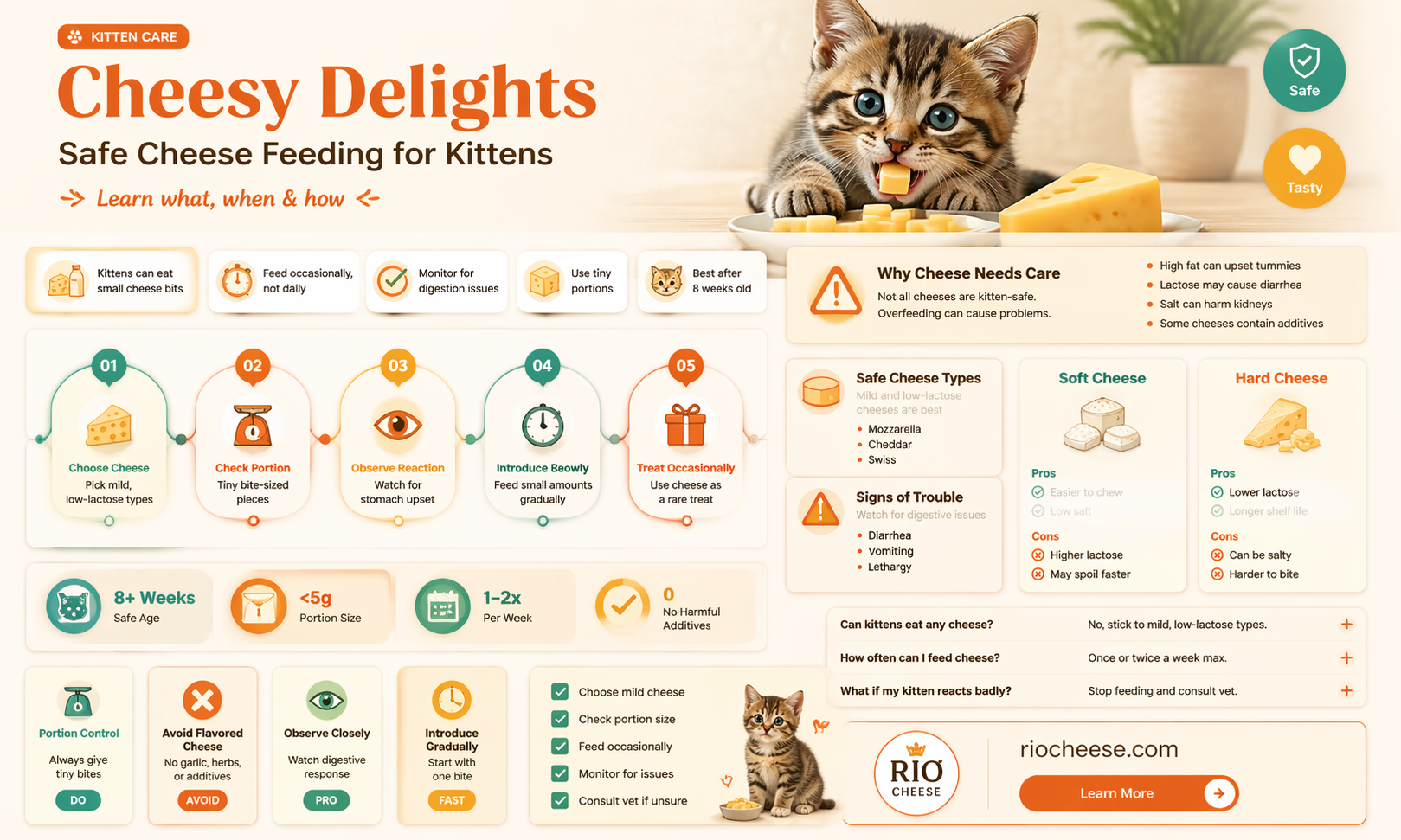
When it comes to feeding kittens, it's essential to provide them with a balanced and nutritious diet tailored to their specific needs. While cheese might seem like a tasty treat, it's important to understand whether it's safe for kittens to consume. In this article, we'll explore the potential risks and benefits of feeding cheese to kittens, as well as offer alternative, healthier snack options that can help support their growth and development.
Explore related products




What You'll Learn
- Nutritional Needs: Kittens require specific nutrients for growth; cheese may not meet all their dietary requirements
- Lactose Intolerance: Many kittens are lactose intolerant; consuming cheese can lead to digestive issues like diarrhea
- Choking Hazard: Small pieces of cheese can pose a choking risk to young kittens who may not chew properly
- Allergic Reactions: Some kittens may have allergies to dairy products, causing skin irritations or respiratory problems
- Healthy Alternatives: There are safer, more nutritious food options available for kittens, such as specially formulated kitten food

Nutritional Needs: Kittens require specific nutrients for growth; cheese may not meet all their dietary requirements
Kittens, much like human infants, undergo a critical period of growth and development that demands a precise balance of nutrients. Their dietary needs are not merely a matter of caloric intake but also involve a complex array of vitamins, minerals, proteins, and fats that are essential for their burgeoning bodies. While cheese might seem like a tempting treat due to its high protein and fat content, it is not a nutritionally complete food for kittens. In fact, it lacks several vital nutrients that are crucial for their development.
One of the primary concerns with feeding cheese to kittens is its lactose content. Many kittens are lactose intolerant, meaning they lack the enzymes necessary to digest lactose properly. This can lead to gastrointestinal issues such as diarrhea and vomiting, which can be particularly dangerous for young animals that are still developing their immune systems. Moreover, the high-fat content in cheese can contribute to obesity and pancreatitis in kittens, both of which are serious health conditions.
In addition to these concerns, cheese does not provide the full spectrum of nutrients that kittens require. For instance, it is low in certain vitamins like vitamin A and D, which are essential for vision, bone health, and immune function. It also lacks adequate amounts of taurine, an amino acid that is vital for heart health and vision in cats. Furthermore, the phosphorus-to-calcium ratio in cheese is not ideal for kittens, potentially leading to urinary tract issues and kidney stones.
Given these nutritional shortcomings, it is clear that cheese should not be a staple in a kitten’s diet. Instead, kittens should be fed a diet that is specifically formulated to meet their unique nutritional needs. This typically includes high-quality kitten food that is rich in protein, contains the necessary vitamins and minerals, and has a balanced fat content. It is also important to provide fresh water to ensure that kittens stay hydrated.
In conclusion, while cheese might be a tasty treat for humans, it is not a suitable food for kittens. Feeding kittens a diet that is tailored to their specific nutritional requirements is essential for their growth, development, and overall health. As a responsible pet owner, it is crucial to be aware of these dietary needs and to provide the appropriate nutrition to ensure that kittens thrive.
Explore related products


Lactose Intolerance: Many kittens are lactose intolerant; consuming cheese can lead to digestive issues like diarrhea
Lactose intolerance is a common issue among kittens, and it's crucial to be aware of this when considering feeding them cheese. Many kittens lack the necessary enzymes to digest lactose, a sugar found in milk and dairy products like cheese. This deficiency can lead to a range of digestive problems, including diarrhea, vomiting, and stomach cramps.
When kittens consume cheese, their bodies may not be able to break down the lactose properly. This undigested lactose can then ferment in the gut, producing gas and leading to bloating and discomfort. In severe cases, this can result in dehydration and electrolyte imbalances, which can be particularly dangerous for young animals.
It's important to note that not all kittens are lactose intolerant, and some may be able to tolerate small amounts of cheese without issue. However, it's generally recommended to avoid feeding cheese to kittens, especially if you're unsure about their individual tolerance levels. Instead, opt for kitten-specific foods that are formulated to meet their nutritional needs without the risk of lactose-related digestive issues.
If you suspect that your kitten may be lactose intolerant, it's best to consult with a veterinarian for advice on their specific dietary needs. In some cases, your vet may recommend a lactose-free diet or prescribe digestive enzymes to help your kitten better digest lactose-containing foods.
In conclusion, while cheese may seem like a tasty treat for kittens, it's important to be aware of the potential risks associated with lactose intolerance. By understanding the causes and symptoms of this condition, you can make informed decisions about your kitten's diet and ensure their health and well-being.
Explore related products

$26.47 $29.49


Choking Hazard: Small pieces of cheese can pose a choking risk to young kittens who may not chew properly
Young kittens, especially those under six months old, have a natural curiosity and tendency to explore their environment by putting objects in their mouths. This behavior, combined with their still-developing chewing and swallowing abilities, can make them particularly susceptible to choking hazards. Small pieces of cheese, which can easily break apart or be swallowed whole, pose a significant risk in this regard.
The choking risk associated with cheese is not just theoretical; it is a real and present danger that can have severe consequences. Kittens who choke on cheese may experience difficulty breathing, gagging, or even lose consciousness. In some cases, the obstruction can lead to aspiration pneumonia if the cheese is inhaled into the lungs. Immediate veterinary attention is crucial in such situations, as prompt action can mean the difference between life and death for the kitten.
To mitigate the choking risk, it is essential to ensure that any cheese offered to kittens is grated or crumbled into very small, manageable pieces. This reduces the likelihood of the kitten attempting to swallow a large chunk that could become lodged in its throat. Additionally, it is advisable to supervise kittens closely while they are eating cheese to intervene quickly if any signs of choking occur.
While cheese can be a tasty treat for kittens in moderation, it is important to remember that their primary diet should consist of high-quality kitten food specifically formulated to meet their nutritional needs. Cheese should be considered an occasional indulgence rather than a staple in their diet. By taking these precautions and being mindful of the potential choking hazards, you can help ensure that your kitten enjoys cheese safely and responsibly.
Explore related products




Allergic Reactions: Some kittens may have allergies to dairy products, causing skin irritations or respiratory problems
While cheese can be a tempting treat for kittens, it's crucial to be aware of the potential for allergic reactions. Some kittens may have allergies to dairy products, which can manifest as skin irritations or respiratory problems. These reactions can range from mild to severe, and it's essential to monitor your kitten closely if you suspect an allergy.
Skin irritations may appear as redness, itching, or even hives, while respiratory problems can include difficulty breathing, wheezing, or coughing. If you notice any of these symptoms after feeding your kitten cheese, it's important to consult with a veterinarian immediately. They can help determine the severity of the allergy and recommend appropriate treatment.
In some cases, kittens may develop an allergic reaction to cheese over time, even if they initially tolerated it well. This is why it's important to introduce new foods gradually and in small amounts, allowing you to monitor for any adverse reactions. If you're unsure whether your kitten has a dairy allergy, it's best to err on the side of caution and avoid feeding them cheese altogether.
There are also some breeds of kittens that are more prone to dairy allergies, such as Siamese and Oriental Shorthairs. If you have one of these breeds, it's especially important to be vigilant about monitoring for allergic reactions. In general, it's always a good idea to consult with a veterinarian before introducing any new foods to your kitten's diet, especially if you have concerns about potential allergies.
Explore related products
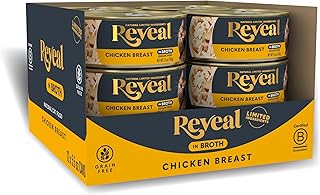


Healthy Alternatives: There are safer, more nutritious food options available for kittens, such as specially formulated kitten food
Kittens require a specific balance of nutrients to support their rapid growth and development. While cheese may seem like a tasty treat, it is not an ideal food choice for kittens due to its high fat and lactose content. Fortunately, there are healthier alternatives available that can provide the necessary nutrition without the risks associated with feeding cheese.
One of the best options for feeding kittens is specially formulated kitten food. These foods are designed to meet the unique nutritional needs of growing cats, providing the right balance of proteins, fats, vitamins, and minerals. Kitten foods typically contain higher levels of protein and calories than adult cat foods, which are essential for supporting muscle growth and energy needs.
When choosing a kitten food, it is important to look for products that are labeled as "complete and balanced" and that meet the nutritional standards set by organizations such as the Association of American Feed Control Officials (AAFCO). Additionally, consider the kitten's age, as some foods are formulated specifically for very young kittens (under 6 months) or older kittens (6-12 months).
Another healthy alternative to cheese is to offer small amounts of plain, cooked chicken or turkey. These lean proteins can provide a source of essential amino acids without the high fat content found in cheese. However, it is crucial to ensure that the meat is cooked thoroughly to avoid the risk of foodborne illness and to remove any bones or skin that could pose a choking hazard.
In addition to providing a balanced diet, it is also important to ensure that kittens have access to clean, fresh water at all times. Adequate hydration is essential for supporting their overall health and preventing issues such as urinary tract infections.
By choosing healthier alternatives to cheese, such as specially formulated kitten food and lean proteins, you can help support the growth and development of your kitten while minimizing the risks associated with feeding inappropriate foods.
Frequently asked questions
No, you should not feed kittens cheese. Cheese is not a suitable food for kittens and can cause digestive issues.
Feeding cheese to kittens can lead to gastrointestinal problems such as diarrhea and vomiting, as well as more serious health issues like pancreatitis.
Kittens should be fed a diet specifically formulated for their nutritional needs, which includes high-quality kitten food that is rich in protein and nutrients.
To ensure that your kitten is getting a balanced diet, you should feed them a commercially available kitten food that meets their nutritional requirements and avoid feeding them human foods like cheese.
In addition to cheese, you should avoid feeding kittens other human foods such as chocolate, onions, garlic, grapes, and raisins, as these can be toxic or harmful to their health.