 Kamil Perry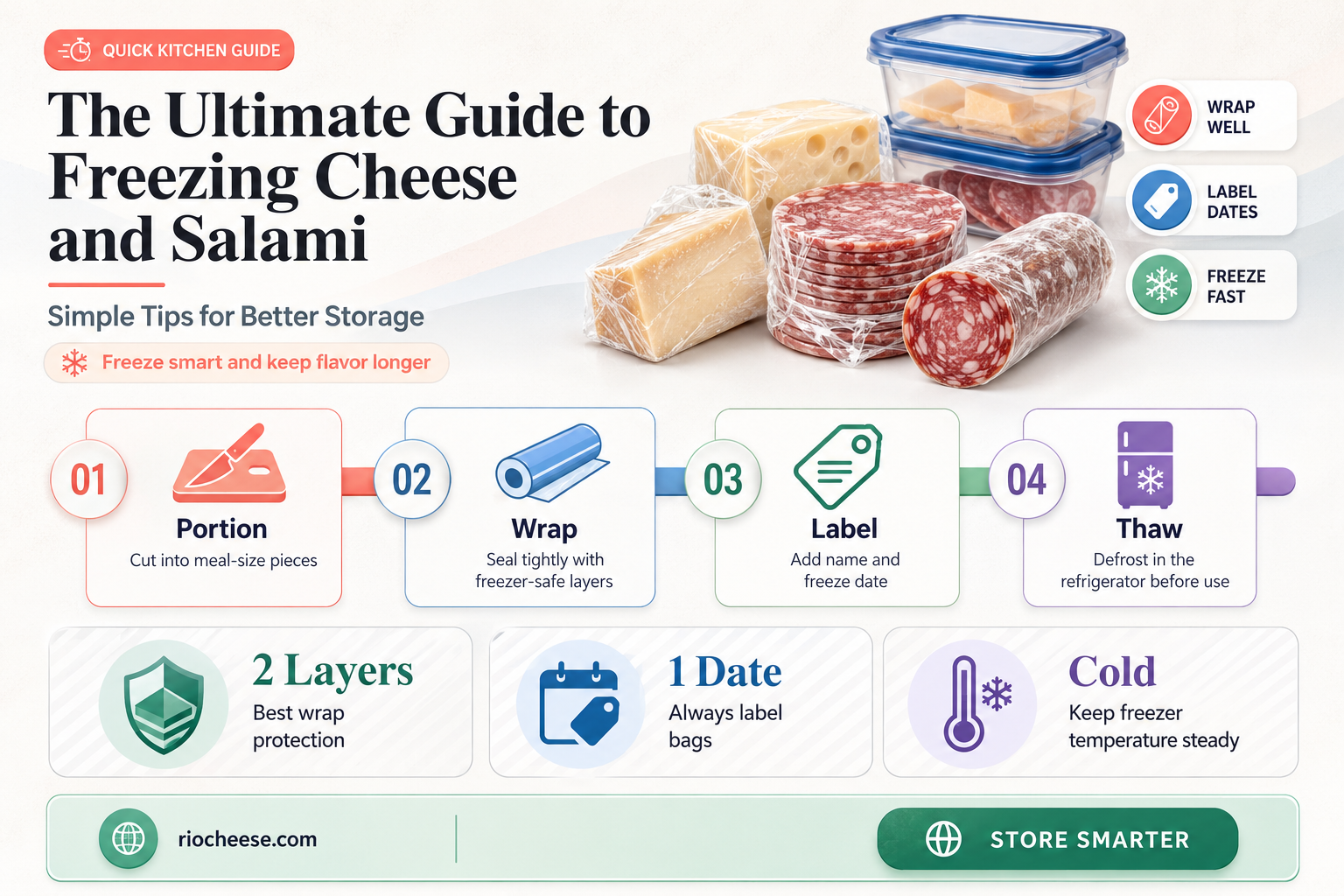
When it comes to preserving the freshness and quality of cheese and salami, freezing is a common method that many people consider. However, the suitability of freezing these items depends on their specific types and the desired outcome. Some cheeses, like hard cheeses, can be frozen without significant changes in texture or flavor, while others, such as soft cheeses, may not fare as well. Salami, being a cured meat, can also be frozen, but it's important to note that freezing may alter its texture slightly. In this discussion, we'll delve into the nuances of freezing cheese and salami, exploring the best practices and potential drawbacks to help you make informed decisions about preserving these delicious foods.
Explore related products


What You'll Learn
- Freezing Techniques: Methods for safely freezing cheese and salami to preserve freshness
- Thawing Process: Best practices for thawing frozen cheese and salami to maintain quality
- Storage Duration: Guidelines on how long cheese and salami can be stored in the freezer
- Freezer Burn Prevention: Tips to prevent freezer burn on cheese and salami during storage
- Quality Changes: Potential changes in texture and flavor of cheese and salami after freezing

Freezing Techniques: Methods for safely freezing cheese and salami to preserve freshness
To preserve the freshness of cheese and salami through freezing, it's essential to follow specific techniques that prevent texture and flavor degradation. First, wrap the cheese or salami tightly in plastic wrap or aluminum foil to prevent air exposure, which can lead to freezer burn. Then, place the wrapped items in a freezer-safe bag or container. For cheese, it's best to freeze it in small portions, as needed, since the texture can change upon thawing. Salami, on the other hand, can be frozen whole or in slices. When freezing salami, it's crucial to ensure that it's fully cured, as freezing can halt the curing process.
The freezing process should be done quickly to minimize the formation of ice crystals, which can damage the cell structure of the food. Place the items in the coldest part of the freezer, typically the back or bottom, where the temperature is most consistent. Avoid overcrowding the freezer, as this can lead to uneven freezing and increased risk of contamination.
When thawing frozen cheese and salami, it's important to do so slowly and safely. Transfer the items from the freezer to the refrigerator and allow them to thaw overnight. This gradual thawing process helps to preserve the texture and flavor of the food. Once thawed, cheese should be used within a few days, while salami can last up to a week in the refrigerator.
It's worth noting that not all types of cheese and salami freeze well. Soft cheeses, like Brie or Camembert, may become too soft and lose their shape upon thawing. Similarly, salami with a high fat content may become greasy when frozen. As a general rule, harder cheeses and leaner salamis are better suited for freezing.
In conclusion, freezing cheese and salami can be an effective way to preserve their freshness, but it's crucial to follow proper techniques to prevent texture and flavor degradation. By wrapping the items tightly, freezing them quickly, and thawing them slowly, you can enjoy your cheese and salami for an extended period. Just be mindful of the types of cheese and salami that freeze well and those that may not.
Robo Hamsters and Cheese: A Guide to Safe Feeding Practices
You may want to see also
Explore related products


Thawing Process: Best practices for thawing frozen cheese and salami to maintain quality
To ensure the best quality when thawing frozen cheese and salami, it's crucial to follow a controlled and gradual process. Sudden temperature changes can alter the texture and flavor of these delicate foods. The ideal method involves transferring the frozen items from the freezer to the refrigerator and allowing them to thaw slowly over several hours or overnight. This method maintains a consistent temperature and prevents the growth of harmful bacteria.
If time is of the essence, a quicker thawing method can be employed using cold water. Submerge the frozen cheese or salami in a bowl of cold water, changing the water every 30 minutes to maintain a low temperature. This method can take around 30 minutes to an hour, depending on the size of the items. However, it's important to note that this rapid thawing can lead to a slight loss of texture and flavor compared to the slow refrigerator method.
Another option is to use the microwave, but this should be done with caution. Place the frozen items on a microwave-safe plate and use the defrost setting, checking every 10 seconds to avoid overheating. This method is the quickest but can result in uneven thawing and potential loss of quality if not monitored closely.
Regardless of the method chosen, it's essential to cook or consume the thawed cheese and salami promptly to prevent bacterial growth. Once thawed, these items should not be refrozen as this can further compromise their quality and safety.
In summary, the best practices for thawing frozen cheese and salami involve a slow, controlled process in the refrigerator, a quicker method using cold water, or a cautious approach with the microwave. Each method has its advantages and drawbacks, but all aim to maintain the quality and safety of these foods during the thawing process.
Is Pimento Cheese Safe for Dogs? A Complete Guide
You may want to see also
Explore related products




Storage Duration: Guidelines on how long cheese and salami can be stored in the freezer
Cheese and salami, when stored properly in the freezer, can retain their quality for several months. However, the storage duration varies depending on the type of cheese and salami. Hard cheeses like Parmesan and aged cheddar can be stored for up to 6 months, while softer cheeses like mozzarella and feta are best used within 3 months. Salami, on the other hand, can be stored for up to 3 months, but it's important to note that the texture may become slightly drier after freezing.
To ensure optimal storage, it's crucial to wrap the cheese and salami tightly in plastic wrap or aluminum foil before placing them in the freezer. This prevents freezer burn and helps maintain the original texture and flavor. It's also recommended to store cheese and salami in the coldest part of the freezer, typically the back or bottom shelf, to maintain a consistent temperature.
When you're ready to use the frozen cheese or salami, it's best to thaw them slowly in the refrigerator overnight. This gradual thawing process helps preserve the texture and flavor. If you're in a hurry, you can thaw them at room temperature for a few hours, but be cautious not to leave them out for too long to avoid bacterial growth.
It's important to note that while freezing can extend the shelf life of cheese and salami, it may not be suitable for all types. For instance, very soft cheeses like Brie or Camembert may not freeze well, and their texture and flavor may be compromised. Similarly, some types of salami, especially those with a high fat content, may become too dry after freezing.
In summary, the storage duration of cheese and salami in the freezer depends on their type and how they are stored. By following proper storage guidelines, you can enjoy your cheese and salami for several months while maintaining their quality and safety.
Is Cottage Cheese Safe for Puppies? A Complete Guide
You may want to see also
Explore related products



Freezer Burn Prevention: Tips to prevent freezer burn on cheese and salami during storage
To prevent freezer burn on cheese and salami, it's crucial to understand the underlying causes. Freezer burn occurs when the moisture in the food evaporates and ice crystals form, leading to a dry, unappetizing texture. This process can be exacerbated by improper storage techniques. One effective method to combat freezer burn is to ensure that cheese and salami are stored in airtight containers or wrapped tightly in plastic wrap or aluminum foil. This creates a barrier that minimizes moisture loss and protects the food from the harsh, cold air of the freezer.
Another key strategy is to store cheese and salami at the correct temperature. While it might be tempting to freeze these items for long-term storage, it's important to note that freezing can alter their texture and flavor. Instead, consider storing them in the refrigerator at a consistent temperature between 35°F and 40°F (1.6°C and 4.4°C). This will help maintain their quality without the risk of freezer burn. If you must freeze cheese and salami, do so for short periods and thaw them slowly in the refrigerator to minimize moisture loss.
In addition to proper storage techniques, it's also important to handle cheese and salami with care. Avoid exposing them to warm temperatures or direct sunlight, as this can cause them to spoil more quickly. When slicing cheese and salami, use a clean, sharp knife to prevent crushing the delicate texture. Finally, consider labeling and dating your stored items to ensure that you consume them within the recommended timeframe, typically within 3 to 6 months for optimal quality.
By following these tips, you can effectively prevent freezer burn on cheese and salami, ensuring that they remain fresh and flavorful for an extended period. Remember, proper storage and handling are key to maintaining the quality of these items, so take the time to implement these strategies and enjoy your cheese and salami without the worry of freezer burn.
Can You Feed Regular String Cheese to Dogs?
You may want to see also
Explore related products


Quality Changes: Potential changes in texture and flavor of cheese and salami after freezing
Freezing cheese and salami can lead to noticeable changes in their texture and flavor. The freezing process causes the water content in these foods to form ice crystals, which can disrupt the structure of the proteins and fats, resulting in a drier, crumbly texture upon thawing. This is particularly true for cheeses with a higher moisture content, such as Brie or Camembert, which may become unpleasantly dry and lose their creamy consistency.
In terms of flavor, freezing can cause a loss of taste intensity and complexity. The cold temperatures can dull the flavors, making the cheese and salami taste less vibrant and savory. This effect is more pronounced in cheeses that are aged or have a strong flavor profile, as the freezing process can disrupt the delicate balance of flavors that develop over time.
To mitigate these quality changes, it is important to freeze cheese and salami properly. Wrapping them tightly in plastic wrap or aluminum foil can help prevent freezer burn and retain moisture. It is also recommended to freeze these foods for as short a time as possible and to thaw them slowly in the refrigerator to minimize texture and flavor changes.
When it comes to salami, the freezing process can cause the fat to separate from the meat, leading to a greasy texture upon thawing. To prevent this, it is best to slice the salami before freezing and to wrap each slice individually. This will help maintain the integrity of the meat and fat, resulting in a better texture and flavor after freezing.
In conclusion, while freezing cheese and salami is a convenient way to preserve these foods, it is important to be aware of the potential quality changes that can occur. By following proper freezing and thawing techniques, it is possible to minimize these changes and enjoy cheese and salami that are as close to their original state as possible.
Cheesy Delights: A Guide to Safely Feeding Cheese to Your Kittens
You may want to see also
Frequently asked questions
Yes, you can freeze cheese and salami together in a sandwich. However, it's best to wrap the sandwich tightly in plastic wrap or aluminum foil to prevent freezer burn and maintain freshness. When you're ready to eat it, allow it to thaw in the refrigerator for a few hours or at room temperature for about 30 minutes.
Cheese and salami can be frozen for up to 6 months. After this time, the quality may start to degrade, and the texture may become less desirable. It's important to store them in airtight containers or freezer bags to prevent freezer burn and maintain their flavor.
The best way to thaw frozen cheese and salami is to place them in the refrigerator for a few hours or at room temperature for about 30 minutes. This slow thawing process helps to maintain their texture and flavor. Avoid thawing them in the microwave, as this can cause the cheese to become rubbery and the salami to lose its firmness.


