Andy Montoya
When it comes to crafting the perfect pepperoni pizza, the choice of cheese is crucial. While mozzarella is the classic go-to, its mild flavor and excellent melting properties make it an ideal base. However, to elevate your pizza game, you might consider blending in other cheeses. Provolone adds a slightly sharper taste and a beautiful golden-brown crust when baked. Gouda, with its rich, buttery flavor, can bring a unique depth to your pizza. For those who enjoy a bit of heat, incorporating some red pepper flakes or a drizzle of hot sauce can add an extra kick. Ultimately, the best cheese for pepperoni pizza is a matter of personal preference, but experimenting with different combinations can lead to a truly unforgettable culinary experience.
Explore related products


What You'll Learn
- Mozzarella: The classic choice for pepperoni pizza, offering a mild flavor and excellent melting properties
- Cheddar: A popular alternative with a sharper taste, adding a tangy contrast to the spicy pepperoni
- Provolone: Known for its smooth texture and buttery flavor, complementing the richness of pepperoni
- Gouda: A Dutch cheese with a nutty undertone, providing a unique twist to the traditional pizza flavor
- Fontina: An Italian cheese with a slightly sweet taste, melting well and enhancing the overall pizza experience

Mozzarella: The classic choice for pepperoni pizza, offering a mild flavor and excellent melting properties
Mozzarella cheese is the quintessential topping for pepperoni pizza, renowned for its mild flavor and superior melting qualities. Its origins trace back to Italy, where it was first crafted from the milk of water buffalo. Today, it's predominantly made from cow's milk, offering a creamy texture that complements the spicy, savory notes of pepperoni.
One of the key reasons mozzarella is favored for pepperoni pizza is its ability to melt evenly and stretch without breaking. This characteristic, known as 'mozzarella's meltability,' is due to its high moisture content and the way its proteins are structured. When heated, the proteins in mozzarella unfold and align, creating a smooth, stretchy network that can envelop the pepperoni slices and other toppings.
In addition to its melting prowess, mozzarella's mild flavor profile allows it to balance the bold taste of pepperoni without overpowering it. This harmony of flavors is essential for a well-crafted pepperoni pizza, as it ensures that each bite offers a satisfying blend of spicy, savory, and creamy notes.
When selecting mozzarella for pepperoni pizza, it's important to choose a variety that's specifically designed for melting. Look for labels that indicate 'low-moisture mozzarella' or 'pizza mozzarella,' as these types will provide the best results. Avoid using fresh mozzarella, as its high moisture content can lead to a soggy crust and uneven melting.
In terms of preparation, mozzarella should be shredded or thinly sliced before being added to the pizza. This ensures that it melts uniformly and creates a consistent texture across the surface of the pizza. When layering the toppings, place the mozzarella directly on top of the tomato sauce, followed by the pepperoni slices. This order helps to prevent the pepperoni from becoming too crispy and ensures that the cheese melts evenly around it.
In conclusion, mozzarella's unique combination of meltability, mild flavor, and creamy texture makes it the ideal cheese for pepperoni pizza. By choosing the right type of mozzarella and preparing it properly, you can create a delicious, well-balanced pizza that's sure to satisfy any craving.
Perfect Pairing: The Best Cheese for Your French Onion Soup
You may want to see also
Explore related products


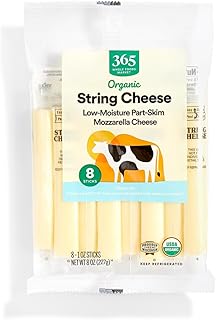

Cheddar: A popular alternative with a sharper taste, adding a tangy contrast to the spicy pepperoni
Cheddar cheese, known for its sharp and tangy flavor, has become a popular choice for those looking to add a unique twist to their pepperoni pizza. Unlike the more traditional mozzarella, cheddar offers a bold taste that can stand up to the spiciness of the pepperoni, creating a harmonious balance of flavors. This combination is particularly appealing to those who enjoy a bit of heat and a strong, distinct cheese presence on their pizza.
One of the key benefits of using cheddar on a pepperoni pizza is its ability to melt well, providing a smooth and creamy texture that complements the crispy crust and chewy pepperoni. Additionally, cheddar's natural oils contribute to a richer, more indulgent pizza experience. When choosing a cheddar for your pizza, it's important to consider the sharpness level, as this can vary greatly between different brands and types. A medium to sharp cheddar is typically recommended for pepperoni pizza, as it provides enough flavor to contrast with the pepperoni without overpowering it.
In terms of preparation, using cheddar on a pepperoni pizza is quite straightforward. Simply shred the cheddar and sprinkle it evenly over the pizza dough, followed by the pepperoni and any other desired toppings. Bake the pizza as you would normally, keeping an eye on it to ensure the cheese melts properly and the crust reaches your desired level of crispiness. Some pizza enthusiasts also enjoy adding a blend of cheeses, such as combining cheddar with mozzarella or provolone, to create a more complex flavor profile.
Overall, cheddar cheese offers a delicious and unique alternative to traditional mozzarella on pepperoni pizza. Its sharp, tangy flavor provides a perfect contrast to the spicy pepperoni, while its excellent melting properties ensure a smooth and creamy texture. Whether you're a fan of bold flavors or simply looking to try something new, cheddar is definitely worth considering for your next pepperoni pizza creation.
The Ultimate Guide to Perfect Chili Cheese Dogs: Cheese Edition
You may want to see also
Explore related products


Provolone: Known for its smooth texture and buttery flavor, complementing the richness of pepperoni
Provolone cheese, with its smooth texture and buttery flavor, is a popular choice for pepperoni pizza. This Italian cheese is known for its mild, slightly sweet taste that complements the spicy, savory flavor of pepperoni without overpowering it. When melted, provolone becomes gooey and stretchy, creating a delightful contrast to the crispy crust and chewy pepperoni slices.
One of the reasons provolone works so well on pepperoni pizza is its ability to balance the richness of the meat. Pepperoni is often quite oily and salty, and provolone's creamy texture and subtle flavor help to cut through that richness, creating a more harmonious taste experience. Additionally, provolone's excellent melting properties make it a great choice for achieving that perfect, golden-brown cheese pull that many pizza lovers crave.
When using provolone on a pepperoni pizza, it's important to consider the other ingredients as well. A simple tomato sauce base allows the flavors of the cheese and pepperoni to shine, while a sprinkle of fresh basil or oregano can add a nice herbal note that complements the overall taste. Some pizza makers also like to add a touch of garlic or red pepper flakes to enhance the flavor profile further.
In terms of preparation, provolone cheese should be grated or thinly sliced before being added to the pizza. This ensures that it melts evenly and quickly, resulting in a smooth, consistent texture across the entire pizza. When baking, a high temperature (around 475°F or 245°C) is ideal for achieving a crispy crust and perfectly melted cheese.
Overall, provolone is an excellent choice for pepperoni pizza due to its smooth texture, buttery flavor, and ability to balance the richness of the pepperoni. Its melting properties and mild taste make it a versatile ingredient that can be easily customized with other toppings to create a delicious, satisfying pizza experience.
The Perfect Cheese Blend for Your Homemade Pizza Masterpiece
You may want to see also
Explore related products


Gouda: A Dutch cheese with a nutty undertone, providing a unique twist to the traditional pizza flavor
Gouda cheese, a Dutch delicacy known for its rich, nutty undertones, offers a unique twist to the traditional pepperoni pizza. This semi-hard cheese, originating from the Netherlands, is often overshadowed by its Italian counterparts like mozzarella and Parmesan. However, its distinct flavor profile and excellent melting properties make it an intriguing choice for pizza enthusiasts looking to experiment with new tastes.
When incorporating Gouda into a pepperoni pizza, it's essential to consider the balance of flavors. The nuttiness of Gouda complements the spiciness of pepperoni, creating a harmonious blend. To achieve the best results, start by grating the Gouda finely, ensuring an even distribution across the pizza. This allows the cheese to melt uniformly and prevents any overpowering pockets of flavor.
One of the advantages of using Gouda on pizza is its versatility. It pairs well with a variety of toppings, from fresh vegetables like bell peppers and onions to more indulgent options like bacon or sausage. For a gourmet touch, consider adding some caramelized onions or roasted garlic, which enhance the nutty notes of the Gouda.
When baking a Gouda-topped pizza, keep an eye on the cooking time and temperature. Since Gouda melts differently than mozzarella, it may require a slightly longer baking time to achieve that perfect, gooey consistency. A preheated oven at 450°F (232°C) for about 12-15 minutes should do the trick, depending on your pizza's thickness and toppings.
In conclusion, Gouda cheese brings a unique and delightful twist to the classic pepperoni pizza. Its nutty flavor, excellent melting properties, and versatility make it a worthy addition to any pizza lover's repertoire. By following these simple tips and experimenting with different toppings, you can create a delicious and memorable Gouda-topped pizza that will surely impress your friends and family.
Exploring the Perfect Cheese for Fettuccine Alfredo: A Culinary Journey
You may want to see also
Explore related products
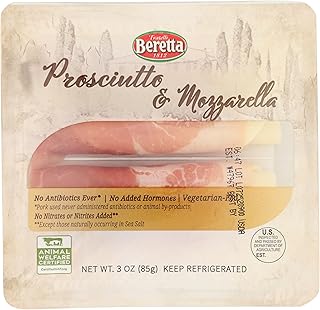

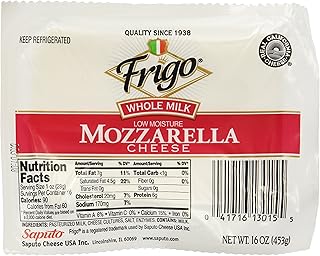


Fontina: An Italian cheese with a slightly sweet taste, melting well and enhancing the overall pizza experience
Fontina cheese, a semi-soft Italian variety, is renowned for its exceptional melting qualities and slightly sweet flavor profile. This makes it an ideal choice for pepperoni pizza, where its creamy texture can complement the spicy, savory notes of the pepperoni. When heated, Fontina becomes wonderfully gooey, creating a rich, velvety layer that binds the toppings together and adds depth to each bite.
One of the key benefits of using Fontina on pepperoni pizza is its ability to balance the bold flavors without overpowering them. Its mild, nutty undertones provide a subtle contrast to the pepperoni's intense seasoning, resulting in a harmonious blend of tastes. Additionally, Fontina's excellent melting properties ensure that it distributes evenly across the pizza, preventing any dry or rubbery spots that can detract from the overall eating experience.
To make the most of Fontina on your pepperoni pizza, it's essential to use it in the right proportion. Too much cheese can make the pizza soggy, while too little may not provide the desired creamy texture. A good rule of thumb is to use about 1/4 to 1/3 cup of shredded Fontina per pizza, depending on your preference for cheesiness. You can also experiment with combining Fontina with other cheeses, such as mozzarella or Parmesan, to create a unique flavor profile that suits your taste.
When preparing your pepperoni pizza with Fontina, be sure to preheat your oven to the correct temperature, typically around 475°F (245°C). This high heat will help the cheese melt quickly and evenly, achieving that perfect gooey consistency. Keep an eye on the pizza as it bakes, and remove it from the oven when the crust is golden brown and the cheese is bubbly and slightly browned in spots.
In conclusion, Fontina cheese is a fantastic addition to pepperoni pizza, offering a delightful combination of flavor and texture that elevates the classic dish. By using it in the right proportion and baking at the correct temperature, you can create a delicious, restaurant-quality pizza that's sure to impress.
Elevate Your Cordon Bleu: A Guide to the Perfect Cheese Pairing
You may want to see also
Frequently asked questions
The most common cheese used on pepperoni pizza is mozzarella. Its mild flavor and excellent melting properties make it the perfect choice for complementing the spicy and savory taste of pepperoni.
Yes, you can experiment with other cheeses like cheddar, provolone, or gouda to add different flavor profiles. However, mozzarella is still recommended as the base cheese for its superior melting qualities.
The amount of cheese depends on personal preference, but a general guideline is to use about 1 to 1.5 cups of shredded mozzarella cheese for a standard 12-inch pizza. You can adjust this based on your desired cheese-to-pepperoni ratio.