Kamil Perry
When it comes to crafting the perfect homemade pizza, one of the most crucial decisions is selecting the right cheese. The ideal cheese for pizza should melt beautifully, creating a gooey, stretchy texture that complements the crispy crust and savory toppings. Mozzarella is the classic choice, renowned for its excellent melting properties and mild flavor that pairs well with a variety of ingredients. However, there are many other cheese options that can elevate your homemade pizza, such as cheddar for a sharper taste, provolone for a slightly tangy flavor, or gouda for a rich, buttery note. Experimenting with different cheeses can help you create a unique and delicious pizza that suits your personal preferences.
Explore related products



What You'll Learn
- Mozzarella Varieties: Explore different types like buffalo, low-moisture, or smoked for unique flavors
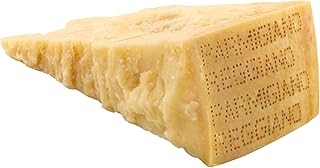
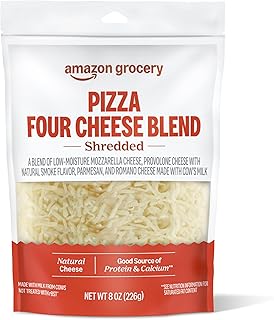
- Cheese Blends: Combine cheeses such as cheddar, gouda, and parmesan for a complex taste profile
- Vegan Options: Discover plant-based alternatives like vegan mozzarella or nutritional yeast for dairy-free pizzas
- Gourmet Cheeses: Experiment with artisanal cheeses such as feta, goat cheese, or blue cheese for a gourmet touch
- Melting Properties: Understand which cheeses melt best and how to achieve the perfect, gooey texture

Mozzarella Varieties: Explore different types like buffalo, low-moisture, or smoked for unique flavors
Buffalo mozzarella, with its soft, creamy texture and mild flavor, is a popular choice for homemade pizzas. This variety is made from the milk of water buffalo and is often associated with traditional Neapolitan pizza. Its high moisture content allows it to melt beautifully, creating a smooth, even layer of cheese on your pizza.
Low-moisture mozzarella, on the other hand, is a more versatile option. It has a firmer texture and a slightly saltier taste compared to buffalo mozzarella. This type of cheese is excellent for pizzas that require a bit more structure, as it doesn't melt as quickly and can hold up to heavier toppings.
Smoked mozzarella adds a unique twist to your homemade pizza. Infused with a smoky flavor, this cheese variety can elevate your pizza to new heights. It pairs particularly well with meats like prosciutto or sausage, and can also complement vegetables like roasted red peppers or eggplant.
When choosing a mozzarella variety for your homemade pizza, consider the flavor profile and texture you're aiming for. Buffalo mozzarella is ideal for a classic, simple pizza with a focus on the cheese. Low-moisture mozzarella is a great all-around choice that can handle a variety of toppings. Smoked mozzarella is perfect for adding a touch of sophistication and depth to your pizza.
Experimenting with different mozzarella varieties can help you create a truly unique and delicious homemade pizza. Don't be afraid to mix and match different types of cheese to find your perfect combination.
The Perfect Pairing: Which Cheese Elevates Your French Dip?
You may want to see also
Explore related products


Cheese Blends: Combine cheeses such as cheddar, gouda, and parmesan for a complex taste profile
Combining different types of cheese can elevate your homemade pizza from good to gourmet. A blend of cheddar, gouda, and parmesan offers a complex taste profile that balances sharpness, nuttiness, and umami flavors. Start by grating equal parts of each cheese to ensure an even distribution of flavors. For a more intense flavor, you can increase the ratio of parmesan, which has a strong, salty taste that complements the milder cheddar and gouda.
When blending cheeses, it's important to consider their melting points. Cheddar and gouda have similar melting points, which makes them ideal for blending. Parmesan, however, has a higher melting point and may not melt as smoothly. To achieve a uniform melt, you can mix the grated cheeses with a small amount of cornstarch or flour, which will help them melt more evenly and prevent oil separation.
Another factor to consider is the moisture content of the cheeses. Cheddar and gouda are relatively dry cheeses, while parmesan is even drier. This can affect the overall texture of your pizza. If you prefer a gooey, stretchy cheese topping, you may want to add a small amount of mozzarella to your blend. Mozzarella has a high moisture content and melts beautifully, creating that classic pizza stretch.
Experimenting with different cheese blends can be a fun and delicious way to customize your homemade pizza. Don't be afraid to try new combinations and find your perfect blend. Remember, the key to a great cheese blend is to balance the flavors and textures of the different cheeses. With a little practice, you'll be creating mouthwatering cheese blends that will impress even the most discerning pizza connoisseurs.
The Perfect Pairing: Which Cheese Elevates Your Garlic Bread?
You may want to see also
Explore related products




Vegan Options: Discover plant-based alternatives like vegan mozzarella or nutritional yeast for dairy-free pizzas
For those embracing a plant-based lifestyle or simply looking to experiment with dairy-free alternatives, vegan cheese options have come a long way in recent years. Vegan mozzarella, made from plant-based ingredients like coconut oil, cashews, or soy, offers a creamy texture and mild flavor that closely mimics its dairy counterpart. It melts well and can be used in a 1:1 ratio in place of traditional mozzarella on homemade pizzas.
Nutritional yeast is another popular vegan cheese alternative that adds a cheesy, umami flavor to dishes. This inactive yeast is often used in combination with other ingredients like almond milk, vegan butter, and spices to create a homemade vegan cheese sauce. When using nutritional yeast on pizza, it's best to mix it with a bit of olive oil and minced garlic to enhance its flavor profile.
Other vegan cheese options to consider for homemade pizzas include vegan cheddar, which can add a sharp, tangy taste, and vegan feta, which provides a crumbly texture and salty flavor. When selecting a vegan cheese, it's important to consider the melting properties and flavor profile to ensure it complements the other toppings on your pizza.
In addition to vegan cheese alternatives, there are a variety of other plant-based toppings that can elevate your dairy-free pizza. Fresh vegetables like bell peppers, onions, mushrooms, and olives add color, texture, and flavor, while plant-based proteins like tofu, tempeh, or seitan can provide a satisfying meat substitute.
When preparing a vegan pizza, it's also important to ensure that the crust and sauce are free from animal products. Many store-bought pizza crusts and sauces contain dairy or eggs, so be sure to check the ingredients or opt for homemade versions. With a little creativity and experimentation, you can create delicious, satisfying vegan pizzas that everyone can enjoy.
Exploring the Perfect Cheese Match for Your Elote: A Flavorful Journey
You may want to see also
Explore related products


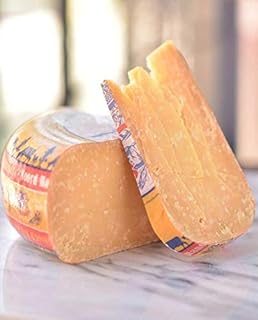
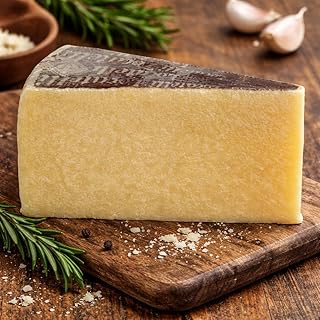
Gourmet Cheeses: Experiment with artisanal cheeses such as feta, goat cheese, or blue cheese for a gourmet touch
For a truly gourmet homemade pizza, consider stepping beyond the usual mozzarella and experimenting with artisanal cheeses. Feta, goat cheese, and blue cheese are excellent choices that can elevate your pizza from ordinary to extraordinary. These cheeses offer unique flavors and textures that can complement a variety of toppings and sauces.
Feta cheese, with its tangy and salty flavor, pairs well with Mediterranean-inspired toppings such as olives, sun-dried tomatoes, and fresh herbs like basil or oregano. It's best to crumble feta over the pizza after it's been baked to maintain its texture and prevent it from melting into the sauce.
Goat cheese, known for its creamy and slightly tangy taste, is a versatile option that can be used in both sweet and savory pizza recipes. It pairs beautifully with caramelized onions, figs, and prosciutto for a sweet and salty combination, or with spinach and mushrooms for a more earthy flavor profile. Goat cheese melts well, so it can be added before baking for a smooth, creamy texture.
Blue cheese, with its strong, pungent flavor, is not for the faint of heart but can add a bold, gourmet touch to your pizza. It pairs well with sweet toppings like honey or pears, which can balance out its sharpness, or with spicy toppings like jalapeños for an extra kick. Like feta, blue cheese is best added after baking to preserve its texture and flavor.
When experimenting with these artisanal cheeses, remember to use them sparingly, as their strong flavors can overpower the other ingredients. Start with a small amount and adjust to taste. Additionally, consider using a combination of cheeses to create a more complex flavor profile. The key to a successful gourmet pizza is balance – finding the right combination of flavors and textures that complement each other without overwhelming the palate.
The Ultimate Guide to Perfect Chili Cheese Dogs: Cheese Edition
You may want to see also
Explore related products


Melting Properties: Understand which cheeses melt best and how to achieve the perfect, gooey texture
Cheese is a crucial component of homemade pizza, and understanding its melting properties can make or break your pizza-making experience. The ideal melting cheese should transform into a smooth, stretchy, and gooey texture when heated, enhancing the overall flavor and mouthfeel of the pizza. But which cheeses melt best, and how can you achieve that perfect consistency?
Mozzarella is the gold standard for melting cheese on pizza due to its high moisture content and low acidity. When heated, mozzarella releases its natural oils, creating that signature stretchy and gooey texture. However, not all mozzarella is created equal. Look for low-moisture mozzarella, which melts more evenly and prevents the pizza from becoming too soggy.
Another excellent option is provolone, which melts similarly to mozzarella but offers a slightly sharper flavor. Provolone is also a good choice for those who prefer a bit more bite to their cheese. For a more robust flavor, you can try using a blend of cheeses, such as mozzarella and cheddar or mozzarella and gouda. These combinations can add depth and complexity to your pizza's taste profile.
To achieve the perfect melt, it's essential to use the right amount of cheese and distribute it evenly across the pizza. Too much cheese can lead to a greasy, soggy crust, while too little cheese may result in a dry, unsatisfying pizza. Aim for a thin, even layer of cheese, and consider using a cheese grater to ensure uniform distribution.
Finally, the temperature and cooking time play a significant role in achieving the ideal melt. Preheat your oven to a high temperature, typically around 475°F (245°C), and cook the pizza for a short period, usually 10-15 minutes. This high heat will help the cheese melt quickly and evenly, resulting in that perfect gooey texture. Keep an eye on the pizza as it cooks, and remove it from the oven when the cheese is melted and bubbly, but before it starts to brown or burn.
The Perfect Match: Grilled Cheese's Cheesy Companions
You may want to see also
Frequently asked questions
Mozzarella is the most popular choice for melting on homemade pizza due to its excellent melting properties and mild flavor that complements a variety of toppings.
Absolutely! A blend of cheeses, such as mozzarella, provolone, and parmesan, can add depth and complexity to the flavor of your homemade pizza.
The amount of cheese to use on a homemade pizza depends on personal preference, but a general guideline is to use about 1/2 to 3/4 cup of shredded cheese per 12-inch pizza.




![Shredded Mozzarella & Provolone cheese is the perfect topping for pasta or homemade pizza. Add it to your dishes to bring a distinctive flavor. [ 32 oz, 2 lb ]](https://m.media-amazon.com/images/I/51vpEOUrKFL._AC_UL320_.jpg)