Randy Chandler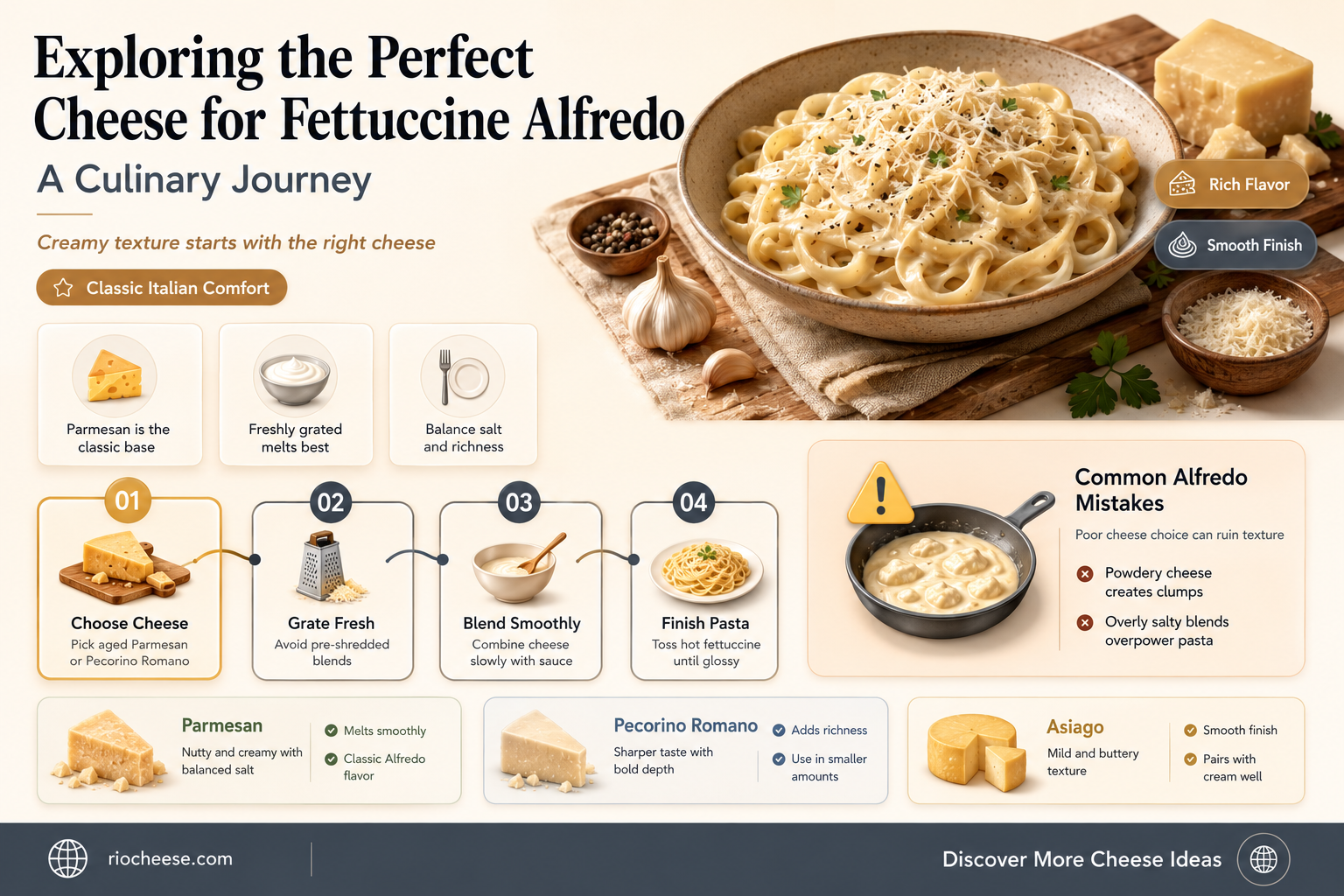
Fettuccine Alfredo is a classic Italian pasta dish known for its rich and creamy sauce. When it comes to choosing the right cheese for this dish, the traditional option is Parmesan. Parmesan cheese adds a sharp, salty flavor that complements the creamy Alfredo sauce perfectly. Its hard texture also allows it to be grated finely, which helps it melt smoothly into the sauce. While other cheeses like Pecorino Romano or even a blend of Italian cheeses can be used, Parmesan remains the most popular and widely accepted choice for Fettuccine Alfredo.
Explore related products




What You'll Learn
- Traditional Parmesan: The classic choice for fettuccine Alfredo, offering a sharp, salty flavor that complements the creamy sauce
- Pecorino Romano: A sheep's milk cheese with a tangy, slightly bitter taste that adds depth to the dish's richness
- Gruyère: This Swiss cheese melts beautifully, adding a smooth, nutty flavor that enhances the Alfredo sauce's creaminess
- Fontina: Known for its mild, buttery taste and excellent melting qualities, Fontina brings a subtle sweetness to the pasta
- Gouda: A versatile Dutch cheese that provides a rich, caramel-like flavor and a smooth texture when melted in the sauce

Traditional Parmesan: The classic choice for fettuccine Alfredo, offering a sharp, salty flavor that complements the creamy sauce
Parmesan cheese, with its distinctive sharp and salty flavor, is the quintessential topping for fettuccine Alfredo. This hard, aged cheese is made from cow's milk and undergoes a meticulous aging process that can last anywhere from 12 to 36 months, resulting in its unique taste and texture. When grated over fettuccine Alfredo, Parmesan adds a savory depth that cuts through the richness of the creamy sauce, creating a harmonious balance of flavors.
The process of making Parmesan cheese is a closely guarded tradition, originating from the Parma and Reggio regions of Italy. The cheese is typically made in large wheels, which are then aged in temperature and humidity-controlled environments. During the aging process, the cheese develops its characteristic granular texture and intense flavor profile. The longer the cheese is aged, the sharper and more complex its taste becomes.
When selecting Parmesan cheese for fettuccine Alfredo, it's essential to choose a high-quality variety. Look for Parmigiano-Reggiano, which is the authentic, protected designation of origin (PDO) Parmesan cheese from Italy. This ensures that the cheese has been produced following the traditional methods and meets strict quality standards. Alternatively, you can opt for a good quality Parmesan from other regions or countries, but be aware that the flavor and texture may differ slightly from the authentic Italian version.
To incorporate Parmesan cheese into your fettuccine Alfredo, simply grate it finely using a microplane or cheese grater. The fine texture allows the cheese to melt slightly into the sauce, infusing it with its sharp, salty flavor. You can also experiment with different grating techniques, such as creating larger shavings or curls, which can add a more pronounced Parmesan presence to each bite.
In conclusion, Parmesan cheese is an indispensable component of fettuccine Alfredo, offering a sharp, salty contrast to the creamy sauce. By choosing a high-quality Parmesan and grating it appropriately, you can elevate your fettuccine Alfredo to a truly authentic and delicious Italian dish.
Savoring Esquites: A Guide to the Perfect Cheese Pairing
You may want to see also
Explore related products



Pecorino Romano: A sheep's milk cheese with a tangy, slightly bitter taste that adds depth to the dish's richness
Pecorino Romano, a sheep's milk cheese, stands out as an exceptional choice for enhancing the flavor profile of Fettuccine Alfredo. Its tangy and slightly bitter taste provides a delightful contrast to the dish's inherent richness, adding a layer of complexity that elevates the overall dining experience. This cheese, with its firm texture and sharp flavor, is often used in Italian cuisine to balance creamy sauces and hearty pasta dishes.
When incorporating Pecorino Romano into Fettuccine Alfredo, it's essential to grate it finely to ensure even distribution throughout the dish. The cheese's robust flavor means that a little goes a long way, so it's advisable to start with a small amount and adjust to taste. This approach allows the cheese to meld seamlessly with the creamy sauce without overpowering the other ingredients.
One of the unique aspects of Pecorino Romano is its ability to complement a variety of ingredients commonly found in Fettuccine Alfredo. Whether the dish includes chicken, shrimp, or vegetables, the cheese's distinct flavor enhances each component, bringing out subtle nuances and creating a harmonious blend of tastes. Additionally, Pecorino Romano's high protein content and lower fat percentage compared to some other cheeses make it a nutritious addition to the meal.
In terms of pairing, Pecorino Romano works exceptionally well with a range of wines, particularly those with crisp acidity that can cut through the richness of the Alfredo sauce. A glass of Pinot Grigio or Sauvignon Blanc can enhance the dining experience, highlighting the cheese's tangy notes and providing a refreshing contrast to the dish's creamy texture.
In conclusion, Pecorino Romano is a versatile and flavorful cheese that can significantly enhance the taste of Fettuccine Alfredo. Its tangy and slightly bitter profile adds depth and complexity to the dish, making it a standout ingredient in Italian cuisine. By using it judiciously and pairing it with the right wine, one can create a truly memorable culinary experience.
Elevate Your Cordon Bleu: A Guide to the Perfect Cheese Pairing
You may want to see also
Explore related products




Gruyère: This Swiss cheese melts beautifully, adding a smooth, nutty flavor that enhances the Alfredo sauce's creaminess
Gruyère, a quintessential Swiss cheese, is renowned for its exceptional melting qualities and smooth, nutty flavor profile. When incorporated into Fettuccine Alfredo, it elevates the dish's creaminess to new heights. The cheese's ability to melt seamlessly into the sauce creates a velvety texture that coats the pasta perfectly, ensuring each bite is rich and indulgent.
One of the key attributes of Gruyère is its versatility in cooking. It can be grated finely and sprinkled over the pasta just before serving, allowing it to melt slightly and retain some of its texture. Alternatively, it can be melted directly into the Alfredo sauce during the cooking process, infusing the entire dish with its distinctive flavor. The nutty undertones of Gruyère complement the buttery, garlicky notes of the Alfredo sauce, creating a harmonious balance of flavors.
In terms of preparation, it's essential to use high-quality Gruyère for the best results. Look for cheese that is firm yet slightly crumbly, with a pale yellow color and small holes throughout. This indicates that the cheese is at its peak ripeness and will provide the optimal melting experience. When grating the cheese, use a fine grater to ensure it melts evenly and quickly.
Gruyère's melting properties make it an excellent choice for enhancing the visual appeal of Fettuccine Alfredo as well. The cheese can be used to create a golden-brown crust on top of the pasta by broiling it briefly after sprinkling it over the dish. This adds a delightful textural contrast and a touch of color, making the dish even more appetizing.
In conclusion, Gruyère is a superior choice for Fettuccine Alfredo due to its exceptional melting qualities, smooth texture, and nutty flavor. By incorporating this Swiss cheese into the dish, you can create a truly memorable culinary experience that is both rich and satisfying.
The Ultimate Guide to Perfect Chili Cheese Fries: Cheese Edition
You may want to see also
Explore related products



Fontina: Known for its mild, buttery taste and excellent melting qualities, Fontina brings a subtle sweetness to the pasta
Fontina cheese, with its mild, buttery taste and excellent melting qualities, is a delightful addition to fettuccine alfredo. This Italian cheese is known for its subtle sweetness, which complements the rich, creamy sauce perfectly. When melted, Fontina creates a smooth, velvety texture that coats the pasta evenly, enhancing the overall mouthfeel of the dish.
One of the unique characteristics of Fontina is its ability to melt well without becoming greasy or separating. This makes it an ideal choice for fettuccine alfredo, as it helps to create a cohesive, luxurious sauce that clings to the pasta. Additionally, Fontina's mild flavor profile allows it to blend seamlessly with the other ingredients in the dish, such as butter, heavy cream, and Parmesan cheese, without overpowering them.
To incorporate Fontina into your fettuccine alfredo, simply grate it finely and add it to the sauce towards the end of the cooking process. This will allow the cheese to melt slowly and evenly, releasing its subtle sweetness and enhancing the overall flavor of the dish. You can also experiment with different types of Fontina, such as Fontina Val d'Aosta or Fontina d'Alba, to find the one that best suits your taste preferences.
In conclusion, Fontina cheese is a versatile and delicious option for fettuccine alfredo. Its mild, buttery taste and excellent melting qualities make it a perfect complement to the rich, creamy sauce, while its subtle sweetness adds a touch of elegance to the dish. Whether you're a cheese enthusiast or simply looking to elevate your fettuccine alfredo, Fontina is definitely worth considering.
Elevate Your Chicken Parmigiana: A Guide to Perfect Cheese Pairing
You may want to see also
Explore related products


Gouda: A versatile Dutch cheese that provides a rich, caramel-like flavor and a smooth texture when melted in the sauce
Gouda cheese, originating from the Netherlands, is a versatile and flavorful option that can elevate a classic fettuccine Alfredo dish. Known for its rich, caramel-like flavor profile, Gouda adds a unique depth to the creamy sauce, making it a popular choice among cheese enthusiasts.
When melted into the sauce, Gouda's smooth texture seamlessly integrates, creating a velvety consistency that coats the fettuccine perfectly. Its mild to medium flavor intensity complements the subtle taste of the pasta without overpowering it, allowing the other ingredients to shine through.
One of the key benefits of using Gouda in fettuccine Alfredo is its excellent melting properties. Unlike some other cheeses that may become grainy or separate when heated, Gouda maintains its smooth, creamy texture, ensuring a consistent and luxurious sauce. This makes it an ideal choice for achieving that perfect, restaurant-quality Alfredo sauce at home.
In addition to its flavor and texture, Gouda also brings a touch of sophistication to the dish. Its Dutch heritage and long history of cheese-making tradition add an element of authenticity and craftsmanship, making it a more interesting and gourmet option compared to more common cheeses like Parmesan or mozzarella.
To incorporate Gouda into your fettuccine Alfredo, simply grate it finely and add it to the sauce towards the end of the cooking process. Allow the cheese to melt slowly over low heat, stirring occasionally to ensure a smooth and even consistency. The result will be a rich, creamy sauce with a subtle sweetness and a hint of nuttiness, perfectly complementing the tender fettuccine pasta.
Egg-cellent Pairings: A Guide to Cheesy Eggplant Permissions
You may want to see also
Frequently asked questions
The traditional cheese used in Fettuccine Alfredo is Parmesan. It's freshly grated and mixed into the creamy sauce, providing a rich, salty flavor that complements the pasta perfectly.
While Parmesan is the classic choice, you can experiment with other cheeses. Some popular alternatives include Pecorino Romano for a sharper taste, or a blend of Parmesan and Romano for added depth. You could also try using Asiago or Fontina for a creamier texture.
The amount of cheese can vary based on personal preference and the size of your dish. As a general guideline, start with about 1/2 cup of freshly grated Parmesan per serving. You can always add more if you prefer a cheesier sauce. Remember to taste and adjust the seasoning as needed.