Randy Chandler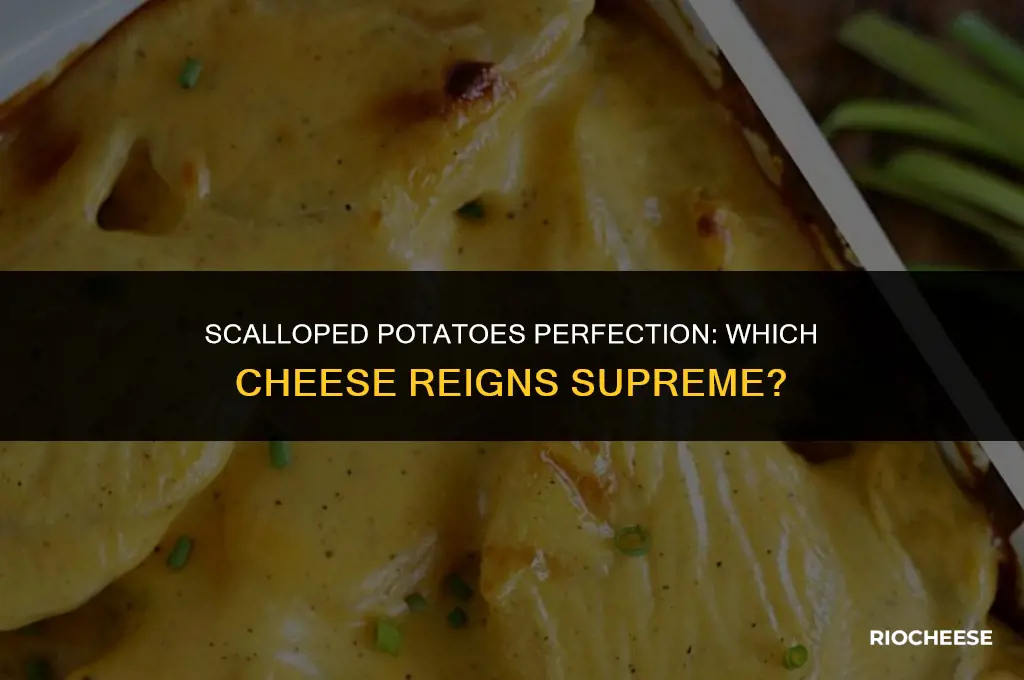
When it comes to crafting the perfect scalloped potatoes, the choice of cheese can make all the difference. This classic comfort dish, known for its creamy texture and golden-brown crust, relies heavily on the melting properties and flavor profile of the cheese used. The ideal cheese should not only melt smoothly but also complement the subtle sweetness of the potatoes and the richness of the cream sauce. Popular choices include cheddar for its sharp, tangy flavor, Gruyère for its nutty undertones, and mozzarella for its excellent melting qualities. However, there are many other cheeses that can elevate this dish, each bringing its unique characteristics to the table.
Explore related products


What You'll Learn
- Cheese Options: Consider cheddar, Gruyère, mozzarella, or a blend for optimal melting and flavor
- Melting Properties: Choose cheeses with good melting qualities to achieve a creamy, even texture
- Flavor Profile: Select cheeses that complement the rich, buttery taste of scalloped potatoes without overpowering them
- Grating vs. Slicing: Decide whether to grate or slice the cheese for even distribution and optimal melting
- Layering Technique: Learn the best method for layering cheese within the potato dish to ensure consistent flavor throughout

Cheese Options: Consider cheddar, Gruyère, mozzarella, or a blend for optimal melting and flavor
When selecting cheese for scalloped potatoes, the goal is to achieve a balance of rich flavor and smooth, even melting. Cheddar cheese is a classic choice, offering a sharp, tangy taste that complements the creamy potato layers. Its melting properties are reliable, creating a consistent texture throughout the dish. For a more nuanced flavor profile, Gruyère cheese is an excellent alternative. Its slightly nutty and caramelized notes add depth to the scalloped potatoes, while its smooth melting ensures a velvety finish. Mozzarella, known for its exceptional melting qualities, can also be used, particularly if you prefer a milder flavor that won't overpower the potatoes. To optimize both melting and flavor, consider blending different cheeses. A combination of cheddar and Gruyère, for instance, can provide a harmonious mix of sharpness and nuttiness, while adding a touch of mozzarella can enhance the overall melt. When experimenting with cheese blends, aim for a ratio that balances the distinct characteristics of each cheese, ensuring that no single flavor dominates the dish.
Exploring the Cheesy Delights of Quesadillas: A Flavorful Journey
You may want to see also
Explore related products


Melting Properties: Choose cheeses with good melting qualities to achieve a creamy, even texture
When selecting cheese for scalloped potatoes, it's crucial to consider the melting properties to ensure a creamy and even texture. Cheeses with good melting qualities will blend smoothly into the sauce and create a rich, velvety consistency that complements the tender potatoes. Look for cheeses that have a high moisture content and a low melting point, as these characteristics will contribute to a more uniform and desirable texture in the final dish.
Some excellent cheese options for scalloped potatoes include Gruyère, Cheddar, and Mozzarella. Gruyère is a Swiss cheese known for its exceptional melting properties and nutty flavor, which pairs well with the earthy taste of potatoes. Cheddar, a popular choice in many recipes, offers a sharp, tangy taste and melts beautifully, creating a creamy sauce. Mozzarella, often used in Italian cuisine, has a mild flavor and excellent melting qualities, resulting in a smooth and stretchy texture that can enhance the overall mouthfeel of the dish.
When using multiple cheeses, it's essential to consider their melting points and how they will work together. Combining cheeses with complementary melting properties can help achieve the desired texture and flavor profile. For example, pairing a cheese with a high melting point, like Parmesan, with a cheese that has a lower melting point, like Mozzarella, can create a balanced and creamy sauce that holds its shape well.
In addition to selecting the right cheeses, it's also important to consider the cooking method and temperature when preparing scalloped potatoes. To achieve the best melting results, it's recommended to preheat the oven to the appropriate temperature and bake the dish until the cheese is fully melted and bubbly. This will ensure that the cheese reaches its optimal melting point and creates a smooth, even texture throughout the dish.
By carefully selecting cheeses with good melting qualities and considering the cooking method, you can create a delicious and satisfying scalloped potato dish that boasts a creamy, even texture and a rich, complex flavor profile.
Elevate Your Fish Tacos: The Perfect Cheese Pairing Guide
You may want to see also
Explore related products


Flavor Profile: Select cheeses that complement the rich, buttery taste of scalloped potatoes without overpowering them
When crafting the perfect scalloped potatoes, the choice of cheese is crucial to enhancing the dish's rich, buttery flavor without overwhelming it. A delicate balance must be struck to ensure the cheese complements rather than competes with the potatoes. For this reason, it's essential to select cheeses with a mild to medium flavor profile that can harmonize with the creamy texture of the scalloped potatoes.
One excellent option is Gruyère, a Swiss cheese known for its smooth, slightly nutty flavor that melts beautifully. Its subtle taste won't overpower the potatoes, while its excellent melting properties will contribute to a luscious, creamy consistency. Another suitable choice is Fontina, an Italian cheese with a mild, buttery flavor that pairs exceptionally well with the richness of scalloped potatoes. Its semi-soft texture also makes it ideal for melting, ensuring a smooth and even distribution throughout the dish.
For those seeking a slightly tangier option, Gouda is a Dutch cheese that offers a mild, slightly sweet flavor with a hint of acidity. This tanginess can help cut through the richness of the potatoes, providing a refreshing contrast that elevates the overall taste. When selecting Gouda, opt for a younger variety, as aged Gouda can be too strong and overpowering for this dish.
It's important to note that the quantity of cheese used is also critical. Too much cheese can lead to a greasy, heavy dish, while too little may result in a lack of flavor and creaminess. A general guideline is to use about 1 cup of shredded cheese per 4-6 servings of scalloped potatoes. This amount will provide enough flavor and texture without overwhelming the dish.
In conclusion, when choosing cheese for scalloped potatoes, it's essential to select options with a mild to medium flavor profile that can complement the rich, buttery taste without overpowering it. Gruyère, Fontina, and young Gouda are all excellent choices that offer a balance of flavor and melting properties, ensuring a delicious and harmonious dish.
Exploring the Rich Diversity of Cheese Varieties Around the World
You may want to see also
Explore related products


Grating vs. Slicing: Decide whether to grate or slice the cheese for even distribution and optimal melting
The age-old debate of grating versus slicing cheese for scalloped potatoes is a crucial one, as it significantly impacts the final texture and flavor of the dish. Grating cheese results in a finer, more even distribution throughout the layers of potatoes, allowing for a more uniform melting process. This method is particularly effective for cheeses with a higher moisture content, such as cheddar or Gruyère, which can create a rich, creamy sauce when melted. On the other hand, slicing cheese yields a more rustic, artisanal appearance and can provide pockets of intense flavor as the cheese melts. This approach is better suited for drier, firmer cheeses like Parmesan or aged Gouda, which hold their shape better when heated.
When deciding between grating and slicing, consider the desired texture and presentation of the scalloped potatoes. If a smooth, consistent sauce is the goal, grating is the way to go. However, if you prefer a more textured, visually appealing dish with bursts of flavor, slicing may be the better choice. Additionally, the size of the cheese pieces plays a role in the melting process. Smaller, grated pieces melt more quickly and evenly, while larger, sliced pieces take longer to melt and may not distribute as uniformly throughout the dish.
In terms of practical tips, when grating cheese, use a box grater or a food processor with a grating attachment to achieve a consistent texture. For slicing, use a sharp knife and aim for even, thin slices. Regardless of the method chosen, it's essential to use high-quality cheese for the best results. Experimenting with different types of cheese and preparation methods can lead to exciting flavor combinations and textures in your scalloped potatoes.
Exploring the Cheesy Delights Inside Tortellini: A Culinary Journey
You may want to see also
Explore related products




Layering Technique: Learn the best method for layering cheese within the potato dish to ensure consistent flavor throughout
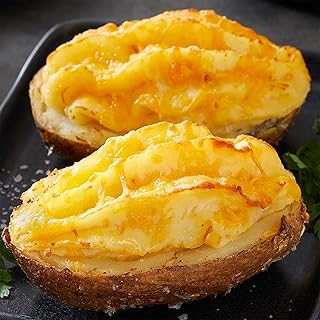
To achieve consistent flavor throughout your scalloped potatoes, it's crucial to master the art of cheese layering. This technique involves strategically placing cheese within the potato layers to ensure even melting and flavor distribution. Start by selecting a cheese that melts well, such as cheddar, Gruyère, or a blend of both. Grate the cheese finely to increase its surface area, which will help it melt more evenly and quickly.
When assembling the dish, begin by placing a layer of potatoes at the bottom of the baking dish. Sprinkle a generous amount of grated cheese over the potatoes, making sure to cover the entire surface. Repeat this process, alternating between layers of potatoes and cheese, until you've used up all your ingredients. For optimal flavor, consider adding a pinch of salt and pepper between each cheese layer to enhance the taste.
To prevent the cheese from burning during baking, it's essential to cover the dish with foil for the first half of the cooking time. This will allow the cheese to melt gently without browning too quickly. Remove the foil for the remaining baking time to allow the cheese to develop a golden-brown crust on top.
Another technique to ensure consistent flavor is to mix a small amount of cheese with the cream or milk used in the dish. This will help distribute the cheese flavor throughout the entire mixture, creating a more uniform taste. Additionally, consider using a mandoline to slice the potatoes evenly, which will help them cook at the same rate and create a more cohesive dish.
By following these layering techniques, you'll be able to create a scalloped potato dish with consistent, rich flavor in every bite. Remember to experiment with different cheese combinations and seasonings to find your perfect match.
Exploring the Rich Flavor Profile of Dubliner Cheese
You may want to see also
Frequently asked questions
The best type of cheese for scalloped potatoes is often a matter of personal preference, but popular choices include cheddar, Gruyère, and mozzarella due to their excellent melting properties and rich flavors.
Yes, using a cheese blend can add complexity and depth to the flavor of your scalloped potatoes. A blend of cheddar, Parmesan, and mozzarella is a common and delicious choice.
Grating the cheese is generally preferred for scalloped potatoes as it allows for more even melting and better distribution of flavor throughout the dish.
The amount of cheese to use can vary depending on the recipe and your taste preferences, but a general guideline is about 1 to 1.5 cups of grated cheese for a standard 9x13 inch dish of scalloped potatoes.
Yes, you can make scalloped potatoes without cheese. While cheese adds richness and flavor, you can create a dairy-free version using alternatives like nutritional yeast or a cashew-based cream sauce.