Randy Chandler
When it comes to crafting the perfect garlic bread, the choice of cheese can make all the difference. The ideal cheese should not only melt beautifully but also complement the robust flavor of garlic. Popular options include mozzarella, which melts smoothly and adds a creamy texture, and Parmesan, which offers a sharp, salty contrast to the pungent garlic. Other cheeses like cheddar, Gruyère, or even a blend of cheeses can also elevate your garlic bread game. The key is to select a cheese that balances well with the garlic's intensity while enhancing the overall taste experience.
Explore related products




What You'll Learn
- Mozzarella: Melts beautifully, creating a gooey texture that complements the crispy bread and pungent garlic
- Parmesan: Offers a sharp, salty flavor that enhances the garlic's taste and adds a nice crust when broiled
- Provolone: Provides a mild, creamy taste and smooth texture, balancing the strong garlic flavor
- Cheddar: Adds a rich, tangy taste and a slightly firmer texture, making for a satisfying bite
- Gruyère: Known for its nutty flavor and excellent melting properties, it creates a luxurious, velvety topping

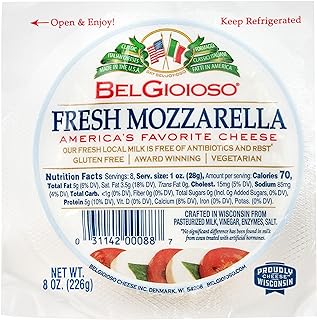
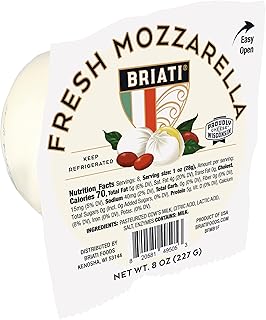
Mozzarella: Melts beautifully, creating a gooey texture that complements the crispy bread and pungent garlic
Mozzarella cheese is renowned for its exceptional melting properties, making it a top choice for garlic bread enthusiasts. When heated, mozzarella transforms into a luscious, gooey texture that perfectly complements the crispy, golden-brown crust of garlic bread. This delightful contrast in textures enhances the overall eating experience, creating a harmonious balance between the crunchy exterior and the soft, melted interior.
One of the key reasons mozzarella excels on garlic bread is its mild, slightly sweet flavor profile. This subtle taste allows the pungent, aromatic qualities of garlic to shine through without being overpowered by the cheese. Additionally, mozzarella's high moisture content contributes to its superior melting qualities, ensuring that it spreads evenly across the bread and creates a consistent, velvety layer.
To achieve the best results with mozzarella on garlic bread, it's essential to use the right type of mozzarella. Opt for low-moisture, whole-milk mozzarella for optimal melting and flavor. Simply slice the mozzarella thinly and distribute it evenly across the garlic-infused bread before baking. The heat from the oven will cause the mozzarella to melt beautifully, creating that coveted gooey texture that pairs so well with the crispy bread and pungent garlic.
In conclusion, mozzarella cheese is a fantastic choice for garlic bread due to its excellent melting properties, mild flavor, and ability to complement the other ingredients without overpowering them. By using the right type of mozzarella and following a few simple preparation tips, you can create a delicious, restaurant-quality garlic bread that's sure to impress.
Exploring the Rich Flavor Profile of Dubliner Cheese
You may want to see also
Explore related products



Parmesan: Offers a sharp, salty flavor that enhances the garlic's taste and adds a nice crust when broiled
Parmesan cheese is a popular choice for garlic bread due to its distinct sharp and salty flavor profile. This hard, aged cheese is known for its ability to enhance the taste of garlic, creating a harmonious blend of flavors that is both savory and slightly pungent. When broiled, Parmesan adds a delightful crust to the bread, giving it a satisfying crunch that contrasts beautifully with the soft, chewy interior.
One of the key benefits of using Parmesan on garlic bread is its melting properties. Unlike some other cheeses that can become rubbery or lose their flavor when heated, Parmesan retains its sharpness and saltiness, even when broiled at high temperatures. This makes it an ideal choice for achieving that perfect golden-brown, crispy top layer that is characteristic of well-made garlic bread.
In terms of preparation, it's important to grate the Parmesan finely to ensure even distribution and melting. A microplane grater or a fine box grater works well for this purpose. The cheese can be mixed directly with the garlic butter spread or sprinkled on top just before broiling, depending on personal preference. For an extra burst of flavor, some cooks like to add a pinch of red pepper flakes or dried herbs, such as oregano or thyme, to the Parmesan topping.
When it comes to the broiling process, timing is crucial. The bread should be watched closely to prevent burning, as Parmesan can go from perfectly melted to overly browned in a matter of seconds. The ideal broiling time will depend on the specific oven and the thickness of the bread slices, but generally, 1-2 minutes should suffice to achieve that desirable crispy crust.
In conclusion, Parmesan cheese offers a unique combination of sharp, salty flavor and excellent melting properties that make it an outstanding choice for garlic bread. By following a few simple preparation tips and keeping a close eye on the broiling process, home cooks can create delicious, restaurant-quality garlic bread that is sure to impress.
Exploring the Perfect Cheese for Your Tamales: A Flavorful Journey
You may want to see also
Explore related products


Provolone: Provides a mild, creamy taste and smooth texture, balancing the strong garlic flavor
Provolone cheese is an excellent choice for garlic bread due to its mild, creamy taste and smooth texture, which perfectly complements the strong garlic flavor. This Italian cheese is known for its versatility and ability to melt well, making it a popular option for various dishes, including garlic bread. When used on garlic bread, Provolone adds a subtle richness without overpowering the garlic, creating a harmonious balance of flavors.
One of the key benefits of using Provolone on garlic bread is its melting properties. Provolone melts smoothly and evenly, creating a gooey, stretchy texture that is highly desirable in garlic bread. This characteristic allows the cheese to blend seamlessly with the garlic butter, enhancing the overall taste and mouthfeel of the dish. Additionally, Provolone's mild flavor profile makes it an ideal choice for those who prefer a less intense cheese taste, ensuring that the garlic flavor remains the star of the show.
In terms of preparation, Provolone can be easily grated or sliced and then sprinkled over the garlic bread before baking. It is important to note that Provolone should be added towards the end of the baking process to prevent it from burning or becoming too crispy. This will ensure that the cheese melts properly and retains its creamy texture. For an extra burst of flavor, some people also like to mix a bit of grated Parmesan cheese with the Provolone, as the salty, nutty taste of Parmesan can further enhance the garlic flavor.
When selecting Provolone cheese for garlic bread, it is recommended to choose a high-quality, full-fat variety to achieve the best results. Low-fat or reduced-fat Provolone may not melt as well and could result in a less satisfying texture. Additionally, opting for a fresh, artisanal Provolone can make a significant difference in the overall taste of the dish, as these cheeses often have a more pronounced flavor and better melting properties than mass-produced alternatives.
In conclusion, Provolone cheese is a fantastic option for garlic bread, offering a mild, creamy taste and smooth texture that perfectly balances the strong garlic flavor. Its excellent melting properties, versatility, and ability to complement the garlic without overpowering it make it a go-to choice for many garlic bread enthusiasts. By following these tips and selecting a high-quality Provolone, you can create a delicious and satisfying garlic bread that is sure to impress.
Digestive Harmony: Cheeses That Won't Cause Constipation
You may want to see also
Explore related products


Cheddar: Adds a rich, tangy taste and a slightly firmer texture, making for a satisfying bite
Cheddar cheese is a popular choice for garlic bread due to its distinct characteristics that enhance the overall flavor and texture of the dish. Its rich, tangy taste complements the savory notes of garlic, creating a harmonious blend of flavors that tantalize the taste buds. The slightly firmer texture of cheddar also contributes to a more satisfying bite, providing a pleasant contrast to the soft, buttery bread.
When using cheddar for garlic bread, it's essential to consider the sharpness of the cheese, as it can vary from mild to extra sharp. A medium to sharp cheddar is ideal, as it will provide a robust flavor without overpowering the garlic. Additionally, cheddar melts well, which is crucial for achieving that desirable gooey texture on top of the bread.
To make the perfect cheddar garlic bread, start by preheating your oven to 350°F (175°C). Slice a baguette into 1-inch thick pieces and place them on a baking sheet. In a small bowl, mix together softened butter, minced garlic, and chopped fresh parsley. Spread this mixture evenly on each slice of bread. Next, sprinkle shredded cheddar cheese over the garlic butter, ensuring that it's evenly distributed. Bake the bread for 10-12 minutes, or until the cheese is melted and bubbly.
One of the benefits of using cheddar for garlic bread is its versatility. You can experiment with different types of cheddar, such as white cheddar or smoked cheddar, to create unique flavor profiles. Additionally, cheddar pairs well with other ingredients, so feel free to add some sliced jalapeños or diced tomatoes for extra flavor and texture.
In conclusion, cheddar cheese is an excellent choice for garlic bread, offering a rich, tangy taste and a slightly firmer texture that elevates the dish. By following these simple steps and considering the sharpness and type of cheddar, you can create a delicious and satisfying garlic bread that will impress your family and friends.
Exploring the Perfect Cheese for Birria Tacos: A Flavorful Journey
You may want to see also
Explore related products




Gruyère: Known for its nutty flavor and excellent melting properties, it creates a luxurious, velvety topping
Gruyère cheese, with its rich, nutty flavor and superior melting qualities, stands out as an exceptional choice for elevating garlic bread to new heights. This Swiss cheese, hailing from the Fribourg region, boasts a smooth, creamy texture that becomes luxuriously velvety when melted. Its distinct taste profile, characterized by hints of hazelnut and a slightly sweet undertone, complements the pungent, aromatic notes of garlic perfectly.
One of the key advantages of using Gruyère for garlic bread is its excellent melting properties. Unlike some cheeses that become rubbery or separate when heated, Gruyère maintains its smooth, cohesive texture, creating a uniform, decadent topping. This makes it ideal for achieving that coveted, gooey consistency that many people associate with the perfect garlic bread.
To make the most of Gruyère's melting prowess, it's essential to use it in combination with other complementary ingredients. A classic approach is to mix grated Gruyère with softened butter, minced garlic, and a pinch of salt, then spread the mixture evenly over slices of crusty bread before baking. The high fat content in Gruyère helps it melt smoothly and evenly, while the butter adds an extra layer of richness and helps the cheese adhere to the bread.
For those looking to experiment with different flavor combinations, Gruyère can be paired with a variety of herbs and spices to create unique and delicious variations of garlic bread. Try adding a sprinkle of dried thyme or rosemary for an earthy, aromatic twist, or incorporate some red pepper flakes for a hint of heat. The versatility of Gruyère makes it an excellent canvas for culinary creativity.
In conclusion, Gruyère cheese is a superior choice for garlic bread enthusiasts seeking a luxurious, velvety topping with a rich, nutty flavor. Its excellent melting properties and compatibility with a wide range of ingredients make it a go-to option for both classic and innovative garlic bread recipes.
Exploring Eden Cheese: A Comprehensive Guide to Its Unique Qualities
You may want to see also
Frequently asked questions
Mozzarella is the most common choice for garlic bread due to its excellent melting properties and mild flavor that complements the garlic without overpowering it.
Absolutely! A blend of cheeses, such as mozzarella, parmesan, and cheddar, can add a rich and complex flavor to your garlic bread.
The amount of cheese can vary based on personal preference, but a general rule of thumb is to use about 1/2 to 1 cup of shredded cheese per loaf of bread.
Shredded cheese is preferred for garlic bread as it melts more evenly and quickly than grated cheese, ensuring a gooey and delicious topping.