Randy Chandler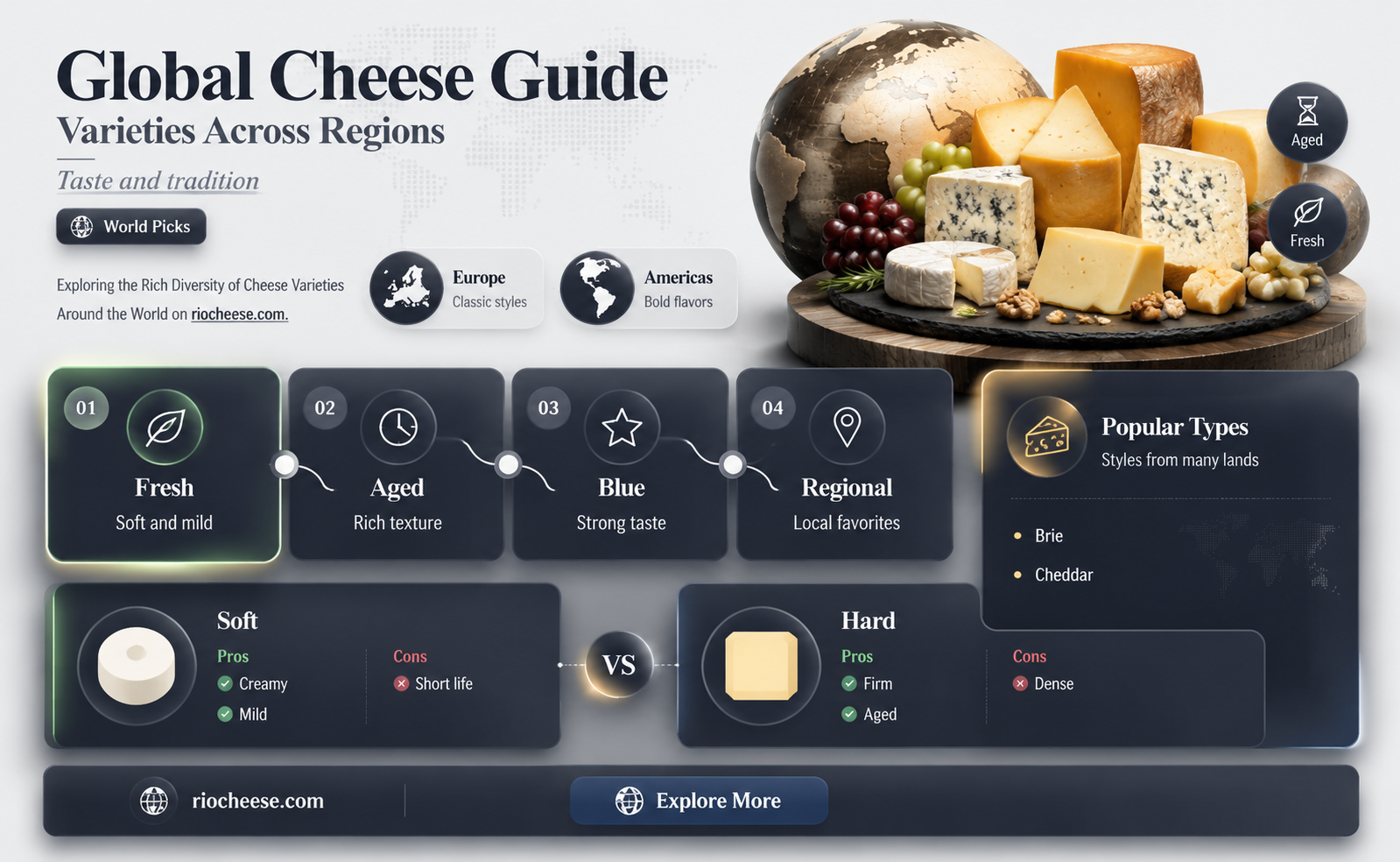
Cheese, a beloved dairy product, comes in an astonishing variety of types, each with its own unique characteristics, flavors, and textures. The diversity of cheeses can be attributed to factors such as the type of milk used, the aging process, and the specific bacteria or molds introduced during production. From soft and creamy Brie to hard and aged Cheddar, and from blue-veined Gorgonzola to fresh and tangy Feta, the world of cheese is a rich tapestry of culinary delights. Exploring the different kinds of cheeses can be a fascinating journey for food enthusiasts, as each variety offers a distinct taste experience that can enhance a wide range of dishes and occasions.
Explore related products



What You'll Learn
- Major Cheese Categories: Overview of primary types like soft, hard, semi-hard, and blue cheeses
- Popular Cheese Varieties: List of well-known cheeses such as Cheddar, Brie, Gouda, and Parmesan
- Cheese Production Methods: Explanation of how different cheeses are made, including aging and fermentation processes
- Cheese Pairing Suggestions: Tips on pairing cheeses with foods like fruits, nuts, and wines
- Nutritional Information: Breakdown of the health benefits and nutritional content of various cheeses

Major Cheese Categories: Overview of primary types like soft, hard, semi-hard, and blue cheeses
Cheeses can be broadly categorized into several major types based on their texture and aging process. The primary categories include soft, hard, semi-hard, and blue cheeses. Each category has distinct characteristics that set it apart from the others.
Soft cheeses, such as Brie and Camembert, are known for their creamy texture and mild flavor. They are typically aged for a short period, which contributes to their soft consistency. These cheeses are often spread on bread or crackers and are a popular choice for cheese platters.
Hard cheeses, like Cheddar and Parmesan, have a firm texture and a more intense flavor profile. They are aged for a longer period, which allows them to develop a more robust taste and a firmer consistency. Hard cheeses are versatile and can be used in a variety of dishes, from salads to pasta sauces.
Semi-hard cheeses, such as Gouda and Edam, fall somewhere in between soft and hard cheeses in terms of texture and flavor. They have a slightly firmer consistency than soft cheeses but are not as hard as hard cheeses. Semi-hard cheeses are often used in sandwiches and can also be enjoyed on their own.
Blue cheeses, like Roquefort and Gorgonzola, are characterized by their distinctive blue veins, which are created by the introduction of a specific type of mold during the aging process. These cheeses have a strong, pungent flavor and a creamy texture. Blue cheeses are often used in salads, dressings, and as a garnish for various dishes.
Each major cheese category offers a unique taste and texture experience, making them suitable for different culinary applications. Understanding the differences between these categories can help cheese enthusiasts make informed choices when selecting cheeses for their meals or cheese boards.
Exploring the Spicy World of Pepper Jack Cheese
You may want to see also
Explore related products


Popular Cheese Varieties: List of well-known cheeses such as Cheddar, Brie, Gouda, and Parmesan
Cheddar, Brie, Gouda, and Parmesan are just a few examples of the hundreds of cheese varieties available worldwide. These popular cheeses are known for their distinct flavors, textures, and uses in culinary applications. Cheddar, a hard cheese originating from England, is prized for its sharp, tangy taste and is commonly used in sandwiches, salads, and as a melting cheese for dishes like macaroni and cheese. Brie, a soft French cheese, is celebrated for its creamy texture and mild, buttery flavor, making it a favorite for cheese boards and as a spread for crackers or bread.
Gouda, a Dutch cheese, comes in various aging stages, ranging from mild and creamy to sharp and crumbly. It is often used in grilled cheese sandwiches, soups, and as a topping for burgers. Parmesan, an Italian hard cheese, is renowned for its nutty, salty flavor and is typically grated over pasta dishes, salads, and soups. These cheeses represent just a small fraction of the diverse world of cheese, which includes varieties from different regions, each with its own unique characteristics and culinary uses.
When exploring the many kinds of cheeses, it's essential to consider factors such as milk type (cow, sheep, goat, or buffalo), aging process, and region of origin. Each of these factors contributes to the cheese's flavor profile, texture, and suitability for various dishes. For instance, goat cheeses tend to have a tangy, slightly sweet flavor and are often used in salads or as a spread, while sheep cheeses can range from mild and creamy to sharp and salty, depending on the aging process.
In addition to the popular varieties mentioned above, there are many lesser-known cheeses that are equally delicious and versatile. For example, Manchego, a Spanish sheep cheese, is known for its buttery, slightly sweet flavor and firm texture, making it an excellent choice for snacking or adding to cheese boards. Similarly, Humboldt Fog, an American goat cheese, is prized for its creamy texture and tangy, slightly sweet flavor, often used in salads or as a spread.
When selecting cheeses for a dish or a cheese board, it's helpful to consider the flavor profiles and textures of the cheeses to ensure a balanced and harmonious combination. Mixing and matching different types of cheeses can create a delightful culinary experience, allowing you to explore the diverse world of cheese and discover new favorites.
Exploring Eden Cheese: A Comprehensive Guide to Its Unique Qualities
You may want to see also
Explore related products


Cheese Production Methods: Explanation of how different cheeses are made, including aging and fermentation processes
Cheese production is an intricate process that involves several key steps, each contributing to the unique characteristics of different cheese varieties. The process begins with the selection of milk, which can come from various sources such as cows, goats, sheep, or even buffalo. The milk is then pasteurized to eliminate harmful bacteria and ensure safety for consumption.
Following pasteurization, the milk is coagulated using rennet, an enzyme that causes the milk proteins to curdle and form a solid mass. This curd is then cut into smaller pieces and stirred to release whey, the liquid component of the milk. The curds are subsequently drained and pressed to remove excess whey and form a more compact structure.
The next stage in cheese production is salting, which can be done by rubbing salt on the surface of the curds or by soaking them in a saltwater brine. Salting helps to preserve the cheese and enhance its flavor. After salting, the cheese is aged, a process that can range from a few weeks to several years, depending on the desired outcome. During aging, the cheese undergoes fermentation, where beneficial bacteria convert lactose into lactic acid, contributing to the development of the cheese's distinctive taste and texture.
Different cheeses are made using variations of these basic steps. For example, soft cheeses like Brie and Camembert are aged for a shorter period, resulting in a creamy texture and mild flavor. In contrast, hard cheeses like Cheddar and Parmesan are aged for a longer time, leading to a firmer texture and more pronounced flavor. Blue cheeses, such as Roquefort and Gorgonzola, are inoculated with a specific mold that creates the characteristic blue veins and pungent taste.
The aging process can also involve different environmental conditions, such as temperature and humidity, which further influence the final product. Some cheeses are aged in caves or underground cellars, while others are aged in temperature-controlled rooms. The choice of aging environment can significantly impact the flavor and texture of the cheese.
In conclusion, cheese production methods are diverse and complex, with each step playing a crucial role in determining the final characteristics of the cheese. From the selection of milk to the aging process, the careful control of these factors allows for the creation of a wide variety of cheeses, each with its own unique taste and texture.
The Perfect Cheese for Shepherd's Pie: A Culinary Guide
You may want to see also
Explore related products




Cheese Pairing Suggestions: Tips on pairing cheeses with foods like fruits, nuts, and wines
Pairing cheese with complementary foods and drinks is an art that enhances the flavors and textures of both the cheese and its accompaniments. When considering cheese pairing suggestions, it's essential to think about the intensity and flavor profile of the cheese in relation to the other elements on the plate or in the glass. For instance, a strong, pungent cheese like blue cheese pairs well with sweet fruits such as figs or pears, which can balance its sharpness. Similarly, nuts with a robust flavor, like walnuts or almonds, can complement the richness of aged cheeses.
Wine is another classic pairing for cheese, and the general rule is to match the intensity of the wine with that of the cheese. A full-bodied red wine, such as Cabernet Sauvignon, pairs excellently with bold, aged cheeses like Cheddar or Gouda. On the other hand, a light and crisp white wine, like Sauvignon Blanc, is a perfect match for softer, milder cheeses such as Brie or Camembert. When pairing cheese with wine, it's also important to consider the acidity and tannins in the wine, as these can either enhance or clash with the flavors in the cheese.
In addition to fruits, nuts, and wines, other foods can also be paired with cheese to create delightful combinations. For example, honey can add a touch of sweetness that complements the savory notes in cheeses like Roquefort or Gorgonzola. Similarly, cured meats such as prosciutto or salami can provide a salty, umami contrast to the creaminess of cheeses like Mozzarella or Fontina. When creating a cheese board, it's helpful to arrange the cheeses in order of increasing intensity, allowing guests to sample a range of flavors and textures.
One practical tip for cheese pairing is to experiment with different combinations and find what works best for your palate. Don't be afraid to try unconventional pairings, as some of the most delicious combinations can come from unexpected matches. Additionally, when serving cheese, it's important to bring it to room temperature to fully appreciate its flavors and textures. By following these cheese pairing suggestions and tips, you can elevate your culinary experience and discover new and exciting flavor combinations.
Exploring the Rich Flavor Profile of Dubliner Cheese
You may want to see also
Explore related products


Nutritional Information: Breakdown of the health benefits and nutritional content of various cheeses
Cheese is a dairy product that comes in many varieties, each with its own unique nutritional profile. Understanding the nutritional content of different cheeses can help individuals make informed dietary choices. For example, some cheeses are high in protein and calcium, while others are rich in vitamins and minerals.
One of the key nutrients found in cheese is calcium, which is essential for strong bones and teeth. Cheeses like Parmesan and Swiss are particularly high in calcium, making them excellent choices for individuals looking to boost their calcium intake. Additionally, cheese is a good source of protein, which is important for muscle growth and repair. Hard cheeses like cheddar and feta tend to have higher protein content than softer cheeses like brie or camembert.
Cheese also contains vitamins and minerals such as vitamin A, vitamin B12, and phosphorus. Vitamin A is important for healthy vision and immune function, while vitamin B12 is essential for nerve function and the production of red blood cells. Phosphorus is a mineral that plays a crucial role in bone health and energy production.
However, it's important to note that cheese can also be high in saturated fat and sodium, which should be consumed in moderation. Some cheeses, like blue cheese and processed cheese spreads, can be particularly high in sodium. Individuals watching their sodium intake should opt for lower-sodium cheeses like mozzarella or provolone.
In conclusion, while cheese can be a nutritious addition to a balanced diet, it's important to choose varieties that align with individual dietary needs and preferences. By understanding the nutritional content of different cheeses, individuals can make informed choices that support their overall health and well-being.
Exploring Burrata: The Creamy Italian Cheese You'll Love
You may want to see also
Frequently asked questions
There are over 1,800 distinct types of cheese produced worldwide, with new varieties being developed regularly.
Cheeses can be broadly categorized into several types based on their production methods and characteristics, including soft cheeses, semi-soft cheeses, hard cheeses, blue cheeses, and processed cheeses.
France is renowned for its cheese production and is said to have the most varieties, with over 400 different types of cheese.
The flavor and texture of cheese are influenced by factors such as the type of milk used, the bacterial cultures added during fermentation, the aging process, and the specific production techniques employed.
Cheese can be a good source of protein, calcium, and other nutrients. However, it is also high in fat and sodium, so it should be consumed in moderation as part of a balanced diet. Some studies suggest that certain types of cheese, like those high in probiotics, may offer health benefits such as improved gut health.


![Cheese Sampler is a pre-sliced platter of four different types of cheese for snacking, making burgers or entertaining guests. Indulge your palate with the White Muenster, New York Aged Cheddar, Gouda and Monterey Pepper Jack cheeses. [ 32 oz , 2 lb ]](https://m.media-amazon.com/images/I/61P0XeXIUyL._AC_UL320_.jpg)