Kamil Perry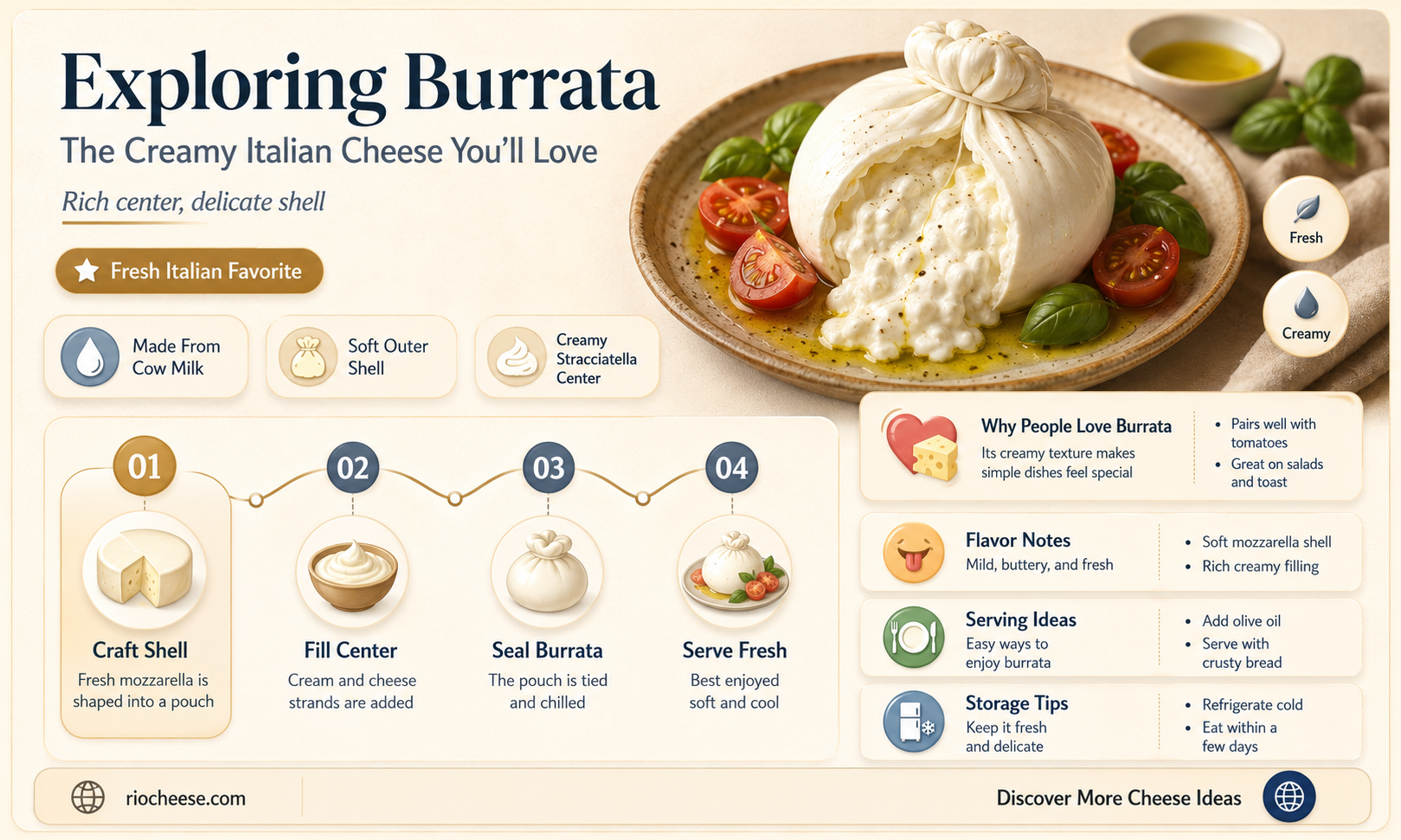
Burrata cheese is a type of fresh Italian cheese that is known for its creamy texture and mild flavor. It is made from cow's milk and is often filled with a mixture of cream and curds, giving it a soft and slightly crumbly interior. Burrata is typically served fresh and is a popular ingredient in Italian cuisine, often used in salads, sandwiches, and as a topping for pasta dishes. Its delicate flavor and smooth texture make it a versatile cheese that pairs well with a variety of other ingredients.
Explore related products


What You'll Learn
- Origin and History: Burrata cheese originates from Italy, specifically the Puglia region. It's a relatively new cheese, invented in the early 20th century
- Ingredients and Production: Made from cow's milk, cream, and salt. The milk is pasteurized, then mixed with cream and coagulated using rennet. The curd is stretched and filled with cream
- Texture and Flavor: Burrata has a soft, creamy texture with a slightly tangy and rich flavor. The outer rind is thin and edible, while the inside is filled with a creamy mixture
- Culinary Uses: Often used in salads, sandwiches, and as a topping for pizzas and pasta dishes. It pairs well with tomatoes, basil, and olive oil
- Nutritional Information: Burrata is high in fat and calories but also provides protein and calcium. It's not suitable for those who are lactose intolerant or on a low-fat diet

Origin and History: Burrata cheese originates from Italy, specifically the Puglia region. It's a relatively new cheese, invented in the early 20th century
Burrata cheese, a creamy and indulgent variety, has its roots firmly planted in the Puglia region of Italy. This cheese is a relatively recent addition to the world of Italian dairy, having been invented in the early 20th century. The name "burrata" itself is derived from the Italian word "burro," meaning butter, which aptly describes the cheese's rich, buttery flavor.
The creation of burrata is attributed to a cheese maker named Lorenzo Bianchino, who developed the recipe in the town of Andria in Puglia. The cheese quickly gained popularity in the region and has since become a staple in Italian cuisine. Burrata is made from cow's milk, which is first heated and then mixed with rennet to form curds. These curds are then stretched and filled with a mixture of cream and whey, giving the cheese its signature smooth and stretchy texture.
One of the unique aspects of burrata is its versatility in the kitchen. It can be served fresh, often drizzled with olive oil and sprinkled with salt, or it can be used as an ingredient in various dishes. Its mild flavor and creamy texture make it a popular choice for both savory and sweet recipes. In recent years, burrata has gained international recognition and is now enjoyed by cheese lovers around the world.
In conclusion, burrata cheese is a delightful Italian creation with a rich history and a promising future in the culinary world. Its unique flavor and texture have made it a favorite among chefs and food enthusiasts alike, and its versatility ensures that it will continue to be a beloved ingredient in many dishes to come.
Exploring the Cheesy Delights Inside Tortellini: A Culinary Journey
You may want to see also
Explore related products


Ingredients and Production: Made from cow's milk, cream, and salt. The milk is pasteurized, then mixed with cream and coagulated using rennet. The curd is stretched and filled with cream
Burrata cheese is a fresh Italian cheese made from cow's milk, cream, and salt. The production process begins with the pasteurization of the milk, which is then mixed with cream to increase its fat content. Rennet, an enzyme derived from the stomach lining of ruminant animals, is added to the mixture to coagulate the milk and form curds.
The curds are then stretched and kneaded to develop the cheese's characteristic texture. This process, known as "pasta filata," involves repeatedly stretching and folding the curd until it becomes smooth and pliable. The resulting cheese is then shaped into small balls or logs and filled with cream, which gives burrata its signature soft and creamy interior.
The cheese is typically aged for a short period, usually around 2-3 weeks, during which time it develops its mild and slightly tangy flavor. Burrata is often served fresh, but it can also be used in a variety of dishes, such as salads, sandwiches, and pasta sauces. Its creamy texture and mild flavor make it a versatile ingredient that can be paired with a wide range of other foods.
One of the key factors that sets burrata apart from other cheeses is its high moisture content, which is achieved by the addition of cream during the production process. This results in a cheese that is both soft and creamy, with a delicate balance of flavors. Burrata is also relatively low in fat compared to other cheeses, making it a popular choice for those looking for a lighter alternative.
In conclusion, burrata cheese is a unique and delicious Italian cheese that is made from cow's milk, cream, and salt. Its production process involves pasteurization, coagulation, stretching, and filling with cream, which results in a soft and creamy cheese with a mild flavor. Burrata is a versatile ingredient that can be used in a variety of dishes, and its high moisture content and relatively low fat content make it a popular choice among cheese lovers.
Elevate Your Quesabirria Tacos: A Cheese Lover's Guide
You may want to see also
Explore related products


Texture and Flavor: Burrata has a soft, creamy texture with a slightly tangy and rich flavor. The outer rind is thin and edible, while the inside is filled with a creamy mixture
Burrata cheese is renowned for its luxurious texture and flavor profile. The cheese boasts a soft, creamy texture that is both smooth and slightly elastic. When you cut into a fresh burrata, the interior reveals a rich, milky cream that oozes out, creating a decadent visual and sensory experience. This creamy mixture is a blend of mozzarella and cream, which gives burrata its distinctive richness and velvety mouthfeel.
The flavor of burrata is a perfect balance of tangy and rich notes. The tanginess comes from the natural acidity of the mozzarella, while the richness is derived from the added cream. This combination results in a mild, buttery taste that is both delicate and indulgent. The thin, edible rind that encases the cheese adds a subtle, slightly salty flavor that complements the creamy interior without overpowering it.
One of the unique characteristics of burrata is its versatility in culinary applications. Its soft texture and mild flavor make it an excellent choice for a variety of dishes, from simple appetizers to more complex main courses. Burrata can be served fresh, as part of a cheese platter, or it can be incorporated into salads, pasta dishes, and even desserts. When heated, burrata melts beautifully, creating a gooey, stretchy texture that is perfect for dishes like burrata-stuffed chicken or burrata pizza.
In terms of pairing, burrata cheese pairs well with a variety of foods and beverages. Its creamy texture and mild flavor make it an ideal match for fresh fruits, such as tomatoes and figs, as well as for nuts and olives. Burrata also pairs well with a range of wines, from crisp whites to full-bodied reds, and it can be enjoyed with both still and sparkling waters.
Overall, the texture and flavor of burrata cheese make it a beloved ingredient in many culinary traditions. Its soft, creamy texture and slightly tangy, rich flavor profile offer a unique and indulgent experience that is both versatile and delicious. Whether served fresh, melted, or incorporated into a variety of dishes, burrata cheese is a true delight for the senses.
Discovering the Unique Flavor of Red Babybel Cheese
You may want to see also
Explore related products


Culinary Uses: Often used in salads, sandwiches, and as a topping for pizzas and pasta dishes. It pairs well with tomatoes, basil, and olive oil
Burrata cheese, with its creamy texture and mild flavor, is a versatile ingredient in various culinary applications. It is particularly popular in salads, where its soft consistency complements the crispness of fresh vegetables. In Caprese salads, burrata is often paired with ripe tomatoes, fresh basil, and a drizzle of olive oil, creating a harmonious blend of flavors and textures.
In addition to salads, burrata is a delightful addition to sandwiches. Its creamy interior adds a rich, velvety layer to paninis and subs, elevating the overall taste experience. When melted, burrata can also serve as a luxurious topping for pizzas, providing a smooth, even layer of cheese that pairs beautifully with a variety of toppings.
Burrata's mild flavor and creamy texture make it an ideal cheese for pasta dishes as well. It can be tossed with cooked pasta, cherry tomatoes, and fresh herbs to create a simple yet satisfying meal. The cheese's ability to absorb flavors from its surroundings allows it to enhance the taste of sauces and seasonings without overpowering them.
When using burrata in culinary applications, it is essential to consider its delicate nature. The cheese should be handled gently to avoid breaking its soft exterior. It is also best served at room temperature to fully appreciate its creamy texture and subtle flavor. By incorporating burrata into your dishes, you can add a touch of elegance and sophistication to your culinary creations.
Exploring the Rich Diversity of French Cheeses: A Gourmet's Guide
You may want to see also
Explore related products

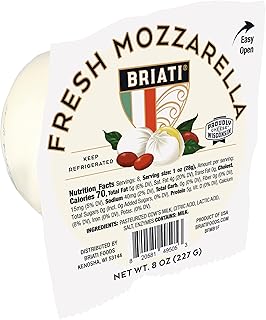


Nutritional Information: Burrata is high in fat and calories but also provides protein and calcium. It's not suitable for those who are lactose intolerant or on a low-fat diet
Burrata cheese, renowned for its creamy texture and rich flavor, is a dairy product that comes with specific nutritional considerations. It is high in fat and calories, which can be a concern for individuals monitoring their dietary intake. However, it also offers nutritional benefits such as protein and calcium, essential for muscle and bone health.
For those who are lactose intolerant, burrata is not a suitable choice. Lactose intolerance is a condition where individuals lack the enzyme lactase, necessary to digest lactose found in dairy products. Consuming burrata could lead to digestive discomfort, including bloating, gas, and diarrhea.
Individuals on a low-fat diet should also approach burrata with caution. The high-fat content, particularly saturated fat, can contribute to increased calorie intake and potentially impact cholesterol levels. However, for those not restricted by dietary limitations, burrata can be a flavorful addition to a balanced diet when consumed in moderation.
When considering the nutritional profile of burrata, it's essential to weigh both its benefits and drawbacks. While it provides valuable nutrients, its high-fat and calorie content make it a less suitable option for certain dietary needs. As with any food, moderation and awareness of one's dietary restrictions are key to enjoying burrata responsibly.
Delicious Pimento Cheese Sandwich: The Perfect Bread Pairing Guide
You may want to see also
Frequently asked questions
Burrata is a type of fresh Italian cheese made from mozzarella and cream. It has a soft, creamy texture and a mild, buttery flavor.
Burrata cheese is made by combining fresh mozzarella with cream, which is then stretched and shaped into small pouches. These pouches are filled with the creamy mixture and tied off, giving burrata its distinctive appearance.
Burrata cheese is often used in salads, sandwiches, and as a topping for pizzas and pasta dishes. It pairs well with fresh tomatoes, basil, and balsamic vinegar, and can also be served simply with olive oil and salt.
While burrata has a unique texture and flavor, it can be substituted for other soft, creamy cheeses in some recipes. For example, you could use burrata in place of ricotta or mascarpone in certain dishes, although the flavor and texture may be slightly different.