Frederic Melton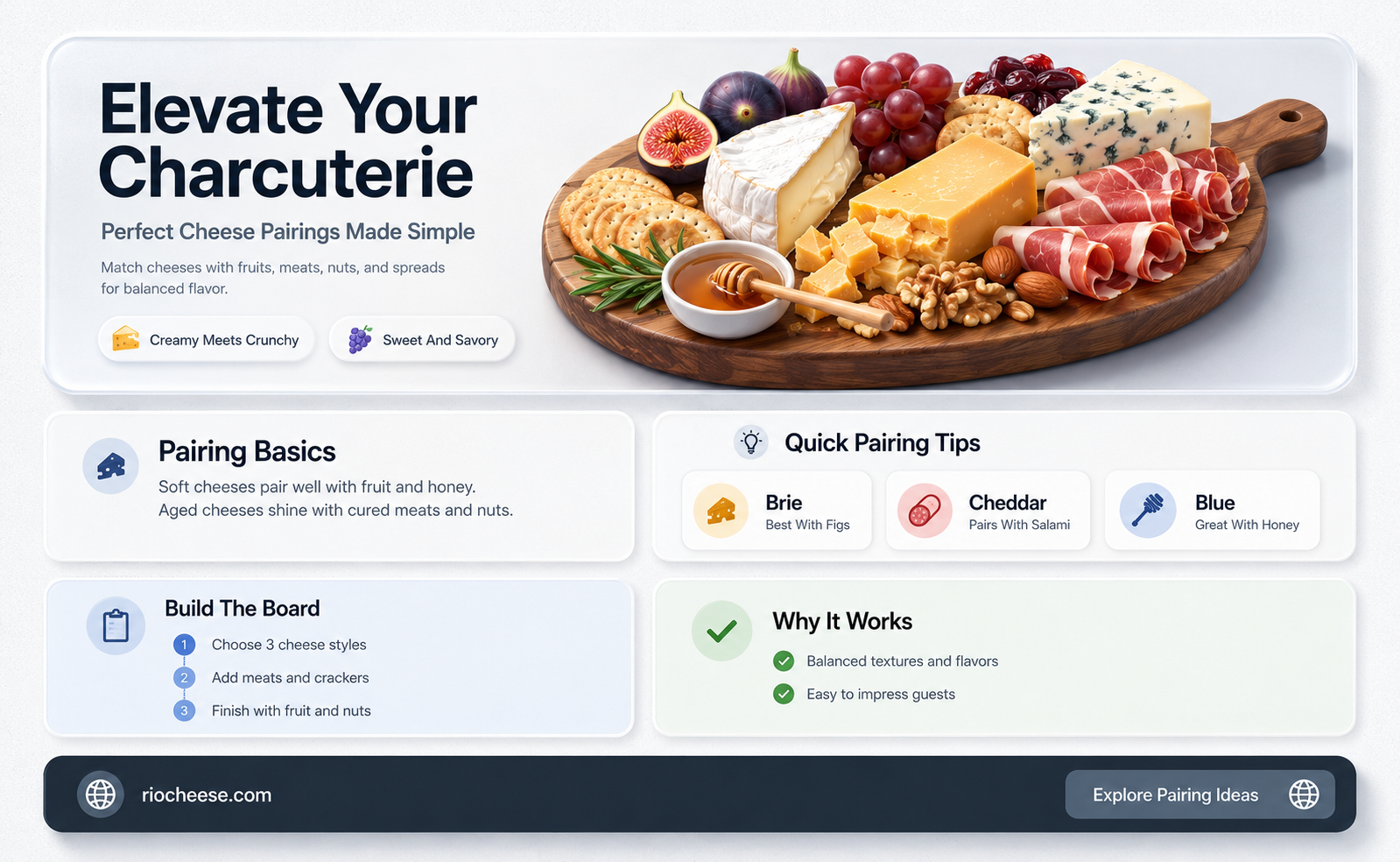
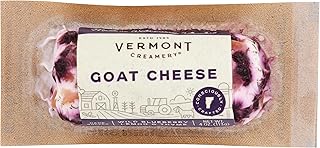
When assembling a charcuterie board, selecting the right cheeses is crucial to creating a harmonious balance of flavors and textures. A well-curated cheese selection can elevate the entire experience, complementing the cured meats, fruits, nuts, and crackers. Consider including a variety of cheeses with different flavor profiles and textures, such as a creamy brie, a sharp cheddar, a tangy goat cheese, and a salty feta. This diversity will cater to different palates and add visual interest to the board. Additionally, think about the origin and quality of the cheeses, as artisanal and locally-sourced options can provide unique flavors and support local producers. Ultimately, the key is to experiment and find combinations that please your taste buds and create a memorable charcuterie experience.
Explore related products


What You'll Learn
- Variety Selection: Mix soft, hard, blue, and aged cheeses for diverse flavors and textures
- Pairing with Meats: Choose cheeses that complement the meats on your board, such as brie with prosciutto
- Texture Contrast: Include creamy, crumbly, and gooey cheeses to add different mouthfeels to your board
- Flavor Balance: Combine mild, sharp, and tangy cheeses to create a balanced flavor profile
- Visual Appeal: Use cheeses of different colors and shapes to make your board visually appealing

Variety Selection: Mix soft, hard, blue, and aged cheeses for diverse flavors and textures
When assembling a charcuterie board, the key to impressing your guests lies in the artful selection and arrangement of cheeses. A well-curated variety not only showcases your knowledge of fromage but also caters to diverse palates, ensuring there's something for everyone. To achieve this, it's essential to mix soft, hard, blue, and aged cheeses, each bringing its unique flavor profile and texture to the table.
Soft cheeses, such as Brie or Camembert, offer a creamy, spreadable consistency that pairs beautifully with crusty bread or crackers. Their mild, buttery flavors serve as a gentle introduction to the cheese course, appealing to those who prefer a subtler taste. Hard cheeses, on the other hand, like Cheddar or Gouda, provide a firmer texture and a more pronounced flavor, ranging from sharp and tangy to nutty and sweet. These cheeses hold their shape well when sliced, making them ideal for creating visually appealing arrangements on the board.
Blue cheeses, such as Roquefort or Gorgonzola, introduce a bold, pungent element to the selection. Their distinctive veining and strong flavors are a result of the blue mold used in their production. While they may not appeal to everyone, blue cheeses add a touch of sophistication and complexity to the board, offering a conversation starter for cheese enthusiasts. Aged cheeses, like Parmesan or Manchego, have undergone a lengthy maturation process, resulting in a concentrated flavor and a crumbly, granular texture. These cheeses are perfect for grating over other items on the board or serving as a standalone snack, providing a savory, umami-rich experience.
To create a harmonious blend of flavors and textures, consider the following tips: Start by selecting one or two cheeses from each category, ensuring a balance between mild and strong flavors. Arrange the cheeses in a visually appealing manner, grouping similar types together or creating a gradient from soft to hard. Provide a variety of accompaniments, such as fruits, nuts, and cured meats, to complement the cheeses and enhance the overall tasting experience. Finally, don't forget to include a selection of crackers or bread to serve as a neutral base, allowing the flavors of the cheeses to shine through.
By carefully selecting and arranging a mix of soft, hard, blue, and aged cheeses, you can create a charcuterie board that not only looks stunning but also offers a delightful journey through the world of fromage. This thoughtful approach ensures that your guests will leave with a newfound appreciation for the diversity and complexity of cheese, making your gathering a memorable culinary experience.
Egg-cellent Addition: Elevating Baked Mac and Cheese with Eggs
You may want to see also
Explore related products



Pairing with Meats: Choose cheeses that complement the meats on your board, such as brie with prosciutto
When assembling a charcuterie board, the art of pairing cheeses with meats is crucial to creating a harmonious and delightful tasting experience. One classic combination is brie with prosciutto, where the creamy texture and mild flavor of the brie perfectly balance the salty, savory notes of the prosciutto. This pairing exemplifies the principle of complementary flavors, where the richness of the cheese enhances the umami qualities of the meat.
To elevate your charcuterie board, consider the following pairing strategies:
- Texture Contrast: Pair soft, creamy cheeses like brie or camembert with thinly sliced, delicate meats such as prosciutto or coppa. This contrast in textures creates a pleasing mouthfeel and highlights the distinct characteristics of each component.
- Flavor Balance: Match the intensity of the cheese with that of the meat. For example, a bold, aged cheddar pairs well with a robust salami, while a mild, fresh mozzarella complements a lighter, more delicate mortadella.
- Regional Pairings: Draw inspiration from traditional European pairings, such as combining a French brie with an Italian prosciutto or a Spanish manchego with a Spanish chorizo. These regional combinations often reflect centuries of culinary tradition and offer tried-and-true flavor harmonies.
- Sweet and Savory: Introduce a sweet element to your board by pairing a tangy, salty cheese like feta or goat cheese with a sweet, cured meat such as fig salami or prosciutto with honey. This unexpected combination can add a delightful twist to your charcuterie experience.
- Experimentation: Don't be afraid to try unconventional pairings. For instance, a smoky blue cheese can complement the richness of a foie gras terrine, or a fresh, herby cheese like chèvre can balance the spiciness of a pepperoni.
By considering these pairing strategies, you can create a charcuterie board that not only looks visually appealing but also offers a sophisticated and nuanced tasting experience. Remember, the key to successful pairing is to find a balance between the flavors and textures of the cheese and meat, allowing each component to shine while complementing the other.
The Great Debate: Cheese's Place in Chicken Salad Sandwiches
You may want to see also
Explore related products
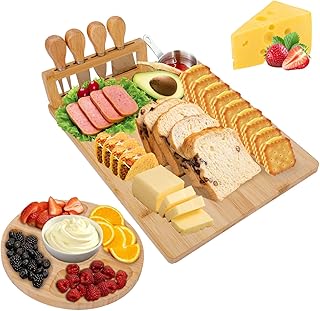


Texture Contrast: Include creamy, crumbly, and gooey cheeses to add different mouthfeels to your board
When assembling a charcuterie board, texture contrast is a crucial element that can elevate the overall tasting experience. Incorporating a variety of cheeses with different textures—creamy, crumbly, and gooey—can add depth and interest to your board. For instance, a creamy cheese like Brie or Camembert can provide a smooth, rich mouthfeel that pairs well with crisp crackers or fresh fruit. On the other hand, a crumbly cheese such as Feta or Gorgonzola can offer a satisfying crunch and a tangy flavor that complements meats and vegetables. Gooey cheeses, like Mozzarella or Fontina, can add a stretchy, melty quality that is perfect for dipping or draping over other items.
To create a balanced board, consider the following steps:
- Select a Creamy Cheese: Choose a cheese that is soft and spreadable. Brie, Camembert, or even a whipped goat cheese can serve as an excellent base. These cheeses are often the first to be consumed, as they are easy to spread and pair well with a variety of accompaniments.
- Add a Crumbly Cheese: Introduce a cheese with a firmer texture that can be crumbled or broken into smaller pieces. Feta, Gorgonzola, or Roquefort are good options. These cheeses add a contrasting texture and a burst of flavor that can cut through the richness of the creamy cheeses.
- Include a Gooey Cheese: Opt for a cheese that melts well and can be stretched or pulled. Mozzarella, Fontina, or a mild Cheddar are great choices. These cheeses can be used for dipping or as a topping for other items on the board, adding a comforting and indulgent element.
- Arrange Thoughtfully: Place the cheeses in a way that encourages guests to try different combinations. For example, you might position the creamy cheese next to the crumbly cheese, allowing guests to easily mix and match. Consider adding small bowls or dishes for the gooey cheese to be melted in, or provide small spoons for scooping.
- Pair with Complementary Items: Enhance the texture contrast by pairing the cheeses with items that complement their textures. For instance, pair the creamy cheese with crunchy crackers or fresh fruit, the crumbly cheese with cured meats or olives, and the gooey cheese with breadsticks or vegetables for dipping.
By thoughtfully incorporating a variety of textures, you can create a charcuterie board that is not only visually appealing but also offers a delightful sensory experience. The combination of creamy, crumbly, and gooey cheeses will ensure that there is something for everyone to enjoy, making your board a hit at any gathering.
Crafting the Perfect Meat and Cheese Platter: A Gourmet Guide
You may want to see also
Explore related products


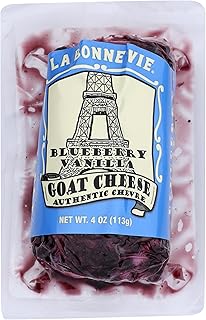


Flavor Balance: Combine mild, sharp, and tangy cheeses to create a balanced flavor profile
To achieve a harmonious flavor balance on your charcuterie board, it's essential to combine cheeses with varying intensity levels. Start by selecting a mild cheese, such as Brie or Camembert, which will provide a creamy and subtle base. Next, introduce a sharp cheese like Cheddar or Gruyère to add a bold and pungent contrast. Finally, incorporate a tangy cheese, such as goat cheese or feta, to brighten the palette with its zesty notes.
When arranging the cheeses, consider the order in which they will be tasted. Begin with the mildest cheese and progress to the sharpest, finishing with the tangiest. This sequence allows the palate to gradually build up to the more intense flavors, creating a balanced and enjoyable experience. Additionally, provide crackers or bread with varying textures to complement the different cheese consistencies and enhance the overall tasting experience.
Experimenting with different cheese combinations can lead to exciting flavor discoveries. For instance, pairing a mild blue cheese like Gorgonzola with a sharp aged Cheddar and a tangy goat cheese can create a complex and satisfying flavor profile. Remember to consider the other elements on your charcuterie board, such as cured meats, fruits, and nuts, when selecting your cheese trio to ensure a well-rounded and cohesive presentation.
To elevate your cheese selection, consider the aging process and origin of each cheese. Cheeses from different regions often have distinct flavor profiles due to variations in milk quality, climate, and production methods. For example, a mild cheese from France may have a different taste than a mild cheese from Italy. By exploring cheeses from various regions and with different aging processes, you can create a diverse and intriguing flavor balance on your charcuterie board.
In conclusion, achieving flavor balance on your charcuterie board requires careful consideration of cheese intensity, arrangement, and complementary elements. By combining mild, sharp, and tangy cheeses and arranging them thoughtfully, you can create a delightful and harmonious tasting experience that will impress your guests and elevate your entertaining game.
Ricotta's Role in Lasagna: A Cheesy Debate Uncovered
You may want to see also
Explore related products


Visual Appeal: Use cheeses of different colors and shapes to make your board visually appealing
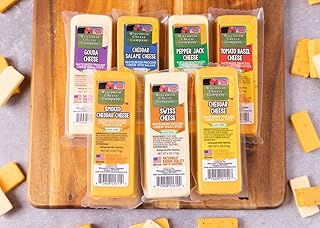
Creating a visually appealing charcuterie board is an art form that goes beyond merely selecting tasty cheeses. It's about crafting an aesthetic experience that tantalizes the eyes before the palate. To achieve this, you should focus on the diversity of colors and shapes of the cheeses you choose. For instance, a bright orange cheddar can provide a striking contrast to the creamy white of a brie or the deep purple rind of a blue cheese. Similarly, incorporating cheeses with different shapes, such as the round wheels of Swiss or the triangular wedges of Gouda, can add geometric interest to your board.
When arranging your cheeses, consider the rule of thirds, a principle often used in photography and visual arts. Place your most visually striking cheeses at the intersections of an imaginary grid that divides your board into thirds both horizontally and vertically. This will create a balanced and pleasing composition. Additionally, you can use garnishes like fresh herbs, edible flowers, or a drizzle of honey to enhance the visual appeal and add pops of color.
Another tip is to vary the height and texture of the items on your board. You can achieve this by placing some cheeses on small pedestals or using different types of crackers and bread that have varying thicknesses and textures. This not only adds visual depth but also provides a more engaging eating experience.
Remember, the goal is to create a board that is as delightful to look at as it is to eat. By carefully selecting and arranging cheeses of different colors and shapes, you can transform your charcuterie board into a masterpiece that will impress your guests and elevate any gathering.
Delightful Pairings: Crafting the Perfect Meat and Cheese Tray
You may want to see also
Frequently asked questions
Popular cheese options for a charcuterie board include Brie, Cheddar, Gouda, Blue Cheese, and Goat Cheese. These cheeses offer a variety of flavors and textures that pair well with meats, fruits, and crackers.
It's recommended to include 3-5 types of cheese on your charcuterie board. This allows for a diverse selection without overwhelming your guests. Choose cheeses with different flavors and textures to create an interesting and balanced board.
When arranging cheese on a charcuterie board, consider the following tips:
- Place cheeses at room temperature for about 30 minutes before serving to enhance their flavors.
- Cut cheeses into bite-sized pieces or wedges for easy serving.
- Arrange cheeses in a visually appealing manner, alternating between different shapes, sizes, and colors.
- Pair cheeses with complementary meats, fruits, and crackers to create a harmonious flavor profile.
Some classic cheese and meat pairings for a charcuterie board include:
- Brie with prosciutto
- Cheddar with salami
- Gouda with ham
- Blue Cheese with bacon
- Goat Cheese with chorizo
These pairings offer a balance of flavors and textures that complement each other well.
Yes, soft cheeses like Brie, Camembert, and Goat Cheese can be a delicious addition to your charcuterie board. They offer a creamy texture and rich flavor that pairs well with meats, fruits, and crackers. Just be sure to serve them at room temperature for the best flavor and texture.