Randy Chandler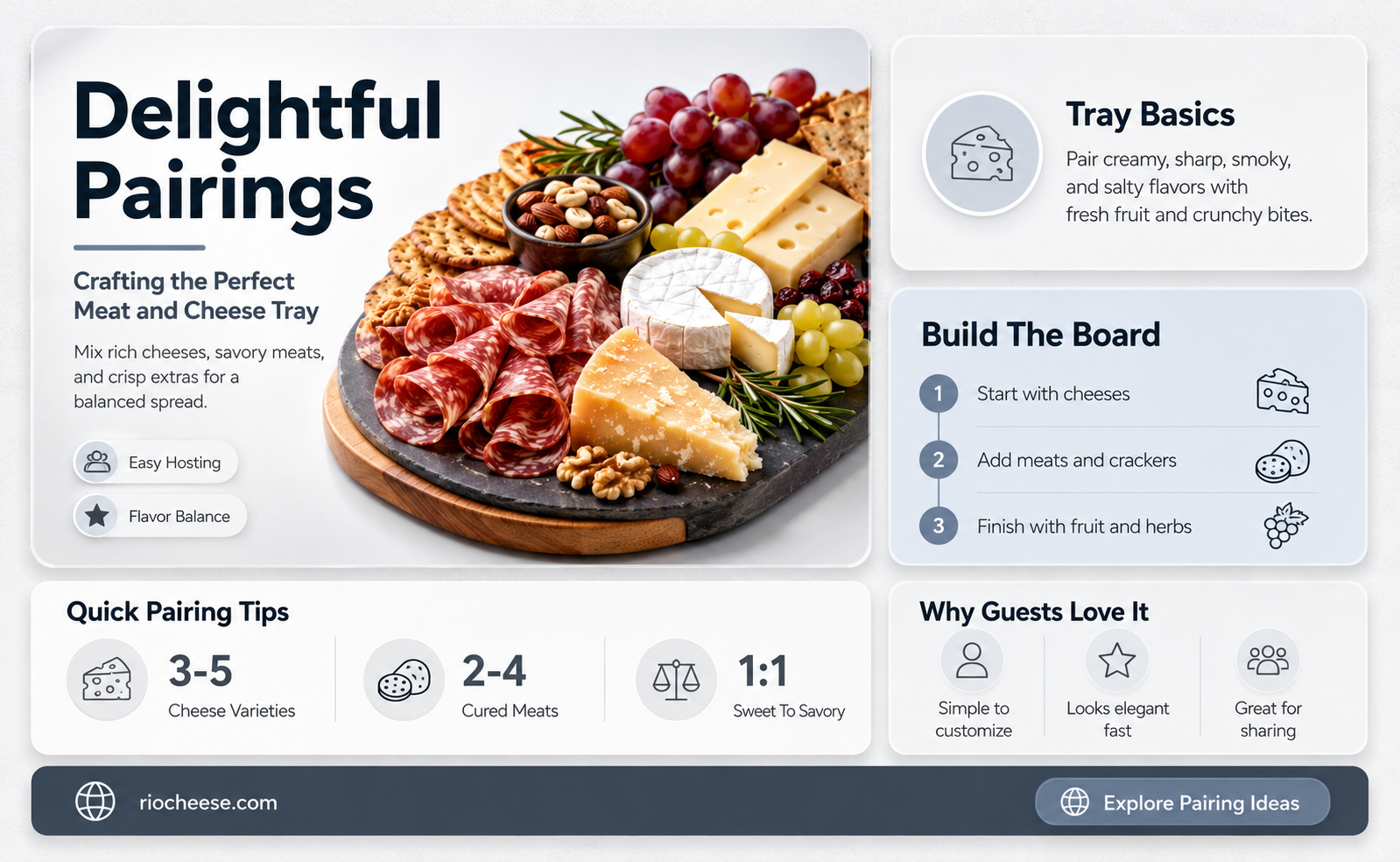
When assembling a meat and cheese tray, it's essential to consider a balance of flavors, textures, and visual appeal. Start by selecting a variety of cheeses with different consistencies and tastes, such as a sharp cheddar, a creamy brie, and a tangy goat cheese. Complement these with an assortment of cured meats like prosciutto, salami, and perhaps some smoked sausage. To enhance the flavor profile, include accompaniments such as crackers, breadsticks, or toasted baguette slices. Fresh fruits like grapes, apples, or figs add a sweet contrast, while nuts, olives, and pickles provide additional texture and zest. For a finishing touch, consider adding a small bowl of honey or a fruit preserve to drizzle over the cheeses, and arrange everything artfully on a platter or wooden board for an inviting presentation.
Explore related products


What You'll Learn
- Variety of Meats: Include a mix of cured meats like salami, prosciutto, and ham for diverse flavors
- Cheese Selection: Offer a range of cheeses from soft (brie) to hard (cheddar) to blue (gorgonzola) for different tastes
- Accompaniments: Add olives, pickles, and crackers to complement the meats and cheeses on the tray
- Garnishes: Use fresh fruits like grapes and figs, and nuts such as almonds and walnuts for added texture and flavor
- Presentation: Arrange the items attractively on a wooden board or platter, ensuring easy access and visual appeal

Variety of Meats: Include a mix of cured meats like salami, prosciutto, and ham for diverse flavors
When assembling a meat and cheese tray, the variety of meats you choose can significantly impact the overall flavor profile and guest satisfaction. A well-curated selection of cured meats, such as salami, prosciutto, and ham, offers a diverse range of flavors and textures that cater to different palates. Salami, with its bold and spicy notes, pairs well with robust cheeses like cheddar or gouda. Prosciutto, on the other hand, has a delicate, sweet flavor that complements milder cheeses such as mozzarella or brie. Ham, with its savory and slightly salty taste, can be paired with a variety of cheeses, from Swiss to blue cheese.
To ensure a balanced and appealing tray, consider the following tips:
- Start with a Base: Begin by selecting a few staple meats that will serve as the foundation of your tray. Salami, prosciutto, and ham are excellent choices due to their versatility and popularity.
- Add Variety: Once you have your base meats, add a few more unique options to create interest and cater to different tastes. You might include meats like mortadella, soppressata, or even smoked salmon for a touch of luxury.
- Consider Texture: In addition to flavor, think about the texture of the meats you're selecting. A mix of thinly sliced, thickly cut, and perhaps even some pâtés or terrines can add a pleasing variety to the tray.
- Pair with Cheeses: When choosing meats, keep in mind the cheeses you'll be serving alongside them. Aim for a balance of flavors and textures, and don't be afraid to experiment with unexpected pairings.
By following these guidelines, you can create a meat and cheese tray that offers a delightful array of flavors and textures, ensuring that there's something for everyone to enjoy. Remember, the key is to strike a balance between variety and harmony, so that each meat complements the others and the overall tray is greater than the sum of its parts.
The Surprising Harmony: Why Cheese and Apple Pie Just Click
You may want to see also
Explore related products




Cheese Selection: Offer a range of cheeses from soft (brie) to hard (cheddar) to blue (gorgonzola) for different tastes
When assembling a meat and cheese tray, the cheese selection is crucial as it can make or break the overall experience. Offering a range of cheeses from soft to hard to blue ensures that there is something for every palate. Start with a soft cheese like brie, which has a creamy texture and a mild, buttery flavor that pairs well with a variety of meats and crackers. Next, include a hard cheese such as cheddar, which comes in various sharpness levels and provides a nice contrast to the softer cheeses. Finally, add a blue cheese like gorgonzola, which has a strong, pungent flavor and a crumbly texture that can add depth to the tray.
When selecting cheeses, it's important to consider the flavor profiles and textures of each type. Soft cheeses like brie and camembert are rich and creamy, while hard cheeses like cheddar and parmesan are more robust and can stand up to stronger meats. Blue cheeses like gorgonzola and stilton have a bold, tangy flavor that can cut through the richness of the other cheeses and meats. By offering a variety of cheeses, you can create a well-rounded tray that caters to different tastes and preferences.
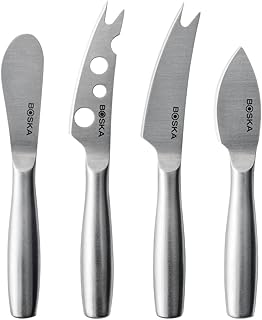
In addition to the types of cheeses, it's also important to consider the presentation. Arrange the cheeses in an attractive manner, using different shapes and sizes to create visual interest. You can also add garnishes like fresh herbs, nuts, or dried fruits to enhance the flavors and add color to the tray. When serving, make sure to provide a cheese knife or spreader for each type of cheese to prevent the flavors from mixing.
Another factor to consider is the pairing of cheeses with meats. Soft cheeses like brie pair well with cured meats like prosciutto and salami, while hard cheeses like cheddar can stand up to stronger meats like pepperoni and sausage. Blue cheeses like gorgonzola can add a nice contrast to milder meats like turkey or chicken. By carefully selecting and pairing the cheeses and meats, you can create a harmonious and delicious tray that will impress your guests.
Finally, don't forget to consider the dietary restrictions and preferences of your guests. Some people may be lactose intolerant or have allergies to certain types of cheese, so it's important to provide alternatives like vegan or gluten-free options. By being mindful of these considerations, you can create a cheese tray that is both delicious and inclusive.
Fajita Fusion: The Great Cheese Debate Uncovered
You may want to see also
Explore related products



Accompaniments: Add olives, pickles, and crackers to complement the meats and cheeses on the tray
Olives, pickles, and crackers are classic accompaniments that elevate a meat and cheese tray from ordinary to extraordinary. These items not only add a variety of textures and flavors but also serve as palate cleansers between different types of meats and cheeses. When selecting olives, consider a mix of green and black varieties to offer a range of tastes, from the briny and slightly bitter flavor of green olives to the rich, fruity notes of black olives. For pickles, dill or bread and butter varieties work well, providing a tangy contrast to the savory meats and creamy cheeses. Crackers come in many forms, but for a meat and cheese tray, opt for sturdy, flavorful options like whole grain, rosemary, or even a spicy variety to add a kick.
To arrange these accompaniments effectively, consider the visual appeal as well as the practicality. Place the olives in a small bowl to contain their juice and prevent it from soaking into the crackers. The pickles can be sliced into rounds or spears and arranged neatly beside the olives. Crackers should be placed in a separate section or in a cracker bowl to keep them crisp. If you're feeling creative, you can also make your own flavored crackers or infuse your olives with herbs and spices to add a personalized touch to your tray.
When it comes to pairing, think about the flavor profiles of your meats and cheeses and how the accompaniments can enhance them. For example, a spicy salami pairs well with the cool, creamy texture of a mild cheese and the tangy bite of a pickle. A rich, aged cheddar might be complemented by the briny flavor of olives and the hearty crunch of whole grain crackers. Experiment with different combinations to find what works best for your taste preferences and the occasion.
Remember, the key to a successful meat and cheese tray is balance. You want a harmonious blend of flavors, textures, and colors that will appeal to a variety of palates. By carefully selecting and arranging your accompaniments, you can create a tray that is not only visually stunning but also a delight to the senses. So, the next time you're putting together a meat and cheese tray, don't forget to add olives, pickles, and crackers to take it to the next level.
Elevate Your Chopped Cheese Game: Toppings That Transform
You may want to see also
Explore related products





Garnishes: Use fresh fruits like grapes and figs, and nuts such as almonds and walnuts for added texture and flavor
Fresh fruits and nuts are not only visually appealing additions to a meat and cheese tray but also offer a delightful contrast in texture and flavor. Grapes, with their juicy sweetness, can cleanse the palate between bites of rich cheese and savory meats. Figs, on the other hand, bring a unique sweetness and a slightly chewy texture that pairs wonderfully with the smoothness of cheeses like brie or camembert.
Almonds and walnuts are excellent choices for nuts, providing a satisfying crunch that complements the softer textures of meats and cheeses. They also add a nutty flavor that can enhance the overall taste experience. When selecting nuts, it's important to consider the flavor profiles of the cheeses and meats on the tray to ensure a harmonious combination.
To elevate your garnish game, consider arranging the fruits and nuts in an aesthetically pleasing manner. For example, you could create a pattern with the grapes or slice the figs into quarters to showcase their inner flesh. You could also lightly toast the nuts to bring out their flavor and add a touch of warmth to the tray.
Remember, the key to a successful meat and cheese tray is balance. By incorporating fresh fruits and nuts, you're not only adding visual interest but also creating a well-rounded flavor profile that will impress your guests. Experiment with different combinations to find the perfect pairing for your next gathering.
Cheesy Toppings: The Great Shepherd's Pie Debate
You may want to see also
Explore related products


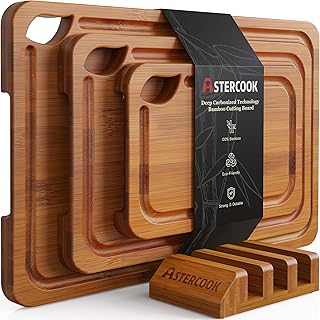


Presentation: Arrange the items attractively on a wooden board or platter, ensuring easy access and visual appeal
Begin by selecting a wooden board or platter that complements the rustic, natural aesthetic of your meat and cheese selection. A board with a rich, dark wood grain can provide a striking contrast to the lighter hues of cheeses and cured meats, while a lighter, more neutral wood can allow the colors of the food to take center stage. Ensure the board is clean and dry before arranging your items.
Arrange the meats and cheeses in a way that creates visual interest and balance. Start by placing the largest items, such as wheels of cheese or larger cuts of meat, towards the center or one side of the board. This will create a focal point and give you a foundation to build upon. Then, add smaller items like sliced meats, cheese wedges, and accompaniments in a way that fills in gaps and creates a sense of abundance.
Consider the color and texture of each item when arranging them. Place items with contrasting colors and textures next to each other to create visual appeal. For example, a soft, creamy cheese can be placed next to a thinly sliced, cured meat with a deep red color. This will not only make the board more visually appealing but also provide a variety of flavors and textures for your guests to enjoy.
Ensure easy access by placing frequently used items, such as crackers or bread, towards the front or sides of the board. This will allow guests to easily reach for these items without disturbing the rest of the arrangement. Additionally, consider adding small bowls or dishes for items like olives, nuts, or spreads to keep them contained and prevent them from rolling off the board.
Finally, garnish the board with fresh herbs, such as rosemary or thyme, to add a pop of color and a fragrant aroma. This will not only enhance the visual appeal of the board but also provide a fresh, herbal note that can complement the rich flavors of the meats and cheeses. Remember to keep the arrangement simple yet elegant, allowing the natural beauty of the food to shine through.
The Great Debate: Cheese on Pulled Pork Sandwiches - Yes or No?
You may want to see also
Frequently asked questions
A variety of cured meats such as salami, prosciutto, ham, and sometimes smoked meats like pastrami or mortadella are commonly included on a meat and cheese tray.
Popular cheese choices include cheddar, brie, gouda, blue cheese, mozzarella, and sometimes softer cheeses like camembert or goat cheese.
Yes, common accompaniments include crackers, breadsticks, olives, pickles, grapes, and sometimes nuts or dried fruits.
For an appealing presentation, arrange the meats and cheeses in separate sections, perhaps in a circular or rectangular pattern. Place accompaniments like crackers and olives in small bowls or scatter them around the tray. Garnish with fresh herbs or edible flowers for a touch of color and elegance.