Bushra Griffith
When it comes to pairing cheese with Chardonnay, the key is to find a balance between the wine's rich, buttery flavors and the cheese's texture and taste. A good starting point is to consider the style of Chardonnay: oaked or unoaked. Oaked Chardonnays, with their vanilla and caramel notes, pair beautifully with aged, nutty cheeses like Parmesan or aged Gouda. These cheeses can stand up to the wine's complexity and add a savory depth to the pairing. On the other hand, unoaked Chardonnays, which are crisper and more citrusy, are better suited to fresher, milder cheeses such as Brie or Camembert. The creamy texture of these cheeses complements the wine's acidity, creating a harmonious and refreshing combination. For a more adventurous pairing, you could also try a tangy goat cheese or a bold blue cheese, which can add an exciting contrast to the wine's flavors.
Explore related products


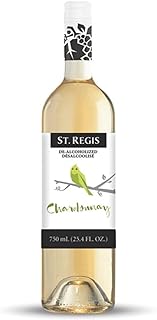


What You'll Learn
- Chardonnay Characteristics: Understanding the wine's flavor profile, including notes of green apple, pear, and vanilla
- Soft Cheeses: Pairing creamy cheeses like Brie, Camembert, or goat cheese to complement Chardonnay's acidity
- Hard Cheeses: Selecting aged hard cheeses such as Parmesan or Gouda to balance the wine's richness
- Blue Cheeses: Exploring pungent blue cheeses like Roquefort or Gorgonzola for a bold contrast with Chardonnay
- Cheese Platter Ideas: Creating a diverse cheese board with a mix of textures and flavors to enhance the Chardonnay experience

Chardonnay Characteristics: Understanding the wine's flavor profile, including notes of green apple, pear, and vanilla
Chardonnay, a versatile white wine, boasts a flavor profile that can range from crisp and refreshing to rich and oaky. Understanding its characteristics is key to pairing it with the right cheese. The wine often exhibits notes of green apple and pear, which lend it a bright acidity. These fruit flavors are complemented by hints of vanilla, especially in Chardonnays that have been aged in oak barrels. The vanilla note adds a layer of sweetness and complexity, making the wine a delightful companion to a variety of cheeses.
When selecting a cheese to pair with Chardonnay, it's essential to consider the wine's specific flavor notes. For a Chardonnay with prominent green apple and pear flavors, a cheese with a mild to moderate flavor profile would be ideal. This allows the fruit notes in the wine to shine without being overshadowed by the cheese. A good example would be a semi-soft cheese like Brie or Camembert, which have a creamy texture and a subtle, earthy flavor that complements the wine's acidity.
On the other hand, if the Chardonnay has a more pronounced vanilla note, a cheese with a bit more character can create a harmonious pairing. A medium-bodied cheese like Gouda or Cheddar would work well in this case. These cheeses have enough flavor to stand up to the wine's sweetness without overpowering it. The nutty and slightly sharp notes in these cheeses can also enhance the vanilla flavors in the wine, creating a balanced and satisfying taste experience.
It's also important to consider the texture of both the wine and the cheese when making a pairing. Chardonnay's smooth and sometimes buttery texture pairs well with cheeses that have a similar mouthfeel. Soft cheeses like goat cheese or blue cheese can provide a pleasant contrast to the wine's richness, while still complementing its flavor profile. The key is to find a cheese that neither overwhelms nor underwhelms the wine, but rather enhances its unique characteristics.
In conclusion, pairing Chardonnay with cheese is all about balance and harmony. By understanding the wine's flavor profile and selecting a cheese that complements its specific notes, you can create a pairing that elevates both the wine and the cheese. Whether you're enjoying a crisp Chardonnay with green apple notes or a rich one with vanilla undertones, there's a cheese out there that will make the perfect match.
Exploring the Fiery Frontier: Ghost Pepper Cheese Heat Level Revealed
You may want to see also
Explore related products


Soft Cheeses: Pairing creamy cheeses like Brie, Camembert, or goat cheese to complement Chardonnay's acidity
Soft cheeses, such as Brie, Camembert, and goat cheese, are excellent choices to pair with Chardonnay due to their creamy textures and mild flavors that can balance the wine's acidity. When selecting a soft cheese to complement Chardonnay, it's essential to consider the specific characteristics of each cheese and how they will interact with the wine.
Brie, for example, has a rich, buttery flavor that can enhance the fruit notes in Chardonnay, while Camembert offers a slightly earthier taste that can complement the wine's oakiness. Goat cheese, on the other hand, has a tangy flavor that can cut through the richness of Chardonnay, making it an excellent choice for those who prefer a lighter pairing.
To create a successful pairing, it's important to consider the temperature of both the cheese and the wine. Soft cheeses are best served at room temperature, while Chardonnay is typically chilled. Serving the cheese slightly warmer than the wine can help to bring out its flavors and create a harmonious balance between the two.
When presenting soft cheeses with Chardonnay, it's helpful to provide a variety of accompaniments that can enhance the flavors of both the cheese and the wine. Consider offering crackers, bread, or fruit to provide a range of textures and flavors that can complement the pairing. Additionally, providing a small selection of nuts or olives can add a savory element that can further enhance the experience.
In conclusion, soft cheeses like Brie, Camembert, and goat cheese are versatile and delicious options for pairing with Chardonnay. By considering the specific characteristics of each cheese and how they interact with the wine, as well as the temperature and accompaniments, you can create a memorable and enjoyable pairing that will delight your guests.
Unraveling the Mystery: What Are String Cheese Incident Fans Called?
You may want to see also
Explore related products


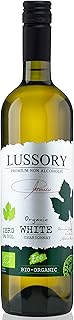


Hard Cheeses: Selecting aged hard cheeses such as Parmesan or Gouda to balance the wine's richness
Aged hard cheeses like Parmesan and Gouda are excellent choices to complement the rich, buttery flavors of Chardonnay. These cheeses have undergone a lengthy aging process, which concentrates their flavors and creates a firm, crumbly texture that contrasts beautifully with the smooth, creamy mouthfeel of the wine. When selecting a hard cheese to pair with Chardonnay, it's essential to consider the age of the cheese, as this will significantly impact its flavor profile and intensity.
For a Chardonnay with notes of tropical fruit and vanilla, a younger Gouda (around 6-12 months old) can be an ideal match. This cheese will have a milder flavor that won't overpower the wine, while its smooth texture will enhance the creamy mouthfeel of the Chardonnay. On the other hand, if your Chardonnay has more pronounced oak flavors and a richer body, an older Parmesan (24 months or older) can provide a delightful contrast. The intense, nutty flavors of the Parmesan will stand up to the wine's richness, while its crumbly texture will help to cleanse the palate between sips.
When serving hard cheeses with Chardonnay, it's important to consider the temperature of both the cheese and the wine. Hard cheeses are best served at room temperature, as this allows their flavors to fully develop. Chardonnay, on the other hand, is typically served chilled, but not ice-cold. Aim for a serving temperature of around 50-55°F (10-13°C) for the wine, which will help to balance its flavors and complement the cheese.
In terms of portion sizes, a general rule of thumb is to serve about 1-2 ounces of hard cheese per person, depending on the intensity of the cheese and the size of the gathering. This will allow guests to enjoy the cheese without overwhelming their palates, and will also leave room for other cheese and wine pairings throughout the event.
Finally, when presenting hard cheeses with Chardonnay, consider adding some accompaniments that will enhance the flavors of both the cheese and the wine. Fresh fruit, such as apples or pears, can provide a sweet contrast to the savory cheese, while nuts like almonds or walnuts can add a crunchy texture and complementary flavors. Crackers or bread can also be served to help cleanse the palate between bites of cheese and sips of wine.
Discovering the Best Places to Buy Pag Cheese in the USA
You may want to see also
Explore related products


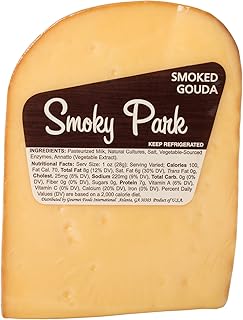


Blue Cheeses: Exploring pungent blue cheeses like Roquefort or Gorgonzola for a bold contrast with Chardonnay
Blue cheeses, such as Roquefort and Gorgonzola, offer a bold and pungent flavor profile that can create a striking contrast when paired with Chardonnay. This combination is not for the faint of heart, as the strong, earthy notes of the blue cheese can overpower the delicate fruit flavors of the wine. However, when balanced correctly, this pairing can be a revelation for the palate.
To explore this pairing, start by selecting a high-quality blue cheese that is well-aged and has a robust flavor. Roquefort, a French blue cheese made from sheep's milk, is known for its sharp, tangy taste and creamy texture. Gorgonzola, an Italian blue cheese made from cow's milk, offers a slightly milder flavor with a more crumbly texture. Both cheeses can work well with Chardonnay, but it's essential to consider the specific characteristics of each.
When pairing blue cheese with Chardonnay, it's crucial to balance the flavors carefully. A Chardonnay with a higher acidity can help cut through the richness of the cheese, while a wine with a lower acidity may be overwhelmed by the pungent flavors. Additionally, a Chardonnay with a higher oak content can complement the earthy notes of the blue cheese, while a unoaked Chardonnay may provide a cleaner, crisper contrast.
To create a harmonious pairing, consider the following tips:
- Start with a small portion of blue cheese and gradually increase the amount to find the optimal balance with the Chardonnay.
- Experiment with different types of blue cheese to find the one that best complements the specific Chardonnay you are serving.
- Consider the temperature of the cheese and wine, as a slightly warmer cheese can release more of its pungent flavors, while a cooler wine can provide a refreshing contrast.
- Don't be afraid to mix and match different types of blue cheese and Chardonnay to find the perfect pairing for your taste preferences.
In conclusion, exploring the pairing of blue cheeses with Chardonnay can be a rewarding experience for those who enjoy bold and contrasting flavors. By carefully balancing the characteristics of the cheese and wine, you can create a unique and memorable tasting experience that will delight your palate and challenge your perceptions of flavor pairing.
From Whey to Wow: Your Guide to Opening a Cheese Shop
You may want to see also
Explore related products


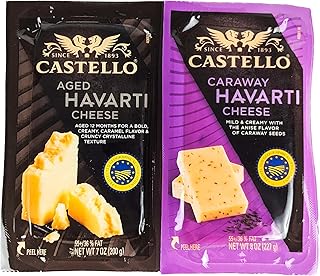


Cheese Platter Ideas: Creating a diverse cheese board with a mix of textures and flavors to enhance the Chardonnay experience
To create a diverse cheese board that enhances the Chardonnay experience, start by selecting a variety of cheeses with different textures and flavors. A good mix might include a creamy Brie, a tangy goat cheese, a sharp Cheddar, and a nutty Gruyère. Consider adding a blue cheese for a bold flavor contrast.
Next, think about accompaniments that complement both the cheeses and the Chardonnay. Fresh fruits like grapes, apples, and pears can provide a sweet counterbalance to the savory cheeses. Nuts such as almonds, walnuts, and pecans add a crunchy texture and rich flavor. For a touch of sweetness, include a small bowl of honey or a fruit preserve like fig jam.
When arranging the cheese board, place the cheeses in separate sections to avoid mixing flavors. Use small plates or bowls for the accompaniments, and provide a cheese knife for each type of cheese. Consider adding a small bunch of fresh herbs like rosemary or thyme for garnish and to add a subtle aromatic element.
To elevate the Chardonnay experience, choose a wine that pairs well with the selected cheeses. A crisp, unoaked Chardonnay with bright acidity can cut through the richness of the cheeses, while a lightly oaked Chardonnay can complement the nutty and caramel notes in the Gruyère and Cheddar.
Finally, don't forget to include crackers or bread to serve as a base for the cheeses and accompaniments. A variety of crackers with different flavors and textures can add another layer of complexity to the cheese board. By following these tips, you can create a cheese platter that not only showcases a range of delicious cheeses but also enhances the enjoyment of your Chardonnay.
The Lethal Snack: How Cheese Puffs Pose a Deadly Threat to Crows
You may want to see also
Frequently asked questions
When pairing cheese with Chardonnay, it's essential to consider the specific style of the wine. For a crisp, unoaked Chardonnay, a soft and mild cheese like Brie or Camembert works beautifully. These cheeses complement the wine's fresh fruit notes without overpowering them. For an oaked Chardonnay with richer, buttery flavors, a slightly firmer cheese like Gruyère or a nutty cheese like Parmesan can balance the wine's complexity.
The aging process of Chardonnay significantly impacts its flavor profile and, consequently, its cheese pairing. Unoaked Chardonnay tends to have brighter acidity and more pronounced fruit flavors, making it an excellent match for softer, creamier cheeses that can absorb its zesty character. On the other hand, oaked Chardonnay develops more mellow, buttery, and sometimes nutty flavors, which pair well with aged, firmer cheeses that can stand up to and complement these richer notes.
Yes, regional pairings often highlight the unique characteristics of both the cheese and the Chardonnay. For example, pairing a French Chardonnay from Burgundy with a local cheese like Époisses can be delightful, as the wine's minerality and the cheese's pungency create a harmonious balance. Similarly, a Californian Chardonnay with its bold fruit flavors pairs wonderfully with a tangy, aged cheddar from the same region, allowing the robust flavors of both to shine.
When pairing cheese with Chardonnay, a few general guidelines can help. First, consider the intensity and flavor profile of both the wine and the cheese. Match lighter, crisper Chardonnays with softer, milder cheeses, and richer, oaked Chardonnays with firmer, more flavorful cheeses. Second, think about the texture contrast; creamy cheeses can complement the smoothness of oaked Chardonnay, while crumbly cheeses can add an enjoyable textural contrast to unoaked Chardonnay. Lastly, don't be afraid to experiment, as personal taste plays a significant role in finding the perfect pairing.