Andy Montoya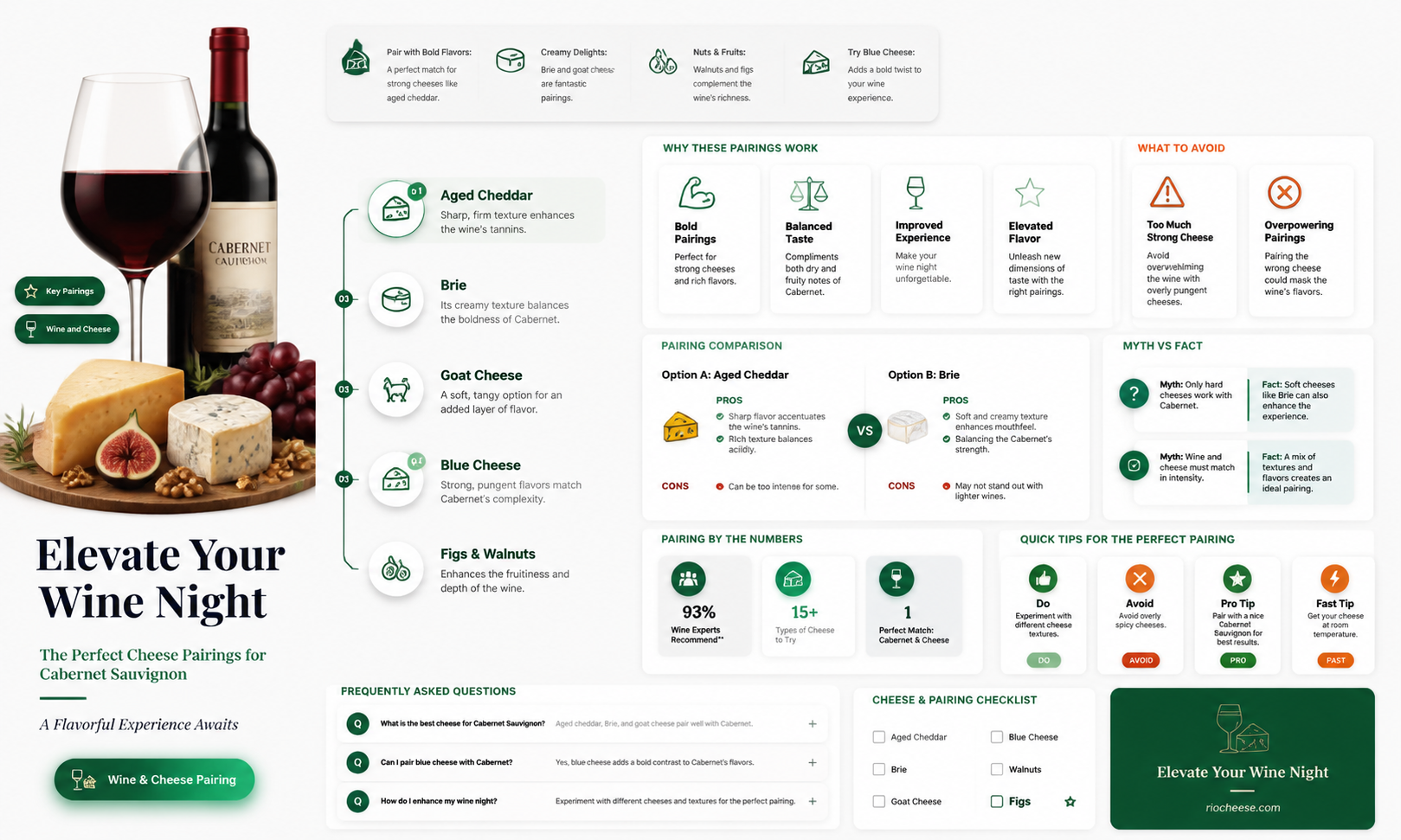
Cabernet Sauvignon, a full-bodied red wine known for its rich flavors and high tannin content, pairs exceptionally well with certain types of cheese. When selecting a cheese to complement this robust wine, it's essential to consider the balance of flavors and textures. Hard cheeses with strong, sharp flavors, such as aged Cheddar or Gouda, can stand up to the bold taste of Cabernet Sauvignon. Additionally, blue cheeses like Roquefort or Gorgonzola offer a pungent, creamy contrast that enhances the wine's complexity. For a more subtle pairing, semi-hard cheeses like Manchego or Jarlsberg provide a smooth, nutty complement without overpowering the wine. The key is to find a cheese that not only balances the wine's intensity but also adds a layer of sophistication to the overall tasting experience.
Explore related products


What You'll Learn
- Bold Cheeses: Strong, aged cheddar or blue cheese complement the robust tannins and flavors of Cabernet Sauvignon
- Soft Cheeses: Creamy brie or camembert balance the wine's intensity with their rich, buttery textures
- Hard Cheeses: Sharp, aged gouda or parmesan enhance the wine's complexity with their nutty, caramel notes
- Blue Cheeses: Pungent blue cheese or gorgonzola add a spicy, tangy contrast to the wine's dark fruit flavors
- Fresh Cheeses: Mild, fresh mozzarella or feta provide a light, refreshing counterpoint to the wine's bold character

Bold Cheeses: Strong, aged cheddar or blue cheese complement the robust tannins and flavors of Cabernet Sauvignon
Strong, aged cheddar or blue cheese are excellent choices to pair with Cabernet Sauvignon due to their bold flavors that can stand up to the wine's robust tannins. The sharpness and complexity of these cheeses complement the rich, fruity notes of the wine, creating a harmonious balance on the palate. When selecting a cheddar, opt for varieties that have been aged for at least 12 months to ensure they have developed sufficient flavor and character to match the intensity of the Cabernet Sauvignon. For blue cheese, look for options like Roquefort or Gorgonzola, which offer a pungent, tangy taste that cuts through the wine's boldness.
To fully appreciate the pairing, it's essential to consider the texture of both the cheese and the wine. The creamy, smooth texture of aged cheddar can help to soften the astringent tannins in Cabernet Sauvignon, while the crumbly, salty nature of blue cheese can enhance the wine's fruit flavors. When serving, ensure that the cheese is at room temperature to allow its full flavor profile to shine through. Additionally, consider pairing the cheese and wine with accompaniments like fresh fruit, nuts, or crackers to add another layer of complexity to the tasting experience.
One of the key aspects of pairing bold cheeses with Cabernet Sauvignon is understanding how the flavors interact. The wine's high tannin content can be mellowed by the fat content in the cheese, while the acidity in the wine can help to cut through the richness of the cheese. This interplay of flavors and textures creates a dynamic and enjoyable tasting experience. Experimenting with different varieties of cheddar and blue cheese can also reveal new and exciting flavor combinations that enhance the overall enjoyment of both the wine and the cheese.
In conclusion, when looking to pair cheese with Cabernet Sauvignon, bold options like strong, aged cheddar or blue cheese are ideal choices. Their robust flavors and textures complement the wine's intensity, creating a well-balanced and satisfying pairing. By considering factors like aging, texture, and flavor profiles, one can elevate the tasting experience and discover new ways to enjoy these classic pairings.
Exploring the World of Cheese: What Makes a Big Unit?
You may want to see also
Explore related products


Soft Cheeses: Creamy brie or camembert balance the wine's intensity with their rich, buttery textures
Soft cheeses like brie and camembert are excellent companions to a bold Cabernet Sauvignon. Their creamy textures and rich, buttery flavors provide a luxurious counterpoint to the wine's intense tannins and dark fruit notes. When pairing these cheeses with Cabernet Sauvignon, it's essential to consider the age of the cheese. A younger brie or camembert will have a milder flavor that won't overpower the wine, while an aged version will offer a more robust taste that can stand up to the wine's complexity.
To fully appreciate the pairing, serve the cheese at room temperature to allow its flavors to develop. You can also try baking the cheese in a small ramekin with a splash of Cabernet Sauvignon for a decadent treat. The heat will cause the cheese to melt and blend with the wine, creating a rich, gooey mixture that's perfect for dipping crusty bread.
When it comes to portion size, a little goes a long way. Soft cheeses are rich and indulgent, so a small wedge is all you need to complement a glass of Cabernet Sauvignon. If you're serving a group, consider offering a variety of soft cheeses alongside the wine to allow guests to experiment with different flavor combinations.
In terms of specific pairings, a creamy brie works beautifully with a Cabernet Sauvignon that has notes of black currant and vanilla. The cheese's mild flavor will enhance the wine's fruitiness without overpowering its oak undertones. On the other hand, a camembert with its slightly stronger flavor profile pairs well with a Cabernet Sauvignon that has hints of spice and tobacco. The cheese's earthy notes will complement the wine's complexity, creating a harmonious balance of flavors.
Remember, the key to a successful cheese and wine pairing is to find a balance between the flavors and textures of both components. Soft cheeses like brie and camembert offer a luxurious and indulgent way to enjoy Cabernet Sauvignon, so don't be afraid to experiment and find your perfect match.
From Whey to Wow: Your Guide to Opening a Cheese Shop
You may want to see also
Explore related products


Hard Cheeses: Sharp, aged gouda or parmesan enhance the wine's complexity with their nutty, caramel notes
The bold flavors of Cabernet Sauvignon are beautifully complemented by the rich, complex notes of hard cheeses. Sharp, aged Gouda or Parmesan, with their nutty and caramel undertones, can elevate the wine's profile, creating a harmonious balance between the palate's richness and the cheese's intensity.
When pairing these hard cheeses with Cabernet Sauvignon, consider the aging process of both the wine and the cheese. An aged Gouda, for instance, with its deep, buttery flavors, pairs exceptionally well with a full-bodied Cabernet that has had time to develop its tannins and fruit notes. Similarly, a well-aged Parmesan, known for its granular texture and umami flavors, can enhance the earthy and spicy characteristics of a mature Cabernet Sauvignon.
To fully appreciate this pairing, serve the cheese at room temperature to allow its flavors to unfold. The ideal serving size is about an ounce, which provides enough cheese to cleanse the palate between sips of wine without overpowering the flavors. For an added touch of sophistication, consider adding a small drizzle of olive oil or a sprinkle of sea salt to the cheese, which can further accentuate its flavors and create a more luxurious tasting experience.
Remember, the key to a successful pairing lies in balance. The robust flavors of Cabernet Sauvignon and the strong character of hard cheeses should complement each other, rather than compete. By carefully selecting cheeses that echo the wine's complexity and intensity, you can create a memorable and delightful tasting experience that showcases the best of both worlds.
Discovering the Best Places to Buy Pag Cheese in the USA
You may want to see also
Explore related products




Blue Cheeses: Pungent blue cheese or gorgonzola add a spicy, tangy contrast to the wine's dark fruit flavors
Blue cheeses, such as pungent blue cheese or gorgonzola, offer a striking contrast to the rich, dark fruit flavors of Cabernet Sauvignon. The spicy, tangy notes of these cheeses cut through the wine's bold character, creating a harmonious balance that enhances both the cheese and the wine. This pairing is particularly effective because the strong flavors of blue cheese can stand up to the tannins and acidity found in Cabernet Sauvignon, making it an ideal choice for those looking to explore the complexities of wine and cheese combinations.
When selecting a blue cheese to pair with Cabernet Sauvignon, it's essential to consider the intensity of both the cheese and the wine. For a more robust Cabernet with high tannins, a stronger blue cheese like Roquefort or Stilton can provide an excellent counterpoint. Conversely, for a smoother, more fruit-forward Cabernet, a milder blue cheese such as Gorgonzola Dolce or Bleu d'Auvergne may be a better match. The key is to find a balance where neither the cheese nor the wine overpowers the other, allowing the unique characteristics of each to shine through.
One of the reasons blue cheeses pair so well with Cabernet Sauvignon is their ability to complement the wine's flavor profile without competing with it. The earthy, umami notes found in many blue cheeses echo the savory undertones of Cabernet, while the cheese's acidity and saltiness help to refresh the palate between sips. This makes blue cheese an excellent choice for a cheese board or as part of a more elaborate wine and cheese pairing experience.
In addition to their flavor compatibility, blue cheeses and Cabernet Sauvignon share a similar cultural heritage. Both have a long history of production and are often associated with regions known for their wine and cheese-making traditions. For example, the Bordeaux region of France, famous for its Cabernet Sauvignon, is also home to several renowned blue cheeses. This shared history adds an extra layer of enjoyment to the pairing, as it allows enthusiasts to explore the rich cultural context behind both the wine and the cheese.
When serving blue cheese with Cabernet Sauvignon, it's important to consider the presentation and accompaniments. A well-curated cheese board that includes a variety of textures and flavors can enhance the overall experience. Pairing the cheese with crackers, bread, or fruit can provide additional layers of flavor and help to cleanse the palate between bites. Additionally, serving the wine at the appropriate temperature and using the right glassware can further elevate the pairing, ensuring that both the wine and the cheese are enjoyed to their fullest potential.
In conclusion, blue cheeses offer a unique and exciting pairing option for Cabernet Sauvignon enthusiasts. By carefully selecting the right cheese to match the wine's intensity and considering the cultural and historical context of both, one can create a memorable and enjoyable wine and cheese experience. Whether served as part of a casual gathering or a more formal event, the combination of blue cheese and Cabernet Sauvignon is sure to delight the senses and leave a lasting impression.
Unraveling the Mystery: What Are String Cheese Incident Fans Called?
You may want to see also
Explore related products


Fresh Cheeses: Mild, fresh mozzarella or feta provide a light, refreshing counterpoint to the wine's bold character
Fresh mozzarella and feta are two cheeses that offer a delightful contrast to the robust nature of Cabernet Sauvignon. Their mild flavors and refreshing textures serve as a palate cleanser between sips of this full-bodied wine. When pairing these cheeses with Cabernet Sauvignon, it's essential to consider the specific characteristics of each cheese and how they complement the wine's profile.
Fresh mozzarella, with its creamy texture and subtle flavor, pairs beautifully with the dark fruit notes and high tannins found in Cabernet Sauvignon. The cheese's moisture content helps to balance the wine's astringency, creating a harmonious blend of flavors. For an optimal pairing, choose a high-quality, full-fat mozzarella and serve it at room temperature to allow its flavors to fully develop.
Feta, on the other hand, brings a tangy and slightly salty element to the pairing. Its crumbly texture and sharp flavor cut through the richness of Cabernet Sauvignon, providing a refreshing contrast. When selecting feta for this pairing, opt for a milder variety to avoid overpowering the wine's delicate nuances. Greek feta, made from sheep's milk, is a particularly good choice due to its creamy texture and balanced flavor profile.
To enhance the pairing experience, consider serving these cheeses with accompaniments that complement both the wine and the cheese. For example, fresh fruit such as sliced apples or pears can add a sweet and crisp element that pairs well with the mild flavors of mozzarella and feta. Additionally, serving the cheese on a bed of arugula or other peppery greens can provide a pleasant textural contrast and add a touch of bitterness to balance the richness of the wine and cheese.
In conclusion, fresh mozzarella and feta offer a light and refreshing counterpoint to the bold character of Cabernet Sauvignon. By carefully selecting the right varieties of these cheeses and pairing them with complementary accompaniments, you can create a delightful and harmonious tasting experience that showcases the best qualities of both the wine and the cheese.
Frequently asked questions
The best cheeses to pair with Cabernet Sauvignon are those that can balance the wine's bold flavors and high tannins. Hard cheeses like Cheddar, Gouda, and Parmesan are excellent choices as their sharpness and saltiness complement the wine's complexity. Blue cheeses like Roquefort or Gorgonzola also pair well, offering a pungent contrast to the wine's richness.
Cabernet Sauvignon pairs well with certain cheeses because the wine's high tannin content and bold flavors are balanced by the cheeses' varying textures and tastes. Hard cheeses provide a salty and sharp contrast that cuts through the wine's richness, while blue cheeses offer a pungent and creamy counterpoint that enhances the wine's complexity. The acidity in some cheeses also helps to refresh the palate, making each sip of wine taste as vibrant as the first.
Some specific cheese and Cabernet Sauvignon pairings to try include:
- Cheddar and Cabernet Sauvignon: The sharpness of the Cheddar complements the wine's bold flavors.
- Gouda and Cabernet Sauvignon: The nutty and slightly sweet flavors of Gouda balance the wine's tannins.
- Parmesan and Cabernet Sauvignon: The salty and umami-rich Parmesan enhances the wine's complexity.
- Roquefort and Cabernet Sauvignon: The pungent and creamy Roquefort offers a delightful contrast to the wine's richness.
- Gorgonzola and Cabernet Sauvignon: The tangy and slightly sweet Gorgonzola pairs beautifully with the wine's bold flavors.