Kamil Perry
Gruyère is indeed a type of Swiss cheese, renowned for its rich, nutty flavor and smooth, creamy texture. Originating from the Gruyère region in Switzerland, this cheese is made from cow's milk and aged for several months, which contributes to its distinctive taste and firm yet pliable consistency. Gruyère is a popular choice for both eating on its own and using in a variety of culinary applications, such as in fondue, grilled cheese sandwiches, and as a topping for baked potatoes. Its versatility and delicious flavor make it a beloved cheese not only in Switzerland but also around the world.
Explore related products


What You'll Learn
- Origin: Gruyère cheese originates from the Gruyère region in Switzerland, dating back to the 12th century
- Production: Made from cow's milk, Gruyère undergoes a meticulous aging process, typically lasting from 5 to 12 months
- Flavor Profile: Known for its nutty, slightly sweet flavor, Gruyère develops a complex taste as it ages, becoming sharper and more robust
- Texture: The cheese has a smooth, creamy texture when young, transitioning to a firmer, more crumbly consistency as it matures
- Uses: Gruyère is versatile, often used in fondue, grilled cheese sandwiches, and as a topping for baked dishes due to its excellent melting properties

Origin: Gruyère cheese originates from the Gruyère region in Switzerland, dating back to the 12th century
Gruyère cheese, a renowned Swiss delicacy, traces its roots back to the medieval period. The earliest records of its production date to the 12th century, nestled in the heart of the Gruyère region in Switzerland. This area, characterized by its lush pastures and favorable climate, provided the perfect conditions for dairy farming and cheese making.
The traditional methods used in crafting Gruyère cheese have been passed down through generations. Initially, local farmers would gather milk from their cows and bring it to communal cheese-making facilities. Here, the milk would undergo a meticulous process involving heating, curdling, and pressing to form the characteristic wheels of Gruyère.
Over time, the reputation of Gruyère cheese grew, and it became a staple in Swiss cuisine. Its distinct flavor profile, which ranges from nutty to slightly sweet, made it a favorite among locals and visitors alike. As demand increased, the production of Gruyère cheese expanded, but it remained closely tied to its region of origin.
Today, Gruyère cheese is still produced in the same traditional manner, adhering to strict quality standards. The cheese is aged for a minimum of six months, during which time it develops its signature taste and texture. This commitment to tradition and quality has helped Gruyère cheese maintain its status as a beloved Swiss export.
In conclusion, the origin of Gruyère cheese in the Gruyère region of Switzerland is a testament to the enduring legacy of traditional cheese-making practices. Its rich history and continued popularity highlight the importance of preserving culinary heritage in the face of modernization.
Exploring the Keto Compatibility of Swiss Cheese: A Nutritional Breakdown
You may want to see also
Explore related products


Production: Made from cow's milk, Gruyère undergoes a meticulous aging process, typically lasting from 5 to 12 months
Gruyère cheese, a quintessential Swiss delicacy, is crafted exclusively from cow's milk, distinguishing it from other varieties that might use goat or sheep milk. The production process is an art form in itself, requiring precision and patience. It begins with the careful selection of high-quality milk, which is then heated and combined with specific bacterial cultures to initiate the fermentation process. This crucial step is what sets Gruyère apart, as the unique blend of cultures contributes to its distinctive flavor profile.
The curd, once formed, is meticulously cut and stirred to release excess whey, a process that demands skill and attention to detail. The resulting curds are then molded into large wheels and subjected to a rigorous aging process. This aging, which typically spans from 5 to 12 months, is conducted in temperature and humidity-controlled environments. The wheels are regularly turned and rubbed with salt to promote even aging and the development of a robust rind.
During the aging process, the cheese undergoes significant transformations. The proteins and fats in the milk break down and recombine, creating a complex array of flavors and textures. The rind develops a rich, earthy character, while the interior becomes smooth and creamy. The careful monitoring and adjustment of conditions throughout this period are essential to ensure that each wheel of Gruyère meets the stringent quality standards expected of this premium cheese.
The result of this meticulous production and aging process is a cheese that is not only a staple in Swiss cuisine but also a favorite around the world. Gruyère's versatility makes it a popular choice for a variety of culinary applications, from melting into creamy fondues to grating over savory dishes. Its rich flavor and smooth texture are a testament to the skill and dedication of the cheesemakers who produce it.
The Aging Process of Swiss Cheese: A Comprehensive Guide
You may want to see also
Explore related products





Flavor Profile: Known for its nutty, slightly sweet flavor, Gruyère develops a complex taste as it ages, becoming sharper and more robust
Gruyère cheese, a renowned Swiss variety, is celebrated for its intricate flavor profile that evolves beautifully with age. Initially, the cheese presents a nutty and slightly sweet taste, which is a hallmark of its early maturation stages. As it ages, Gruyère undergoes a transformation, developing sharper and more robust notes that add depth to its character.
The aging process is crucial in unlocking the full potential of Gruyère's flavor. During this time, the cheese's proteins break down, and its fat content becomes more pronounced, contributing to a richer and more complex taste. The sharpness that emerges is not overpowering but rather a subtle tang that complements the cheese's original nuttiness and sweetness.
One of the fascinating aspects of Gruyère is its versatility in culinary applications. Its evolving flavor profile makes it suitable for a wide range of dishes, from fondues and grilled sandwiches to salads and pasta. The cheese's ability to melt smoothly and evenly also enhances its appeal, making it a favorite among chefs and home cooks alike.
In addition to its culinary uses, Gruyère's flavor profile is often appreciated in cheese boards and tastings. Its gradual transition from nutty and sweet to sharp and robust allows for a dynamic tasting experience, showcasing the cheese's multifaceted nature. Pairing Gruyère with fruits, nuts, and wines can further accentuate its flavors, creating harmonious and delightful combinations.
Overall, the flavor profile of Gruyère is a testament to the artistry of Swiss cheesemaking. Its ability to develop complexity and depth over time is a result of meticulous craftsmanship and attention to detail. Whether enjoyed on its own or incorporated into various dishes, Gruyère's evolving taste is a culinary delight that continues to captivate cheese enthusiasts around the world.
Exploring the Carb Content in Swiss Cheese: A Nutritional Breakdown
You may want to see also
Explore related products
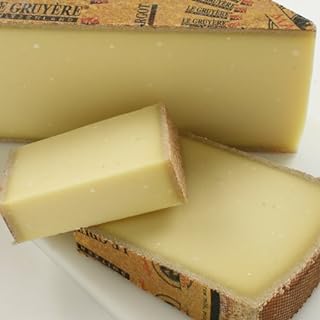

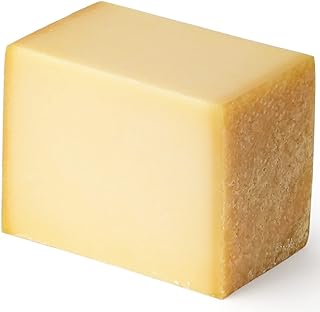


Texture: The cheese has a smooth, creamy texture when young, transitioning to a firmer, more crumbly consistency as it matures
The texture of Gruyère cheese is a testament to its aging process and quality. When young, Gruyère boasts a smooth, creamy texture that is almost velvety to the touch. This is due to the high moisture content and the soft, pliable nature of the curds. As the cheese matures, however, it undergoes a remarkable transformation. The once-soft curds begin to firm up, and the texture becomes more crumbly and granular. This change is a result of the natural enzymes present in the cheese, which break down the proteins and fats over time, leading to a drier, more concentrated product.
The aging process not only affects the texture but also the flavor profile of Gruyère. As the cheese matures, it develops a more complex, nutty flavor with hints of caramel and a slightly salty tang. This evolution in taste is closely linked to the textural changes, as the breakdown of proteins and fats releases various flavor compounds. The crumbly texture of aged Gruyère allows these flavors to be more easily dispersed when eaten, enhancing the overall tasting experience.
In terms of culinary applications, the texture of Gruyère at different stages of maturity offers a range of possibilities. Young Gruyère, with its smooth and creamy texture, is ideal for melting and can be used in fondue, raclette, or as a topping for baked dishes. Its mild flavor and gooey consistency make it a popular choice for those who prefer a less intense cheese. On the other hand, aged Gruyère, with its firmer texture and more pronounced flavor, is better suited for grating or slicing thinly. It adds a rich, savory element to salads, sandwiches, and pasta dishes, and its crumbly nature allows it to be easily sprinkled over various foods.
When selecting Gruyère cheese, it's essential to consider the desired texture and flavor profile for your specific culinary needs. If you're looking for a cheese that melts well and has a mild taste, opt for a younger Gruyère. However, if you prefer a cheese with a more robust flavor and a texture that holds up well when grated or sliced, choose an aged Gruyère. Regardless of the maturity level, high-quality Gruyère cheese will always exhibit a smooth, even texture without any signs of graininess or excessive moisture.
In conclusion, the texture of Gruyère cheese is a key aspect of its appeal and versatility. From its smooth, creamy beginnings to its firm, crumbly maturity, Gruyère offers a range of textural experiences that cater to different palates and culinary applications. Understanding the aging process and its impact on texture and flavor can help you make informed choices when selecting and using Gruyère cheese in your cooking.
The Refrigeration Debate: Swiss Colony Cheese Storage Tips
You may want to see also
Explore related products


Uses: Gruyère is versatile, often used in fondue, grilled cheese sandwiches, and as a topping for baked dishes due to its excellent melting properties
Gruyère cheese, renowned for its versatility, is a staple in many culinary applications. One of its most celebrated uses is in fondue, a traditional Swiss dish where the cheese is melted with wine and spices to create a rich, creamy dip. The smooth texture and nutty flavor of Gruyère make it an ideal choice for this beloved winter meal.
In addition to fondue, Gruyère is a popular ingredient in grilled cheese sandwiches. Its excellent melting properties ensure a gooey, indulgent filling that pairs perfectly with the crispy bread. The cheese's subtle sweetness and hint of saltiness elevate the classic comfort food to new heights.
Gruyère also shines as a topping for baked dishes. When sprinkled over casseroles, gratins, or roasted vegetables, it melts beautifully, adding a golden-brown crust and a depth of flavor that enhances the overall dish. Its ability to brown evenly under high heat makes it a favorite for finishing off soups and stews as well.
Beyond these common uses, Gruyère can also be enjoyed on its own or paired with fruits and nuts for a sophisticated cheese board. Its versatility extends to pairing with various wines, from crisp whites to full-bodied reds, making it a popular choice for both casual and formal dining occasions.
In summary, Gruyère's adaptability in both sweet and savory dishes, along with its superior melting qualities, solidifies its place as a beloved cheese in many kitchens around the world.
The Pasteurization Puzzle: Unraveling the Mystery of Swiss Cheese
You may want to see also
Frequently asked questions
Yes, Gruyère is a type of Swiss cheese. It originates from the Gruyère region in Switzerland and is known for its nutty flavor and smooth texture.
Gruyère cheese is versatile and can be used in a variety of dishes. It is excellent for melting, making it a popular choice for fondue, grilled cheese sandwiches, and as a topping for baked potatoes. It can also be enjoyed on its own or paired with fruits and nuts.
Gruyère cheese differs from other Swiss cheeses in its flavor profile and texture. It has a slightly sweet, nutty taste and a smooth, creamy texture. Other Swiss cheeses, like Emmental, have a sharper flavor and a firmer texture with characteristic holes.