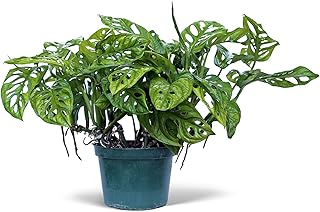
Bushra Griffith
The Swiss cheese plant, known scientifically as Monstera deliciosa, is a popular houseplant prized for its large, glossy leaves and distinctive natural holes. To keep your Swiss cheese plant thriving, proper watering is essential. Overwatering can lead to root rot, while underwatering can cause the leaves to wilt and turn brown. The ideal watering frequency depends on factors such as humidity, temperature, and the size of the pot. Generally, it's best to water your Swiss cheese plant when the top inch of soil feels dry to the touch. Ensure the pot has adequate drainage holes to prevent water from pooling at the bottom. Additionally, using a well-draining potting mix specifically designed for tropical plants can help maintain the right balance of moisture and aeration for your Swiss cheese plant's roots.
Explore related products


What You'll Learn
- Watering Frequency: Determine the ideal watering schedule based on environmental factors and plant needs
- Water Quality: Use filtered or distilled water to prevent mineral buildup and ensure optimal absorption
- Soil Moisture: Check soil moisture levels regularly to avoid overwatering and ensure proper drainage
- Watering Technique: Water thoroughly, allowing excess water to drain, and avoid getting leaves wet to prevent rot
- Humidity Control: Maintain adequate humidity around the plant to support its tropical nature and prevent drying out

Watering Frequency: Determine the ideal watering schedule based on environmental factors and plant needs
Determining the ideal watering schedule for a Swiss cheese plant requires a nuanced understanding of both environmental factors and the specific needs of the plant. The Swiss cheese plant, known for its large, glossy leaves with distinctive splits and holes, thrives in a humid environment with consistent moisture. However, overwatering can lead to root rot and other issues, making it crucial to strike a balance.
To establish an effective watering routine, consider the ambient temperature and humidity levels in the plant's location. In warmer, drier climates, the plant will likely require more frequent watering to maintain the necessary moisture levels. Conversely, in cooler, more humid environments, less frequent watering may suffice. A general rule of thumb is to water the plant when the top inch of soil feels dry to the touch, but this should be adjusted based on the specific conditions.
The size and age of the plant also play a role in determining watering frequency. Younger, smaller plants have less extensive root systems and may need more frequent watering to ensure they receive adequate moisture. As the plant grows larger and its root system expands, it can typically go longer between waterings. Additionally, the type of potting mix used can affect water retention; a mix with higher organic content will retain moisture longer, reducing the need for frequent watering.
It's also important to consider the plant's growth cycle. During periods of active growth, the plant will require more water to support its development. Conversely, during dormant periods, watering can be reduced to prevent over-saturation of the soil. Observing the plant's leaves can provide valuable clues about its water needs; if the leaves appear wilted or droopy, it may be an indication that the plant requires more water.
To further refine the watering schedule, consider using a moisture meter to measure the soil's moisture levels. This tool can help ensure that the soil is neither too dry nor too wet, providing an optimal environment for the Swiss cheese plant to thrive. By taking into account these various factors and regularly monitoring the plant's condition, it's possible to establish a watering routine that meets the specific needs of the Swiss cheese plant, promoting healthy growth and vibrant foliage.
Revitalize Your Swiss Cheese Plant: A Step-by-Step Repotting Guide
You may want to see also
Explore related products


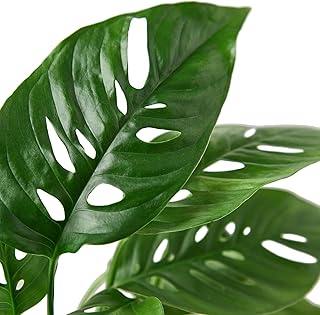


Water Quality: Use filtered or distilled water to prevent mineral buildup and ensure optimal absorption
The quality of water used to hydrate your Swiss cheese plant can significantly impact its health and growth. Tap water often contains minerals like calcium and magnesium, which can accumulate in the soil and on the plant's leaves, leading to issues such as leaf spotting and reduced nutrient absorption. To prevent these problems, it's essential to use filtered or distilled water for your Swiss cheese plant.
Filtered water is a good option as it removes impurities and minerals from the water, ensuring that your plant receives only the essential elements it needs. Distilled water, on the other hand, is even more pure, having undergone a process that removes all minerals and impurities. However, distilled water can be more expensive and may not be necessary for most Swiss cheese plants.
When using filtered or distilled water, it's important to monitor the pH level of the soil. Swiss cheese plants prefer a slightly acidic pH, between 6.0 and 6.5. If the pH level becomes too high or too low, it can affect the plant's ability to absorb nutrients, even with the use of filtered or distilled water.
In addition to using filtered or distilled water, it's also important to ensure proper drainage for your Swiss cheese plant. Overwatering can lead to root rot and other issues, so make sure the pot has adequate drainage holes and that the soil is not waterlogged.
By using filtered or distilled water and monitoring the pH level of the soil, you can help ensure that your Swiss cheese plant receives the optimal nutrients it needs to thrive. Remember to also provide proper drainage and avoid overwatering to keep your plant healthy and happy.
Subway's Swiss Cheese Mystery: Unraveling the Truth Behind the Rumors
You may want to see also
Explore related products


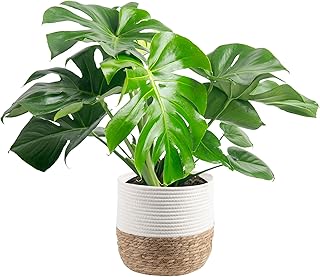
Soil Moisture: Check soil moisture levels regularly to avoid overwatering and ensure proper drainage
Regularly checking the soil moisture levels of your Swiss cheese plant is crucial for its health and growth. Overwatering can lead to root rot and other issues, while underwatering can cause the plant to wilt and eventually die. To ensure proper drainage and avoid overwatering, it's essential to monitor the soil moisture levels closely.
One way to check the soil moisture levels is by sticking your finger into the soil up to the first knuckle. If the soil feels moist, it's time to water the plant. If it feels dry, wait a few more days before watering. Another method is to use a soil moisture meter, which can provide a more accurate reading of the soil's moisture content.
It's also important to consider the plant's environment when determining how often to water it. Factors such as temperature, humidity, and light exposure can all affect the plant's water needs. For example, if the plant is in a hot, dry environment, it may need to be watered more frequently than if it's in a cooler, more humid environment.
In addition to monitoring soil moisture levels, it's essential to ensure that the plant's pot has proper drainage holes. This will prevent water from accumulating in the soil and causing root rot. If the pot doesn't have drainage holes, consider drilling some or repotting the plant into a pot that does.
By regularly checking the soil moisture levels and ensuring proper drainage, you can help your Swiss cheese plant thrive and avoid common watering mistakes. Remember, it's always better to underwater than overwater, as overwatering can be more detrimental to the plant's health. With proper care and attention, your Swiss cheese plant can grow into a beautiful and healthy addition to your home or garden.
Are Swiss Cheese Plants Toxic to Dogs? A Pet Owner's Guide
You may want to see also
Explore related products


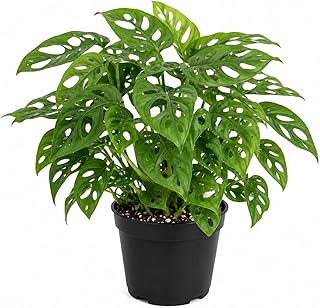


Watering Technique: Water thoroughly, allowing excess water to drain, and avoid getting leaves wet to prevent rot
To ensure the health and vitality of your Swiss cheese plant, mastering the correct watering technique is crucial. The key principle is to water thoroughly, allowing excess water to drain away from the roots. This prevents waterlogging, which can lead to root rot and other issues. When watering, aim to moisten the soil evenly without leaving it saturated. The frequency of watering will depend on various factors such as the size of the pot, the ambient temperature, and the humidity levels in your environment.
One effective method is to use a well-draining potting mix specifically designed for indoor plants. This type of soil typically contains perlite or vermiculite, which helps to aerate the roots and facilitate proper drainage. Additionally, using a pot with drainage holes at the bottom is essential to allow excess water to escape. If your pot doesn't have drainage holes, consider drilling a few small ones to prevent water from pooling at the bottom.
It's also important to avoid getting the leaves of the Swiss cheese plant wet during watering. Wet leaves can be susceptible to fungal infections and rot, which can spread to other parts of the plant. To minimize the risk, water the plant at the base, directing the stream of water towards the soil rather than the foliage. If you do accidentally get the leaves wet, gently shake off the excess water or use a soft cloth to pat them dry.
In terms of frequency, a good rule of thumb is to water your Swiss cheese plant when the top inch of soil feels dry to the touch. This usually translates to watering once a week, but you may need to adjust this schedule based on the specific conditions in your home. During the winter months, when the plant is dormant, you can reduce watering to once every two weeks.
Remember that overwatering is one of the most common mistakes when caring for indoor plants. It's better to err on the side of caution and allow the soil to dry out slightly between waterings. By following these guidelines and paying attention to the specific needs of your Swiss cheese plant, you can help ensure that it thrives and remains a beautiful addition to your indoor garden.
The Origins of Swiss Cheese: A Culinary Journey Through Switzerland
You may want to see also
Explore related products


Humidity Control: Maintain adequate humidity around the plant to support its tropical nature and prevent drying out
Maintaining adequate humidity is crucial for the health of a Swiss cheese plant, as it replicates the tropical environment from which the plant originates. To achieve this, you can place a tray of water near the plant or use a humidifier to increase the moisture in the air. Additionally, grouping plants together can create a microclimate that helps retain humidity. It's important to avoid placing the plant near drafts or air conditioning vents, as these can cause rapid fluctuations in humidity levels. Regularly misting the plant with water can also help to maintain a stable humidity level. By ensuring the plant is in a humid environment, you can prevent it from drying out and promote healthy growth.
Exploring Jarlsberg: A Swiss Cheese or Not?
You may want to see also
Frequently asked questions
Swiss cheese plants prefer to be watered once a week, allowing the soil to dry out slightly between waterings. However, this can vary depending on the humidity and temperature of your environment.
The best way to water a Swiss cheese plant is to thoroughly saturate the soil, ensuring that excess water drains out of the pot's drainage holes. This helps prevent root rot by not leaving the roots sitting in stagnant water.
Yes, misting your Swiss cheese plant can be beneficial, especially in dry environments. Misting helps to increase humidity around the plant, which can prevent the edges of the leaves from becoming crispy and brown.