Frederic Melton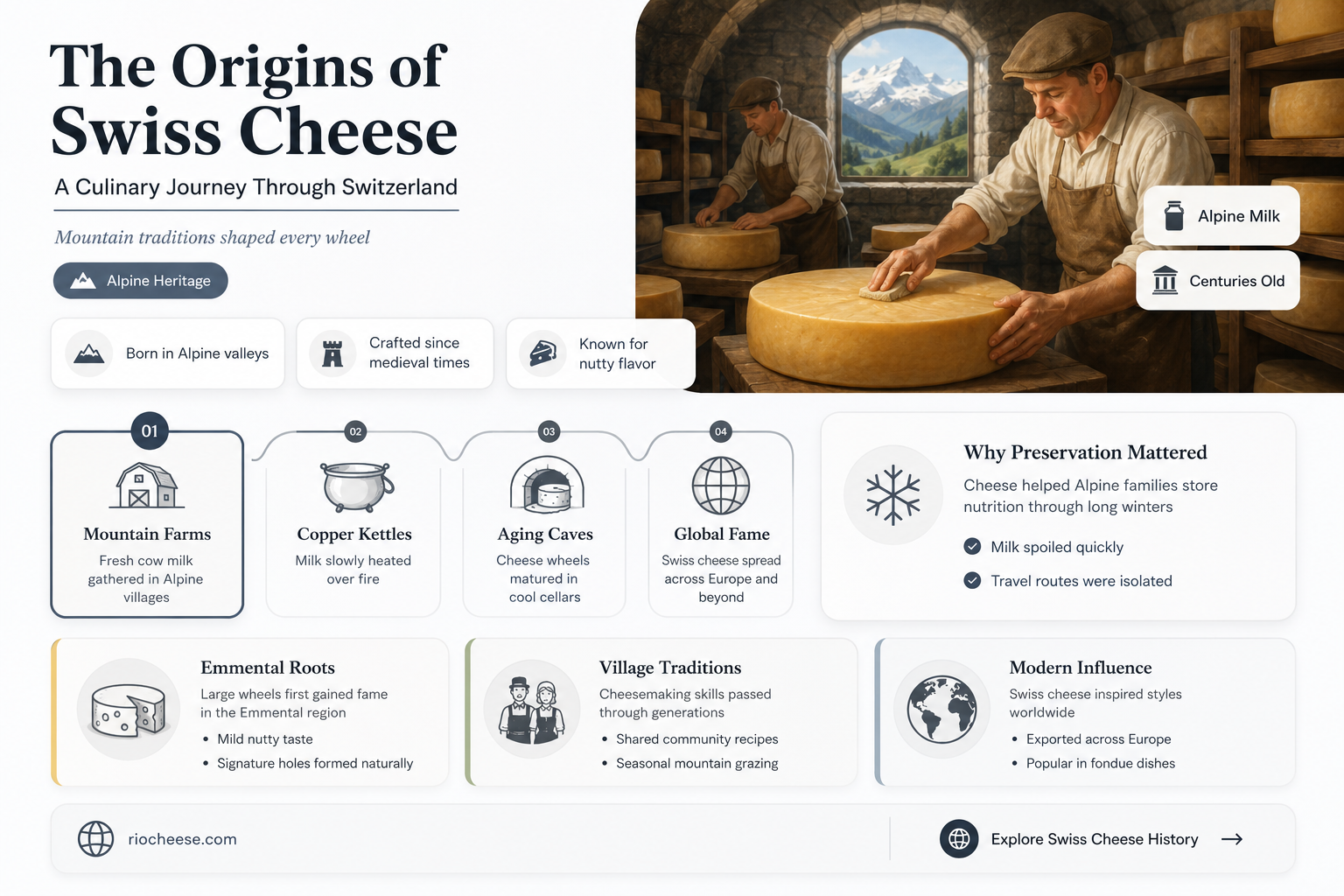
Swiss cheese, renowned for its distinctive holes and rich flavor, is a type of cheese that originated in Switzerland. However, the term Swiss cheese is often used more broadly to describe any cheese with similar characteristics, regardless of its country of origin. This has led to some confusion about whether all Swiss cheese is indeed from Switzerland. In this paragraph, we will delve into the origins of Swiss cheese, explore its unique production process, and clarify the connection between Swiss cheese and Switzerland. By examining the historical and cultural context of Swiss cheese, as well as the specific requirements for a cheese to be labeled as Swiss, we can gain a deeper understanding of this beloved dairy product and its ties to Swiss tradition.
Explore related products




What You'll Learn
- Origin of Swiss Cheese: Swiss cheese originated in Switzerland, with Emmental being one of the first types produced
- Production Process: Traditional Swiss cheese is made using raw milk and a specific bacterial culture, resulting in its unique flavor and holes
- Types of Swiss Cheese: Switzerland produces various types of cheese, including Emmental, Gruyère, and Appenzeller, each with distinct characteristics
- Global Popularity: Swiss cheese is renowned worldwide for its quality and taste, often associated with Swiss cuisine and culture
- Economic Impact: Cheese production is a significant part of Switzerland's agricultural economy, contributing to both local and global markets

Origin of Swiss Cheese: Swiss cheese originated in Switzerland, with Emmental being one of the first types produced
The origin of Swiss cheese is deeply rooted in the dairy traditions of Switzerland. Historical records suggest that cheese-making in the region dates back to at least the 12th century, with monks and farmers playing pivotal roles in its development. The unique geography and climate of Switzerland, characterized by its alpine pastures and cool temperatures, provided an ideal environment for cheese production.
Emmental, often considered the quintessential Swiss cheese, is believed to have been one of the first types produced in the country. Its name is derived from the Emme River, which flows through the region where the cheese was originally made. The distinctive holes in Emmental, known as "eyes," are a result of the fermentation process involving carbon dioxide gas released by bacteria.
Over time, Swiss cheese-making evolved and diversified, leading to the creation of various regional specialties. Each type of Swiss cheese, from Gruyère to Appenzeller, reflects the unique characteristics of its place of origin, including differences in milk composition, bacterial cultures, and aging processes.
The production of Swiss cheese is not only a testament to the country's rich agricultural heritage but also a significant contributor to its economy. Switzerland's cheese exports are highly valued worldwide, with many countries importing large quantities of this iconic dairy product.
In conclusion, the origin of Swiss cheese in Switzerland is a fascinating story that intertwines history, geography, and culinary expertise. Emmental, as one of the earliest varieties, set the stage for the diverse range of Swiss cheeses enjoyed today, each with its own distinct flavor profile and production methods.
Exploring the Creamy Delight of Baby Swiss Cheese
You may want to see also
Explore related products


![Swiss Cheese , Imported from Finland , all-natural Swiss cheese is imported from Finland and aged for over 100 days. , Lactose-free , Contains Cultured Pasteurized Part Skim Milk, Salt and Enzymes . Flavor : Rich, nutty, and robust with a distinctly spicy flavor. [ 32 oz , 2 lb ]](https://m.media-amazon.com/images/I/51LdD+cb+CL._AC_UL320_.jpg)


Production Process: Traditional Swiss cheese is made using raw milk and a specific bacterial culture, resulting in its unique flavor and holes
Traditional Swiss cheese, renowned for its distinctive flavor and characteristic holes, is crafted through a meticulous production process that has been refined over centuries. The journey begins with raw milk, sourced exclusively from Swiss cows that graze on the country's lush alpine pastures. This milk is then heated to a precise temperature, creating an ideal environment for the introduction of a specific bacterial culture.
The bacterial culture, a closely guarded secret of Swiss cheesemakers, is responsible for the fermentation process that gives Swiss cheese its unique taste and texture. As the bacteria consume the lactose in the milk, they produce carbon dioxide gas, which forms the small bubbles that eventually become the cheese's signature holes. The curd is then carefully cut and stirred, allowing the whey to separate and be removed, leaving behind a semi-solid mass that will eventually become the cheese.
After the curd has been formed, it is transferred to molds where it undergoes a process of pressing and aging. During this time, the cheese is regularly turned and rubbed with salt, which helps to develop its flavor and preserve its texture. The aging process can vary in length, depending on the type of Swiss cheese being produced, but typically lasts for several months.
Throughout the production process, Swiss cheesemakers adhere to strict quality control standards, ensuring that every wheel of cheese meets the exacting criteria set forth by the Swiss Cheese Union. This commitment to excellence is what sets Swiss cheese apart from other varieties and has earned it a reputation as one of the world's finest dairy products.
In conclusion, the production of traditional Swiss cheese is a complex and time-honored process that requires skill, patience, and attention to detail. From the careful selection of raw milk to the precise aging process, every step is crucial in creating the unique flavor and texture that Swiss cheese is famous for.
The Refrigeration Debate: Swiss Colony Cheese Storage Tips
You may want to see also
Explore related products
![Lacey Swiss Cheese, A full flavored Swiss cheese which is also reduced fat, low in sodium and naturally lactose free. It has a delicious rich nutty flavor and light, airy texture. [ 32 oz, 2 pound ]](https://m.media-amazon.com/images/I/51JnoMFb46L._AC_UL320_.jpg)


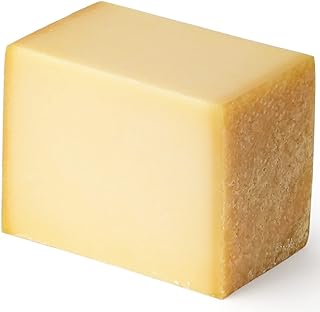
Types of Swiss Cheese: Switzerland produces various types of cheese, including Emmental, Gruyère, and Appenzeller, each with distinct characteristics
Switzerland is renowned for its cheese production, and among the most famous varieties are Emmental, Gruyère, and Appenzeller. Each of these cheeses boasts unique characteristics that set them apart not only from each other but also from other cheeses around the world.
Emmental, often recognized by its large holes, is a semi-hard cheese with a mild, slightly sweet flavor. It's made from cow's milk and aged for a minimum of four months. The holes in Emmental are formed by carbon dioxide gas released by bacteria during the fermentation process. This cheese is versatile and can be enjoyed on its own, in sandwiches, or melted in dishes like fondue.
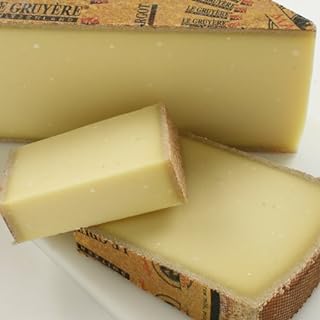
Gruyère, on the other hand, is a hard cheese with a rich, slightly nutty flavor that becomes more pronounced with age. Also made from cow's milk, Gruyère is aged for at least six months. Its smooth texture and ability to melt well make it a popular choice for cheese platters, grilled cheese sandwiches, and as a topping for baked potatoes.
Appenzeller is a hard cheese with a strong, tangy flavor that is often described as spicy or fruity. It's made from cow's milk and aged for at least six months, during which time it's rubbed with a mixture of herbs and spices, including paprika, which gives it its distinctive reddish rind. Appenzeller is typically enjoyed on its own or used in cooking, where its robust flavor can stand up to hearty dishes.
In summary, while all three cheeses are Swiss in origin, they each offer a unique taste and texture profile that makes them suitable for different culinary applications. Emmental is mild and versatile, Gruyère is rich and melts well, and Appenzeller is strong and spicy, providing a range of options for cheese enthusiasts.
The Aging Process of Swiss Cheese: A Comprehensive Guide
You may want to see also
Explore related products

![Swiss Cheese , Imported from Finland , all-natural Swiss cheese is imported from Finland and aged for over 100 days. , Lactose-free , Contains Cultured Pasteurized Part Skim Milk, Salt and Enzymes . Flavor : Rich, nutty, and robust with a distinctly spicy flavor. [ 24 oz , 1.5 lb ]](https://m.media-amazon.com/images/I/51xbCNq9HOL._AC_UL320_.jpg)


Global Popularity: Swiss cheese is renowned worldwide for its quality and taste, often associated with Swiss cuisine and culture
Swiss cheese has transcended its national borders to become a global culinary phenomenon. Its popularity can be attributed to its distinctive taste, texture, and the meticulous craftsmanship involved in its production. Varieties such as Emmental, Gruyère, and Appenzeller have become household names in many countries, each offering a unique flavor profile that appeals to a wide range of palates.
The global appeal of Swiss cheese is also closely tied to its cultural significance. Swiss cheese-making traditions date back centuries and are deeply ingrained in the country's heritage. This rich history has been successfully marketed worldwide, positioning Swiss cheese as a premium product that embodies the values of quality, authenticity, and tradition.
Furthermore, Swiss cheese has found its way into numerous international cuisines, adapting to local tastes while maintaining its core characteristics. From being a staple in European dishes to being featured in gourmet restaurants across the Americas and Asia, Swiss cheese's versatility has contributed significantly to its global popularity.
In addition to its culinary uses, Swiss cheese has also become a symbol of Swiss identity and pride. Its widespread recognition and appreciation have helped to promote Swiss culture and tourism, with many visitors to Switzerland keen to experience the country's famous cheese-making traditions firsthand.
Overall, the global popularity of Swiss cheese is a testament to its exceptional quality, rich cultural heritage, and remarkable versatility. As a result, Swiss cheese continues to be a beloved and iconic product around the world, closely associated with the image and reputation of Switzerland itself.
Exploring the Richness of Emmentaler: Switzerland's Iconic Cheese Delight
You may want to see also
Explore related products


Economic Impact: Cheese production is a significant part of Switzerland's agricultural economy, contributing to both local and global markets
Switzerland's cheese production is not only a culinary tradition but also a crucial component of its agricultural economy. The country's favorable climate and terrain provide ideal conditions for dairy farming, which in turn supports a thriving cheese-making industry. This industry contributes significantly to both local and global markets, making cheese one of Switzerland's most important agricultural exports.
The economic impact of Swiss cheese production is multifaceted. Locally, it provides employment opportunities for thousands of farmers, cheese makers, and workers involved in the processing and distribution of cheese. The industry also supports related sectors such as packaging, transportation, and marketing. Globally, Swiss cheese is a high-value export, commanding premium prices due to its quality and reputation. This contributes to Switzerland's trade balance and strengthens its position in the international market.
Moreover, the cheese production industry in Switzerland is known for its sustainability practices. Many Swiss cheese makers use traditional methods that have been passed down through generations, which not only preserve cultural heritage but also promote environmentally friendly practices. This commitment to sustainability enhances the marketability of Swiss cheese, appealing to consumers who prioritize eco-friendly products.
In addition to its economic contributions, Swiss cheese production also plays a role in regional development. Cheese-making regions in Switzerland, such as the Emmental and Gruyère regions, benefit from the industry through increased tourism and the promotion of local products. This helps to diversify the local economy and supports small businesses and communities.
Overall, the economic impact of cheese production in Switzerland is substantial, contributing to employment, trade, sustainability, and regional development. The industry's success is a testament to the country's agricultural prowess and its ability to produce high-quality, sought-after products that resonate with consumers both domestically and internationally.
Frequently asked questions
While Swiss cheese originated in Switzerland and is traditionally associated with the country, it is not exclusively made there. Many countries around the world produce cheeses that are similar in taste and texture to Swiss cheese.
Swiss cheese is characterized by its distinctive holes, known as "eyes," and its mild, nutty flavor. It is typically made from cow's milk and undergoes a unique fermentation process that creates the holes.
No, there are several types of Swiss cheese, each with its own unique characteristics. Some popular varieties include Emmental, Gruyère, and Appenzeller.
Swiss cheese is a good source of protein, calcium, and other nutrients. However, it is also high in fat and calories, so it should be consumed in moderation as part of a balanced diet.
Yes, Swiss cheese is a versatile ingredient that can be used in a variety of dishes. It melts well and can be used in sandwiches, salads, soups, and more.