Frederic Melton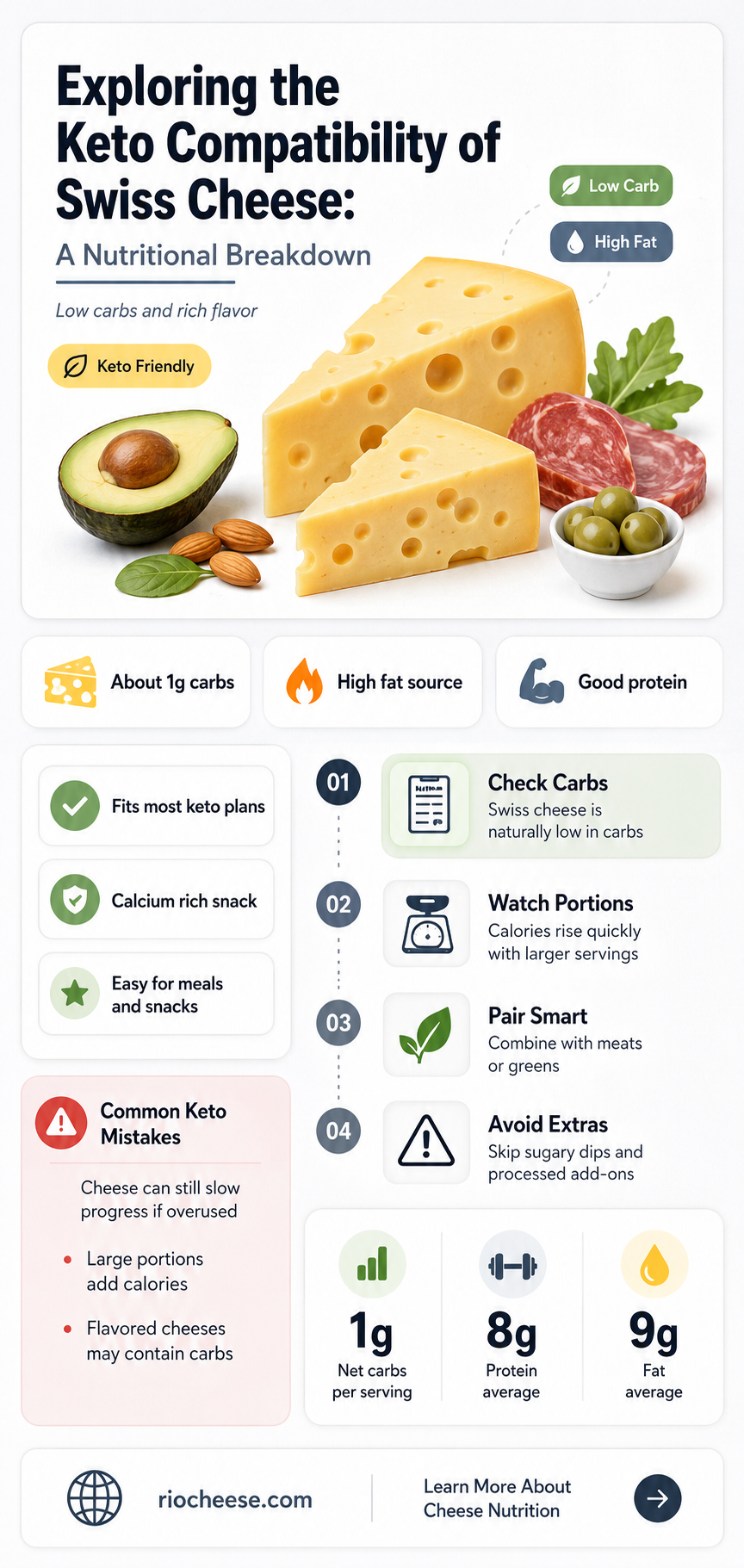
Swiss cheese is a popular choice for those following a ketogenic diet due to its low carbohydrate content and high fat content. The ketogenic diet, or keto diet, is a high-fat, low-carbohydrate diet that has been shown to help with weight loss and improve overall health. Swiss cheese is made from cow's milk and is known for its distinctive holes and mild flavor. It is a good source of protein, calcium, and other essential nutrients. However, it is important to note that not all types of Swiss cheese are keto-friendly, as some may contain added sugars or other ingredients that are not suitable for the diet. When choosing Swiss cheese for a keto diet, it is best to opt for full-fat, unsweetened varieties.
Explore related products



What You'll Learn
- Nutritional Profile: Swiss cheese's macronutrient breakdown, including protein, fat, and carbohydrate content, relevant to keto diets
- Carbohydrate Content: Detailed look at the carb count in Swiss cheese and how it fits within keto dietary limits
- Fat Composition: Analysis of the types of fats present in Swiss cheese and their suitability for a ketogenic diet
- Protein Quality: Evaluation of Swiss cheese as a protein source on keto, considering its amino acid profile
- Keto Recipes: Suggestions for incorporating Swiss cheese into keto-friendly meals and snacks

Nutritional Profile: Swiss cheese's macronutrient breakdown, including protein, fat, and carbohydrate content, relevant to keto diets
Swiss cheese is renowned for its distinctive holes and rich flavor, but its nutritional profile is equally noteworthy, especially for those following a ketogenic diet. A typical 100-gram serving of Swiss cheese contains approximately 27 grams of protein, 21 grams of fat, and 1.3 grams of carbohydrates. This macronutrient breakdown makes Swiss cheese an excellent choice for keto dieters, who aim to consume high amounts of fat, moderate protein, and very low carbohydrates.
The high protein content in Swiss cheese is beneficial for maintaining muscle mass and promoting satiety, which can help in managing overall calorie intake. Moreover, the fat content is predominantly saturated, which is not only safe for consumption in the context of a keto diet but also provides sustained energy and supports hormone production. The minimal carbohydrate content ensures that Swiss cheese does not significantly impact blood sugar levels, making it a suitable option for those looking to maintain ketosis.
In addition to its macronutrient profile, Swiss cheese is also a good source of various micronutrients, including calcium, phosphorus, and vitamins A and B12. These nutrients are essential for bone health, energy metabolism, and overall well-being, further enhancing the appeal of Swiss cheese as a keto-friendly food.
When incorporating Swiss cheese into a keto diet, it is important to consider portion sizes and overall dietary balance. While Swiss cheese can be a nutritious addition, it is also calorie-dense, so moderation is key. Pairing Swiss cheese with other low-carb, high-fat foods can help create a well-rounded and satisfying meal that aligns with keto dietary goals.
In summary, Swiss cheese offers a favorable macronutrient profile that aligns well with the requirements of a ketogenic diet. Its high protein and fat content, coupled with minimal carbohydrates, make it an ideal choice for those looking to maintain ketosis while enjoying a flavorful and nutritious food. By understanding the nutritional benefits and considering portion sizes, keto dieters can effectively incorporate Swiss cheese into their meal plans.
Exploring the Carb Content in Swiss Cheese: A Nutritional Breakdown
You may want to see also
Explore related products


Carbohydrate Content: Detailed look at the carb count in Swiss cheese and how it fits within keto dietary limits
Swiss cheese is a popular choice among those following a ketogenic diet due to its low carbohydrate content. A 1-ounce serving of Swiss cheese typically contains less than 1 gram of carbohydrates, making it an ideal snack or ingredient for keto dieters. The ketogenic diet, which aims to induce a state of ketosis by limiting carbohydrate intake to around 20-50 grams per day, can benefit from the inclusion of Swiss cheese as it provides a satiating and flavorful option without significantly impacting carb limits.
The low carb count in Swiss cheese is due to its high fat and protein content. A 1-ounce serving of Swiss cheese contains approximately 9 grams of fat and 8 grams of protein, which can help keep you feeling full and satisfied while adhering to keto dietary guidelines. Additionally, Swiss cheese is a good source of calcium, phosphorus, and vitamin A, making it a nutritious addition to a keto meal plan.
When incorporating Swiss cheese into a keto diet, it's important to be mindful of portion sizes. While a small serving of Swiss cheese is low in carbs, consuming larger amounts can quickly add up and exceed daily carb limits. It's also essential to pair Swiss cheese with other low-carb foods to maintain a balanced and varied diet. For example, combining Swiss cheese with vegetables, nuts, or seeds can create a satisfying and keto-friendly snack or meal.
In conclusion, Swiss cheese can be a delicious and nutritious addition to a ketogenic diet when consumed in moderation. Its low carbohydrate content, high fat and protein content, and rich nutrient profile make it a versatile and satisfying option for those following a keto lifestyle. By being mindful of portion sizes and pairing Swiss cheese with other low-carb foods, keto dieters can enjoy the benefits of this tasty cheese while staying within their dietary limits.
Are Swiss Cheese Plants Toxic to Dogs? A Pet Owner's Guide
You may want to see also
Explore related products


Fat Composition: Analysis of the types of fats present in Swiss cheese and their suitability for a ketogenic diet
Swiss cheese is renowned for its distinct flavor and texture, which are largely attributed to its fat composition. The fat content in Swiss cheese primarily consists of saturated fats, with a notable presence of medium-chain triglycerides (MCTs). These MCTs, particularly capric and caprylic acids, are known for their ability to be quickly metabolized by the liver, producing ketones that can be used as an energy source. This characteristic makes Swiss cheese a suitable option for individuals following a ketogenic diet, as it can help maintain ketosis.
In addition to saturated fats, Swiss cheese also contains a small amount of monounsaturated fats, which are considered heart-healthy fats. These fats can help reduce inflammation and improve cholesterol levels, contributing to overall cardiovascular health. However, it is essential to note that Swiss cheese is relatively high in calories and fat, so moderation is key when incorporating it into a ketogenic diet.
The suitability of Swiss cheese for a ketogenic diet also depends on the specific type and aging process. For instance, younger Swiss cheeses tend to have a higher moisture content and lower fat content compared to older, more aged varieties. Therefore, opting for older Swiss cheeses can provide a higher fat content, making them more aligned with the macronutrient requirements of a ketogenic diet.
When analyzing the fat composition of Swiss cheese, it is crucial to consider the potential impact on blood lipid levels. While the saturated fat content may raise concerns about increasing LDL cholesterol levels, the presence of MCTs and monounsaturated fats can help mitigate this effect. Moreover, the ketogenic diet's emphasis on high-fat, low-carbohydrate intake can lead to improved blood lipid profiles in many individuals.
In conclusion, the fat composition of Swiss cheese, characterized by its saturated fats, MCTs, and monounsaturated fats, makes it a suitable choice for a ketogenic diet. However, it is essential to consume it in moderation and consider the specific type and aging process to maximize its benefits while minimizing potential drawbacks.
The Aging Process of Swiss Cheese: A Comprehensive Guide
You may want to see also
Explore related products



Protein Quality: Evaluation of Swiss cheese as a protein source on keto, considering its amino acid profile
Swiss cheese is often touted as a high-quality protein source, particularly for those following a ketogenic diet. To evaluate its protein quality, we must delve into its amino acid profile. Amino acids are the building blocks of proteins, and their composition can significantly impact the nutritional value of a protein source. Swiss cheese is known for its rich content of essential amino acids, which are those that the body cannot synthesize on its own and must obtain through diet.
One of the key benefits of Swiss cheese's amino acid profile is its high content of branched-chain amino acids (BCAAs). BCAAs, which include leucine, isoleucine, and valine, are crucial for muscle protein synthesis and can help in maintaining muscle mass during periods of caloric restriction, such as when following a keto diet. Additionally, Swiss cheese contains a good balance of other essential amino acids, including lysine, threonine, and phenylalanine, which are important for various bodily functions, including collagen synthesis and neurotransmitter production.
However, it's also important to consider the fat content of Swiss cheese, as keto dieters often need to monitor their fat intake carefully. Swiss cheese is relatively high in fat, with a significant portion of it being saturated fat. While some saturated fats are necessary for health, excessive intake can lead to increased LDL cholesterol levels and other health issues. Therefore, it's crucial for keto dieters to consume Swiss cheese in moderation and balance it with other protein sources that are lower in fat.
In conclusion, Swiss cheese can be a valuable protein source on a keto diet due to its rich amino acid profile, particularly its high content of BCAAs. However, its fat content should be taken into consideration, and it should be consumed as part of a balanced diet that includes a variety of protein sources. By doing so, keto dieters can reap the benefits of Swiss cheese's protein quality while minimizing potential health risks associated with its fat content.
The Refrigeration Debate: Swiss Colony Cheese Storage Tips
You may want to see also
Explore related products

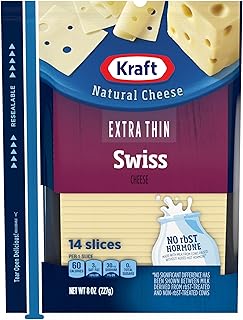


Keto Recipes: Suggestions for incorporating Swiss cheese into keto-friendly meals and snacks
Swiss cheese is a versatile ingredient that can be easily incorporated into a variety of keto-friendly meals and snacks. Its mild flavor and creamy texture make it a popular choice for those following a ketogenic diet. Here are some suggestions for incorporating Swiss cheese into your keto meal plan:
- Keto Grilled Cheese Sandwich: Use Swiss cheese as the star ingredient in a keto-friendly grilled cheese sandwich. Pair it with low-carb bread, such as almond flour bread, and add in some sliced avocado for extra creaminess and healthy fats.
- Swiss Cheese and Ham Roll-Ups: Roll slices of Swiss cheese with deli ham and a sprinkle of chopped nuts for a quick and easy keto snack. This combination provides a good balance of protein, fat, and minimal carbs.
- Keto Swiss Cheese Omelette: Add shredded Swiss cheese to your omelette for a rich and satisfying breakfast. Pair it with spinach and mushrooms for added nutrients and flavor.
- Swiss Cheese Keto Crackers: Make your own keto-friendly crackers using Swiss cheese, almond flour, and a touch of olive oil. These crackers are perfect for snacking on their own or paired with a keto-friendly dip.
- Keto Swiss Cheese Fondue: Enjoy a warm and comforting keto Swiss cheese fondue by melting Swiss cheese with heavy cream and a touch of garlic. Serve it with low-carb vegetables, such as broccoli and cauliflower, for dipping.
When incorporating Swiss cheese into your keto diet, it's important to keep track of your portion sizes and overall calorie intake. While Swiss cheese is low in carbs, it is high in calories and fat, so moderation is key. Additionally, be sure to choose full-fat Swiss cheese to maximize the health benefits and satiety it provides.
The Origins of Swiss Cheese: A Culinary Journey Through Switzerland
You may want to see also
Frequently asked questions
Yes, Swiss cheese is generally considered keto-friendly due to its low carbohydrate content and high fat and protein content, which align with the macronutrient requirements of a ketogenic diet.
Swiss cheese typically contains around 1-2 grams of carbohydrates per 100 grams, making it a low-carb option suitable for a keto diet.
Swiss cheese has a high fat content, usually ranging from 25-30 grams per 100 grams, which is beneficial for those following a ketogenic diet that emphasizes high-fat intake.
Generally, you can eat Swiss cheese on a keto diet without worrying about exceeding your carb limit, as it is very low in carbohydrates. However, it's always important to check the specific nutritional information of the product you're consuming and to monitor your overall daily carb intake.
Many types of cheese are keto-friendly due to their low carb and high fat content. Some examples include cheddar, mozzarella, and gouda. However, it's important to check the nutritional information of each type of cheese, as some may have slightly higher carb content than others.