Patrick Oconnell
Goat cheese is often considered a healthier alternative to cow's milk cheese due to its lower lactose content and distinct nutritional profile. When evaluating its impact on kidney and liver health, it's important to consider both its benefits and potential drawbacks. Goat cheese is rich in protein, calcium, and essential vitamins, which can support overall health, including kidney function. However, it also contains saturated fats and sodium, which should be consumed in moderation to avoid straining the kidneys and liver. Additionally, individuals with specific dietary restrictions or health conditions should consult with a healthcare professional before incorporating goat cheese into their diet.
Explore related products




What You'll Learn
- Nutritional Comparison: Analyzing the nutrient content of goat cheese versus other cheeses to determine its impact on kidney and liver health
- Lactose Content: Examining the lactose levels in goat cheese and how they affect individuals with lactose intolerance or sensitivities
- Protein and Mineral Benefits: Discussing the beneficial proteins and minerals found in goat cheese that may support kidney and liver function
- Fat Content and Its Effects: Evaluating the fat content of goat cheese and its implications for liver health and cholesterol levels
- Potential Health Risks: Identifying any potential risks associated with consuming goat cheese, particularly for individuals with pre-existing kidney or liver conditions

Nutritional Comparison: Analyzing the nutrient content of goat cheese versus other cheeses to determine its impact on kidney and liver health
Goat cheese is often touted for its health benefits, particularly in relation to kidney and liver function. To understand its impact, it's essential to compare its nutrient profile with that of other cheeses. Goat cheese is lower in calories and fat compared to many other types of cheese, which can be beneficial for overall health. It's also a good source of protein, which is important for maintaining muscle mass and supporting bodily functions.
One of the key nutrients in goat cheese is calcium, which plays a crucial role in bone health and can also help to regulate blood pressure. Goat cheese also contains phosphorus, which is necessary for bone and teeth formation, as well as for energy production. However, it's important to note that excessive phosphorus intake can be detrimental to kidney health, so moderation is key.
In comparison to other cheeses, goat cheese tends to be lower in sodium. High sodium intake can lead to increased blood pressure and put a strain on the kidneys, so choosing a lower-sodium option like goat cheese can be beneficial. Additionally, goat cheese contains probiotics, which can support gut health and potentially have a positive impact on liver function.
When considering the impact of goat cheese on kidney and liver health, it's also important to think about portion sizes. While goat cheese can be a healthier option than some other cheeses, it should still be consumed in moderation as part of a balanced diet. Overconsumption of any type of cheese can lead to weight gain and put additional strain on the kidneys and liver.
In conclusion, goat cheese can be a beneficial addition to a healthy diet due to its lower calorie and fat content, as well as its nutrient profile. However, it's important to consume it in moderation and as part of a balanced diet to ensure optimal kidney and liver health.
Exploring the Inflammatory Effects of Goat Cheese: A Comprehensive Guide
You may want to see also
Explore related products



Lactose Content: Examining the lactose levels in goat cheese and how they affect individuals with lactose intolerance or sensitivities
Goat cheese is often considered a healthier alternative to cow's milk cheese, particularly for those with lactose intolerance or sensitivities. This is because goat cheese typically contains lower levels of lactose compared to cow's milk cheese. Lactose is a sugar found in milk and dairy products, and individuals with lactose intolerance lack the enzyme lactase, which is necessary to digest lactose properly. As a result, consuming high-lactose foods can lead to symptoms such as bloating, gas, and diarrhea.
The lactose content in goat cheese can vary depending on the specific type and brand. On average, goat cheese contains about 0.5 to 1.5 grams of lactose per ounce, while cow's milk cheese can contain anywhere from 2 to 6 grams of lactose per ounce. This lower lactose content makes goat cheese a more suitable option for individuals with lactose intolerance or sensitivities.
However, it's important to note that goat cheese may not be completely lactose-free, and some individuals with severe lactose intolerance may still experience symptoms after consuming it. Additionally, goat cheese can be higher in fat and calories than cow's milk cheese, so it's essential to consume it in moderation as part of a balanced diet.
In terms of kidney and liver health, goat cheese can be a good choice due to its lower lactose content and potential benefits. Some studies suggest that goat milk and goat cheese may contain compounds that can help protect against kidney stones and support liver function. However, more research is needed to fully understand these potential benefits and how they may vary depending on individual health conditions and dietary needs.
Overall, when considering the lactose content of goat cheese and its impact on individuals with lactose intolerance or sensitivities, it's clear that goat cheese can be a suitable alternative to cow's milk cheese. However, it's crucial to be mindful of portion sizes and to consult with a healthcare professional or registered dietitian to determine the best dietary choices for individual needs and health conditions.
Goat Cheese vs. Goat Milk: Which One Reigns Supreme?
You may want to see also
Explore related products



Protein and Mineral Benefits: Discussing the beneficial proteins and minerals found in goat cheese that may support kidney and liver function
Goat cheese is renowned for its rich nutritional profile, particularly in terms of proteins and minerals that are essential for various bodily functions. One of the key proteins found in goat cheese is casein, which is known for its slow digestion rate. This slow release of amino acids can help in maintaining a steady supply of nutrients to the kidneys and liver, supporting their function over an extended period. Additionally, goat cheese contains whey protein, which is easily digestible and provides a quick source of essential amino acids that these organs require for detoxification and repair processes.
In terms of minerals, goat cheese is an excellent source of calcium, which plays a crucial role in maintaining the structural integrity of the kidneys and liver. It also contains phosphorus, which is vital for the proper functioning of these organs, as it helps in the filtration and excretion processes. The presence of magnesium in goat cheese further supports kidney and liver health by aiding in the regulation of electrolyte balance and enzyme function.
Moreover, goat cheese is lower in sodium compared to many other cheeses, which can be beneficial for individuals with kidney issues, as excessive sodium intake can lead to increased blood pressure and strain on the kidneys. The lower sodium content in goat cheese makes it a suitable option for those looking to manage their kidney health through dietary modifications.
It is also worth noting that goat cheese contains probiotics, which can contribute to a healthy gut microbiome. A balanced gut flora is essential for overall health, including the proper functioning of the kidneys and liver, as it aids in the digestion and absorption of nutrients, as well as the detoxification of harmful substances.
In conclusion, the proteins and minerals found in goat cheese can provide significant benefits for kidney and liver function. The slow-digesting casein, easily digestible whey protein, and essential minerals like calcium, phosphorus, and magnesium work together to support the health of these vital organs. Furthermore, the lower sodium content and presence of probiotics in goat cheese make it a nutritious choice for individuals looking to maintain or improve their kidney and liver health.
Exploring the Effects of Goat Cheese on GERD: A Comprehensive Guide
You may want to see also
Explore related products

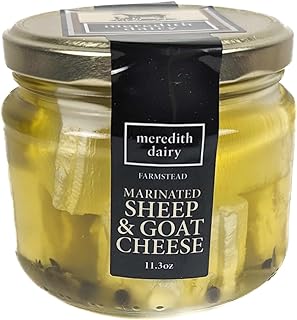


Fat Content and Its Effects: Evaluating the fat content of goat cheese and its implications for liver health and cholesterol levels
Goat cheese is known for its distinct flavor and creamy texture, but its fat content is a crucial factor to consider when evaluating its health implications. Compared to other cheeses, goat cheese generally has a lower fat content, which can be beneficial for individuals monitoring their calorie intake or managing conditions related to high cholesterol. However, the type of fat in goat cheese is equally important. It contains a significant amount of saturated fat, which, when consumed in excess, can contribute to increased cholesterol levels and potentially harm liver health.
The liver plays a vital role in metabolizing fats and maintaining healthy cholesterol levels. Consuming foods high in saturated fats can lead to the accumulation of low-density lipoprotein (LDL) cholesterol, often referred to as "bad" cholesterol, which can increase the risk of cardiovascular diseases and liver conditions such as fatty liver disease. While goat cheese does contain some unsaturated fats, which are generally considered healthier, the predominance of saturated fats means that moderation is key when incorporating it into a balanced diet.
Research suggests that the impact of goat cheese on liver health and cholesterol levels can vary depending on the individual's overall diet and lifestyle. For those who are otherwise healthy and consume a balanced diet rich in fruits, vegetables, whole grains, and lean proteins, occasional consumption of goat cheese is unlikely to have significant negative effects. However, individuals with pre-existing liver conditions or high cholesterol should be more cautious and consult with a healthcare professional to determine the appropriate amount of goat cheese to include in their diet.
In conclusion, while goat cheese can be a flavorful addition to a balanced diet, its fat content, particularly the saturated fat, must be considered in the context of overall dietary habits and health conditions. Moderation and awareness of individual health needs are essential to enjoying goat cheese without compromising liver health or cholesterol levels.
Exploring Dairy Alternatives: Is Goat Cheese AIP-Friendly?
You may want to see also
Explore related products


Potential Health Risks: Identifying any potential risks associated with consuming goat cheese, particularly for individuals with pre-existing kidney or liver conditions
Individuals with pre-existing kidney or liver conditions should be cautious when consuming goat cheese due to its high sodium content. Sodium is essential for maintaining fluid balance in the body, but excessive intake can lead to fluid retention, which may exacerbate kidney and liver problems. Goat cheese, like many other cheeses, can be high in sodium, and those with kidney or liver issues should monitor their intake closely.
Another potential risk associated with goat cheese consumption is the presence of saturated fats. While goat cheese is often lower in saturated fats compared to some other cheeses, it still contains a significant amount. High intake of saturated fats can contribute to increased cholesterol levels, which may further strain the liver and kidneys. Individuals with pre-existing conditions should consider choosing lower-fat varieties of goat cheese or limiting their portion sizes.
Goat cheese also contains purines, which are natural substances found in many foods. However, purines can be problematic for individuals with kidney issues, as they can lead to an increase in uric acid levels. Elevated uric acid levels can contribute to kidney stone formation and may worsen existing kidney problems. Those with kidney conditions should be mindful of their purine intake and consult with a healthcare professional to determine if goat cheese is a suitable choice for their diet.
In addition to these potential risks, individuals with kidney or liver conditions should also be aware of the possibility of foodborne illnesses. Goat cheese, like any other dairy product, can be contaminated with harmful bacteria if not properly handled or stored. Those with compromised immune systems, such as individuals with kidney or liver disease, may be more susceptible to foodborne illnesses and should take extra precautions when consuming goat cheese.
To minimize the potential health risks associated with consuming goat cheese, individuals with pre-existing kidney or liver conditions should consult with a healthcare professional or a registered dietitian. These professionals can provide personalized advice on portion sizes, types of goat cheese to choose, and other dietary considerations to help manage their condition effectively.
The Aging Process of Goat Cheese: A Delicious Journey
You may want to see also
Frequently asked questions
Goat cheese is generally considered to be a better option for kidney health compared to other types of cheese. This is because goat cheese is lower in sodium and phosphorus, which are minerals that can be harmful to kidney function when consumed in excess. Additionally, goat cheese contains less saturated fat than many other cheeses, which can help reduce the risk of heart disease and other health problems that can affect kidney function.
Goat cheese can be a good choice for liver health because it is lower in saturated fat and cholesterol than many other types of cheese. High levels of saturated fat and cholesterol can contribute to liver disease and other health problems. However, it is important to consume goat cheese in moderation as part of a balanced diet, as excessive consumption of any type of cheese can lead to weight gain and other health issues that can negatively impact liver function.
Goat cheese has several health benefits beyond its positive effects on kidney and liver health. It is a good source of protein, calcium, and other essential nutrients. Goat cheese is also easier to digest than many other types of cheese, making it a good option for people with lactose intolerance or other digestive issues. Additionally, goat cheese has a distinct flavor that can add variety and interest to a healthy diet.
While goat cheese has many health benefits, there are some potential drawbacks to consider. Goat cheese can be high in calories, so it is important to consume it in moderation as part of a balanced diet. Additionally, some people may be allergic to goat cheese or may experience digestive issues if they consume too much. It is also important to choose high-quality goat cheese that is made from pasteurized milk to reduce the risk of foodborne illness.


![Organic Goat Cheese is a healthy alternative to cow's milk cheese. Made in Wisconsin from locally sourced fresh goat's milk, the cheese can be enjoyed on its own, in a salad or heated in other dishes. [ 11 oz , 0.68 lb ]](https://m.media-amazon.com/images/I/41+dpFjDq0L._AC_UL320_.jpg)