Kamil Perry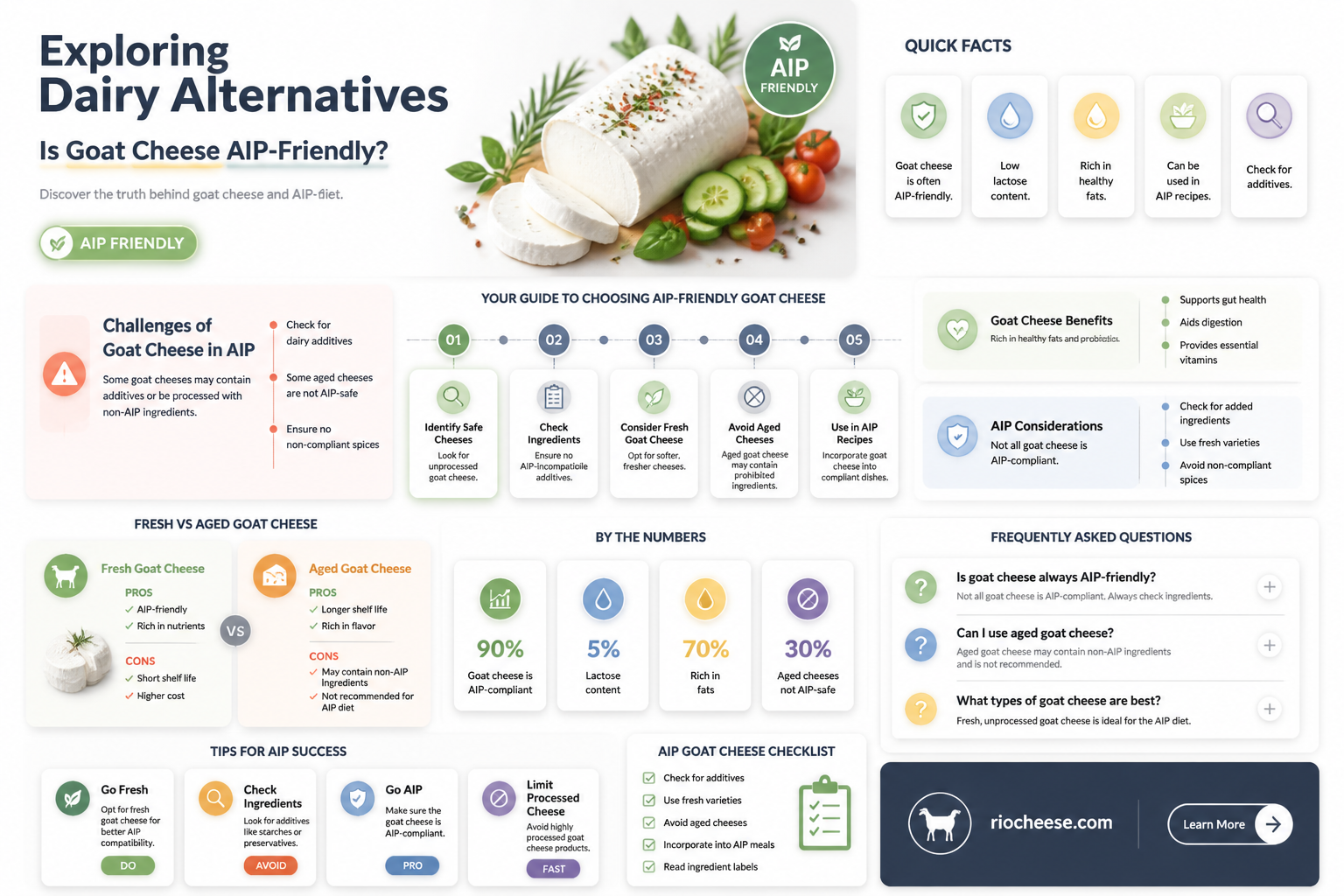
The Autoimmune Protocol (AIP) diet is a restrictive eating plan designed to help manage autoimmune diseases by reducing inflammation and promoting gut health. One of the key aspects of the AIP diet is the elimination of certain foods that may trigger immune responses or contribute to inflammation. Dairy products, including cheese, are typically removed from the diet due to their potential to cause digestive issues and immune reactions. Goat cheese, while often considered a healthier alternative to cow's milk cheese, is also subject to these restrictions. Therefore, it is generally not allowed on the AIP diet. However, individual tolerance and specific dietary needs can vary, so some people may choose to reintroduce goat cheese in moderation after consulting with a healthcare professional.
Explore related products




What You'll Learn
- AIP Diet Overview: Brief explanation of the Autoimmune Protocol diet and its purpose
- Goat Cheese Nutritional Profile: Key nutrients found in goat cheese and their potential health impacts
- Dairy in AIP: General guidelines on dairy consumption within the AIP diet framework
- Goat Cheese as an Exception: Specific considerations that might allow goat cheese in an AIP diet
- Alternatives to Goat Cheese: Suggested substitutes for those avoiding goat cheese on AIP

AIP Diet Overview: Brief explanation of the Autoimmune Protocol diet and its purpose
The Autoimmune Protocol (AIP) diet is a dietary approach designed to help manage autoimmune diseases by reducing inflammation and promoting gut health. It involves the elimination of certain foods that are believed to trigger autoimmune responses, while focusing on nutrient-dense, whole foods that support overall health. The AIP diet is not a one-size-fits-all approach; rather, it is tailored to individual needs and may vary depending on the specific autoimmune condition being addressed.
One of the key components of the AIP diet is the elimination phase, during which potentially inflammatory foods are removed from the diet for a period of time. This phase typically lasts for 30 to 60 days and is followed by a reintroduction phase, where foods are gradually added back into the diet to assess tolerance. Foods that are commonly eliminated during the AIP diet include grains, legumes, dairy, eggs, nuts, seeds, and processed foods. Instead, the diet emphasizes the consumption of meats, fish, vegetables, fruits, and healthy fats.
The purpose of the AIP diet is to help reduce symptoms of autoimmune diseases, improve overall health, and promote a better quality of life. By focusing on nutrient-dense foods and eliminating potential triggers, the AIP diet aims to support the body's natural healing processes and reduce inflammation. While the AIP diet is not a cure for autoimmune diseases, it can be a valuable tool in managing symptoms and improving overall well-being.
In the context of the question "is goat cheese allowed on aip," it is important to note that dairy products, including goat cheese, are typically eliminated during the AIP diet. This is because dairy can be a source of inflammation and may trigger autoimmune responses in some individuals. However, the AIP diet is highly individualized, and some people may be able to tolerate small amounts of dairy or reintroduce it after the elimination phase. It is always recommended to consult with a healthcare professional or a registered dietitian before making any significant changes to your diet, especially if you have an autoimmune condition.
Exploring Dairy Alternatives: Is Goat Cheese Paleo-Friendly?
You may want to see also
Explore related products


Goat Cheese Nutritional Profile: Key nutrients found in goat cheese and their potential health impacts
Goat cheese is a nutrient-dense food that offers a variety of key nutrients essential for overall health. One of the most significant nutrients found in goat cheese is calcium, which is crucial for maintaining strong bones and teeth. Additionally, goat cheese is a good source of protein, which is essential for muscle growth and repair. It also contains vitamins A and B12, which are important for maintaining healthy skin and supporting the immune system.
Another important nutrient found in goat cheese is phosphorus, which plays a critical role in energy production and cell growth. Goat cheese also contains magnesium, which is essential for muscle and nerve function, as well as potassium, which helps regulate blood pressure and supports healthy heart function. Furthermore, goat cheese is a good source of probiotics, which are beneficial bacteria that support gut health and aid in digestion.
The nutritional profile of goat cheese makes it a potentially beneficial food for those following an autoimmune protocol (AIP) diet. The AIP diet is designed to reduce inflammation and support immune function, and foods rich in nutrients like calcium, protein, and probiotics can be particularly helpful in achieving these goals. However, it's important to note that individual tolerance to goat cheese may vary, and some people may need to avoid it due to lactose intolerance or other dietary restrictions.
In summary, goat cheese is a nutrient-rich food that can provide a variety of health benefits, particularly for those following an AIP diet. Its high content of calcium, protein, vitamins, and probiotics make it a valuable addition to a balanced diet. However, as with any food, it's important to consider individual dietary needs and restrictions before incorporating goat cheese into your diet.
Exploring the pH Balance: Is Goat Cheese Alkaline or Acidic?
You may want to see also
Explore related products



Dairy in AIP: General guidelines on dairy consumption within the AIP diet framework
The Autoimmune Protocol (AIP) diet is a restrictive eating plan designed to help manage autoimmune diseases by reducing inflammation and promoting gut health. Dairy products, including goat cheese, are often a topic of discussion within the AIP community due to their potential impact on autoimmune conditions.
In general, the AIP diet recommends avoiding all dairy products for at least 30 days to assess individual tolerance. This is because dairy can contain compounds that may exacerbate inflammation and autoimmune responses in some individuals. However, after the initial elimination period, some people may be able to reintroduce certain dairy products, including goat cheese, in moderation.
Goat cheese, in particular, is sometimes considered a better option than cow's milk cheese for those following the AIP diet. This is because goat milk is easier to digest and contains different proteins and fats that may be less likely to trigger an immune response. Additionally, goat cheese is often lower in lactose than cow's milk cheese, which can be beneficial for individuals with lactose intolerance.
When reintroducing goat cheese or any other dairy product into the AIP diet, it is important to do so gradually and monitor for any adverse reactions. Some individuals may find that they can tolerate small amounts of goat cheese without issue, while others may need to continue avoiding it altogether.
In conclusion, while the AIP diet generally recommends avoiding dairy products, including goat cheese, some individuals may be able to reintroduce them in moderation after an initial elimination period. It is important to listen to your body and monitor for any adverse reactions when reintroducing dairy products into your diet.
Explore related products


Goat Cheese as an Exception: Specific considerations that might allow goat cheese in an AIP diet
In the context of an Autoimmune Protocol (AIP) diet, dairy products are typically avoided due to their potential to trigger autoimmune responses. However, goat cheese stands out as a possible exception due to its unique nutritional profile and lower lactose content compared to cow's milk cheeses. This section explores the specific considerations that might allow goat cheese to be included in an AIP diet.
One key factor to consider is the lower lactose content in goat cheese. Lactose is a sugar found in milk that can be difficult for some individuals to digest, particularly those with lactose intolerance. Since goat cheese contains less lactose than cow's milk cheeses, it may be better tolerated by individuals following an AIP diet who are sensitive to lactose.
Another consideration is the higher content of medium-chain fatty acids (MCFAs) in goat cheese. MCFAs are a type of saturated fat that is easily metabolized by the body and has been shown to have anti-inflammatory properties. This could make goat cheese a beneficial addition to an AIP diet, which aims to reduce inflammation and support overall health.
Additionally, goat cheese is a good source of protein, calcium, and other essential nutrients. These nutrients are important for maintaining strong bones and supporting various bodily functions, which can be particularly beneficial for individuals with autoimmune conditions who may be at risk for nutrient deficiencies.
However, it is important to note that not all individuals following an AIP diet will tolerate goat cheese well. Some people may still experience adverse reactions, such as digestive issues or increased inflammation, when consuming goat cheese. Therefore, it is recommended to introduce goat cheese gradually and in small amounts to assess individual tolerance.
In conclusion, while goat cheese is not universally allowed on an AIP diet, its unique nutritional profile and potential health benefits make it a consideration for some individuals. Those following an AIP diet should consult with a healthcare professional or registered dietitian to determine if goat cheese is a suitable addition to their specific dietary needs.
Explore related products



Alternatives to Goat Cheese: Suggested substitutes for those avoiding goat cheese on AIP
For individuals following the Autoimmune Protocol (AIP) diet, dairy products, including goat cheese, are often eliminated due to their potential to trigger autoimmune responses. However, this doesn't mean that those on AIP have to forego all cheesy delights. There are several alternatives to goat cheese that can be incorporated into an AIP-friendly diet, providing similar textures and flavors without the autoimmune risks associated with dairy.
One popular substitute is cashew cheese, which is made by blending soaked cashews with lemon juice, water, and salt. This creamy, tangy cheese can be used in a variety of dishes, from salads to sandwiches, and even as a spread. Another option is coconut cheese, which is made from the meat of coconuts and has a slightly sweet, nutty flavor. Coconut cheese can be shredded and used as a topping for tacos or nachos, or melted and used in place of goat cheese in recipes.
For those looking for a more traditional cheese flavor, there are several AIP-friendly cheese alternatives made from nuts and seeds. Brands like Daiya and Follow Your Heart offer a range of dairy-free cheese products that are free from common allergens and additives. These cheeses can be used in place of goat cheese in recipes, providing a similar melt and stretch without the autoimmune risks.
When choosing an alternative to goat cheese on AIP, it's important to consider the ingredients and preparation methods. Some cheese alternatives may contain additives or preservatives that are not AIP-friendly, so it's essential to read labels carefully. Additionally, some individuals may find that certain nuts or seeds trigger autoimmune responses, so it's important to experiment with different alternatives to find what works best for each individual.
In conclusion, while goat cheese is not allowed on AIP due to its potential to trigger autoimmune responses, there are several delicious and nutritious alternatives available. By exploring different options and considering individual needs and preferences, those on AIP can still enjoy the flavors and textures of cheese without compromising their health goals.
Frequently asked questions
No, goat cheese is not allowed on the AIP diet. The AIP diet eliminates all dairy products, including cheese, to reduce inflammation and support gut health.
Some AIP-friendly alternatives to goat cheese include coconut cream, cashew cream, and avocado. These options can provide a similar creamy texture and flavor without the dairy.
Dairy, including goat cheese, is excluded from the AIP diet because it can trigger inflammation and immune responses in individuals with autoimmune conditions. The AIP diet aims to reduce these triggers to support overall health.
It's generally recommended to avoid goat cheese completely while following the AIP diet. Even occasional consumption can potentially trigger inflammation and counteract the diet's intended benefits.
To ensure adequate calcium intake on the AIP diet, focus on consuming bone-in meats, leafy green vegetables, and fortified foods. Additionally, supplements can be considered if necessary, but it's always best to consult with a healthcare professional.


![Organic Goat Cheese is a healthy alternative to cow's milk cheese. Made in Wisconsin from locally sourced fresh goat's milk, the cheese can be enjoyed on its own, in a salad or heated in other dishes. [ 11 oz , 0.68 lb ]](https://m.media-amazon.com/images/I/41+dpFjDq0L._AC_UL320_.jpg)