Frederic Melton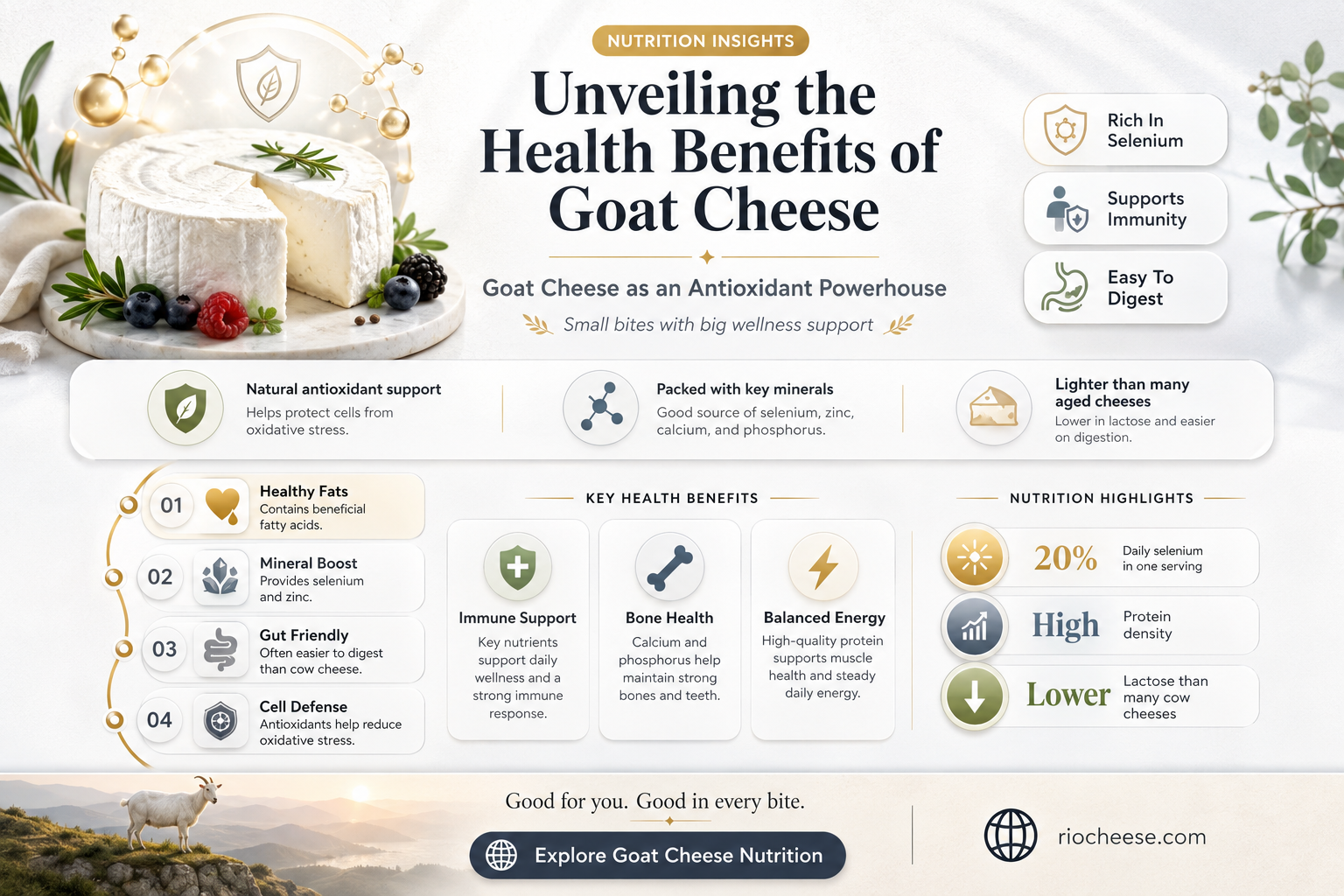
Goat cheese, a popular dairy product made from goat's milk, is known for its distinct flavor and creamy texture. It's often used in various culinary dishes, from salads to desserts. But beyond its taste and versatility, goat cheese is also valued for its potential health benefits. One of the key questions surrounding this cheese is whether it possesses antioxidant properties. Antioxidants are substances that help protect our cells from damage caused by free radicals, which are unstable molecules that can lead to chronic diseases and aging. In this context, understanding whether goat cheese can contribute to our antioxidant intake is an important aspect of evaluating its overall nutritional value.
Explore related products




What You'll Learn
- Nutritional Content: Goat cheese's nutritional profile, including its vitamin and mineral content, which may contribute to antioxidant properties
- Antioxidant Properties: Specific antioxidants found in goat cheese, such as conjugated linoleic acid (CLA) and vitamins E and A
- Health Benefits: Potential health benefits of consuming goat cheese due to its antioxidant content, like reducing inflammation and improving heart health
- Comparative Analysis: How goat cheese's antioxidant content compares to other dairy products and foods known for their antioxidant properties
- Incorporation into Diet: Ways to include goat cheese in a balanced diet to maximize its potential antioxidant benefits

Nutritional Content: Goat cheese's nutritional profile, including its vitamin and mineral content, which may contribute to antioxidant properties
Goat cheese boasts a rich nutritional profile that sets it apart from other dairy products. One of its key features is its high content of vitamins A and E, both of which are potent antioxidants. Vitamin A helps protect cells from damage caused by free radicals, while vitamin E is known for its ability to combat oxidative stress. Additionally, goat cheese is a good source of minerals like selenium and zinc, which also have antioxidant properties. Selenium helps to neutralize free radicals and may reduce the risk of certain cancers, while zinc supports the immune system and aids in wound healing.
The antioxidant properties of goat cheese can be attributed to its unique composition of fatty acids. Goat cheese contains a higher proportion of medium-chain fatty acids (MCFAs) compared to cow's milk cheese. MCFAs are more easily metabolized by the body and have been shown to have anti-inflammatory and antioxidant effects. Furthermore, goat cheese is lower in saturated fats and cholesterol than many other cheeses, making it a heart-healthy option.
It's important to note that the nutritional content of goat cheese can vary depending on the type and production method. For example, some goat cheeses may be fortified with additional vitamins or minerals, while others may be made with milk from goats that have been fed a specific diet. When choosing goat cheese for its antioxidant properties, it's best to opt for varieties that are made from high-quality, pasture-raised goat milk.
Incorporating goat cheese into your diet can be a delicious way to boost your antioxidant intake. However, it's essential to consume it in moderation as part of a balanced diet. Goat cheese is still a source of calories and fat, and excessive consumption can lead to weight gain and other health issues. A serving size of goat cheese is typically around 1 ounce (28 grams), which provides a good amount of antioxidants without overdoing it on calories.
Overall, goat cheese can be a valuable addition to an antioxidant-rich diet. Its unique nutritional profile, including its high content of vitamins A and E, selenium, and zinc, makes it a potent source of antioxidants. By choosing high-quality goat cheese and consuming it in moderation, you can enjoy its delicious taste while reaping the benefits of its antioxidant properties.
Exploring the Origins: Is Goat Cheese Truly Alpine?
You may want to see also
Explore related products


Antioxidant Properties: Specific antioxidants found in goat cheese, such as conjugated linoleic acid (CLA) and vitamins E and A
Goat cheese is known for its distinct flavor and creamy texture, but it also boasts a range of health benefits, particularly its antioxidant properties. Antioxidants are crucial for neutralizing free radicals in the body, which can cause cellular damage and contribute to chronic diseases. Among the various antioxidants found in goat cheese, conjugated linoleic acid (CLA) stands out for its potential health benefits. CLA is a type of fatty acid that has been linked to reduced inflammation, improved immune function, and a lower risk of certain cancers.
In addition to CLA, goat cheese is a good source of vitamins E and A, both of which have potent antioxidant effects. Vitamin E helps protect cells from damage caused by free radicals, while vitamin A plays a role in maintaining healthy skin, vision, and immune function. These antioxidants work synergistically to provide a comprehensive defense against oxidative stress in the body.
The antioxidant properties of goat cheese make it a valuable addition to a balanced diet. Consuming foods rich in antioxidants can help mitigate the effects of aging, reduce the risk of chronic diseases, and promote overall health and well-being. Goat cheese, with its unique combination of CLA, vitamin E, and vitamin A, offers a delicious and nutritious way to incorporate these beneficial compounds into your diet.
When considering the antioxidant content of goat cheese, it's important to note that the quality and source of the cheese can impact its nutritional value. Opting for high-quality, pasture-raised goat cheese can ensure that you're getting the maximum antioxidant benefits. Additionally, incorporating goat cheese into a diet rich in fruits, vegetables, and other antioxidant-dense foods can further enhance its health-promoting effects.
In summary, goat cheese is not only a tasty and versatile food but also a potent source of antioxidants. By including goat cheese in your diet, you can enjoy its unique flavor while reaping the numerous health benefits provided by its antioxidant properties.
Whole30 and Goat Cheese: A Match Made in Dietary Heaven?
You may want to see also
Explore related products


Health Benefits: Potential health benefits of consuming goat cheese due to its antioxidant content, like reducing inflammation and improving heart health
Goat cheese, a culinary delight enjoyed by many, boasts an array of potential health benefits due to its antioxidant content. Antioxidants are compounds that help protect our cells from damage caused by free radicals, which are unstable molecules that can lead to inflammation and various diseases. The antioxidants found in goat cheese, such as vitamin E, beta-carotene, and lutein, play a crucial role in neutralizing these harmful free radicals.
One of the key health benefits of consuming goat cheese is its potential to reduce inflammation. Chronic inflammation is linked to numerous health issues, including heart disease, diabetes, and certain cancers. The antioxidants in goat cheese can help combat this inflammation by inhibiting the activity of pro-inflammatory enzymes and reducing the production of inflammatory cytokines.
In addition to its anti-inflammatory properties, goat cheese may also contribute to improved heart health. The antioxidants present in goat cheese can help protect against oxidative stress, which is a major contributor to cardiovascular disease. By reducing oxidative stress, goat cheese may help lower the risk of heart disease and stroke.
Furthermore, goat cheese is a good source of conjugated linoleic acid (CLA), a type of fatty acid that has been shown to have anti-inflammatory and antioxidant properties. CLA may also help improve body composition by reducing body fat and increasing lean muscle mass.
It is important to note that while goat cheese can be a healthy addition to a balanced diet, it should be consumed in moderation due to its high fat and calorie content. Individuals with lactose intolerance or those following a vegan diet should also be cautious when consuming goat cheese.
In conclusion, goat cheese is not only a delicious and versatile food, but it also offers potential health benefits due to its antioxidant content. By incorporating goat cheese into a balanced diet, individuals may be able to reduce inflammation, improve heart health, and support overall well-being.
Exploring Dairy Alternatives: Is Goat Cheese AIP-Friendly?
You may want to see also
Explore related products


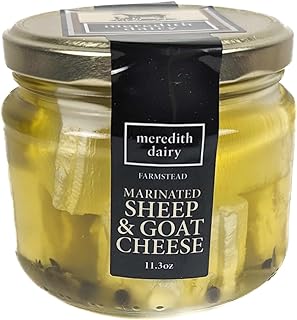
![Organic Goat Cheese is a healthy alternative to cow's milk cheese. Made in Wisconsin from locally sourced fresh goat's milk, the cheese can be enjoyed on its own, in a salad or heated in other dishes. [ 11 oz , 0.68 lb ]](https://m.media-amazon.com/images/I/41+dpFjDq0L._AC_UL320_.jpg)
Comparative Analysis: How goat cheese's antioxidant content compares to other dairy products and foods known for their antioxidant properties
Goat cheese, a popular dairy alternative, is often touted for its potential health benefits, including its antioxidant content. But how does it stack up against other dairy products and foods known for their antioxidant properties? A comparative analysis reveals some interesting insights.
Firstly, it's important to note that goat cheese does contain antioxidants, albeit in smaller amounts than some other foods. The primary antioxidants found in goat cheese are vitamin E, vitamin C, and beta-carotene. These compounds help to neutralize free radicals in the body, which can contribute to oxidative stress and various health issues.
When compared to other dairy products, goat cheese tends to have a higher antioxidant content than cow's milk cheese. This is likely due to the fact that goats are often fed a diet rich in plants, which are known to be high in antioxidants. Additionally, goat cheese is typically lower in fat and calories than cow's milk cheese, making it a healthier option overall.
However, when compared to other foods known for their antioxidant properties, such as berries, nuts, and leafy greens, goat cheese falls short. For example, a 100-gram serving of blueberries contains approximately 9.2 mmol of antioxidants, while a 100-gram serving of goat cheese contains only about 0.5 mmol. This means that while goat cheese can contribute to your overall antioxidant intake, it should not be relied upon as a primary source.
In conclusion, goat cheese does have some antioxidant properties, but it is not as rich in antioxidants as some other foods. When considering its overall nutritional profile, goat cheese can be a healthy addition to a balanced diet, but it should be consumed in moderation and in conjunction with other antioxidant-rich foods.
The Aging Process of Goat Cheese: A Delicious Journey
You may want to see also
Explore related products


Incorporation into Diet: Ways to include goat cheese in a balanced diet to maximize its potential antioxidant benefits
To maximize the potential antioxidant benefits of goat cheese, it's essential to incorporate it thoughtfully into a balanced diet. One effective way to do this is by using goat cheese as a protein-rich alternative in meals that traditionally feature higher-fat meats. For instance, crumbled goat cheese can be added to salads, providing a creamy texture and tangy flavor while also boosting the dish's antioxidant profile. Additionally, goat cheese can be used as a spread on whole-grain crackers or bread, offering a healthier snack option that combines complex carbohydrates with beneficial fats and antioxidants.
Another strategy for incorporating goat cheese into a balanced diet is to use it in cooking. Goat cheese can be melted into sauces or casseroles, adding depth of flavor and a nutritional boost. It can also be used as a topping for baked dishes, such as roasted vegetables or fish, enhancing both the taste and the antioxidant content of the meal. When cooking with goat cheese, it's important to choose recipes that allow the cheese to retain its nutritional value, avoiding excessive heat or prolonged cooking times that could degrade its antioxidant properties.
For those looking to increase their intake of goat cheese's potential antioxidants, it's also beneficial to consider portion sizes and frequency of consumption. While goat cheese can be a healthy addition to the diet, it is still a source of calories and fat. Therefore, it's advisable to consume it in moderation, perhaps limiting servings to a few times per week. Additionally, pairing goat cheese with other antioxidant-rich foods, such as berries, nuts, or leafy greens, can create synergistic effects, enhancing the overall antioxidant impact of the meal.
Incorporating goat cheese into a balanced diet can also involve exploring different varieties and flavors. Some goat cheeses are infused with herbs or spices, which can add additional health benefits and flavor complexity. For example, a goat cheese with rosemary or thyme may offer extra antioxidant properties from the herbs. By experimenting with various types of goat cheese, individuals can find options that not only suit their taste preferences but also maximize the potential antioxidant benefits they receive.
Ultimately, the key to incorporating goat cheese into a balanced diet for its antioxidant benefits lies in mindful consumption and creative culinary use. By choosing recipes that highlight the cheese's nutritional properties, controlling portion sizes, and combining it with other antioxidant-rich foods, individuals can enjoy the delicious taste of goat cheese while also reaping its potential health rewards.
Exploring Dairy Alternatives: Is Goat Cheese Paleo-Friendly?
You may want to see also
Frequently asked questions
Goat cheese is not typically classified as an antioxidant. Antioxidants are substances that can prevent or slow damage to cells caused by free radicals, which are unstable molecules that the body produces as a reaction to environmental and other pressures. While goat cheese does contain some beneficial nutrients like calcium and protein, it does not have significant antioxidant properties.
Antioxidants are found in many foods, particularly fruits and vegetables. Some common examples include:
- Vitamin C, found in citrus fruits, berries, and leafy greens
- Vitamin E, found in nuts, seeds, and vegetable oils
- Beta-carotene, found in carrots, sweet potatoes, and spinach
- Lycopene, found in tomatoes, watermelon, and grapefruit
- Flavonoids, found in chocolate, red wine, and various fruits and vegetables
Incorporating more antioxidants into your diet can be as simple as adding more fruits and vegetables to your meals. Here are some tips:
- Eat a variety of colorful fruits and vegetables each day
- Include nuts and seeds in your snacks or meals
- Use herbs and spices, which are also rich in antioxidants
- Consider drinking green tea or black tea, which contain antioxidants
- Limit processed foods and opt for whole, unprocessed foods whenever possible