Kamil Perry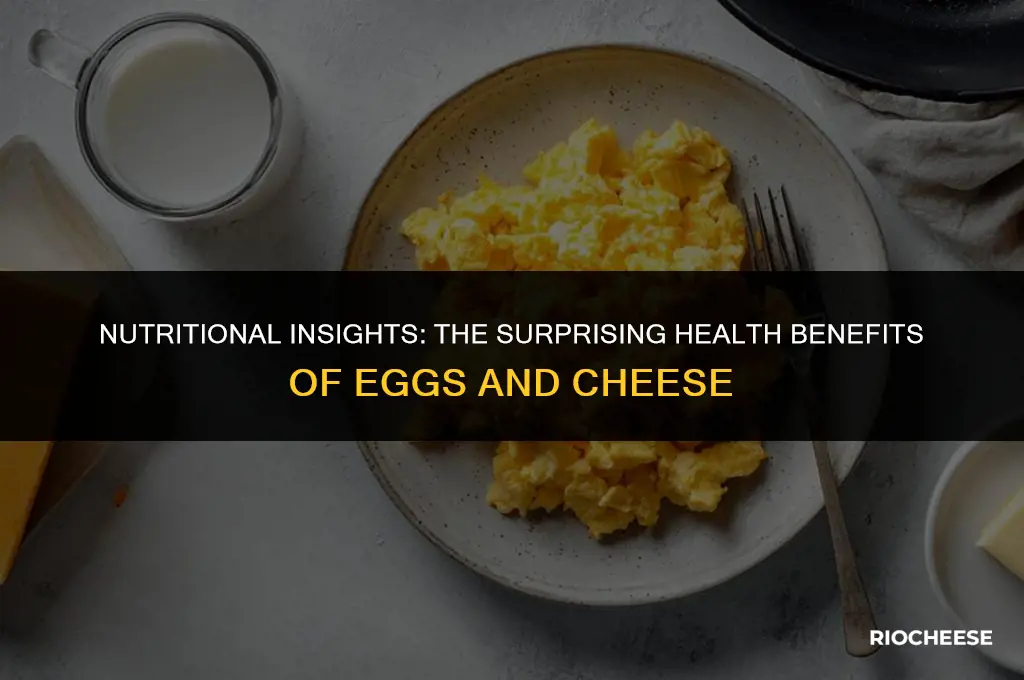
When considering the health benefits of egg and cheese, it's important to examine the nutritional content of both foods. Eggs are a rich source of high-quality protein, vitamins, and minerals, including vitamin D, B vitamins, and selenium. They also contain healthy fats, such as monounsaturated and polyunsaturated fats, which can help improve heart health. Cheese, on the other hand, is a good source of calcium, protein, and vitamins A and B12. However, it can also be high in saturated fat and sodium, which may contribute to health issues if consumed in excess. Therefore, while both egg and cheese can be part of a healthy diet, it's essential to consume them in moderation and balance them with other nutrient-dense foods.
Explore related products


What You'll Learn
- Nutritional Benefits: Eggs and cheese are rich in protein, vitamins, and minerals essential for overall health
- Calorie Content: Both foods are calorie-dense, so portion control is crucial for weight management
- Fat Content: Eggs and cheese contain saturated fats, which should be consumed in moderation to maintain heart health
- Cholesterol Levels: Eggs are high in cholesterol, while cheese varies; monitoring intake is important for cardiovascular health
- Dietary Restrictions: Individuals with lactose intolerance or egg allergies should avoid these foods or opt for alternatives

Nutritional Benefits: Eggs and cheese are rich in protein, vitamins, and minerals essential for overall health
Eggs and cheese are nutritional powerhouses, offering a wealth of essential nutrients that support various bodily functions. One of the primary benefits of these foods is their high protein content. Protein is a macronutrient that plays a crucial role in building and repairing tissues, producing enzymes and hormones, and maintaining healthy skin, hair, and nails. Eggs, in particular, are an excellent source of complete protein, containing all nine essential amino acids that the body cannot produce on its own. Cheese, while also a good source of protein, tends to be higher in fat and calories, so moderation is key.
In addition to protein, eggs and cheese are rich in vitamins and minerals. Eggs are an excellent source of vitamin D, which is essential for bone health and immune function. They also contain significant amounts of vitamin B12, which is important for nerve function and the production of red blood cells. Cheese, on the other hand, is a good source of calcium, which is vital for strong bones and teeth. It also contains vitamin A, which supports healthy vision and immune function.
When considering the nutritional benefits of eggs and cheese, it's important to note that they can also be high in saturated fat and cholesterol. However, recent research suggests that the cholesterol in eggs does not significantly raise blood cholesterol levels in most people. Cheese, while high in saturated fat, also contains conjugated linoleic acid (CLA), which has been shown to have potential health benefits, including reducing body fat and improving immune function.
To maximize the nutritional benefits of eggs and cheese, it's important to consume them as part of a balanced diet. Eggs can be prepared in a variety of ways, including scrambled, fried, poached, or boiled. Cheese can be enjoyed on its own, added to sandwiches or salads, or used as a topping for baked potatoes or pasta dishes. When choosing cheese, opt for varieties that are lower in fat and sodium, such as part-skim mozzarella or reduced-fat cheddar.
In conclusion, eggs and cheese are nutritious foods that offer a range of health benefits. They are rich in protein, vitamins, and minerals that are essential for overall health. While they can be high in saturated fat and cholesterol, consuming them in moderation as part of a balanced diet can help maximize their nutritional value.
Exploring Pimento Cheese: A Tasty Aid in Your Weight Loss Journey?
You may want to see also
Explore related products




Calorie Content: Both foods are calorie-dense, so portion control is crucial for weight management
Eggs and cheese are both nutrient-rich foods that can be part of a healthy diet when consumed in moderation. However, they are also calorie-dense, meaning they contain a high number of calories per serving. This can make portion control challenging, especially for individuals who are trying to manage their weight.
One large egg contains approximately 70-80 calories, while one ounce of cheese can range from 80-120 calories, depending on the type. These calorie counts can quickly add up, especially if you're not paying attention to your serving sizes. For example, a three-egg omelet with cheese can easily exceed 300 calories, which is a significant portion of the daily calorie intake recommended for weight maintenance or loss.
To enjoy eggs and cheese as part of a healthy diet, it's essential to practice mindful portion control. This can involve using smaller plates and bowls, measuring out your servings, and being aware of your hunger and fullness cues. Additionally, incorporating more low-calorie, nutrient-dense foods into your meals, such as vegetables and whole grains, can help balance out the calorie density of eggs and cheese.
It's also important to consider the overall nutritional profile of your diet. While eggs and cheese are high in calories, they are also good sources of protein, vitamins, and minerals. By ensuring that you're getting a balanced mix of nutrients from a variety of foods, you can enjoy eggs and cheese as part of a healthy, satisfying diet without compromising your weight management goals.
In summary, while eggs and cheese can be a nutritious addition to your diet, their calorie density requires careful portion control, especially for those managing their weight. By being mindful of your serving sizes and balancing your diet with a variety of nutrient-dense foods, you can enjoy these delicious and nutritious foods without derailing your health goals.
Exploring the Nutritional Benefits of Violife Cheese: A Healthy Alternative?
You may want to see also
Explore related products





Fat Content: Eggs and cheese contain saturated fats, which should be consumed in moderation to maintain heart health
Eggs and cheese are often touted for their high protein content and various essential nutrients. However, they also contain significant amounts of saturated fats, which have been a topic of concern for heart health. Saturated fats are known to raise LDL (low-density lipoprotein) cholesterol levels, which can increase the risk of heart disease and stroke when consumed in excess.
The American Heart Association recommends limiting the intake of saturated fats to less than 6% of total daily calories. For someone on a 2,000 calorie diet, this translates to about 13 grams of saturated fats per day. One large egg contains approximately 1.5 grams of saturated fats, while an ounce of cheddar cheese contains about 6.5 grams. Therefore, consuming eggs and cheese in moderation is crucial to maintaining a heart-healthy diet.
It's important to note that not all fats in eggs and cheese are saturated. Both foods also contain monounsaturated and polyunsaturated fats, which can have beneficial effects on heart health. For example, the monounsaturated fats in cheese may help to lower LDL cholesterol levels and reduce the risk of heart disease. Similarly, the polyunsaturated fats in eggs, particularly omega-3 fatty acids, have been shown to improve heart health by reducing inflammation and lowering triglyceride levels.
To enjoy the benefits of eggs and cheese while minimizing the risks associated with saturated fats, it's essential to practice portion control. Incorporating these foods into a balanced diet that includes plenty of fruits, vegetables, whole grains, and lean proteins can help to ensure that you're getting the nutrients you need without overdoing it on saturated fats. Additionally, choosing lower-fat options, such as egg whites or reduced-fat cheese, can be a helpful strategy for reducing saturated fat intake.
In conclusion, while eggs and cheese can be part of a healthy diet, it's important to be mindful of their saturated fat content and consume them in moderation. By balancing your diet and making smart choices, you can enjoy the nutritional benefits of these foods while supporting your heart health.
Unraveling the Nutritional Truth: Is Velveeta Cheese a Healthy Choice?
You may want to see also
Explore related products

![Goodles Cheddy Mac Creamy Cheddar and Macaroni Pasta - Nutrient Packed with Real Cheese, Fiber, Protein, Prebiotics, Plants, & Vegetables | Non-GMO, Organic Ingredients [Cheddy Mac, 6 oz. 1 Pack]](https://m.media-amazon.com/images/I/71WpxmocD7L._AC_UL320_.jpg)


Cholesterol Levels: Eggs are high in cholesterol, while cheese varies; monitoring intake is important for cardiovascular health
Cholesterol is a waxy substance found in the blood, and while it's essential for building cells, high levels can increase the risk of heart disease. Eggs are a significant source of dietary cholesterol, with one large egg containing about 186 milligrams. This has led to concerns about the impact of egg consumption on cholesterol levels and cardiovascular health. However, research suggests that for most people, the cholesterol in eggs does not significantly raise blood cholesterol levels.
Cheese, on the other hand, can vary widely in its cholesterol content depending on the type. Hard cheeses like cheddar and Swiss tend to have higher cholesterol levels, while softer cheeses like mozzarella and feta have less. A 1-ounce serving of cheddar cheese, for example, contains about 30 milligrams of cholesterol, whereas the same amount of mozzarella contains only about 10 milligrams.
Monitoring cholesterol intake is crucial for maintaining cardiovascular health, especially for individuals who have been diagnosed with high cholesterol or heart disease. The American Heart Association recommends limiting dietary cholesterol to no more than 300 milligrams per day for most people, and to no more than 200 milligrams per day for those with high cholesterol or heart disease.
When considering the health impact of eggs and cheese, it's essential to look at the bigger picture of one's diet. Both eggs and cheese can be part of a healthy diet when consumed in moderation and balanced with other nutrient-dense foods. Eggs are an excellent source of protein, vitamins, and minerals, while cheese provides calcium, protein, and other essential nutrients.
In conclusion, while eggs and cheese do contain cholesterol, their impact on blood cholesterol levels and cardiovascular health is more complex than simply looking at their cholesterol content. By monitoring portion sizes and balancing these foods with other healthy choices, most people can enjoy eggs and cheese as part of a nutritious diet.
Unveiling the Nutritional Truth: Is Romano Cheese a Healthy Choice?
You may want to see also
Explore related products


Dietary Restrictions: Individuals with lactose intolerance or egg allergies should avoid these foods or opt for alternatives
Individuals with lactose intolerance or egg allergies must navigate dietary restrictions carefully to avoid adverse health reactions. Lactose intolerance, a condition where the body lacks sufficient lactase enzyme to digest lactose, commonly found in dairy products, can lead to gastrointestinal discomfort, bloating, and diarrhea when consuming foods like cheese. Similarly, egg allergies can cause a range of reactions from mild hives to severe anaphylaxis upon ingestion of egg proteins.
To manage these dietary restrictions, individuals should first identify foods that trigger their symptoms. For those with lactose intolerance, this includes various dairy products such as milk, yogurt, and cheese. Egg-allergic individuals need to avoid foods containing egg whites, egg yolks, or egg-derived ingredients like albumen, globulin, and lecithin. Reading food labels meticulously and consulting with a healthcare provider or registered dietitian can aid in creating a safe and balanced diet plan.
Fortunately, numerous alternatives are available for those with lactose intolerance or egg allergies. Lactose-free dairy products, made by adding lactase enzyme to break down lactose, offer a suitable option. Plant-based milk substitutes like almond, soy, or oat milk provide additional choices. For egg allergies, egg replacers made from plant-based ingredients or modified egg proteins can be used in cooking and baking. These alternatives allow individuals to enjoy a variety of foods without compromising their health.
In addition to avoiding trigger foods and incorporating alternatives, individuals with dietary restrictions should focus on maintaining a well-rounded diet. This includes consuming a variety of fruits, vegetables, whole grains, lean proteins, and healthy fats to ensure adequate nutrient intake. For example, incorporating leafy greens, nuts, and legumes can provide essential nutrients like calcium, protein, and vitamins that might otherwise be obtained from dairy and eggs.
Ultimately, managing dietary restrictions due to lactose intolerance or egg allergies requires vigilance, education, and creativity. By understanding their condition, identifying safe foods, and exploring alternatives, individuals can maintain a healthy and enjoyable diet while avoiding potential health risks.
The Nutritional Scoop: Is Cheese Popcorn a Healthy Snack?
You may want to see also
Frequently asked questions
Eggs and cheese can be part of a healthy breakfast when consumed in moderation. Eggs are a great source of protein and essential nutrients, while cheese provides calcium and additional protein. However, it's important to balance this combination with whole grains and vegetables to ensure a well-rounded meal.
Compared to other breakfast options like cereal or pastries, eggs and cheese offer a higher protein content and fewer carbohydrates. This can help keep you feeling fuller for longer and provide sustained energy throughout the morning. However, it's essential to consider portion sizes and overall dietary balance.
Regular consumption of eggs and cheese can lead to increased intake of saturated fats and cholesterol, which may pose health risks if consumed excessively. It's recommended to limit the intake of these foods and opt for healthier alternatives like whole grains, fruits, and vegetables to maintain a balanced diet.