Andy Montoya
Cheese is a popular dairy product known for its rich flavor and versatility in various dishes. However, for individuals following low-carbohydrate diets, such as keto or Atkins, the question of whether cheese is high in carbs is a common concern. The answer lies in the fact that cheese is primarily composed of fat and protein, with minimal carbohydrate content. Most types of cheese contain less than 1 gram of carbohydrates per ounce, making them a suitable choice for low-carb diets. Nevertheless, it's essential to note that some cheeses, like cottage cheese and ricotta, may have slightly higher carb counts due to their unique production processes. Overall, cheese can be a delicious and nutritious addition to a low-carb meal plan when consumed in moderation.
Explore related products


What You'll Learn
- Nutritional Content: Cheese's macronutrient profile, including carb count, protein, and fat content
- Types of Cheese: Carb content variations among different cheese types (e.g., cheddar, mozzarella, feta)
- Dietary Considerations: Impact of cheese on low-carb diets like keto, and its role in weight management
- Health Benefits: Potential health advantages of cheese consumption, such as calcium content and probiotic benefits
- Culinary Uses: Ways to incorporate cheese into meals while managing carb intake, including recipes and serving suggestions

Nutritional Content: Cheese's macronutrient profile, including carb count, protein, and fat content
Cheese is a dairy product known for its rich flavor and versatility in various cuisines. From a nutritional standpoint, cheese is primarily composed of protein, fat, and carbohydrates. The macronutrient profile of cheese can vary significantly depending on the type and production method. For instance, hard cheeses like Parmesan and Cheddar tend to have lower carbohydrate content compared to softer cheeses like Brie or Camembert.
Protein content in cheese is generally high, making it an excellent source of this essential nutrient. On average, a 100-gram serving of cheese can provide anywhere from 20 to 30 grams of protein. This protein is primarily in the form of casein, which is known for its slow digestion rate, making cheese a good option for sustained energy release.
Fat content in cheese also varies widely, with some cheeses being quite high in fat, particularly saturated fat. For example, a 100-gram serving of cheese can contain anywhere from 20 to 40 grams of fat, with some cheeses like Roquefort or Gorgonzola having even higher fat content. It's important to note that while cheese can be high in fat, it also provides essential fatty acids and fat-soluble vitamins like vitamin A and vitamin D.
Carbohydrate content in cheese is generally lower compared to protein and fat. Most cheeses contain less than 5 grams of carbohydrates per 100-gram serving. However, some cheeses, especially those that are aged or have added ingredients, can have slightly higher carbohydrate content. For individuals following a low-carb diet, it's essential to choose cheeses with lower carbohydrate content and to monitor portion sizes.
In conclusion, while cheese can be high in fat and protein, its carbohydrate content is generally low, making it a suitable option for those looking to reduce their carbohydrate intake. However, it's crucial to choose the right type of cheese and to consume it in moderation as part of a balanced diet.
Sonic Cheese Sticks: A Tempting Treat with a Carb Count Twist
You may want to see also
Explore related products


Types of Cheese: Carb content variations among different cheese types (e.g., cheddar, mozzarella, feta)
Cheese enthusiasts often find themselves pondering the carbohydrate content of their favorite dairy products, particularly when following low-carb diets. While cheese is generally considered a low-carb food, there are notable variations in carb content among different types. For instance, cheddar cheese contains approximately 0.8 grams of carbs per ounce, making it a popular choice for those monitoring their carbohydrate intake.
Mozzarella, on the other hand, has a slightly higher carb content, with around 1.2 grams per ounce. This difference may seem minimal, but for individuals strictly limiting their carb consumption, it's essential to be aware of these variations. Feta cheese, known for its tangy flavor and crumbly texture, falls on the lower end of the carb spectrum, with about 0.6 grams per ounce.
It's crucial to note that these values can vary depending on the specific brand and production method. Additionally, some cheeses may contain small amounts of lactose, a natural sugar found in milk, which can contribute to the overall carb content. For those with lactose intolerance or following a ketogenic diet, it's advisable to opt for cheeses with lower lactose levels, such as aged cheddar or Parmesan.
When selecting cheese for a low-carb diet, it's also important to consider the fat content, as some high-fat cheeses may contain more calories than their lower-fat counterparts. Balancing fat and carb content can be key to maintaining a healthy and satisfying diet while still enjoying the rich flavors of various cheese types.
Delicious Dilemma: Is Pimento Cheese a Low-Carb Delight?
You may want to see also
Explore related products
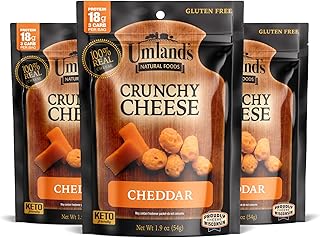


Dietary Considerations: Impact of cheese on low-carb diets like keto, and its role in weight management
Cheese is often a topic of debate in the context of low-carb diets such as keto. While it is generally low in carbohydrates, its high fat and calorie content can impact weight management goals if not consumed in moderation. For individuals following a ketogenic diet, cheese can be a valuable source of protein and healthy fats, helping to promote satiety and support the body's transition into a state of ketosis. However, it is crucial to choose the right types of cheese and monitor portion sizes to avoid exceeding daily calorie and macronutrient targets.
When considering the impact of cheese on weight management, it is essential to look at the bigger picture of an individual's overall diet and lifestyle. Cheese can be a part of a healthy, balanced diet when consumed mindfully and in conjunction with other nutrient-dense foods. It is important to note that not all cheeses are created equal – some varieties are higher in fat and calories than others. Opting for lower-fat cheese options or using cheese as a flavor enhancer rather than a main component of meals can help individuals maintain a healthy weight while still enjoying the taste and nutritional benefits of cheese.
In the context of low-carb diets like keto, cheese can play a role in supporting weight loss efforts by providing a satisfying and filling snack option. However, it is crucial to be mindful of portion sizes and to balance cheese consumption with other low-carb, high-protein foods to ensure a well-rounded and nutritious diet. Additionally, individuals should be aware of any potential food sensitivities or allergies to dairy products, as these can impact the suitability of cheese as a dietary staple.
Ultimately, the impact of cheese on low-carb diets and weight management depends on a variety of factors, including individual dietary needs, preferences, and goals. By making informed choices and consuming cheese in moderation, individuals can enjoy the benefits of this versatile food while still maintaining a healthy and balanced diet.
Unveiling the Carb Count: A Whopper with Cheese Breakdown
You may want to see also
Explore related products


Health Benefits: Potential health advantages of cheese consumption, such as calcium content and probiotic benefits
Cheese, a dairy product rich in nutrients, offers several health benefits that make it a valuable addition to a balanced diet. One of the primary advantages of cheese consumption is its high calcium content. Calcium is essential for maintaining strong bones and teeth, and it plays a crucial role in muscle function and nerve transmission. A diet adequate in calcium can help prevent osteoporosis, a condition characterized by brittle and fragile bones. Cheese varieties such as cheddar, Swiss, and Parmesan are particularly high in calcium, making them excellent choices for individuals looking to boost their calcium intake.
In addition to calcium, cheese is also a good source of probiotics, which are beneficial bacteria that promote gut health. Probiotics can aid in digestion, enhance the immune system, and even contribute to mental health by reducing stress and anxiety. Certain types of cheese, such as Gouda, Edam, and Kefir cheese, contain higher levels of probiotics due to the fermentation process used in their production. Including these probiotic-rich cheeses in your diet can help support a healthy gut microbiome.
Cheese also provides a significant amount of protein, which is vital for building and repairing tissues in the body. Protein-rich diets can aid in weight management by promoting feelings of fullness and reducing overall calorie intake. Furthermore, cheese contains essential vitamins and minerals, including vitamin B12, riboflavin, and zinc, which support various bodily functions and contribute to overall health.
However, it is important to consume cheese in moderation due to its high fat and calorie content. Choosing lower-fat cheese options or limiting portion sizes can help individuals enjoy the health benefits of cheese without excessive calorie intake. Additionally, individuals with lactose intolerance or dairy allergies should be cautious when consuming cheese and may need to opt for lactose-free or dairy-free alternatives.
In conclusion, cheese offers numerous health benefits, including its high calcium and probiotic content, making it a nutritious choice for many individuals. By incorporating cheese into a balanced diet and being mindful of portion sizes, people can enjoy the potential health advantages that cheese has to offer.
Unraveling the Mystery: Carbs in Cheese Explained
You may want to see also
Explore related products


Culinary Uses: Ways to incorporate cheese into meals while managing carb intake, including recipes and serving suggestions
Cheese can be a versatile ingredient in low-carb cooking, adding flavor and texture without significantly increasing carbohydrate content. For those managing their carb intake, it's essential to choose the right types of cheese and incorporate them thoughtfully into meals. Here are some culinary uses and serving suggestions to help you enjoy cheese while keeping carbs in check:
- Cheese as a Protein Source: Many types of cheese are high in protein and low in carbs, making them an excellent choice for those following a ketogenic or low-carb diet. Opt for full-fat, aged cheeses like cheddar, Swiss, or Parmesan, which tend to have lower carb counts compared to softer, fresher cheeses.
- Cheese in Salads: Add crumbled or shredded cheese to salads for a creamy, savory element. Pair it with leafy greens, nuts, and a low-carb dressing to create a satisfying meal. For example, a Caesar salad with romaine lettuce, Parmesan cheese, and a homemade dressing made with olive oil, lemon juice, and Dijon mustard is both delicious and low in carbs.
- Cheese as a Topping: Use cheese as a topping for low-carb vegetables like broccoli, cauliflower, or zucchini. Simply steam or roast the vegetables and sprinkle grated cheese on top for a comforting, cheesy side dish. You can also use cheese as a topping for low-carb soups, like a broccoli cheddar soup made with cream and minimal vegetables.
- Cheese in Casseroles: Incorporate cheese into low-carb casseroles for a hearty, family-friendly meal. Try a cauliflower and cheese casserole, where steamed cauliflower florets are mixed with a creamy cheese sauce and baked until golden and bubbly. This dish is not only low in carbs but also packed with nutrients.
- Cheese Snacks: Enjoy cheese as a standalone snack, paired with low-carb accompaniments like celery sticks, cucumber slices, or cherry tomatoes. You can also roll cheese slices with deli meats like turkey or ham for a protein-packed, low-carb snack.
- Cheese in Baked Goods: Use cheese in low-carb baked goods, such as cheese muffins or bread. Almond flour or coconut flour can be used as a substitute for traditional wheat flour, creating a delicious and low-carb alternative to classic cheese bread.
When incorporating cheese into your low-carb meals, remember to keep portion sizes in mind. While cheese is low in carbs, it can be high in calories and fat. Enjoy it in moderation as part of a balanced, low-carb diet.
The Nutritional Lowdown: Carbs and Sugar in Cheese Explained
You may want to see also
Frequently asked questions
Cheese is generally low in carbohydrates. Most types of cheese contain very few carbs, making them a popular choice for low-carb and ketogenic diets. However, it's important to check the specific type of cheese, as some varieties may have slightly higher carb content.
A typical serving of cheese, which is about 1 ounce (28 grams), usually contains less than 1 gram of carbohydrates. Some cheeses, like mozzarella and cheddar, can have as little as 0.5 grams of carbs per serving.
Yes, there are some types of cheese that have a higher carbohydrate content compared to others. For example, cottage cheese and ricotta cheese tend to have more carbs than harder cheeses like cheddar or mozzarella. Additionally, flavored or processed cheeses may also contain added sugars or starches, increasing their carb content.