Randy Chandler
Cheese is a beloved food item that has sparked debates among health enthusiasts and nutritionists alike. One of the most common questions surrounding cheese is whether it can be considered a carbohydrate. To answer this question, we need to delve into the nutritional composition of cheese and understand how it fits into the broader context of macronutrients. Cheese is primarily made up of milk proteins, fats, and some lactose, which is a type of sugar. While cheese does contain a small amount of carbohydrates, mainly in the form of lactose, it is generally considered a low-carb food due to its high protein and fat content. This makes cheese a popular choice for those following low-carb diets, such as the ketogenic diet. However, it's essential to note that not all cheeses are created equal, and some varieties may contain more carbohydrates than others.
Explore related products


What You'll Learn

Nutritional content of cheese
Cheese is a dairy product that is rich in nutrients, including protein, calcium, and vitamins. However, it is also high in fat and calories, which can make it a less-than-ideal choice for those watching their weight or managing their cholesterol levels. One of the key nutrients found in cheese is protein, which is essential for building and repairing tissues in the body. Cheese also contains calcium, which is important for strong bones and teeth, as well as vitamins A and B12, which are necessary for maintaining healthy skin and red blood cells, respectively.
The nutritional content of cheese can vary depending on the type of cheese and how it is produced. For example, hard cheeses like Parmesan and cheddar tend to be higher in protein and calcium than soft cheeses like Brie and Camembert. Additionally, cheeses that are aged for longer periods of time tend to have a stronger flavor and a higher concentration of nutrients.
When it comes to carbohydrates, cheese does contain a small amount of lactose, which is a type of sugar found in milk. However, the amount of lactose in cheese is typically very low, and it is not considered a significant source of carbohydrates in the diet. In fact, many people who are lactose intolerant can still consume cheese without experiencing any adverse effects.
It is important to note that while cheese can be a nutritious addition to a balanced diet, it should be consumed in moderation due to its high fat and calorie content. The American Heart Association recommends limiting saturated fat intake to no more than 5-6% of total daily calories, and cheese can be a significant source of saturated fat. Therefore, it is important to balance cheese consumption with other nutrient-dense foods, such as fruits, vegetables, whole grains, and lean proteins.
In conclusion, cheese is a nutrient-rich food that can provide a variety of health benefits when consumed in moderation. While it does contain a small amount of lactose, it is not considered a significant source of carbohydrates in the diet. As with any food, it is important to consider the overall nutritional profile and balance cheese consumption with other healthy foods to maintain a well-rounded diet.
Delicious Broccoli Cheese Soup: A Low-Carb Comfort Food Delight
You may want to see also
Explore related products


Carbohydrate classification
Carbohydrates are macronutrients found in many foods, and they are classified into several categories based on their chemical structure and how they are digested by the body. The primary categories of carbohydrates include simple sugars, complex carbohydrates, and fiber. Simple sugars, also known as monosaccharides, are the most basic form of carbohydrates and include glucose, fructose, and galactose. These sugars are quickly absorbed by the body and provide a rapid source of energy.
Complex carbohydrates, on the other hand, are made up of multiple sugar molecules linked together. They are further classified into two subcategories: disaccharides and polysaccharides. Disaccharides, such as sucrose, lactose, and maltose, are composed of two sugar molecules, while polysaccharides, like starch, glycogen, and cellulose, consist of many sugar molecules. Complex carbohydrates are digested more slowly than simple sugars, providing a more sustained release of energy.
Fiber is a type of carbohydrate that the body cannot digest. It is classified into two types: soluble and insoluble fiber. Soluble fiber dissolves in water and forms a gel-like substance in the digestive tract, helping to regulate blood sugar levels and lower cholesterol. Insoluble fiber adds bulk to the stool and promotes regular bowel movements. Foods high in fiber include fruits, vegetables, whole grains, and legumes.
When considering whether cheese is a carbohydrate, it is important to note that cheese is primarily a source of protein and fat. While some cheeses may contain small amounts of carbohydrates, particularly in the form of lactose, they are generally not considered a significant source of carbs. For individuals following a low-carbohydrate diet, cheese can be a suitable option as long as it is consumed in moderation and the overall daily carbohydrate intake is monitored.
Exploring the Carb Content in Swiss Cheese: A Nutritional Breakdown
You may want to see also
Explore related products




Cheese and low-carb diets
Cheese is often a topic of debate in the context of low-carb diets. While it is generally considered a low-carb food, the carb content can vary significantly depending on the type of cheese. For instance, hard cheeses like cheddar and parmesan typically contain less than 1 gram of carbs per ounce, making them suitable for strict low-carb diets like keto. On the other hand, softer cheeses and processed cheese products may contain higher amounts of carbs due to added sugars and starches.
One unique angle to consider is the impact of cheese on blood sugar levels in individuals following low-carb diets. Despite its low carb content, cheese can still cause a slight increase in blood sugar due to its high protein and fat content, which can stimulate insulin release. However, this effect is generally minimal and cheese can still be included in a balanced low-carb diet when consumed in moderation.
Another important consideration is the potential for cheese to contribute to weight gain if not consumed mindfully. While cheese is nutrient-dense and can be a healthy addition to a low-carb diet, it is also calorie-dense. Overconsumption of cheese can lead to an excess calorie intake, potentially hindering weight loss efforts. To mitigate this risk, it is advisable to portion cheese carefully and balance it with other low-carb, high-fiber foods like vegetables and nuts.
In terms of practical tips, individuals on low-carb diets should opt for full-fat, unprocessed cheeses to minimize carb intake and maximize nutritional benefits. Additionally, incorporating a variety of cheeses can help prevent boredom and ensure a diverse intake of nutrients. It is also worth noting that some cheeses, like blue cheese and feta, are naturally lower in carbs and can be enjoyed in larger quantities compared to higher-carb options like mozzarella or provolone.
Overall, cheese can be a valuable component of a low-carb diet when consumed in moderation and balanced with other nutrient-dense foods. By understanding the nuances of cheese's carb content and its effects on blood sugar and weight management, individuals can make informed choices to support their dietary goals.
Unveiling the Carb Count: A Quarter Pounder with Cheese Breakdown
You may want to see also
Explore related products


Glycemic index of cheese
Cheese, a beloved dairy product, often sparks curiosity regarding its carbohydrate content and its effect on blood sugar levels. The glycemic index (GI) is a measure that ranks foods based on how quickly they raise blood glucose levels. Foods with a high GI cause a rapid spike in blood sugar, while those with a low GI lead to a more gradual increase. Cheese, in general, has a low glycemic index, making it a favorable choice for individuals monitoring their blood sugar levels.
The GI of cheese varies depending on the type. For instance, cheddar cheese has a GI of around 2, which is considered very low. This means that consuming cheddar cheese is unlikely to cause a significant rise in blood glucose levels. Other types of cheese, such as mozzarella and feta, also have low GI values, typically ranging from 1 to 3. However, it's essential to note that the GI can be influenced by factors such as the cheese's ripeness and fat content.
Despite its low GI, cheese is not entirely devoid of carbohydrates. It contains a small amount of lactose, a type of sugar found in milk. The lactose content in cheese can vary, with softer cheeses like brie and camembert having slightly higher lactose levels compared to harder cheeses like parmesan and aged cheddar. For individuals with lactose intolerance, consuming cheese with lower lactose content is generally better tolerated.
In the context of a balanced diet, cheese can be a nutritious addition, providing protein, calcium, and other essential nutrients. However, it's crucial to consume cheese in moderation, as it is also high in saturated fat and calories. For those managing diabetes or following a low-carb diet, incorporating cheese with a low GI can be a suitable option, but portion control is key.
In summary, cheese has a low glycemic index, making it a good choice for those monitoring their blood sugar levels. The GI can vary slightly among different types of cheese, and factors such as ripeness and fat content can influence these values. While cheese does contain some carbohydrates in the form of lactose, its overall impact on blood glucose levels is minimal when consumed in moderation.
Exploring the Low-Carb Landscape: Where Does Feta Cheese Fit?
You may want to see also
Explore related products

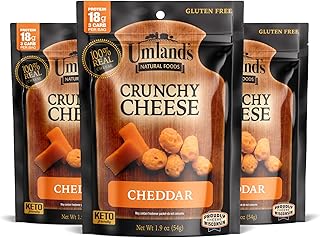


Cheese alternatives for carb-conscious individuals
For individuals following a low-carb diet, cheese can be a tricky food to navigate. While it's generally low in carbohydrates, some types of cheese can still contain a significant amount of carbs, making it difficult to stay within daily limits. Fortunately, there are several cheese alternatives available that are specifically designed for carb-conscious individuals.
One popular option is almond cheese, which is made from almond flour and often contains less than 1 gram of carbohydrates per serving. Another choice is coconut cheese, which is made from coconut oil and has a similar texture to traditional cheese but with virtually no carbs. Additionally, there are several brands of cheese that offer low-carb varieties, such as Sargento's Carb Balance cheese, which contains 1-2 grams of carbs per serving.
When choosing a cheese alternative, it's important to consider the nutritional content beyond just carbohydrates. Some alternatives may be high in fat or calories, so it's essential to read labels and compare nutritional information. Additionally, the taste and texture of cheese alternatives can vary significantly, so it may be necessary to try several options to find one that suits individual preferences.
Incorporating cheese alternatives into a low-carb diet can be a great way to enjoy the flavors and textures of cheese without the added carbohydrates. However, it's important to remember that moderation is key, and even low-carb cheese alternatives should be consumed in reasonable amounts as part of a balanced diet. By carefully selecting and enjoying cheese alternatives, carb-conscious individuals can still savor the taste of cheese while staying within their dietary goals.
Unveiling the Carb Content in Your Favorite Cheese Slice
You may want to see also
Frequently asked questions
Cheese is not considered a carb. It is primarily a source of protein and fat, with very low carbohydrate content. Most types of cheese contain less than 1 gram of carbohydrates per ounce.
The main nutritional components of cheese are protein, fat, and calcium. Cheese also contains vitamins A, B12, and riboflavin, as well as minerals like phosphorus and zinc. The exact nutritional content can vary depending on the type of cheese.
Yes, cheese is generally suitable for a low-carb diet due to its minimal carbohydrate content. However, it's important to consume cheese in moderation because it can be high in calories and saturated fat. Some low-carb diets may recommend limiting or avoiding certain types of cheese that are higher in carbs or fat.