Kamil Perry
Gestational diabetes is a condition that affects many pregnant women, and managing it often involves careful dietary choices. One common question is whether cheese is a suitable food for those with gestational diabetes. Cheese can be a nutritious part of a balanced diet, providing protein, calcium, and other essential nutrients. However, it's also important to consider its fat and carbohydrate content, as these can impact blood sugar levels. For individuals with gestational diabetes, it's generally recommended to choose lower-fat cheese options and to monitor portion sizes to ensure that cheese consumption fits within their overall dietary plan. Consulting with a healthcare provider or a registered dietitian can provide personalized guidance on incorporating cheese into a gestational diabetes diet.
Explore related products


What You'll Learn
- Nutritional Value: Cheese provides protein, calcium, and essential vitamins, but also contains saturated fat and sodium
- Glycemic Index: The impact of cheese on blood sugar levels varies; some types have a low glycemic index
- Portion Control: Managing portion sizes is crucial for maintaining healthy blood sugar levels while consuming cheese
- Type of Cheese: Different types of cheese have varying effects on blood sugar; for example, blue cheese may be beneficial
- Balanced Diet: Incorporating cheese into a balanced diet with whole foods can help manage gestational diabetes

Nutritional Value: Cheese provides protein, calcium, and essential vitamins, but also contains saturated fat and sodium
Cheese is a nutrient-dense food that offers several health benefits, particularly for individuals with gestational diabetes. It is an excellent source of protein, which is essential for maintaining muscle mass and supporting the growth and development of the fetus. Additionally, cheese is rich in calcium, a mineral that plays a crucial role in bone health and is especially important during pregnancy to support the development of the baby's bones and teeth.
However, it is important to note that cheese also contains saturated fat and sodium, which can be detrimental to health if consumed in excess. Saturated fat has been linked to an increased risk of heart disease, and high sodium intake can lead to hypertension and other cardiovascular issues. For individuals with gestational diabetes, who are already at an increased risk of developing type 2 diabetes and cardiovascular disease, it is essential to monitor and manage their intake of these nutrients.
When it comes to choosing cheese for gestational diabetes, it is recommended to opt for lower-fat and lower-sodium varieties. Examples include part-skim mozzarella, reduced-fat cheddar, and feta cheese. These options provide the nutritional benefits of cheese without the added risks associated with high saturated fat and sodium content. It is also important to practice portion control and to incorporate cheese into a balanced diet that includes a variety of other nutrient-dense foods.
In summary, cheese can be a healthy addition to the diet of individuals with gestational diabetes, but it is important to choose wisely and to consume it in moderation. By selecting lower-fat and lower-sodium varieties and practicing portion control, individuals can enjoy the nutritional benefits of cheese while minimizing the potential risks.
Exploring the Impact of Cheese on A1C Levels: A Nutritional Analysis
You may want to see also
Explore related products


![Goodles Shella Good Aged White Cheddar and Shells Pasta - Nutrient Packed with Real Cheese, Fiber, Protein, Prebiotics, Plants, & Vegetables | Non-GMO, Organic Ingredients [Shella Good, 6 oz. 1 Pack]](https://m.media-amazon.com/images/I/71VMu-NnBHL._AC_UL320_.jpg)



Glycemic Index: The impact of cheese on blood sugar levels varies; some types have a low glycemic index
Cheese, a dairy product rich in protein and fat, has a complex relationship with blood sugar levels. The glycemic index (GI) is a measure that ranks foods based on their potential to raise blood glucose levels. Foods with a low GI are generally considered better for blood sugar control, as they cause a slower and more gradual increase in blood glucose levels.
The GI of cheese varies depending on the type. For instance, aged cheeses like cheddar and Swiss tend to have a lower GI compared to softer, fresher cheeses like mozzarella or cottage cheese. This is because the fermentation process that occurs during aging produces compounds that may help slow down the absorption of glucose into the bloodstream.
For individuals with gestational diabetes, who need to carefully manage their blood sugar levels, choosing cheeses with a low GI can be beneficial. Incorporating these cheeses into a balanced diet can help maintain more stable blood glucose levels, reducing the risk of blood sugar spikes.
However, it's important to note that the GI is not the only factor to consider when choosing foods for gestational diabetes. Portion size, overall nutrient content, and individual tolerance to different foods also play crucial roles. It's recommended to consult with a healthcare provider or a registered dietitian to develop a personalized meal plan that takes into account all these factors.
In summary, while cheese can be a part of a healthy diet for those with gestational diabetes, it's essential to choose types with a low GI and to consume them in moderation as part of a well-balanced meal plan.
Is Cheese a Healthy Treat for French Bulldogs?
You may want to see also
Explore related products


![Goodles Cheddy Mac Creamy Cheddar and Macaroni Pasta - Nutrient Packed with Real Cheese, Fiber, Protein, Prebiotics, Plants, & Vegetables | Non-GMO, Organic Ingredients [Cheddy Mac, 6 oz. 1 Pack]](https://m.media-amazon.com/images/I/71WpxmocD7L._AC_UL320_.jpg)



Portion Control: Managing portion sizes is crucial for maintaining healthy blood sugar levels while consuming cheese
Managing portion sizes is a delicate balance, especially when it comes to foods like cheese that can significantly impact blood sugar levels. For individuals with gestational diabetes, portion control becomes even more critical to ensure that they can enjoy the nutritional benefits of cheese without compromising their health.
One effective strategy for portion control is to use measuring tools such as a food scale or measuring cups. This allows for precise portioning of cheese, ensuring that the individual is consuming the recommended amount. Another approach is to use visual cues, such as comparing the portion size to a common object like a deck of cards or a tennis ball. This method can be particularly helpful when eating out or in situations where measuring tools are not readily available.
It's also important to consider the type of cheese being consumed, as different varieties can have varying effects on blood sugar levels. For example, cheeses that are higher in fat and lower in carbohydrates, such as cheddar or mozzarella, may be a better choice for individuals with gestational diabetes. On the other hand, cheeses that are higher in carbohydrates, such as cottage cheese or ricotta, should be consumed in moderation.
In addition to monitoring portion sizes, it's essential to pay attention to the overall dietary pattern. A balanced diet that includes a variety of nutrient-dense foods can help to mitigate the impact of cheese on blood sugar levels. This means incorporating plenty of vegetables, whole grains, lean proteins, and healthy fats into meals and snacks.
Finally, it's crucial to work with a healthcare provider or a registered dietitian to develop a personalized meal plan that takes into account individual needs and preferences. This can help to ensure that portion sizes are appropriate and that the overall diet is well-balanced and supportive of healthy blood sugar levels.
Nutritional Benefits of Cheese for Babies: A Comprehensive Guide
You may want to see also
Explore related products


Type of Cheese: Different types of cheese have varying effects on blood sugar; for example, blue cheese may be beneficial
Cheese can be a complex food choice for individuals managing gestational diabetes due to its varying effects on blood sugar levels. While some types of cheese may be beneficial, others could potentially exacerbate blood sugar control issues. Understanding these differences is crucial for making informed dietary decisions.
Blue cheese, for instance, has been noted for its potential benefits in managing blood sugar levels. This is primarily due to its high content of beneficial bacteria, which can aid in digestion and improve insulin sensitivity. Additionally, blue cheese tends to be lower in lactose compared to other types of cheese, which can be advantageous for those who are lactose intolerant or find that lactose spikes their blood sugar levels.
On the other hand, cheeses that are high in lactose, such as mozzarella and cheddar, may not be the best choice for individuals with gestational diabetes. Lactose is a type of sugar that can cause a rapid increase in blood sugar levels, making it challenging to maintain stable glucose levels. It is important for those managing gestational diabetes to monitor their lactose intake and choose cheeses that are lower in this sugar.
When selecting cheeses, it is also important to consider the fat content. Cheeses that are high in saturated fat, such as American and processed cheese slices, can contribute to insulin resistance and worsen blood sugar control. Opting for cheeses that are lower in saturated fat, such as part-skim mozzarella or reduced-fat cheddar, can be a healthier choice for individuals with gestational diabetes.
In summary, the type of cheese consumed can have a significant impact on blood sugar levels in individuals with gestational diabetes. Choosing cheeses that are lower in lactose and saturated fat, such as blue cheese, can be beneficial for maintaining stable glucose levels. However, it is essential to monitor portion sizes and overall dietary intake to ensure optimal blood sugar control.
Nutrition in Pregnancy: Is Cheese Safe for the First Trimester?
You may want to see also
Explore related products


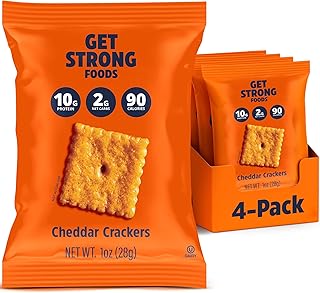


Balanced Diet: Incorporating cheese into a balanced diet with whole foods can help manage gestational diabetes
Incorporating cheese into a balanced diet can be a strategic approach for managing gestational diabetes. Cheese, being a low-carbohydrate food, has a minimal impact on blood sugar levels, making it a suitable choice for those monitoring their glucose intake. However, it's crucial to select the right types of cheese and consume them in moderation as part of a well-rounded diet.
Opt for whole-food, full-fat cheeses such as cheddar, mozzarella, or feta, which are rich in nutrients and have a lower lactose content compared to processed or low-fat varieties. These cheeses provide protein, calcium, and healthy fats that can contribute to satiety and stable blood sugar levels. Avoid cheeses high in sodium or additives, as these can negatively impact overall health and blood pressure.
Pairing cheese with other nutrient-dense foods like vegetables, nuts, or whole grains can further enhance its benefits. For instance, a snack of apple slices with cheddar cheese or a salad topped with feta and olives can offer a satisfying combination of flavors and textures while providing essential nutrients.
It's important to note that portion control is key. While cheese can be a healthy addition to a gestational diabetes diet, overconsumption can lead to excessive calorie and fat intake. Aim for 2-3 servings of cheese per day, with each serving roughly the size of a dice or a slice about the thickness of a pencil.
In summary, cheese can be a valuable component of a balanced diet for managing gestational diabetes when chosen wisely and consumed in moderation. By focusing on whole-food, full-fat options and pairing them with other nutritious foods, individuals can enjoy the benefits of cheese while maintaining healthy blood sugar levels and overall well-being.
Canine Nutrition: The Surprising Truth About Cheese as a Dog Treat
You may want to see also
Frequently asked questions
Cheese can be a part of a balanced diet for people with gestational diabetes, but it's important to monitor portion sizes and choose lower-fat options. Cheese is a good source of protein and calcium, but it can also be high in saturated fat and calories, which can impact blood sugar levels.
Opt for lower-fat cheeses such as part-skim mozzarella, reduced-fat cheddar, or Neufchâtel. These options provide the nutritional benefits of cheese without the high saturated fat content that can negatively affect blood sugar control.
Portion control is key. A serving size of cheese is about 1 ounce, which is roughly the size of a pair of dice. People with gestational diabetes should aim to limit their cheese intake to 1-2 servings per day and balance it with other nutrient-dense foods.
Yes, cheese can affect blood sugar levels due to its fat and calorie content. High-fat foods can slow down the absorption of carbohydrates, leading to a delayed rise in blood sugar levels. It's important for individuals with gestational diabetes to monitor their blood sugar levels after consuming cheese to understand how it affects them personally.