Randy Chandler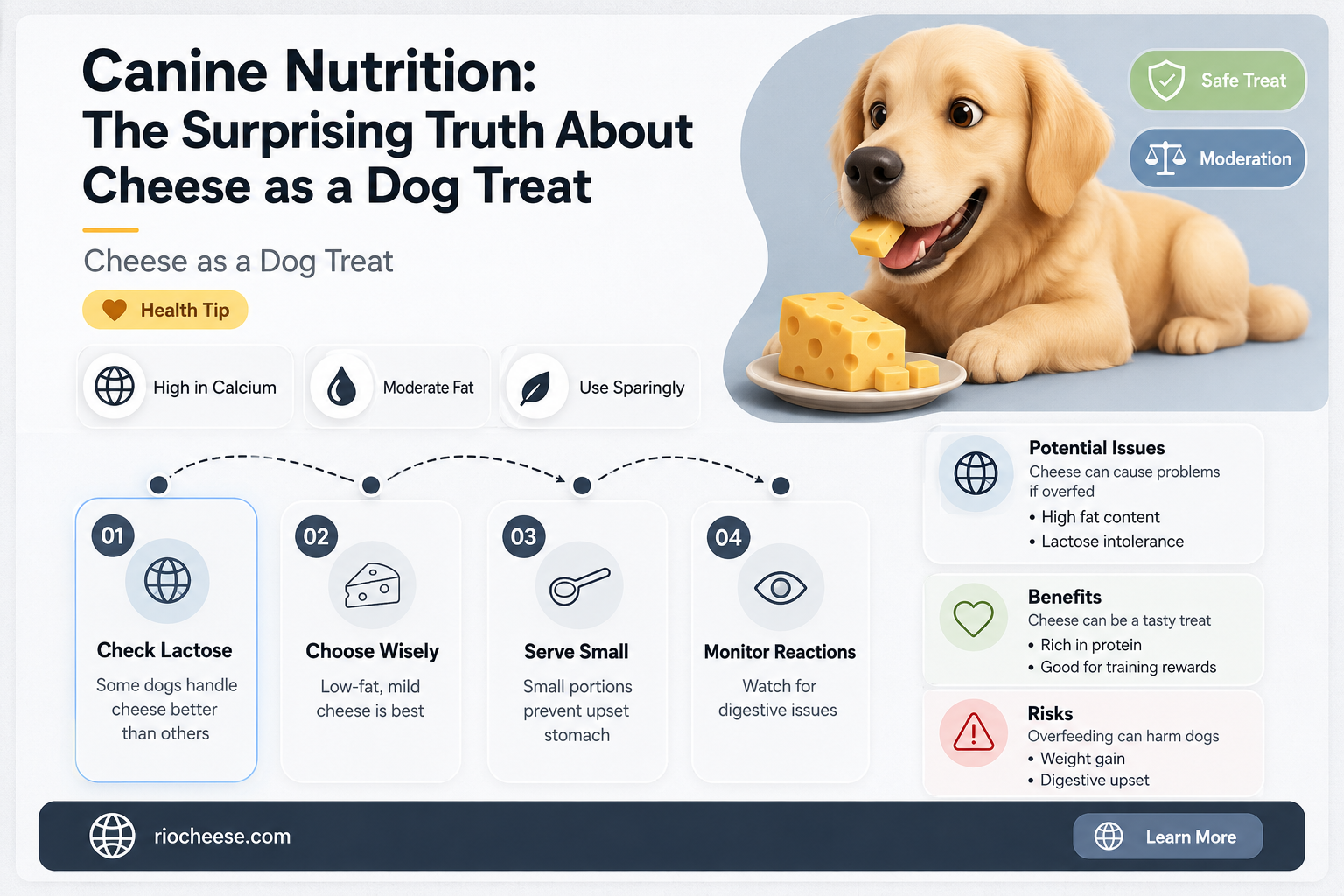
Cheese can be a delicious and nutritious treat for dogs when given in moderation. It is a good source of protein, calcium, and essential vitamins. However, not all types of cheese are safe for dogs, and some may even be harmful. For example, cheeses with high fat content or those that contain onion or garlic should be avoided. Additionally, some dogs may be lactose intolerant, which means they cannot digest lactose found in cheese properly. In this case, it is essential to monitor your dog's reaction to cheese and consult with a veterinarian if you have any concerns. Overall, cheese can be a tasty and healthy addition to your dog's diet when given responsibly and in moderation.
Explore related products


What You'll Learn
- Nutritional benefits: Cheese provides protein, calcium, and essential vitamins, making it a healthy treat option
- Lactose intolerance: Some dogs may be lactose intolerant, so it's crucial to monitor their reaction to cheese
- Calorie content: Cheese can be high in calories, so it's important to give it in moderation to avoid weight gain
- Choking hazard: Small, hard cheese pieces can pose a choking risk, especially for small dog breeds
- Training and behavior: Cheese can be an effective training tool due to its strong scent and taste, which dogs find appealing

Nutritional benefits: Cheese provides protein, calcium, and essential vitamins, making it a healthy treat option
Cheese is often considered a nutritious snack for humans, but its benefits extend to our canine companions as well. When given in moderation, cheese can be a healthy treat option for dogs, providing essential nutrients that support their overall health.
One of the primary nutritional benefits of cheese for dogs is its high protein content. Protein is crucial for maintaining muscle mass, supporting immune function, and promoting healthy skin and coat. Cheese also contains calcium, which is essential for strong bones and teeth, as well as proper muscle function and nerve transmission.
In addition to protein and calcium, cheese is a good source of several essential vitamins. Vitamin A, found in cheese, is important for maintaining healthy vision, immune function, and skin. Vitamin B12, also present in cheese, plays a role in red blood cell formation and neurological health. Furthermore, cheese contains riboflavin (vitamin B2), which supports energy production and cellular function.
When offering cheese as a treat to your dog, it's important to choose the right type and portion size. Opt for low-fat, plain cheeses like mozzarella or cottage cheese to avoid excessive fat intake. Additionally, be mindful of your dog's lactose tolerance, as some dogs may experience digestive upset when consuming dairy products. Start with small amounts and gradually increase the portion size to assess your dog's tolerance.
In conclusion, cheese can be a nutritious and delicious treat for dogs when given in moderation and chosen wisely. Its protein, calcium, and essential vitamin content make it a healthy option that can support your dog's overall well-being.
Exploring the Effects of Cheese on Diarrhea: A Comprehensive Guide
You may want to see also
Explore related products
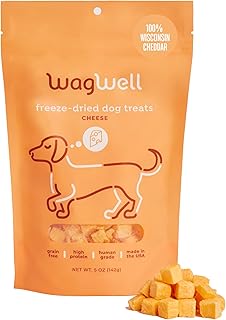



Lactose intolerance: Some dogs may be lactose intolerant, so it's crucial to monitor their reaction to cheese
Lactose intolerance in dogs is a common issue that can cause gastrointestinal upset when they consume dairy products, including cheese. This condition occurs when a dog's body lacks the enzyme lactase, which is necessary to break down lactose, a sugar found in milk and milk-based products. Symptoms of lactose intolerance in dogs can range from mild to severe and may include diarrhea, vomiting, abdominal pain, and gas.
To determine if your dog is lactose intolerant, it's essential to monitor their reaction to cheese and other dairy products. Start by offering a small amount of cheese to your dog and observe their response. If they show any signs of discomfort or digestive issues, it's likely that they are lactose intolerant. In such cases, it's best to avoid giving them cheese or any other dairy products.
If your dog is lactose intolerant, there are still ways to provide them with nutritious treats. Consider offering lactose-free cheese or other dairy-free alternatives. You can also explore a variety of non-dairy treats, such as fruits, vegetables, and specially formulated dog treats. When introducing new treats to your dog's diet, always do so gradually and in moderation to prevent any adverse reactions.
It's important to note that lactose intolerance is not the same as a milk allergy. While both conditions can cause digestive issues, a milk allergy is an immune response to the proteins found in milk, whereas lactose intolerance is a deficiency in the enzyme needed to digest lactose. If you suspect that your dog has a milk allergy, it's crucial to consult with a veterinarian for proper diagnosis and treatment.
In conclusion, if your dog is lactose intolerant, it's essential to monitor their reaction to cheese and other dairy products. By providing lactose-free alternatives and non-dairy treats, you can still offer your dog a variety of nutritious and delicious options without causing any digestive distress.
The Dairy Dilemma: Is Cheese Your Ticket to Bulking Up?
You may want to see also
Explore related products
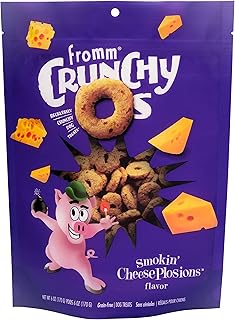


Calorie content: Cheese can be high in calories, so it's important to give it in moderation to avoid weight gain
Cheese, while a beloved treat for many dogs, can be a caloric minefield. A single ounce of cheddar cheese contains approximately 115 calories, which is a significant amount for a small dog. For larger breeds, this might not be as much of an issue, but for toy or small breeds, a few ounces of cheese could make up a large portion of their daily caloric needs.
When considering cheese as a treat, it's crucial to factor in your dog's overall diet and activity level. If your dog is already prone to weight gain or is relatively sedentary, cheese should be given sparingly. On the other hand, if your dog is highly active or requires a higher calorie intake due to their metabolism or health conditions, cheese can be a valuable addition to their diet in moderation.
It's also important to consider the type of cheese you're feeding your dog. Some cheeses, like mozzarella or cottage cheese, are lower in fat and calories compared to cheddar or American cheese. Additionally, some cheeses contain additives or preservatives that can be harmful to dogs, so it's essential to choose a high-quality, dog-safe cheese.
To avoid overfeeding, it's best to use cheese as an occasional treat rather than a staple in your dog's diet. You can also consider using cheese as a reward during training sessions or as a way to encourage your dog to take their medication, if necessary.
In conclusion, while cheese can be a tasty and nutritious treat for dogs, it's important to be mindful of its high calorie content and to feed it in moderation. By doing so, you can help your dog maintain a healthy weight and avoid potential health issues related to overfeeding.
The Surprising Truth About Cheese and Your Digestive Health
You may want to see also
Explore related products


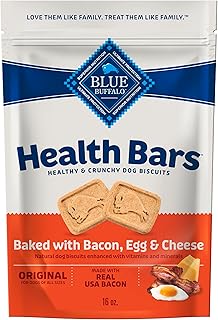

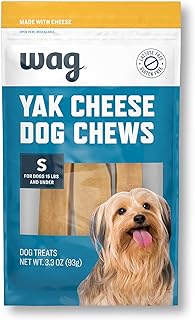
Choking hazard: Small, hard cheese pieces can pose a choking risk, especially for small dog breeds
Small, hard cheese pieces can indeed pose a significant choking hazard, particularly for small dog breeds. This risk is often overlooked by pet owners who may assume that all dog treats are safe. However, the reality is that dogs, especially those with smaller mouths and throats, can easily choke on small, hard objects. Cheese, while generally considered a safe treat for dogs in moderation, can become a danger if not given in the proper form.
To mitigate this risk, it is crucial for pet owners to be mindful of the size and texture of the cheese pieces they offer to their dogs. Ideally, cheese should be grated or broken into very small, soft pieces before being given as a treat. This ensures that the dog can easily chew and swallow the cheese without the risk of choking. Additionally, pet owners should always supervise their dogs while they are eating treats to ensure that they are consuming them safely.
It is also important to consider the type of cheese being offered to dogs. Some cheeses, such as blue cheese or cheeses with high salt content, can be harmful to dogs and should be avoided. Instead, pet owners should opt for plain, low-fat cheeses that are safe for canine consumption. By taking these precautions, pet owners can ensure that their dogs can enjoy cheese treats without the risk of choking or other health issues.
In summary, while cheese can be a safe and enjoyable treat for dogs, it is essential for pet owners to be aware of the potential choking hazard posed by small, hard cheese pieces. By taking the time to properly prepare cheese treats and choosing safe varieties, pet owners can help prevent choking incidents and ensure that their dogs can enjoy cheese in a safe and responsible manner.
Nutritional Benefits of Cheese for Babies: A Comprehensive Guide
You may want to see also
Explore related products


Training and behavior: Cheese can be an effective training tool due to its strong scent and taste, which dogs find appealing
Cheese is often used as a training tool for dogs due to its strong scent and taste, which can be highly appealing to canines. This can be particularly effective for dogs that are food-motivated, as the promise of a tasty treat can be a powerful incentive for good behavior. When using cheese as a training tool, it's important to choose a type that is safe for dogs to consume, such as mozzarella or cheddar, and to use it in moderation to avoid overfeeding.
One of the benefits of using cheese as a training tool is that it can be easily broken into small pieces, making it ideal for rewarding small behaviors or incremental progress. This can be especially useful for teaching complex commands or tricks, where the dog needs to be reinforced frequently. Additionally, the strong scent of cheese can help to keep the dog's attention focused on the trainer, making it easier to maintain control during training sessions.
However, it's important to note that not all dogs will respond well to cheese as a training tool. Some dogs may have dietary restrictions or allergies that prevent them from consuming cheese, while others may simply not find the taste appealing. In these cases, it may be necessary to experiment with other types of treats or rewards to find what works best for the individual dog.
When using cheese as a training tool, it's also important to be mindful of the dog's overall diet and calorie intake. While cheese can be a tasty and effective reward, it is also high in fat and calories, which can contribute to weight gain if used excessively. To avoid this, it's important to factor cheese treats into the dog's daily calorie allowance and to use them in moderation.
In conclusion, cheese can be a valuable tool for dog training when used appropriately. Its strong scent and taste make it an appealing reward for many dogs, and its ability to be easily broken into small pieces makes it ideal for reinforcing small behaviors. However, it's important to choose a safe type of cheese, to use it in moderation, and to be mindful of the dog's individual needs and dietary restrictions.
The Surprising Truth About Cheese and Its Cutting Benefits
You may want to see also
Frequently asked questions
Cheese can be a healthy treat for dogs in moderation, as it is a good source of protein and calcium. However, it's important to choose low-fat varieties and avoid overfeeding, as too much cheese can lead to obesity and other health issues.
Safe types of cheese for dogs include mozzarella, cheddar, and cottage cheese. These cheeses are generally low in fat and lactose, making them easier for dogs to digest. Avoid giving dogs blue cheese, as it can contain harmful bacteria.
The amount of cheese you can give your dog as a treat depends on its size, age, and activity level. As a general guideline, you can give your dog about 1-2 ounces of cheese per day. However, it's always best to consult with your veterinarian for personalized advice.
Yes, there are some potential risks associated with giving dogs cheese. Cheese can be high in fat and calories, which can lead to obesity and other health issues if overfed. Additionally, some dogs may be lactose intolerant, meaning they cannot digest lactose found in cheese, leading to digestive problems. Always monitor your dog's reaction to cheese and consult with your veterinarian if you have any concerns.