Andy Montoya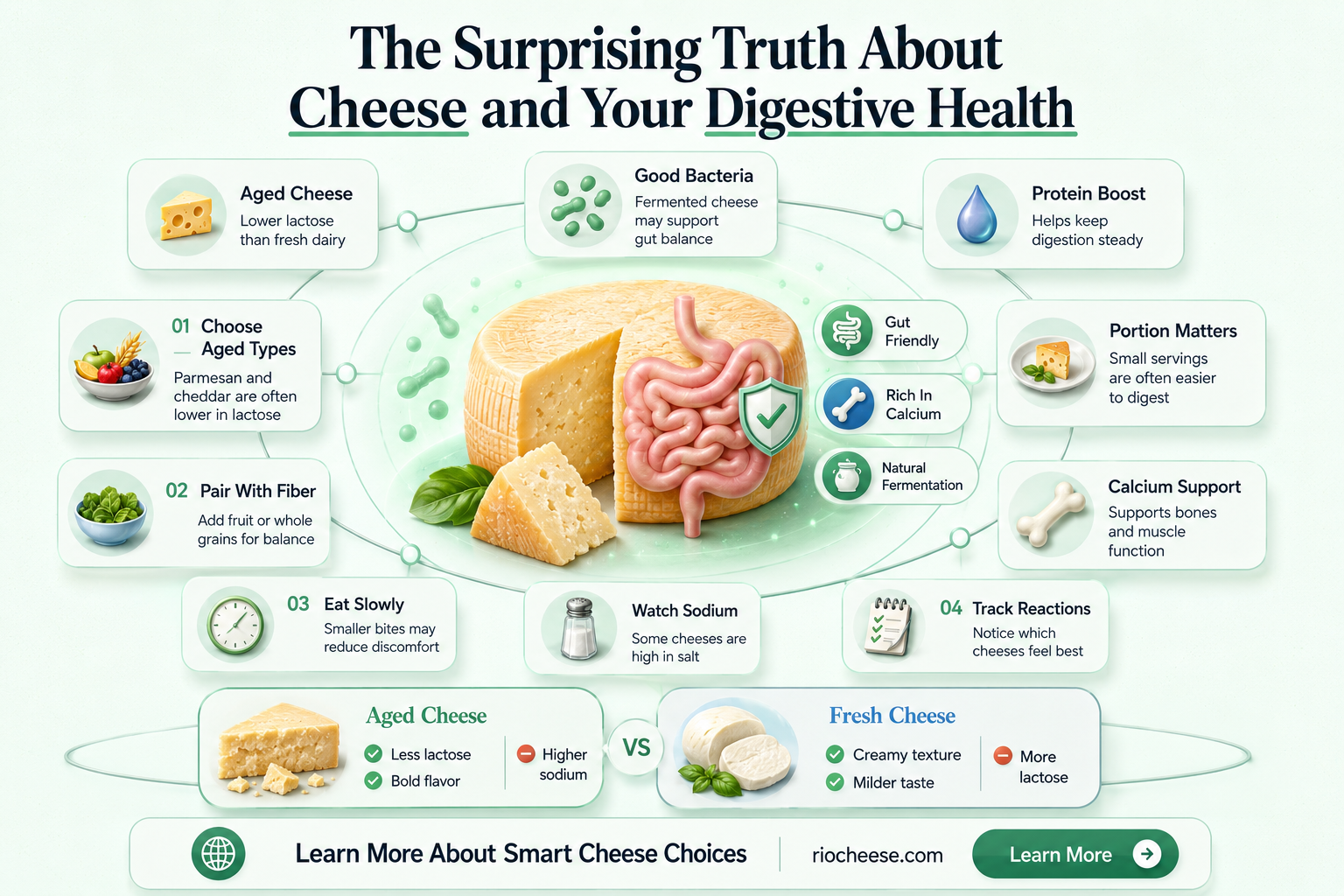
Cheese, a beloved dairy product enjoyed worldwide, is often scrutinized for its impact on the digestive system. While it's a rich source of nutrients like calcium, protein, and vitamins, cheese can also be high in fat and lactose, which may pose challenges for some individuals. The question of whether cheese is good for the digestive system is complex and depends on various factors, including one's lactose tolerance, overall diet, and digestive health. This discussion will delve into the nutritional benefits of cheese, its potential drawbacks, and how it can be incorporated into a balanced diet to support digestive well-being.
Explore related products
![Goodles Shella Good Aged White Cheddar and Shells Pasta - Nutrient Packed with Real Cheese, Fiber, Protein, Prebiotics, Plants, & Vegetables | Non-GMO, Organic Ingredients [Shella Good, 6 oz. 1 Pack]](https://m.media-amazon.com/images/I/71VMu-NnBHL._AC_UL320_.jpg)
![Goodles Twist My Parm Asiago and Parmesan with Spirals - Nutrient Packed with Real Cheese, Fiber, Protein, Prebiotics, Plants, & Vegetables | Non-GMO, Organic Ingredients [Twist My Parm, 6 oz. 1 Pack]](https://m.media-amazon.com/images/I/71s1KrIEIkL._AC_UL320_.jpg)


What You'll Learn
- Nutritional Benefits: Cheese is rich in calcium, protein, and vitamins, which support overall digestive health
- Probiotics in Cheese: Some cheeses contain beneficial bacteria that aid digestion and promote gut health
- Lactose Intolerance: Individuals with lactose intolerance may experience digestive issues when consuming cheese
- Cheese and Gut Microbiome: Cheese can influence the gut microbiome, potentially leading to improved or impaired digestion
- Moderation is Key: While cheese can be part of a healthy diet, excessive consumption may lead to digestive discomfort

Nutritional Benefits: Cheese is rich in calcium, protein, and vitamins, which support overall digestive health
Cheese, a dairy product known for its rich flavor and versatility in culinary dishes, offers several nutritional benefits that contribute to overall digestive health. One of the key nutrients found in cheese is calcium, which plays a crucial role in maintaining strong bones and teeth. Additionally, calcium helps regulate muscle function and nerve transmission, both of which are essential for proper digestive system functioning.
Protein is another important nutrient abundant in cheese. It serves as a building block for tissues and organs, including those within the digestive system. Adequate protein intake supports the growth and repair of cells, ensuring that the digestive tract remains healthy and functional. Furthermore, protein can help maintain a feeling of fullness, which may prevent overeating and subsequent digestive discomfort.
Cheese is also a good source of various vitamins, including vitamin A, vitamin B12, and vitamin K. Vitamin A is essential for maintaining healthy skin and mucous membranes, which line the digestive tract. Vitamin B12 plays a role in red blood cell formation and nerve function, both of which are vital for digestive health. Vitamin K, on the other hand, is necessary for blood clotting and bone health, indirectly supporting the digestive system by ensuring overall bodily health.
Incorporating cheese into a balanced diet can provide these essential nutrients, supporting digestive health. However, it is important to consume cheese in moderation due to its high fat and calorie content. Overconsumption may lead to weight gain and increased risk of certain health conditions, which could negatively impact the digestive system.
In conclusion, cheese offers several nutritional benefits that support digestive health, including its rich content of calcium, protein, and various vitamins. By incorporating cheese into a balanced diet and consuming it in moderation, individuals can enjoy these benefits while maintaining overall health and well-being.
Exploring the Relationship Between Cheese and Chronic Kidney Health
You may want to see also
Explore related products


Probiotics in Cheese: Some cheeses contain beneficial bacteria that aid digestion and promote gut health
Certain types of cheese are rich in probiotics, which are live microorganisms that provide health benefits when consumed, generally by improving or restoring the gut flora. These beneficial bacteria can aid in digestion, boost the immune system, and even contribute to mental health. Cheeses such as yogurt-based cheeses, kefir cheese, and some aged cheeses like Gouda and Cheddar contain these probiotics. The fermentation process used in making these cheeses allows the beneficial bacteria to thrive and survive the aging process, making them a viable source of probiotics in the diet.
The probiotics found in cheese can help maintain a healthy balance of gut bacteria, which is crucial for proper digestion and absorption of nutrients. They can also alleviate symptoms of digestive disorders such as irritable bowel syndrome (IBS) and inflammatory bowel disease (IBD). Studies have shown that regular consumption of probiotic-rich foods, including certain cheeses, can lead to improvements in gut health and overall well-being.
When incorporating probiotic cheeses into your diet, it's important to choose varieties that are specifically labeled as containing live cultures. These cheeses should be stored properly to maintain the viability of the probiotics. Additionally, while probiotic cheeses can be a beneficial addition to a balanced diet, they should not be relied upon as the sole source of probiotics. A diverse diet that includes other probiotic-rich foods such as yogurt, kefir, and fermented vegetables is recommended for optimal gut health.
It's also worth noting that not all cheeses are created equal when it comes to probiotic content. The type of bacteria used in the fermentation process, as well as the aging time and conditions, can significantly impact the probiotic profile of the cheese. Therefore, it's important to do your research and choose cheeses that are known for their high probiotic content and are made using traditional fermentation methods.
In conclusion, probiotic cheeses can be a delicious and beneficial addition to a healthy diet, providing a range of digestive and overall health benefits. By choosing the right types of cheese and incorporating them into a balanced diet, you can support your gut health and enjoy the many flavors and textures that these cheeses have to offer.
Exploring the Effects of Cheese on Diarrhea: A Comprehensive Guide
You may want to see also
Explore related products


Lactose Intolerance: Individuals with lactose intolerance may experience digestive issues when consuming cheese
Individuals with lactose intolerance may experience digestive issues when consuming cheese due to their inability to digest lactose, a sugar found in milk and dairy products. This condition occurs when the small intestine does not produce enough lactase, the enzyme responsible for breaking down lactose into glucose and galactose, which can be absorbed by the body. As a result, undigested lactose passes into the large intestine, where it is fermented by bacteria, leading to symptoms such as bloating, gas, abdominal pain, nausea, and diarrhea.
The severity of symptoms can vary depending on the individual's level of lactose intolerance and the amount of cheese consumed. Some people may be able to tolerate small amounts of cheese without experiencing any issues, while others may need to avoid it completely. It is important for individuals with lactose intolerance to be aware of their condition and to monitor their symptoms when consuming cheese or other dairy products.
There are several types of cheese that are lower in lactose and may be more suitable for individuals with lactose intolerance. These include hard cheeses such as cheddar, Swiss, and Parmesan, as well as blue cheeses and some types of goat cheese. Additionally, there are lactose-free cheese options available that have been treated with lactase to break down the lactose content.
In conclusion, while cheese can be a nutritious and delicious addition to a healthy diet, individuals with lactose intolerance may need to exercise caution when consuming it. By being aware of their condition and choosing appropriate cheese options, they can still enjoy the benefits of cheese without experiencing uncomfortable digestive symptoms.
Nourishing Growth: The Benefits and Limits of Cheese for Children
You may want to see also
Explore related products



Cheese and Gut Microbiome: Cheese can influence the gut microbiome, potentially leading to improved or impaired digestion
Cheese, a beloved dairy product, has a complex relationship with the gut microbiome. The gut microbiome is a bustling community of microorganisms that reside in the digestive tract, playing a crucial role in digestion, immune function, and overall health. Cheese, being a fermented food, contains a variety of bacteria that can influence this microbial community.
Research suggests that the consumption of cheese can lead to changes in the gut microbiome composition. Some studies have shown that cheese can increase the abundance of beneficial bacteria, such as Bifidobacterium and Lactobacillus, which are known to aid in digestion and support a healthy gut. These bacteria are often added to probiotic supplements due to their beneficial effects on gut health.
However, the impact of cheese on the gut microbiome is not uniformly positive. The high-fat content of cheese can lead to an increase in the abundance of less beneficial bacteria, such as Clostridium difficile, which is associated with digestive issues and antibiotic resistance. Additionally, cheese is often high in sodium, which can disrupt the balance of the gut microbiome and lead to increased inflammation.
The type of cheese consumed can also influence its impact on the gut microbiome. For example, aged cheeses like cheddar and gouda contain more beneficial bacteria than fresh cheeses like mozzarella and feta. This is because the aging process allows for the growth of a more diverse range of bacteria, which can contribute to a healthier gut microbiome.
In conclusion, while cheese can be a delicious addition to a balanced diet, its impact on the gut microbiome is complex and depends on various factors, including the type of cheese, its fat and sodium content, and the individual's overall diet and health status. To support a healthy gut microbiome, it is important to consume cheese in moderation and as part of a diverse and balanced diet.
Exploring the Relationship Between Cheese Consumption and Breast Cancer Risk
You may want to see also
Explore related products





Moderation is Key: While cheese can be part of a healthy diet, excessive consumption may lead to digestive discomfort
Cheese, a beloved dairy product, is often touted for its nutritional benefits, including high protein and calcium content. However, when it comes to digestive health, the relationship between cheese and the digestive system is more complex. While moderate cheese consumption can be part of a healthy diet, overindulgence may lead to digestive discomfort for some individuals.
The primary reason for this lies in the lactose content of cheese. Lactose is a sugar found in milk and dairy products, which requires the enzyme lactase to be properly digested. Some people, particularly those of Asian, African, or Native American descent, may have lactose intolerance, meaning they lack sufficient lactase to digest lactose efficiently. This can lead to symptoms such as bloating, gas, abdominal pain, and diarrhea when consuming large amounts of cheese.
Furthermore, cheese is also high in fat, which can contribute to digestive issues if consumed excessively. High-fat foods can slow down the digestive process, leading to feelings of fullness and discomfort. Additionally, some types of cheese, such as aged or fermented varieties, contain histamines, which can cause adverse reactions in sensitive individuals, including digestive upset.
To enjoy cheese while maintaining digestive health, moderation is key. It is essential to be mindful of portion sizes and to choose lower-fat, lower-lactose options when possible. For those with lactose intolerance, lactose-free cheese alternatives or enzyme supplements can be helpful. Additionally, pairing cheese with other foods that aid digestion, such as fiber-rich fruits and vegetables, can help balance the meal and promote better digestive function.
In conclusion, while cheese can be a delicious and nutritious addition to a balanced diet, it is crucial to consume it in moderation to avoid potential digestive discomfort. By being aware of one's individual tolerance and making mindful choices, it is possible to enjoy cheese without compromising digestive health.
Nutritional Benefits of Cheese for Babies: A Comprehensive Guide
You may want to see also
Frequently asked questions
Cheese can be beneficial for the digestive system in moderation due to its probiotic content, which can aid in digestion. However, it's also high in fat and lactose, which may cause issues for some individuals, particularly those with lactose intolerance.
Cheeses like yogurt, kefir, and some aged cheeses contain probiotics that can help with digestion. These probiotics support the growth of beneficial gut bacteria.
It's recommended to consume cheese in moderation, as excessive intake can lead to digestive discomfort due to its high fat and lactose content. A small portion, about an ounce, is a good starting point.
Cheeses that are high in lactose, such as fresh mozzarella, feta, and blue cheese, may be more difficult to digest, especially for those with lactose intolerance. Aged cheeses typically have lower lactose levels and may be a better choice.
Cheese can cause constipation in some individuals, particularly if consumed in large quantities. Its high fat content can slow down digestion, and lactose intolerance can also contribute to constipation. It's important to monitor your body's response to cheese and adjust your intake accordingly.